Word association skills Normal Worksheets for Ages 6-9
3 filtered results
-
From - To
Boost your child's vocabulary and critical thinking with our "Word Association Skills Normal Worksheets" designed for ages 6-9. These engaging worksheets encourage creativity and enhance language skills by helping young learners connect related words and concepts. Utilizing fun activities, children will practice identifying associations between words, fostering both cognitive development and language mastery. Our printable worksheets cater to various learning styles, ensuring an interactive experience that keeps kids motivated. Perfect for at-home practice or classroom use, these resources support early literacy while providing hours of enjoyable learning. Explore our collection and watch your child's word associations flourish!
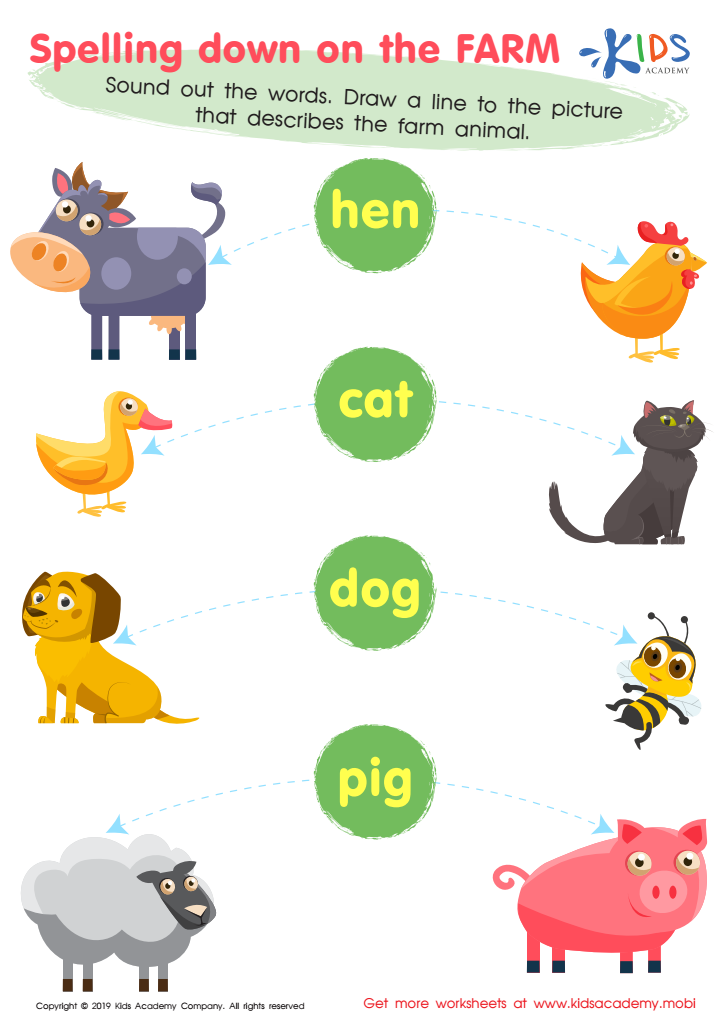
Spelling Down on the Farm Worksheet
 Assign to My Students
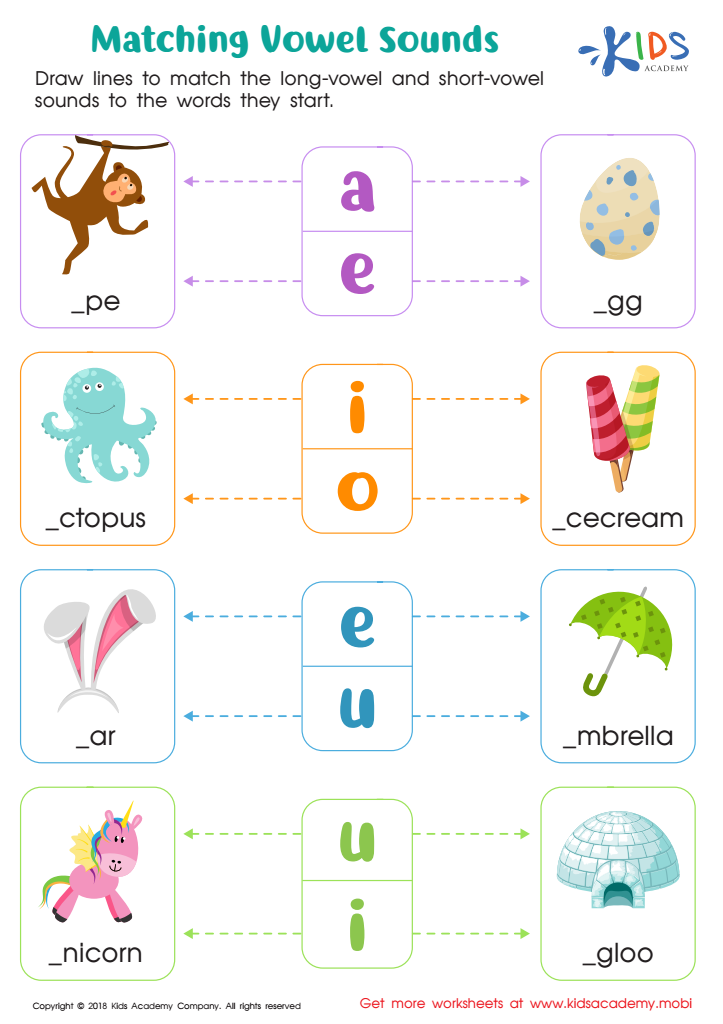
Matching Vowel Sounds Worksheet





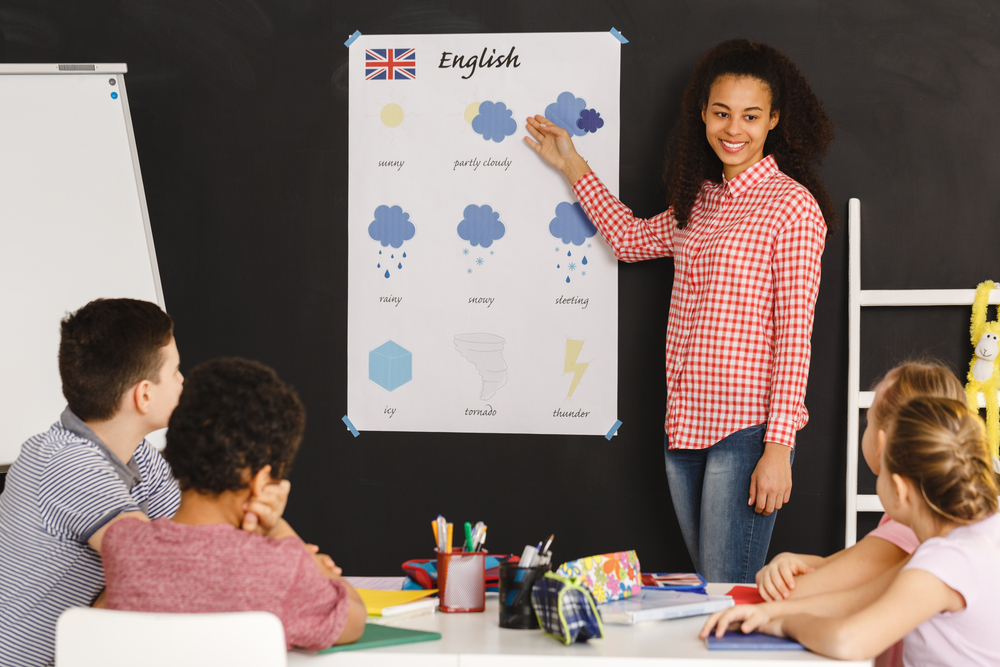

Word association skills are essential for children aged 6-9 as they play a critical role in language development and cognitive growth. During this stage, children are rapidly expanding their vocabulary and learning how words connect to one another. By fostering word association skills, parents and teachers can help children enhance their reading comprehension, improve their writing abilities, and expand their overall language proficiency.
These skills also contribute to critical thinking. When children learn to link words and understand relationships between them, they become better at problem-solving and making connections between concepts, which are essential skills for academic success. Moreover, improved vocabulary fosters confidence in communication, enabling children to express their thoughts and ideas more effectively.
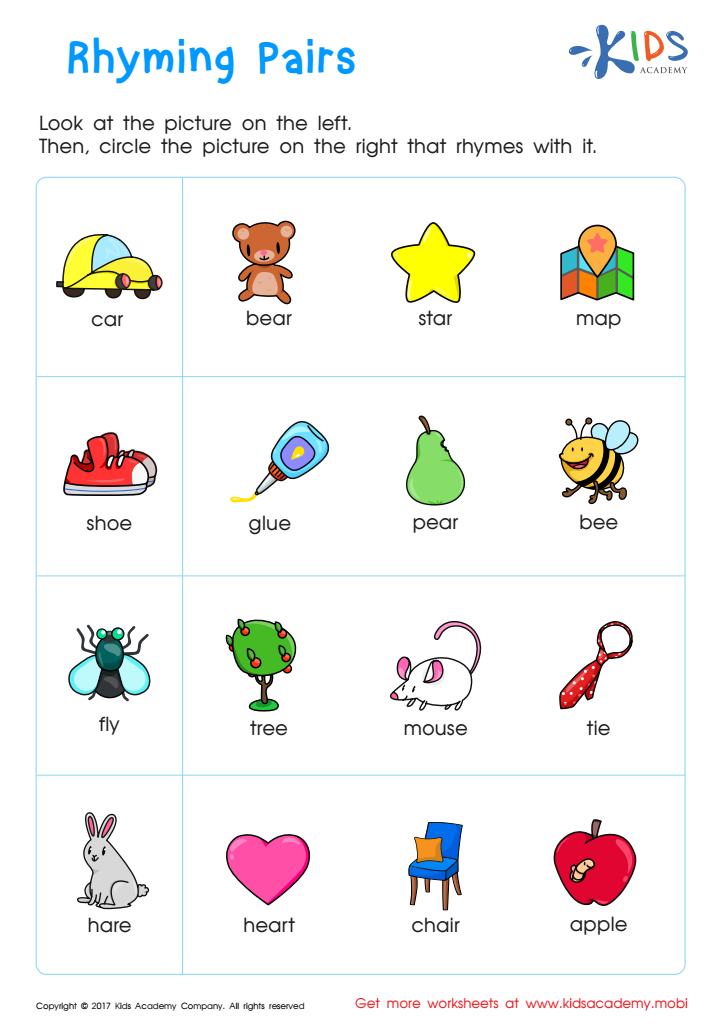
Furthermore, word association encourages creativity by allowing children to explore synonyms, antonyms, and idiomatic expressions. Engaging in word games and activities like rhyming or brainstorming helps make learning fun and interactive. Teachers and parents should cultivate a rich language environment to facilitate these skills, paving the way for lifelong learners. Thus, supporting the development of word association skills not only enhances language acquisition but also equips children with the cognitive tools necessary for their future educational journeys.








