Color Identification Normal Numbers Worksheets for Ages 6-9
4 filtered results
-
From - To
Explore our engaging Color Identification Normal Numbers Worksheets designed specifically for children ages 6-9! These fun and interactive worksheets encourage young learners to associate colors with numbers, enhancing both their color recognition and numerical skills. Perfect for early education, our resources foster creativity while teaching vital math concepts. Each worksheet is thoughtfully crafted to be age-appropriate, helping children develop a solid foundation in numbers through engaging activities. Ideal for classroom settings or at-home learning, these worksheets provide an easy and enjoyable way to make learning colors and numbers a seamless experience. Printable, user-friendly, and perfect for young minds exploring math!
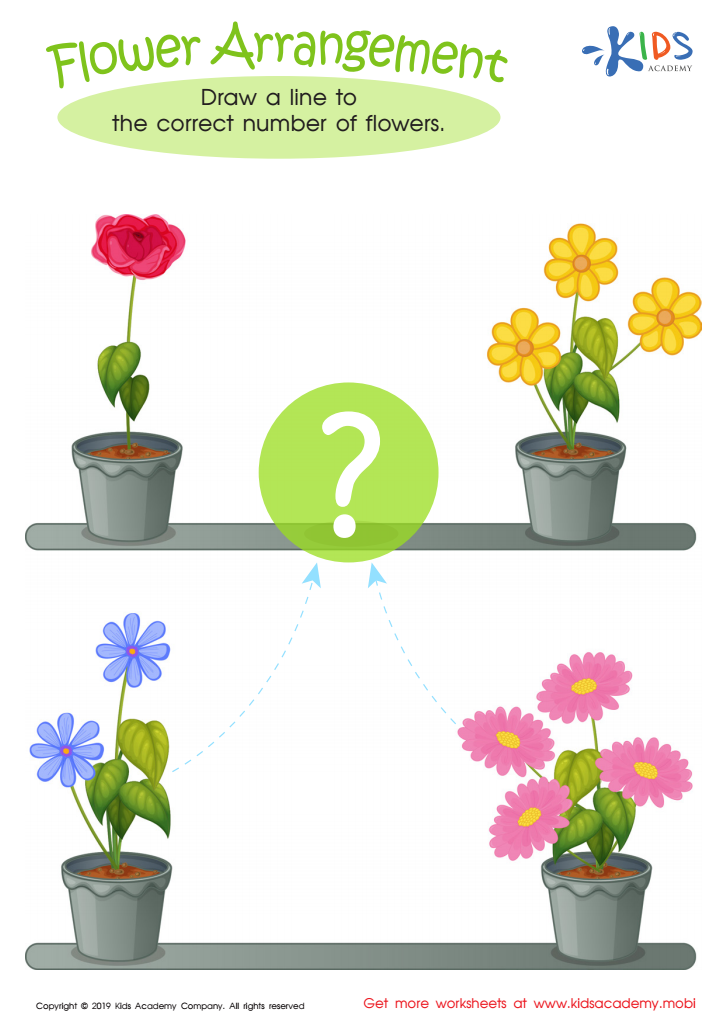
Flower Arrangement Worksheet
 Assign to My Students
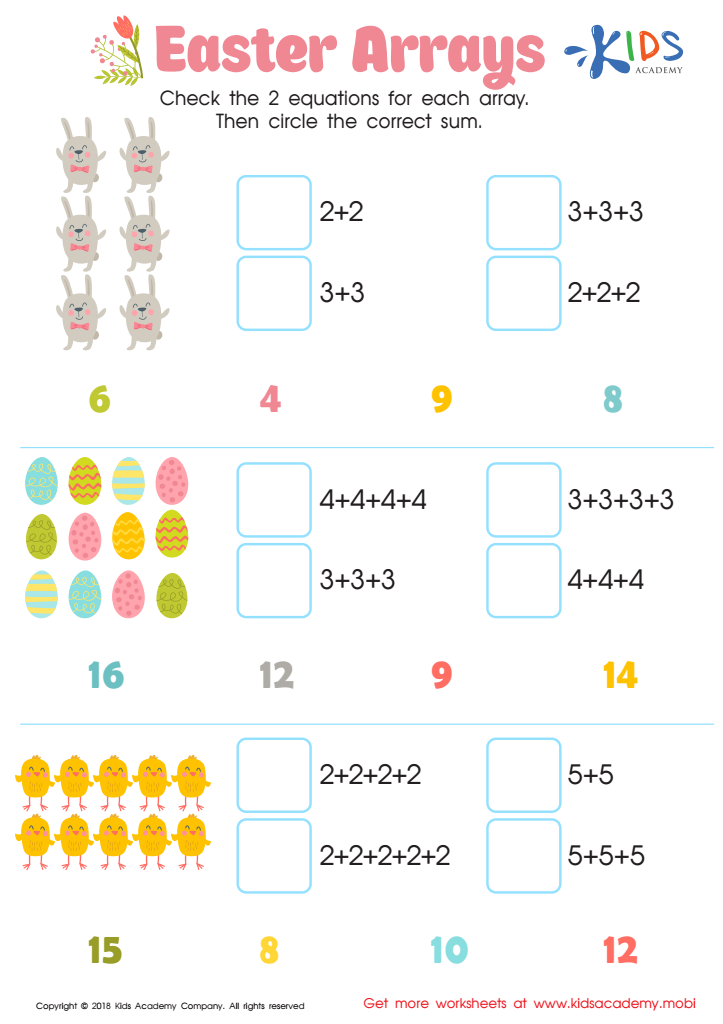
Easter Arrays Worksheet
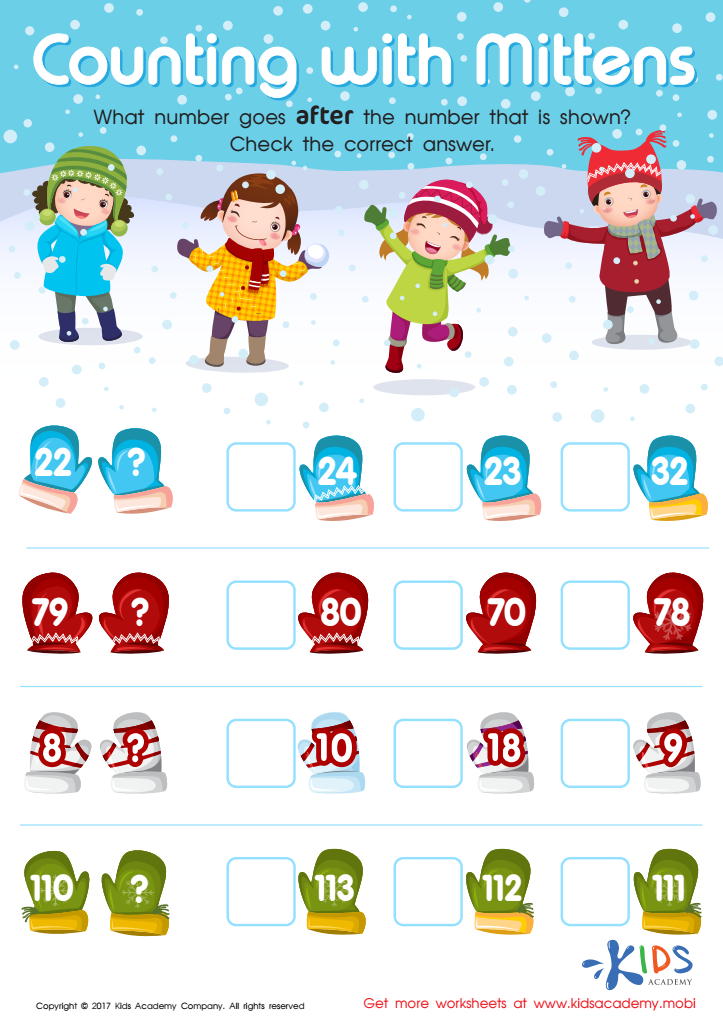
Counting with Mittens Worksheet
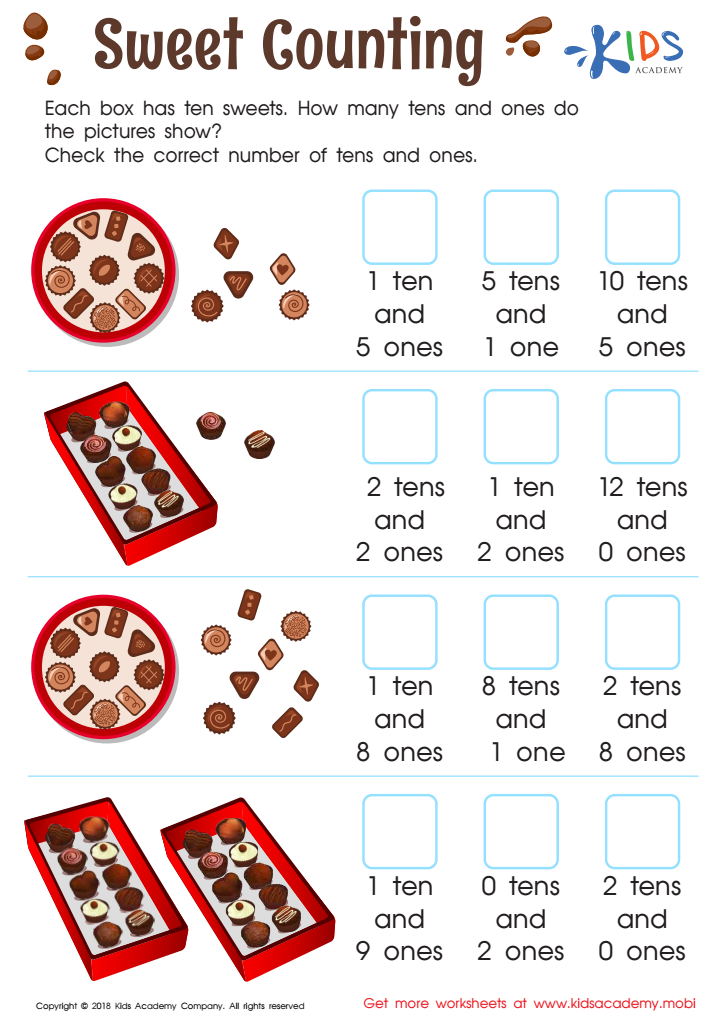
Sweet Counting - Part 2 Worksheet








Color identification and understanding normal numbers are crucial developmental skills for children aged 6 to 9. Mastering color recognition enhances a child's cognitive abilities, allowing them to categorize and express themselves creatively. Colors play a pivotal role in early education, often linked to emotions, nature, and culture, enriching a child's world. Activities involving color help sharpen observation skills and encourage discussions, which facilitate language development and social interaction.
Additionally, normal numbers form the foundation of mathematical literacy. At this age, children begin to grasp fundamental mathematical concepts such as counting, addition, and subtraction. Understanding numbers improves problem-solving skills and logical thinking, which are essential for daily life and future academic pursuits.
For parents and teachers, promoting both color identification and numerical understanding reinforces critical learning milestones. Engaging children in playful activities, such as art projects or number-related games, can enhance their enthusiasm for learning. Furthermore, these skills foster a sense of accomplishment and confidence as children watch their abilities grow. Ultimately, nurturing these foundational skills paves the way for lifelong learning and success, establishing a strong framework for educational achievement in later years.








