Enhancing critical thinking Normal Math Worksheets for Ages 6-9
6 filtered results
-
From - To
Enhancing critical thinking in young minds is crucial, and our Normal Math Worksheets for ages 6-9 are designed specifically for this purpose. These engaging and challenging worksheets from Kids Academy focus on developing essential problem-solving skills and analytical thinking abilities in children. Aligned with grade-level learning standards, each worksheet encourages students to think deeply about mathematical concepts, fostering a better understanding and application of math in real-life situations. The activities combine fun with rigor, ensuring that young learners remain engaged while sharpening their critical thinking skills. Boost your child's math proficiency and critical thinking with our expertly crafted worksheets today!

Identifying Living and Non–living Things Sorting Worksheet
 Assign to My Students
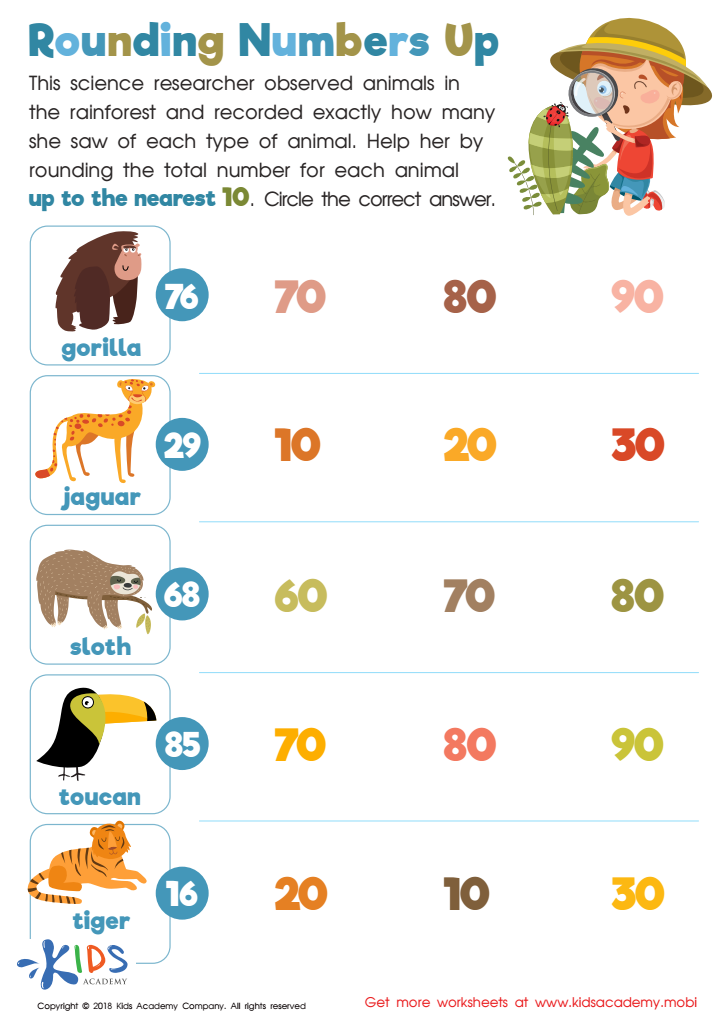
Rounding Numbers Up Worksheet
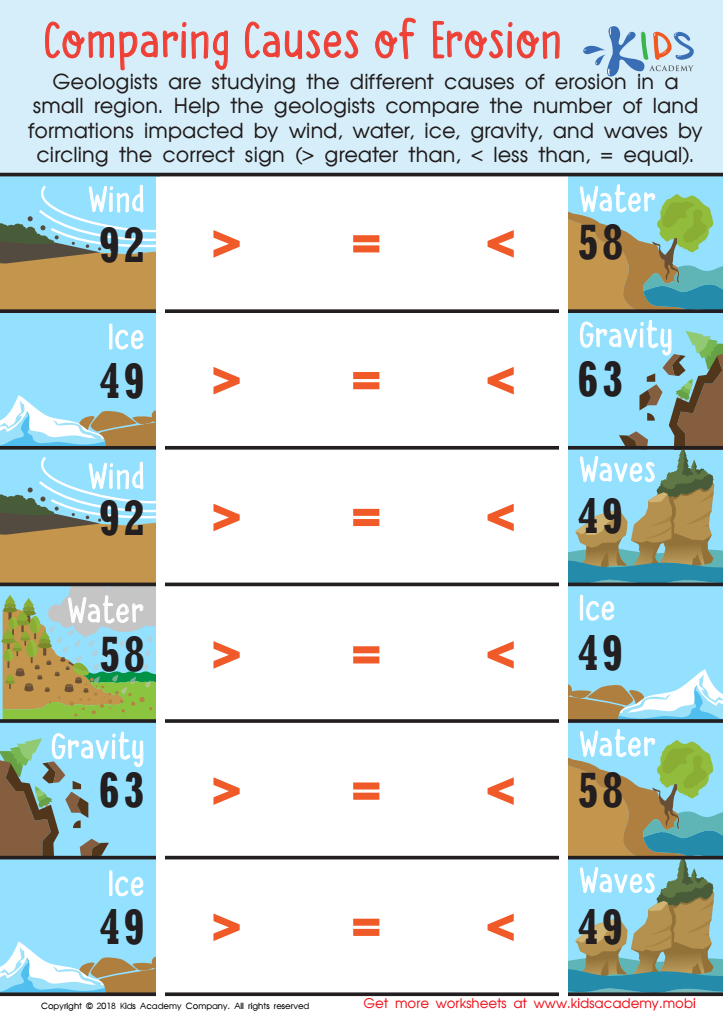
Comparing Causes of Erosion Worksheet
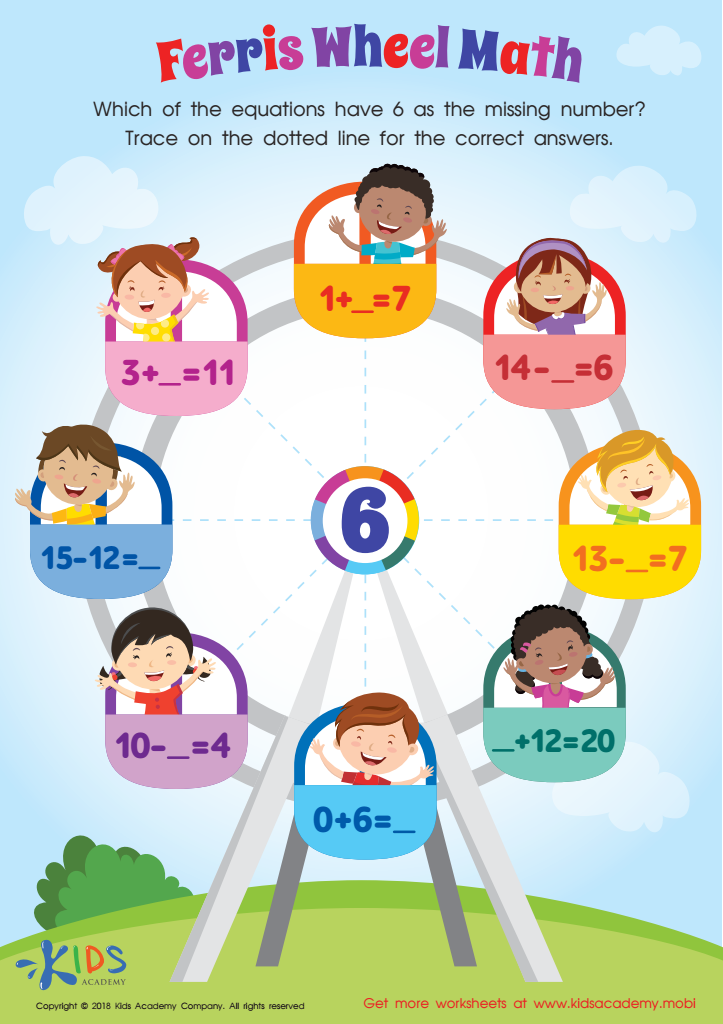
Missing Number: Ferris Wheel Math Worksheet
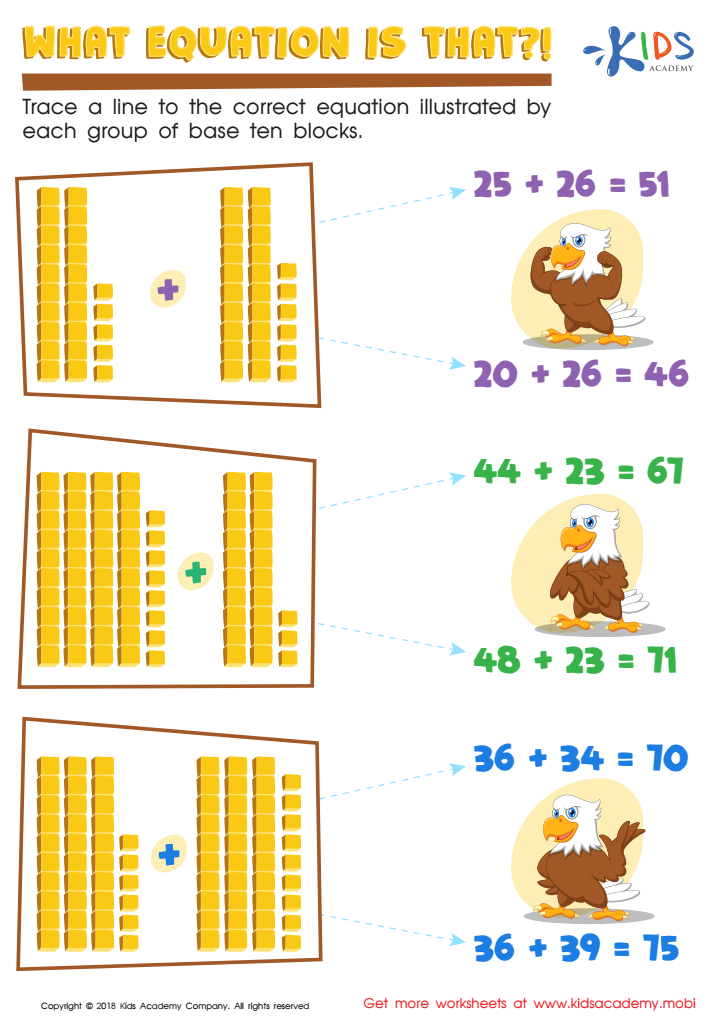
What Equation Is That? Worksheet
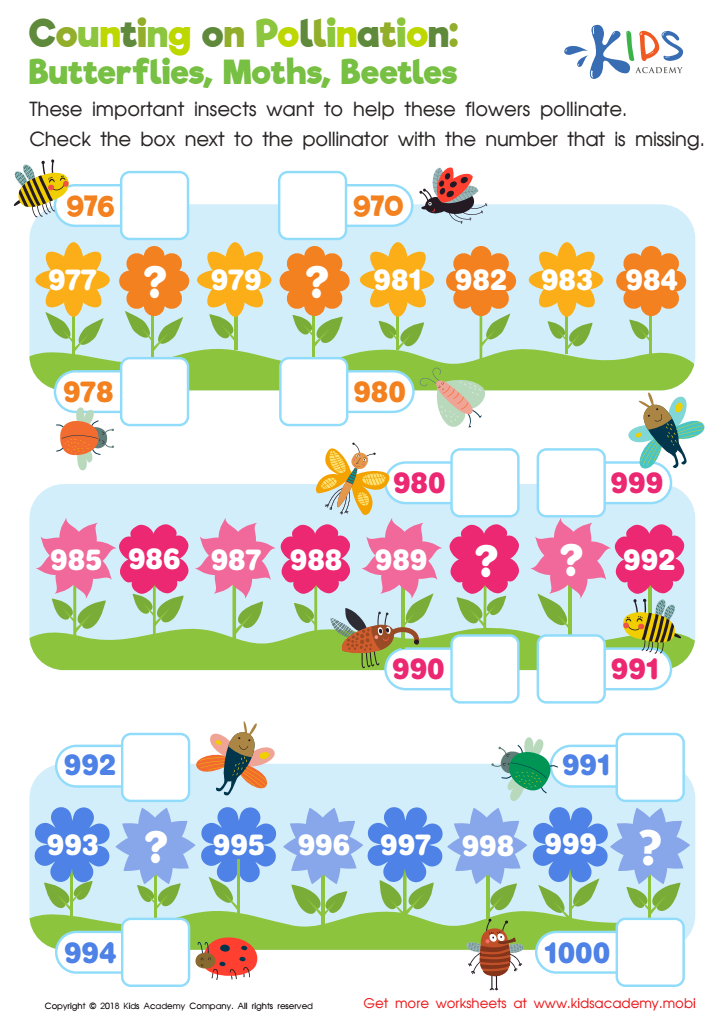
Counting on Pollination: Butterflies, Moths, Beetles Worksheet








Enhancing critical thinking in math for children aged 6-9 is crucial for both academic and personal development. At this formative stage, children's brains are especially receptive to new concepts, making it an ideal time to introduce critical thinking skills. By teaching math in a way that promotes critical analysis and problem-solving, parents and teachers help children build a strong foundation in logical reasoning, which is essential for understanding more complex mathematical concepts later.
Math is not just about numbers; it's about patterns, structures, and relationships. When children learn to approach math problems critically, they develop the ability to analyze situations, make informed decisions, and apply learned concepts to real-life scenarios. This kind of deep thinking helps them understand the 'why' behind the 'how,' turning abstract concepts into meaningful learning experiences.
Furthermore, critical thinking in math encourages perseverance and resilience. When children work through challenging problems, they learn the value of effort, patience, and strategies for overcoming obstacles. These skills are transferable to other subjects and aspects of life, fostering overall intellectual growth and adaptability.
Investing in critical thinking-enhanced math education equips children with the tools necessary for future success, not just in academics but also in daily life. It lays the groundwork for inquisitive, independent, and confident individuals.








