Handwriting Skills Normal Math Worksheets for Ages 6-9
3 filtered results
-
From - To
Boost your child's confidence in math with our Handwriting Skills Normal Math Worksheets for ages 6-9! Designed to blend hand-eye coordination with fundamental math skills, these worksheets offer a seamless learning experience. Children will practice handwriting while mastering addition, subtraction, multiplication, and division through engaging exercises. Perfect for both classroom use and home reinforcement, our worksheets help young learners build strong foundational skills at their own pace. Each worksheet is crafted to ensure little hands can easily follow along, making math practice an enjoyable and productive part of their daily routine. Unlock your child's potential with our expertly designed resources!
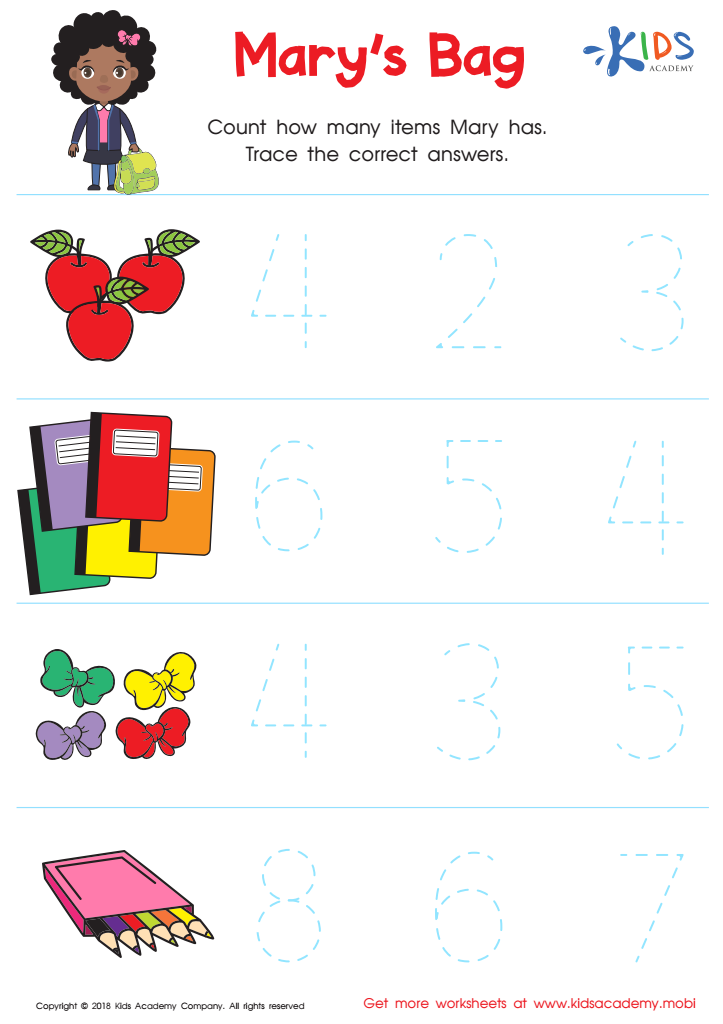
Kindergarten Number Tracing: Mary's Bag Worksheet
 Assign to My Students
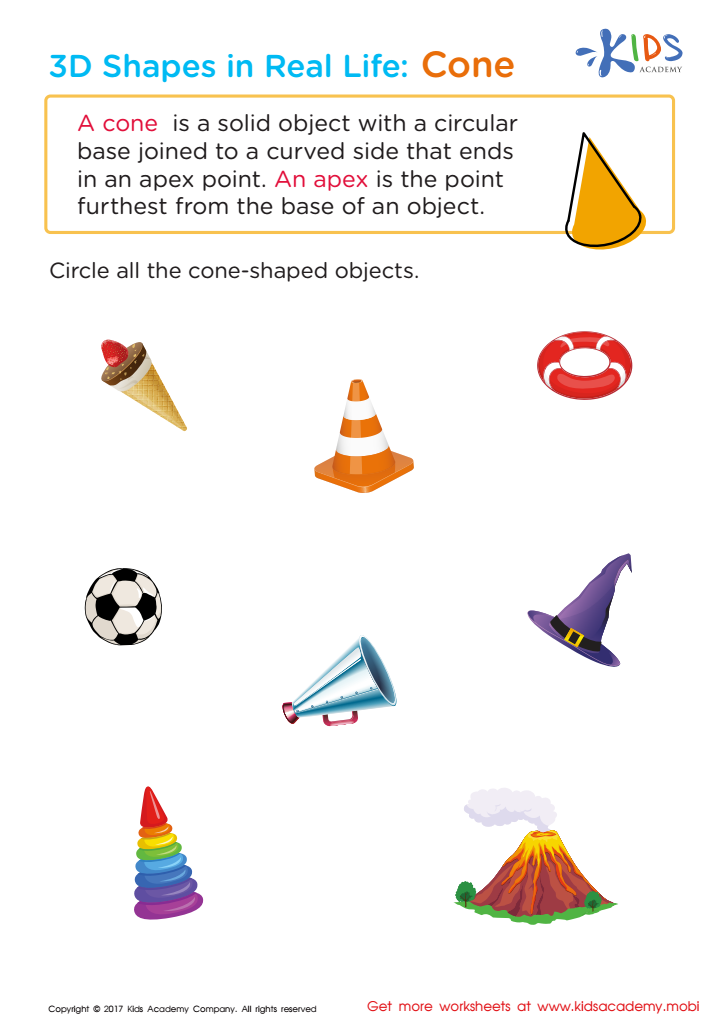
Shapes in Real Life: Cone Worksheet
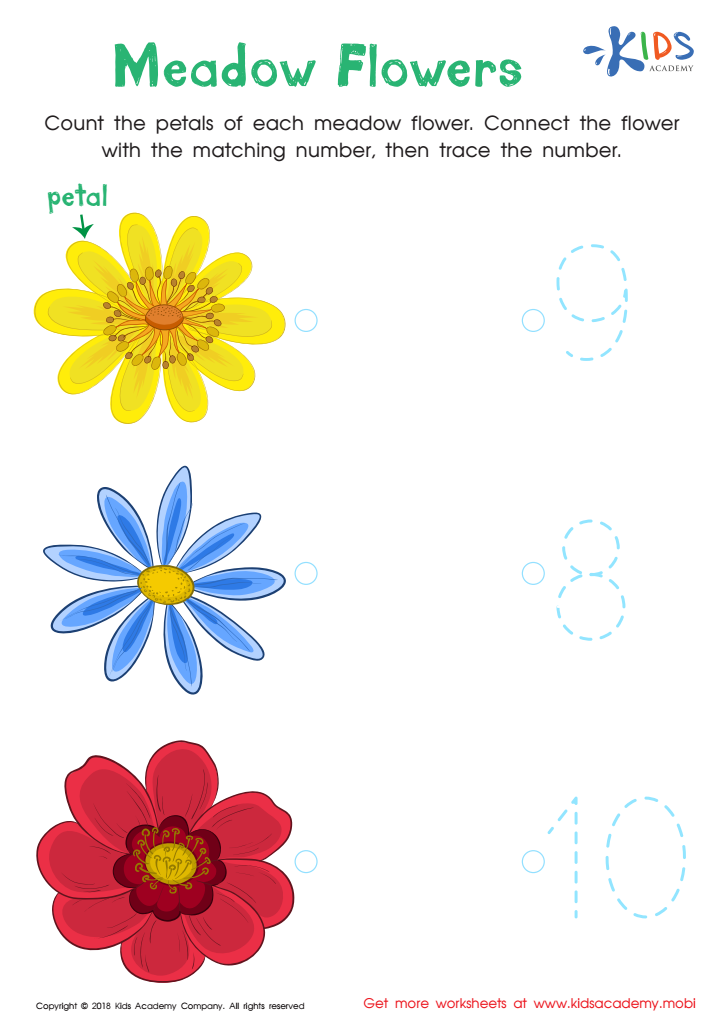
Kindergarten Number Tracing: Medow Flowers Worksheet








Handwriting skills and normal math proficiency are crucial for children aged 6-9 as they form the bedrock of their educational foundation. Handwriting is not just about legible script; it involves fine motor skills, hand-eye coordination, and cognitive processes like memory and concentration. When children develop good handwriting, they can focus more on content and less on how to form letters, leading to better academic performance across subjects.
Math skills at this age typically cover fundamental concepts such as addition, subtraction, multiplication, and division. Early comfort with these basics is essential for tackling more complex math problems in later grades. Proficiency in these areas nurtures logical thinking, problem-solving abilities, and helps manage daily tasks and responsibilities involving time, money, and measurement.
For teachers and parents, focusing on these skills can prevent future academic struggles. Proper guidance and support in handwriting and math underscore a child’s listening skills, attention to detail, and patience. These areas of learning are interlinked, as writing numbers clearly and keeping calculations organized directly impact mathematical accuracy and understanding. Nurturing these skills fosters confidence, encourages independent learning, and paves the way for cognitive development, ensuring a stronger educational journey ahead.








