Subtraction skills Normal Math Worksheets for Ages 6-9
7 filtered results
-
From - To
Enhance your child's subtraction skills with our expertly designed Normal Math Worksheets for ages 6-9. These engaging worksheets from Kids Academy focus on developing essential subtraction abilities through fun and challenging exercises. Our resources provide a range of activities that help young learners grasp the concept of subtraction, build confidence, and strengthen their math foundation. Perfect for classroom use or at-home study, these worksheets cater to different learning styles, ensuring every child can succeed. Foster a love for math and watch your child’s skills grow with our subtraction worksheets. Start your free download today!
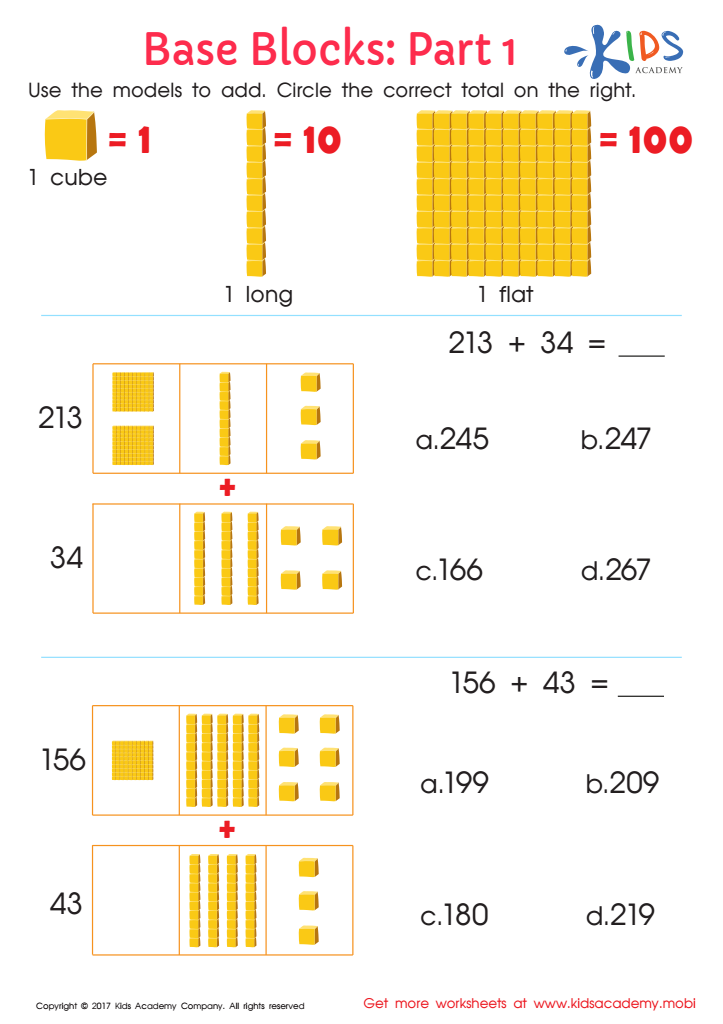
Base Ten Blocks Worksheet: Part 1
 Assign to My Students
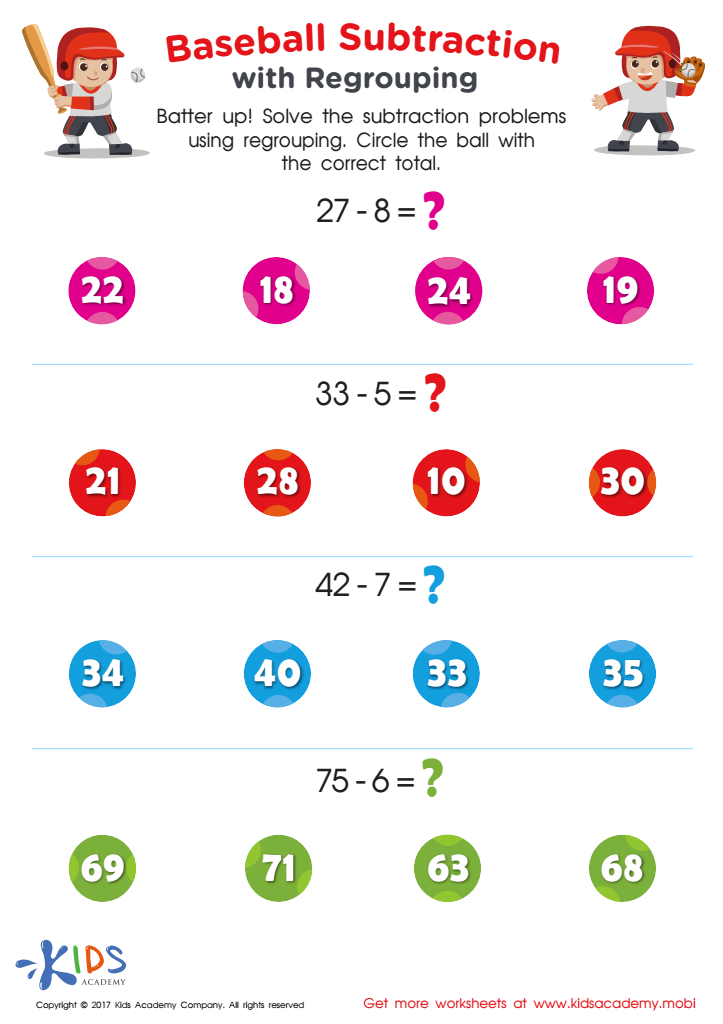
Subtraction With Regrouping for 2nd Grade Worksheet
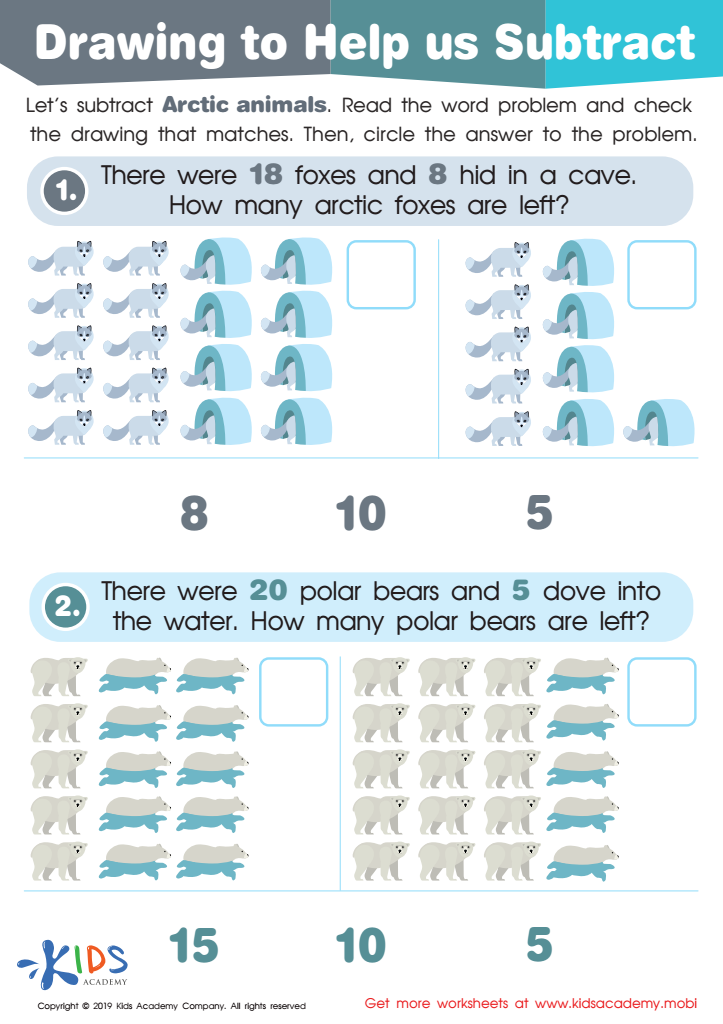
Drawing to Help Us Subtract Worksheet
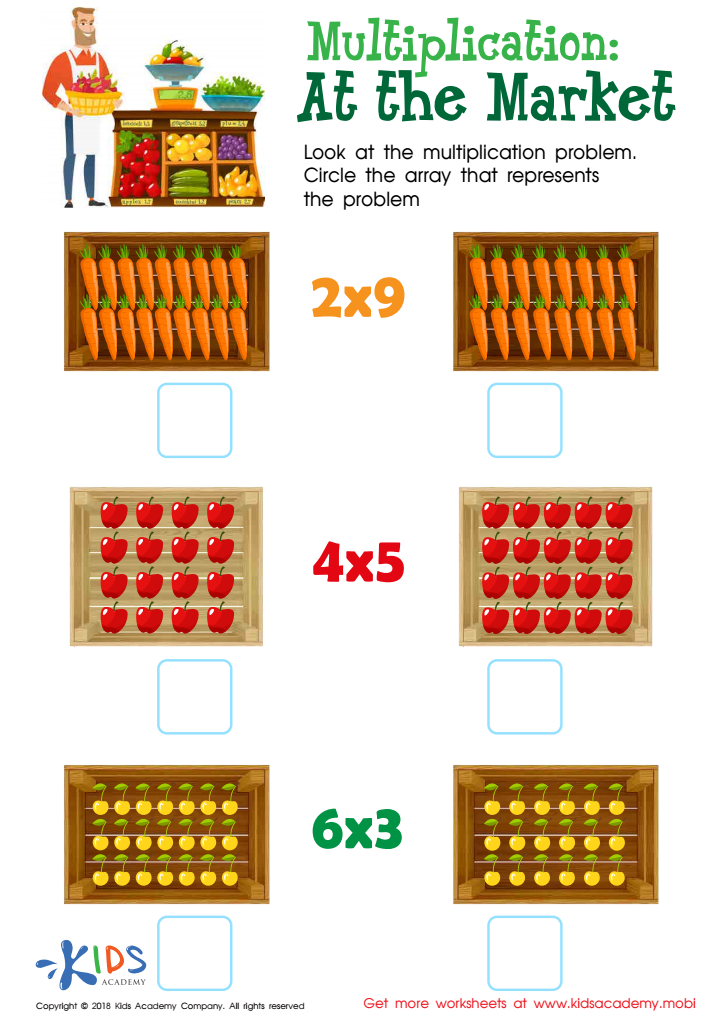
At the Market Worksheet
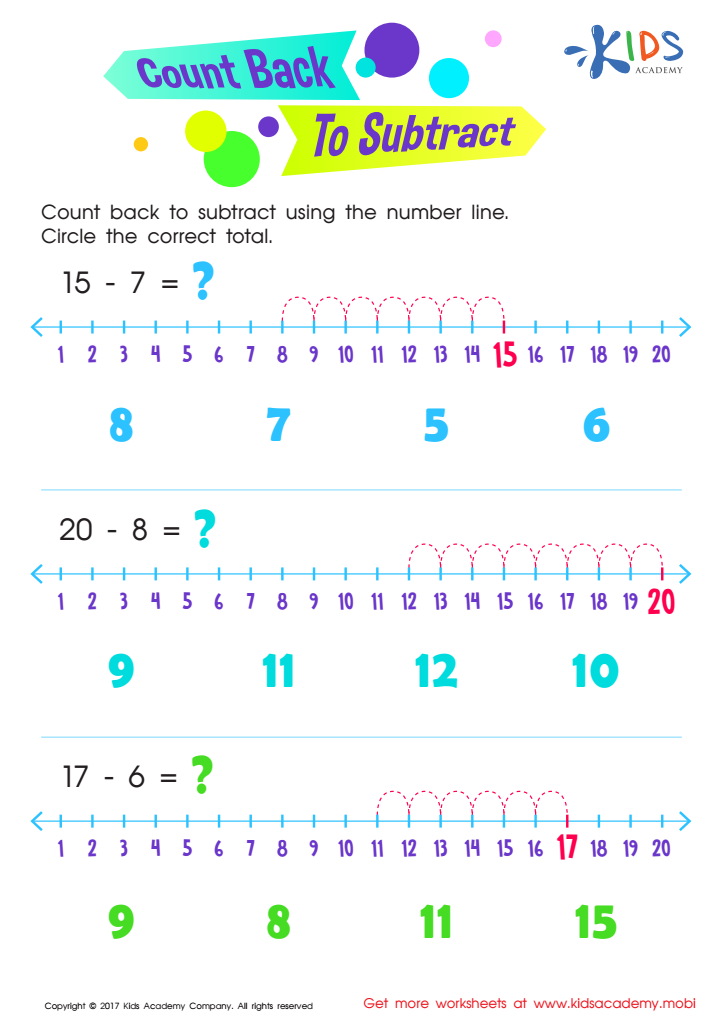
Count Back to Subtract Substraction Worksheet
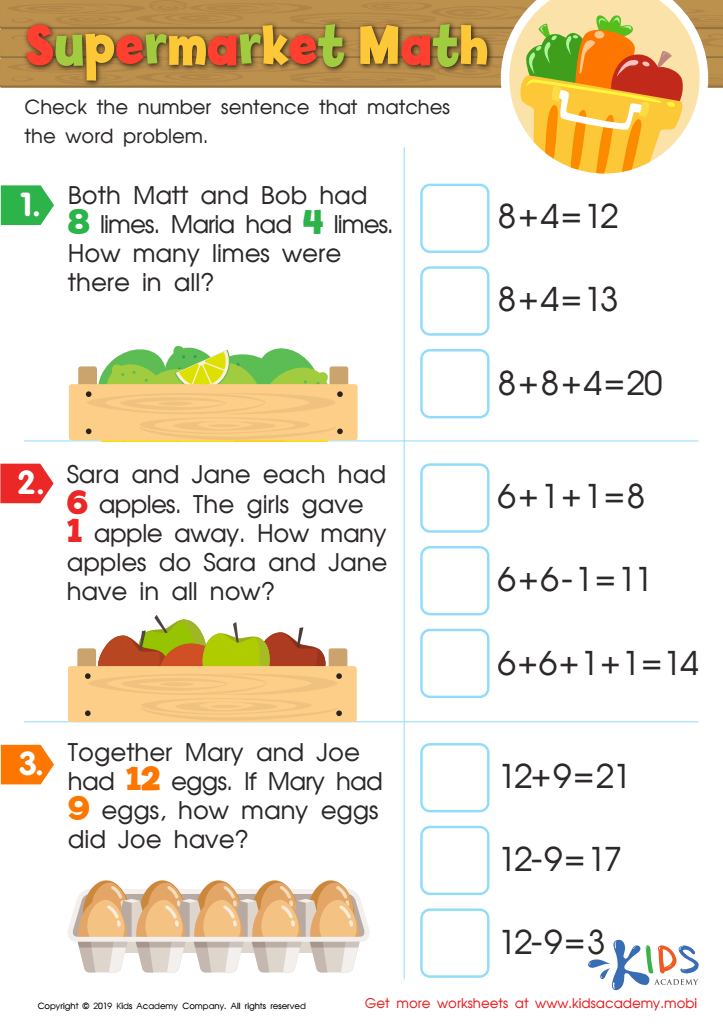
Supermarket Math Worksheet
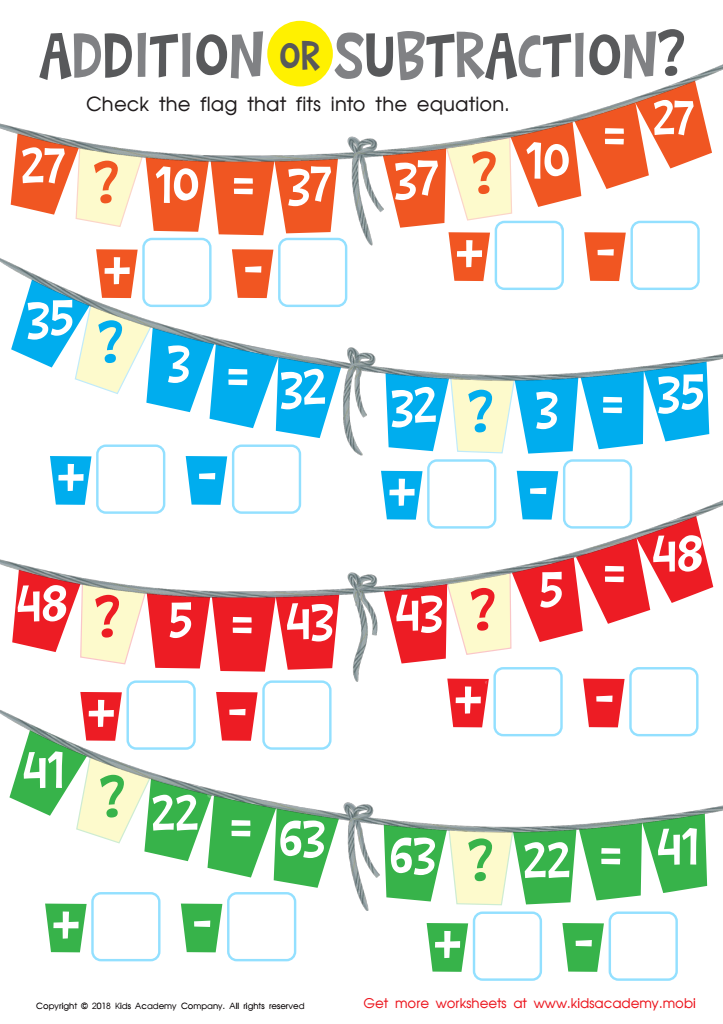
Addition or Subtraction? Worksheet








It is crucial for parents and teachers to focus on developing subtraction skills in children aged 6-9 for several compelling reasons. First and foremost, subtraction is one of the fundamental building blocks of mathematics. It forms a crucial part of a child's numeracy, helping them to understand that amounts can be taken away just as easily as added. Proficiency in subtraction enhances problem-solving skills and logical thinking, essential attributes not just in math but across all subjects and real-life scenarios.
Subtraction also supports the development of more advanced mathematical concepts such as multiplication, division, and fractions. When children master early subtraction skills, they are better prepared for these future challenges. Furthermore, confidence in their ability to subtract can significantly boost a child's overall self-esteem in math, reducing anxiety and promoting a positive attitude towards learning.
In addition to cognitive benefits, strong subtraction skills are necessary for everyday activities. They use subtraction to count money, determine time, and understand measurements, thus equipping them with practical tools for daily life.
Lastly, involving parents in this learning process creates a supportive learning environment. Understanding the necessity of subtraction gives caregivers the opportunity to incorporate simple mathematical discussions into daily life, making learning a continuous and relatable experience, which is crucial during these formative years.








