Understanding shapes Normal Math Worksheets for Ages 6-9
3 filtered results
-
From - To
Discover our "Understanding Shapes Normal Math Worksheets" designed for children ages 6-9! These engaging worksheets encourage young learners to explore and identify various shapes through fun and interactive activities. Perfect for reinforcing essential geometry skills, our resources help students recognize shapes in everyday objects, enhancing their visual perception and reasoning skills. Classes can benefit from differentiated exercises catering to various learning styles, ensuring that every child stays motivated and excited about math. Unleash your child's creativity and critical thinking by integrating shape recognition into their daily learning routine with these comprehensive worksheets, available for easy download and printing!
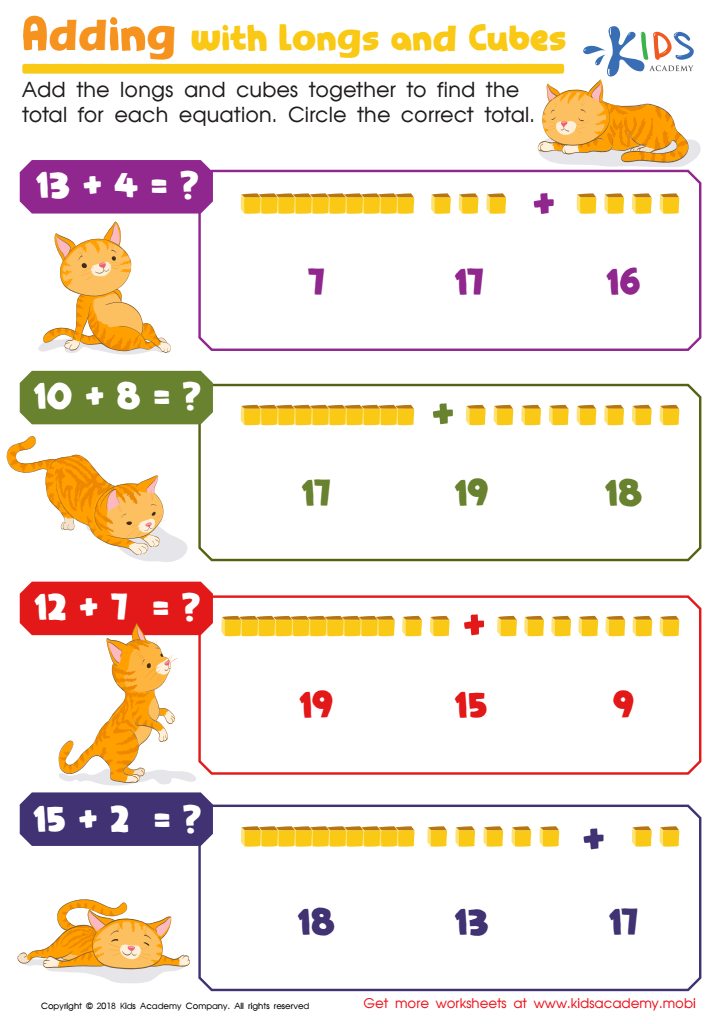
Adding With Longs and Cubes Worksheet
 Assign to My Students
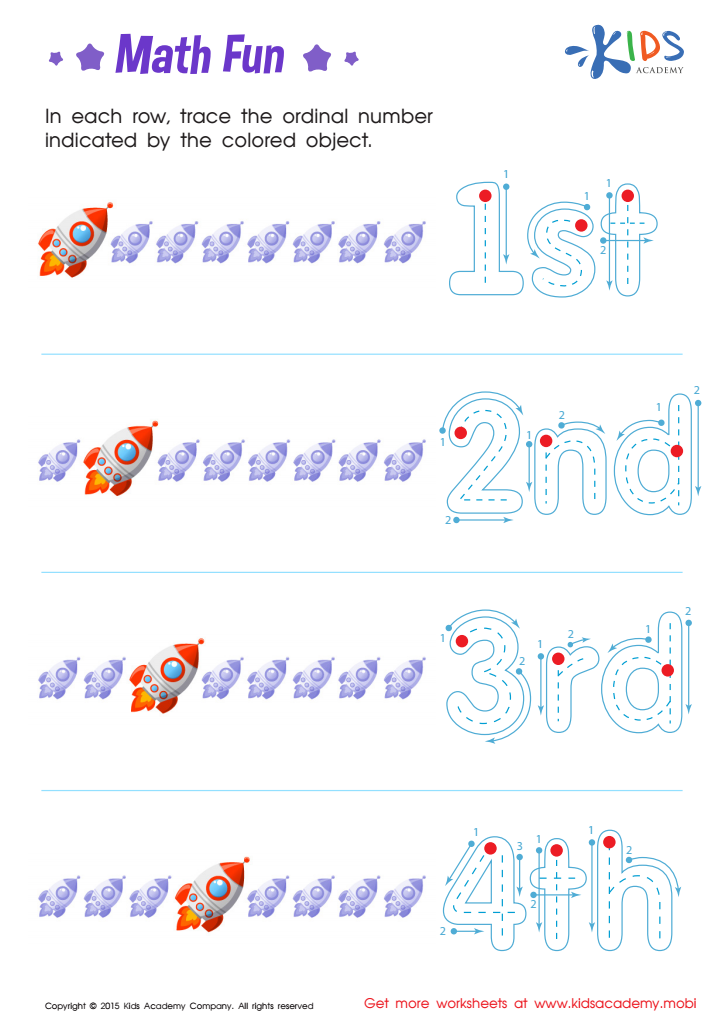
Ordinal Numbers: Math Fun Worksheet
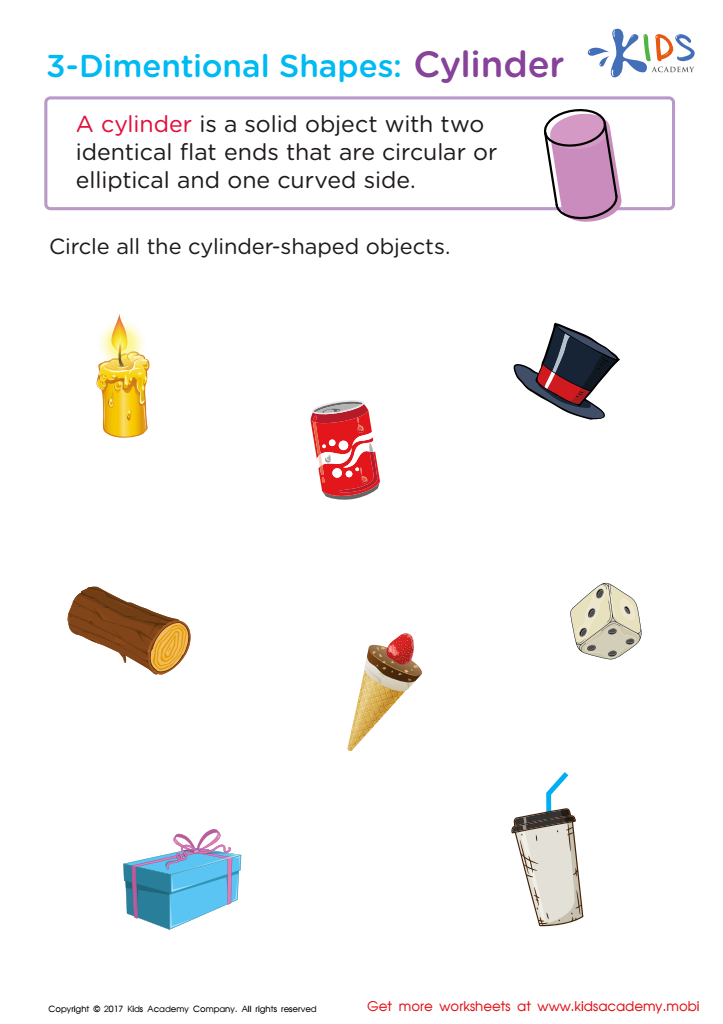
Three–Dimensional Shapes: Cylinder Worksheet







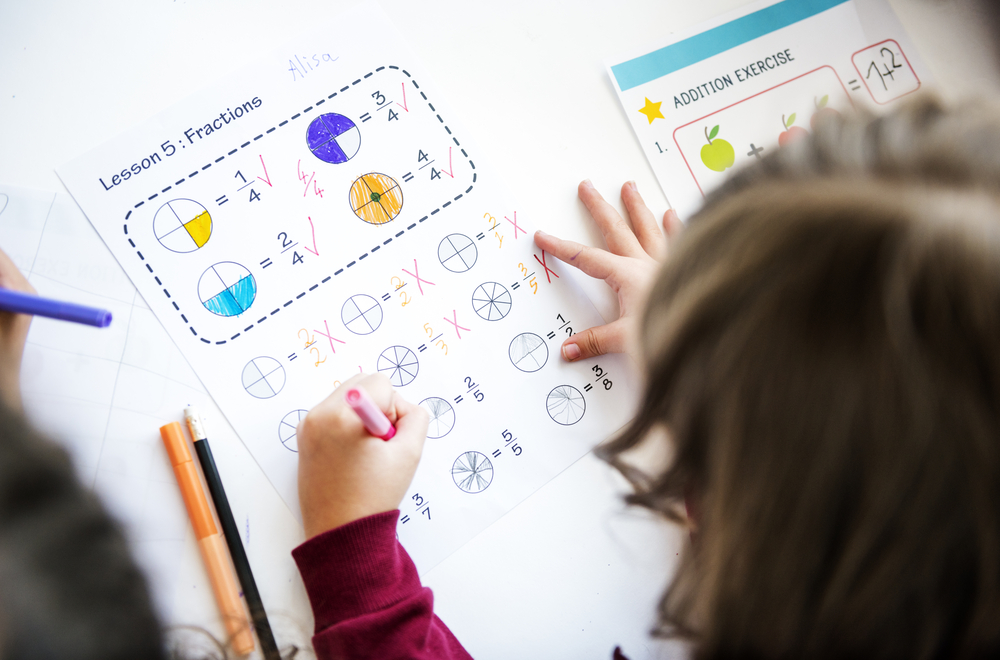
Understanding shapes in mathematics is crucial for children aged 6-9 because it forms the foundation for many essential skills. At this developmental stage, learners are not only developing artistic abilities but are also honing their critical thinking and spatial awareness. Recognizing and working with shapes enhances geometric understanding, which is vital later in more advanced math topics, fostering a positive attitude towards math.
Furthermore, shape knowledge supports real-world applications, as children encounter geometry in everyday life—such as identifying objects, organizing spaces, and even in tasks like building or cooking. When parents and teachers engage in activities centered around shape exploration, they encourage broader cognitive skills including problem-solving and creativity.
With a strong grasp of shapes, children also develop their ability to categorize and classify, laying the groundwork for future learning in measurement, area, and volume. Importantly, an engaging approach to shapes can ignite curiosity and a love for learning, making math more approachable. Thus, prioritizing understanding shapes in the curriculum ensures that children are better prepared for future academic challenges while helping them grasp the world around them more intuitively. Ultimately, parents and teachers play a key role in enriching a child's mathematical journey during these formative years.








