Problem-Solving Skills Normal Building Vocabulary Worksheets for Ages 6-9
7 filtered results
-
From - To
Discover our engaging "Problem-Solving Skills Normal Building Vocabulary Worksheets" designed specifically for children ages 6-9. These worksheets merge fun and learning, enhancing essential vocabulary while nurturing problem-solving abilities. Tailored to spark young minds, they cover age-appropriate words through interactive activities, puzzles, and reading passages. This balanced blend of education supports critical thinking and improves language skills, making learning enjoyable. Ideal for use at home or in the classroom, these worksheets are your key to unlocking your child's full potential. Help your child build a solid vocabulary foundation and problem-solving prowess today!
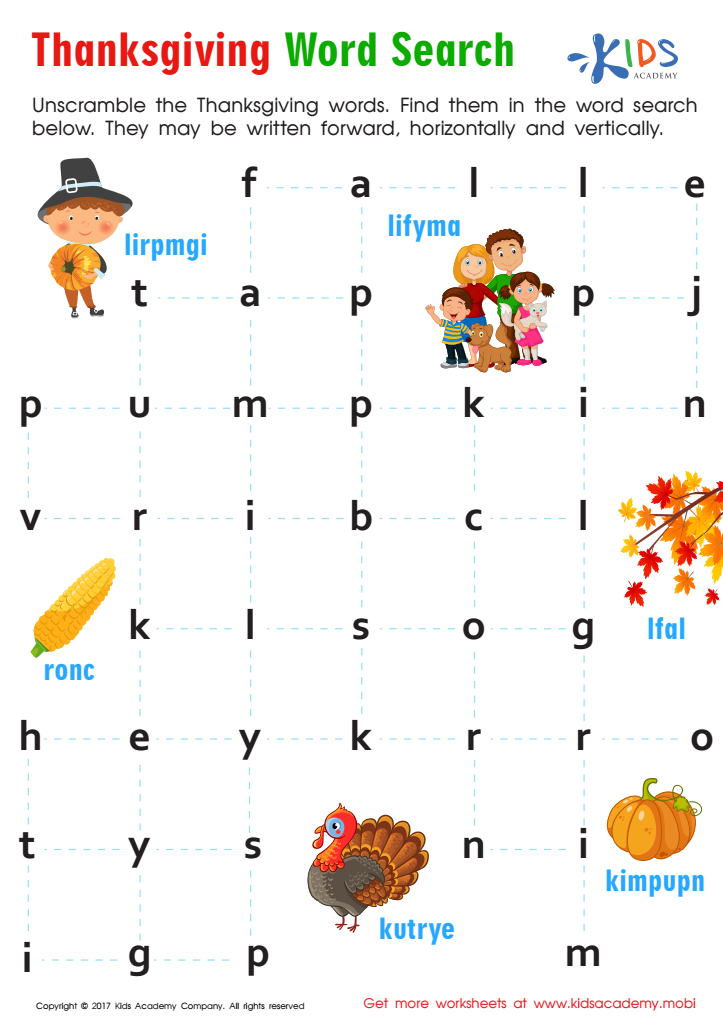
Thanksgiving Word Search Sight Words Worksheet
 Assign to My Students











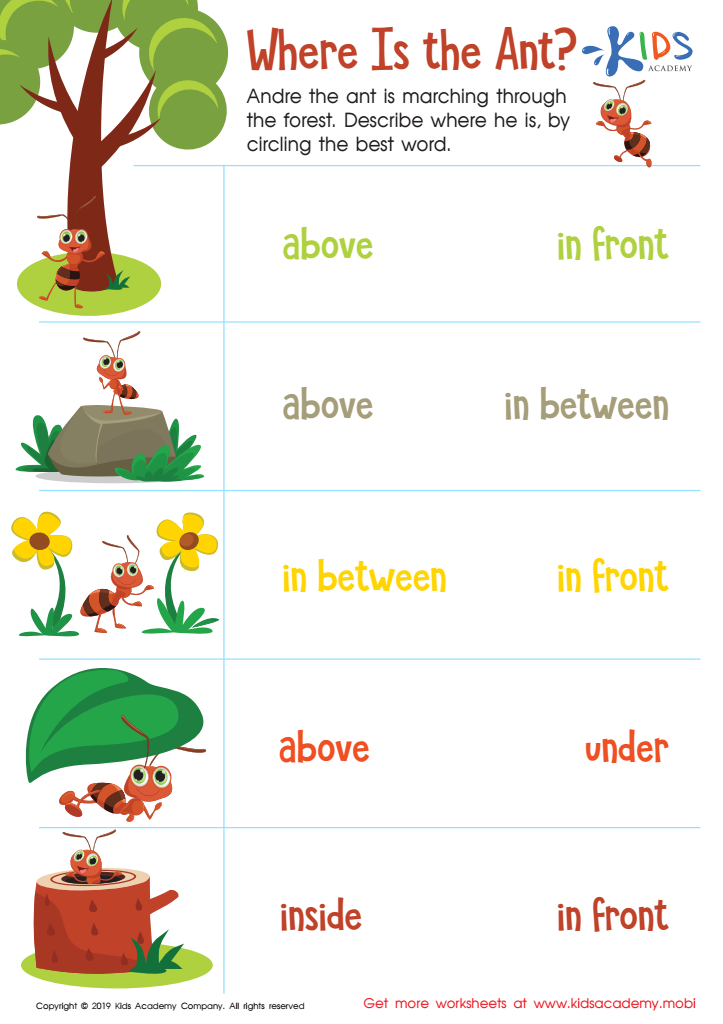
Where Is the Ant? Worksheet
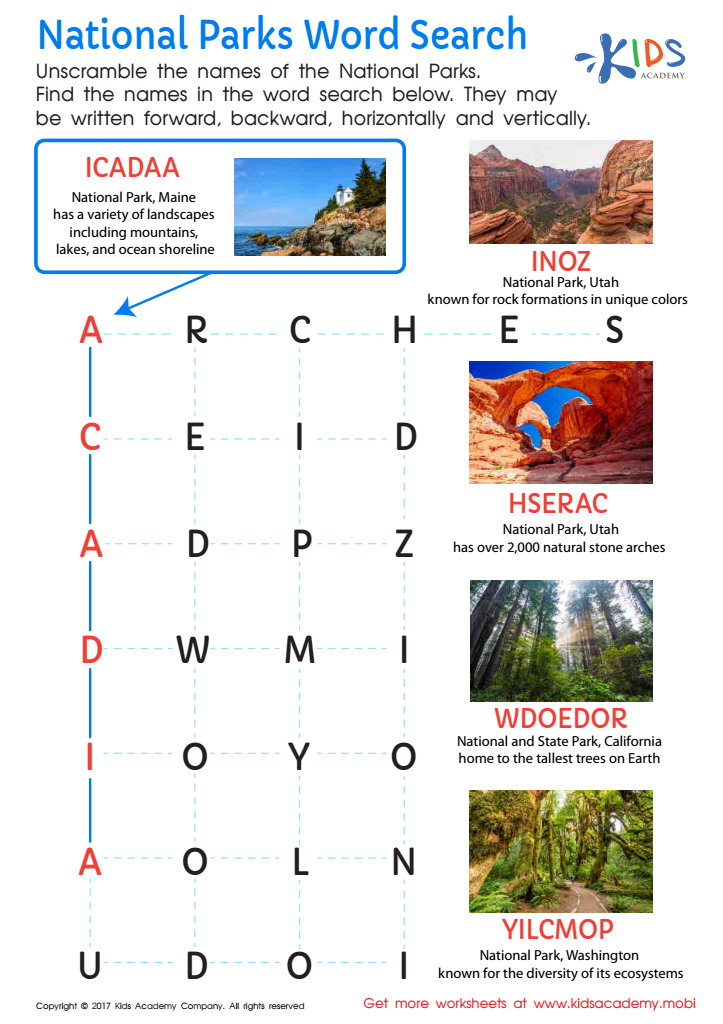
National Parks Word Search Worksheet
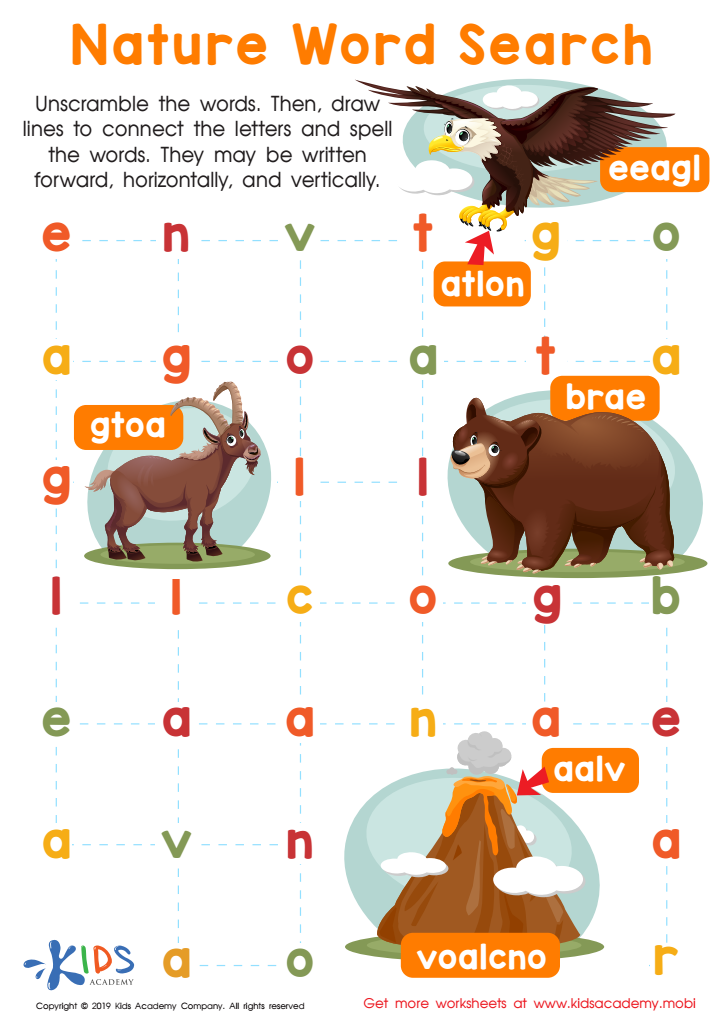
Nature Word Search Worksheet
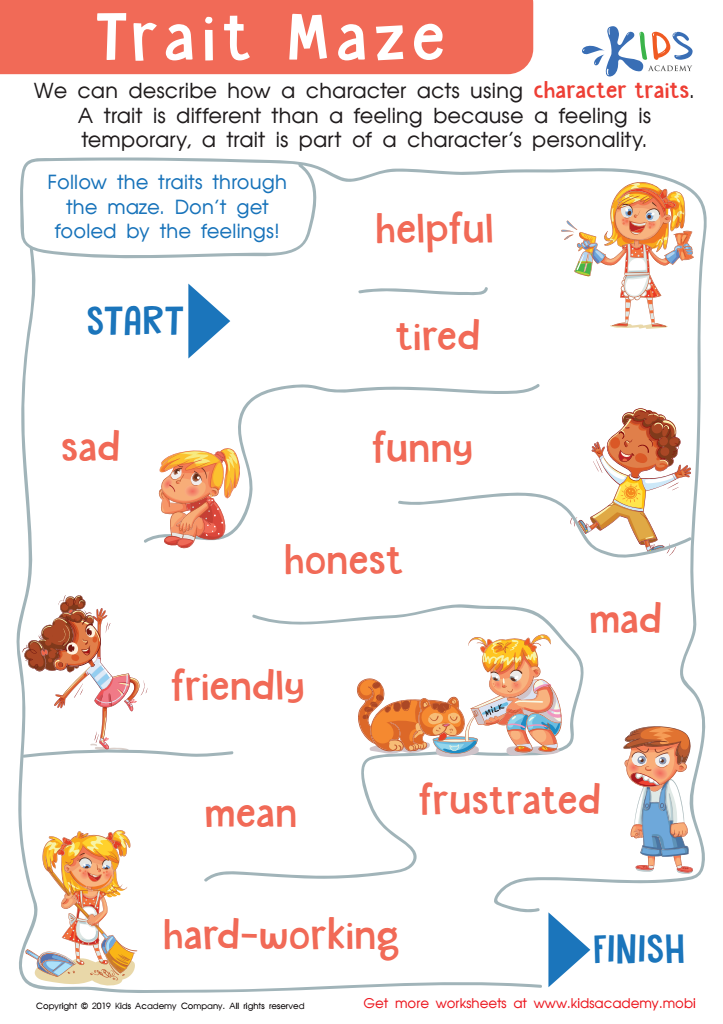
Trait Maze Worksheet
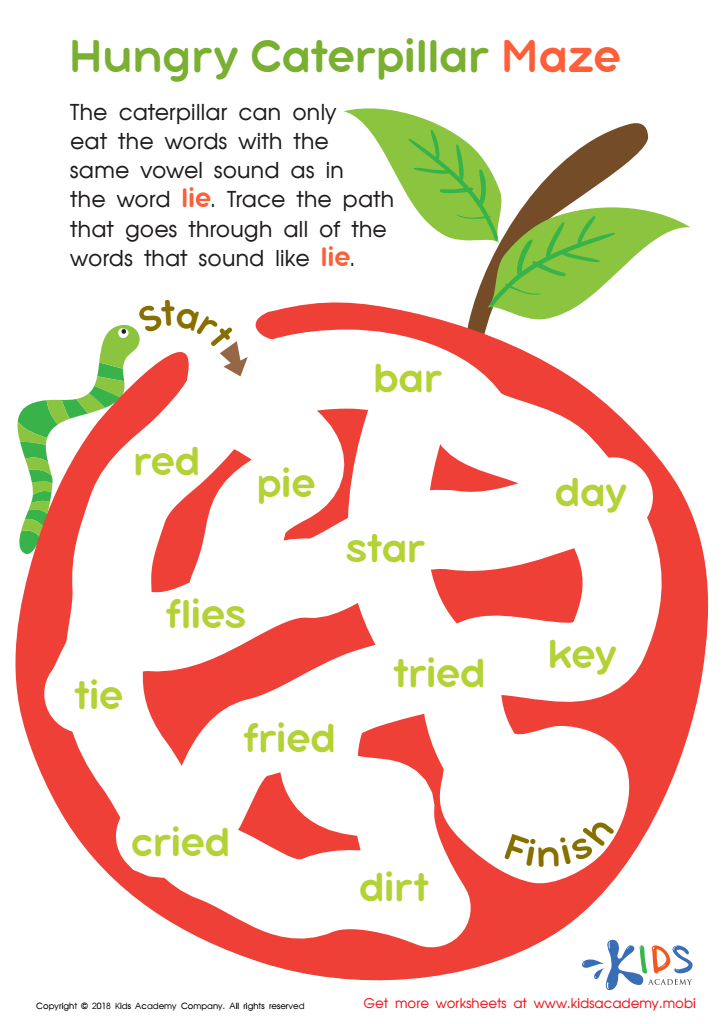
Hungry Caterpillar Maze Worksheet
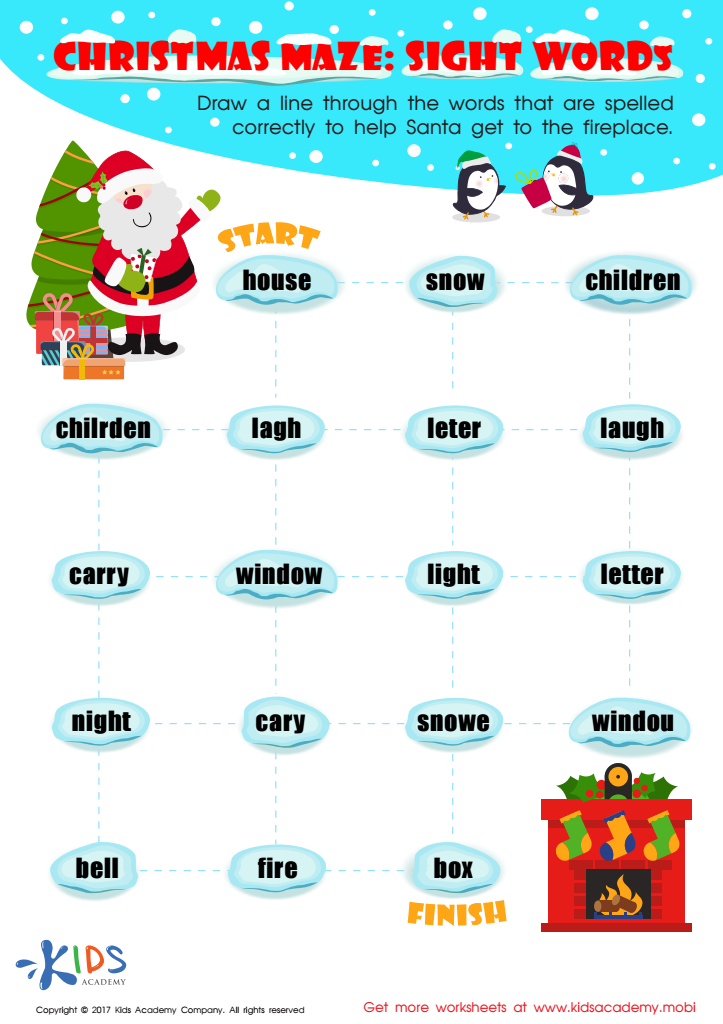
Sight Words Christmas Maze Printable








Building problem-solving skills and vocabulary for children ages 6-9 is fundamental for their cognitive and social development. At this stage, kids experience rapid growth in their thinking abilities and begin to explore the world more independently. By nurturing problem-solving skills, parents and teachers empower children to approach challenges methodically, fostering resilience and critical thinking. These skills are essential as they form the foundation for more complex reasoning and adaptive thinking needed in later life.
Simultaneously, expanding a child’s vocabulary is equally important. A robust vocabulary enhances communication skills, allowing children to express their thoughts, feelings, and ideas more effectively. It also underpins reading comprehension and academic achievement, as well-read children are better able to understand and process complex concepts across all subjects. When children are equipped with a wide range of words, they can articulate problems more clearly and devise better solutions, thus linking vocabulary development directly to problem-solving proficiency.
Therefore, parents and teachers should prioritize these areas to cultivate well-rounded, confident, and capable learners. Activities such as engaging in complex play, reading diverse books, and involving children in discussions can significantly boost their problem-solving capabilities and expand their vocabulary, paving the way for future success in both academic and real-life scenarios.








