Filters

79 filtered results

Clear all filters
Favorites
With answer key
Interactive

79 filtered results

Difficulty Level

Grade


Check out this FREE Trial Lesson on Reading for age 6-9!

Illustrations in a Text

Favorites
With answer key
Interactive
  • 6-9
  • Vocabulary enhancement
  • Reading
  • Normal
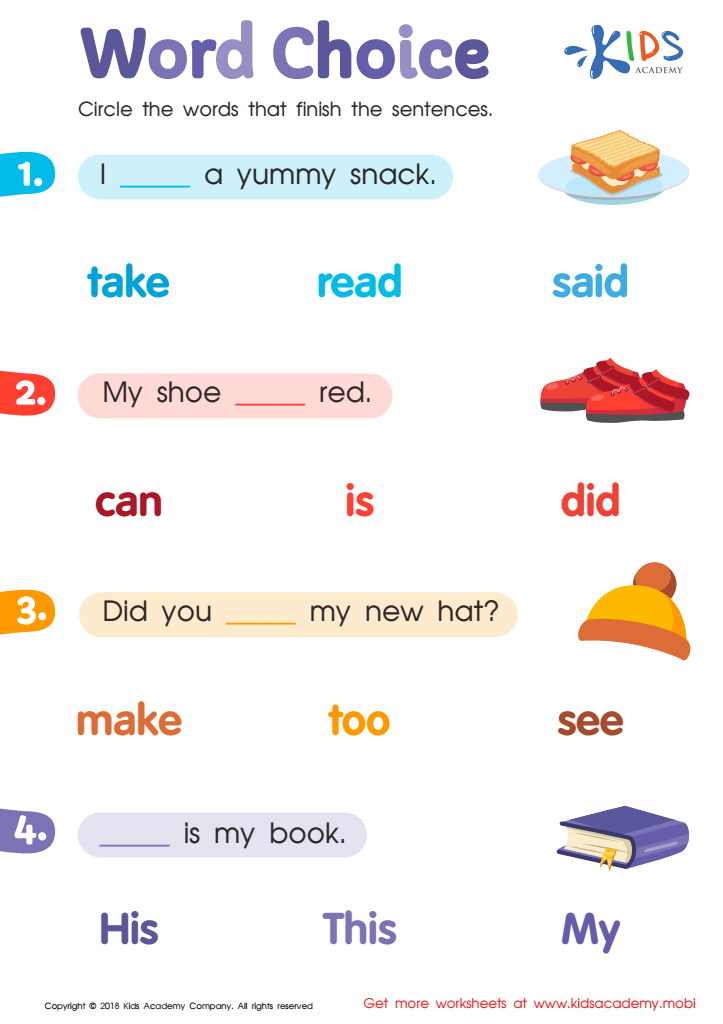
Word Choice Worksheet

Word Choice Worksheet

This worksheet can help your children become better readers. By now, you should have an idea of their reading level. Read the incomplete sentences aloud and point to the missing piece. Have your students pick the correct word they think best fits the sentence out of the options given.
Word Choice Worksheet
Worksheet
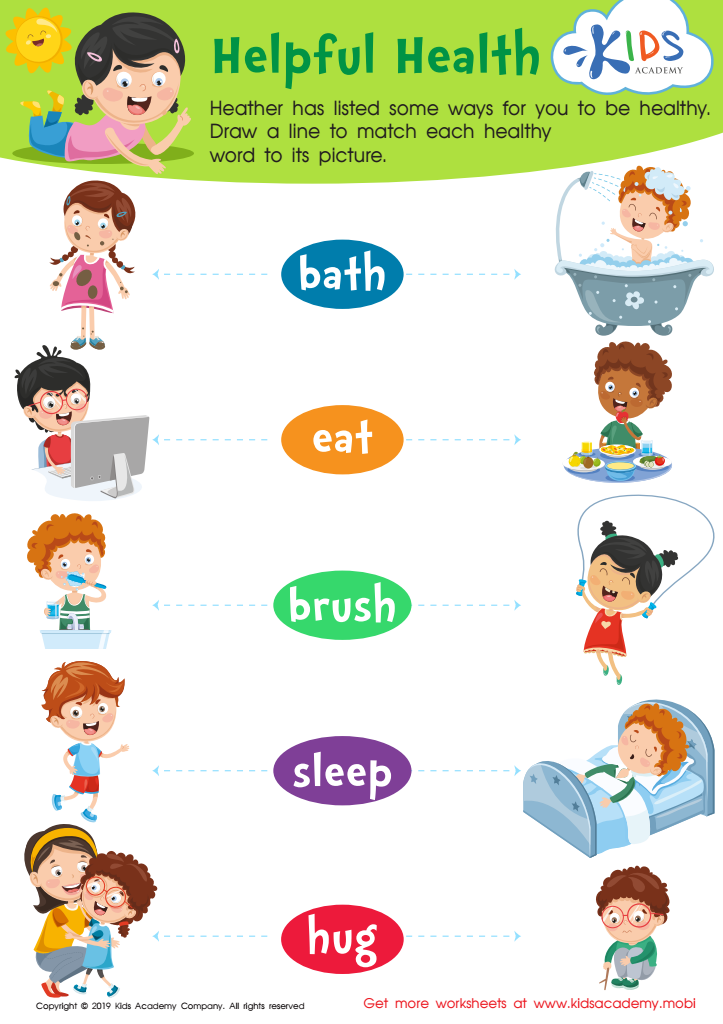
Helpful Health Worksheet

Helpful Health Worksheet

Kids can learn healthy habits with this free worksheet! With their pal Heather, they'll trace lines to connect health words with pictures like brushing teeth, hugging, and getting enough sleep. It's a great way to help young ones understand healthy activities.
Helpful Health Worksheet
Worksheet
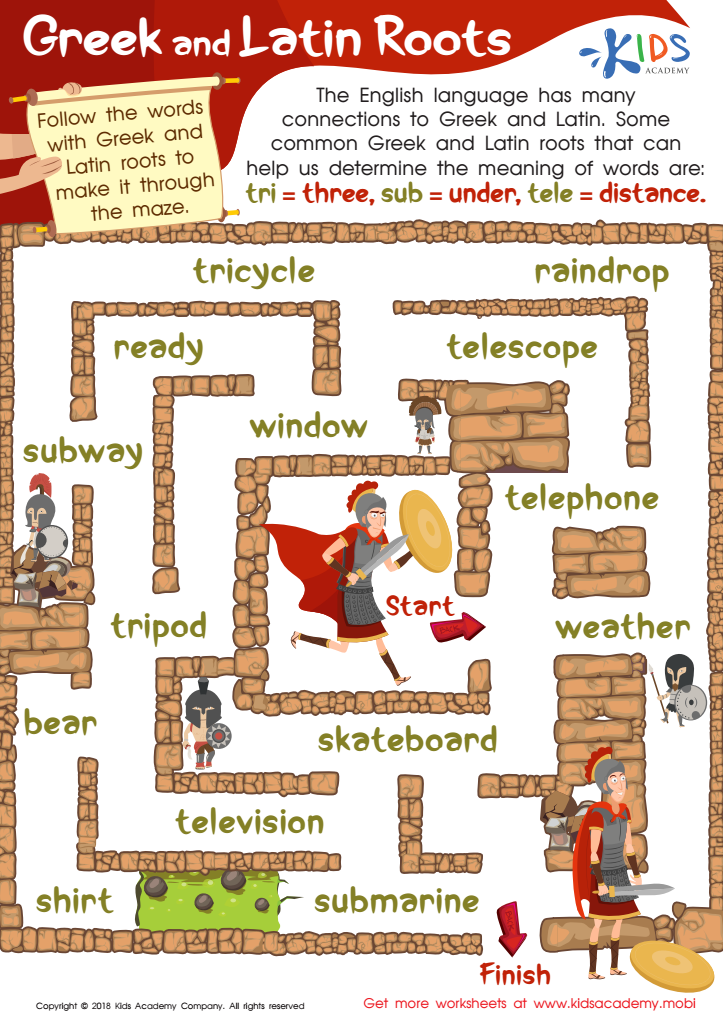
Greek and Latin Roots Worksheet

Greek and Latin Roots Worksheet

English borrows lots of words from other languages, and it has many ties to Greek and Latin. For example, 'tri', 'sub' and 'tele' (all from Greek and Latin) mean 'three', 'under' and 'distance' respectively. Help your child understand the meanings of words by having them work through a maze with words from these languages.
Greek and Latin Roots Worksheet
Worksheet
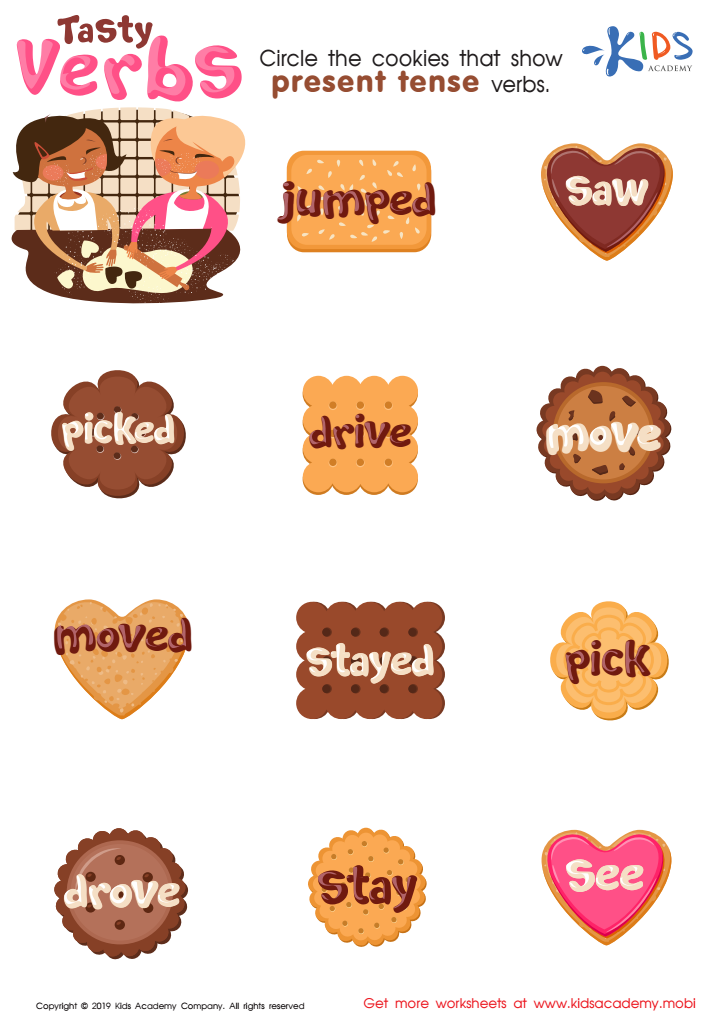
Tasty Verbs Worksheet

Tasty Verbs Worksheet

Verbs can show actions, past events, and future happenings. Master present tense verbs with this cookie-themed worksheet! Read the verbs on each cookie and help kids form sentences using the word in present tense. Circle the correct answers for each cookie. Give them a tasty treat while learning something new!
Tasty Verbs Worksheet
Worksheet
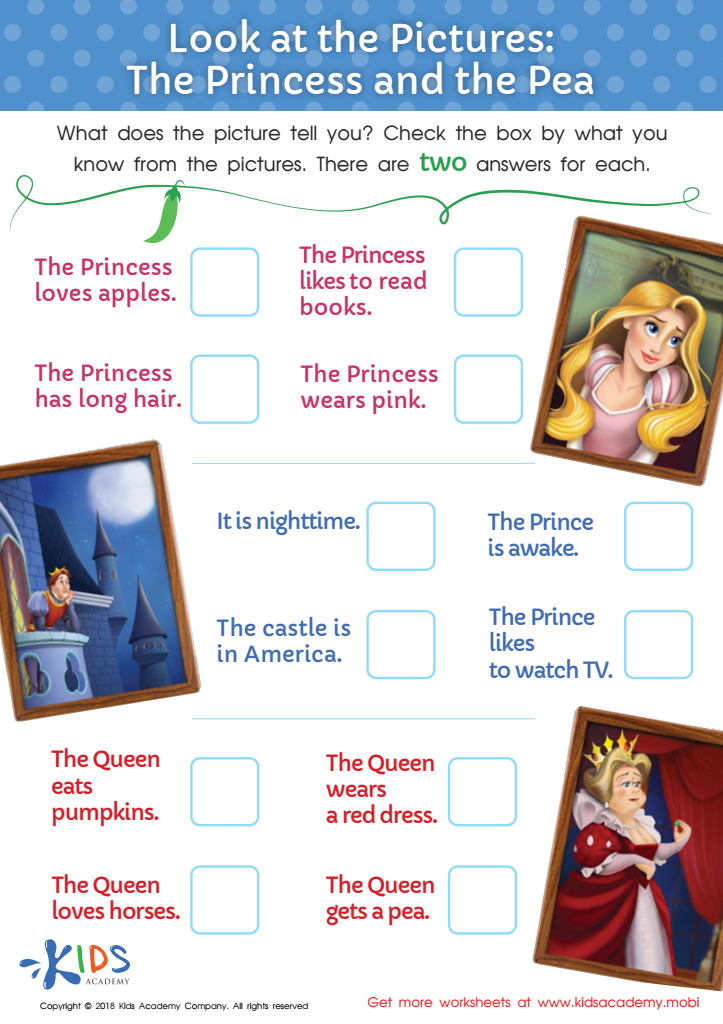
Look at the Pictures: The Princess and the Pea Worksheet

Look at the Pictures: The Princess and the Pea Worksheet

Early readers can benefit from picture clues to understand stories and text. Looking at images helps them learn the meaning of words and comprehend events. Use this worksheet on The Princess and the Pea to let students observe and learn from the pictures. It's a great way to help them comprehend early reading materials.
Look at the Pictures: The Princess and the Pea Worksheet
Worksheet
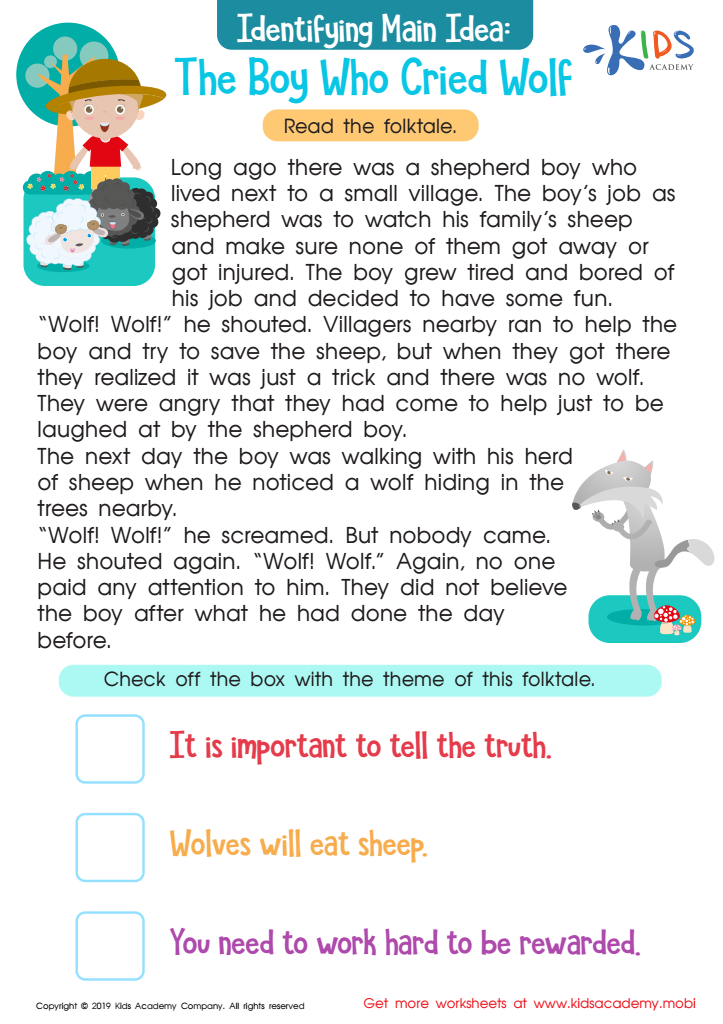
The Boy Who Cried Wolf Part 2 Worksheet

The Boy Who Cried Wolf Part 2 Worksheet

Kids love story time - no doubt they know their favorites! This worksheet tells a story with a theme or main idea. Read it carefully with your kids and ensure they understand every word. Then, help them answer the simple questions at the bottom of the page.
The Boy Who Cried Wolf Part 2 Worksheet
Worksheet
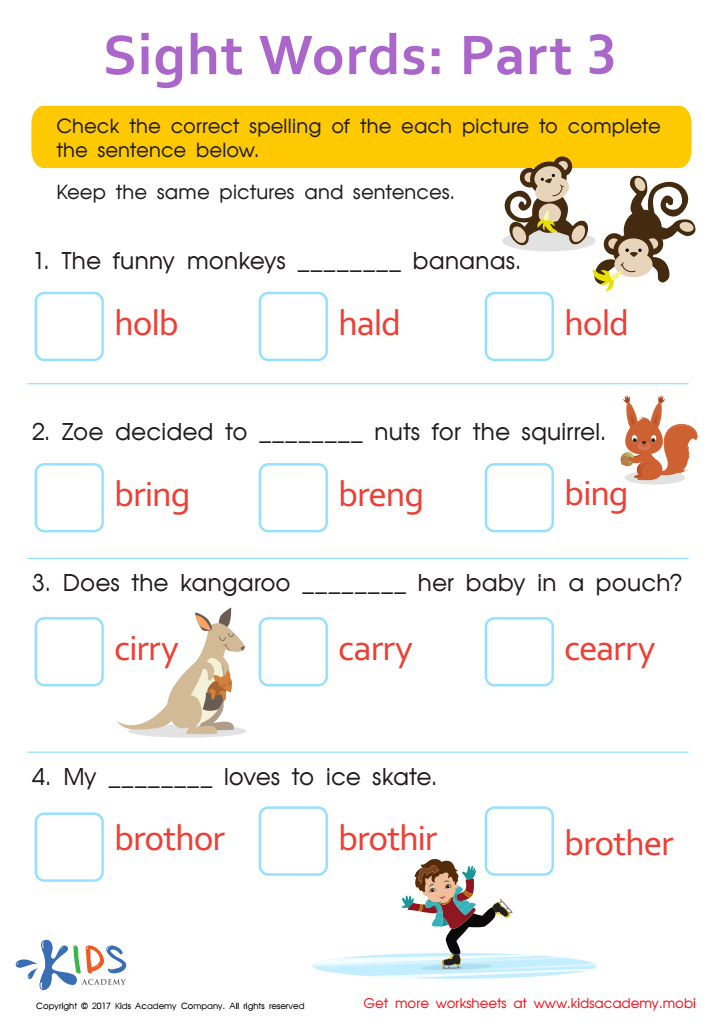
Sight Words Worksheet: Hold, Bring, Carry, Brother

Hold, Bring, Carry, Brother Sight Words Worksheet

This sight words worksheet has fun illustrations to engage kids. They must read each sentence, then fill in the missing word, selecting from: hold, bring, carry, brother!
Hold, Bring, Carry, Brother Sight Words Worksheet

Worksheet


... 3 4

Parents and teachers should prioritize vocabulary enhancement for children ages 6-9 because this developmental stage is critical for language acquisition and literacy skills. During these years, children are transitioning from learning to read to reading to learn, and a robust vocabulary serves as the foundation for comprehension and communication.

Enhanced vocabulary not only helps children understand what they read but also enriches their experiences and expressions in everyday conversations. Building a wide-ranging vocabulary improves writing skills, promotes critical thinking, and allows children to articulate their thoughts and feelings more effectively.

Moreover, strong vocabulary skills are closely linked to academic success across subjects. Children with a rich vocabulary are better equipped to tackle complex texts and concepts in science, math, and social studies. Additionally, proficiency in vocabulary increases self-esteem and confidence, encouraging children to participate actively in discussions and broader learning environments.

Furthermore, vocabulary enhancement fosters cultural understanding and awareness. By exposing children to diverse words and phrases, educators and parents can cultivate empathy and appreciation for different perspectives. In an increasingly interconnected world, strong communication skills rooted in vocabulary will help them navigate their social and academic landscapes with ease and competence.