Counting practice Normal Science Worksheets for Ages 6-9
4 filtered results
-
From - To
Explore our engaging Counting Practice Normal Science Worksheets designed for children ages 6 to 9! These worksheets blend science concepts with essential counting skills, making learning enjoyable and interactive. Kids will dive into fun activities that involve counting objects, matching numbers to quantities, and solving simple problems related to science themes. Each worksheet not only helps enhance mathematical abilities but also sparks curiosity about the natural world. Perfect for classroom use or at-home practice, our resources support young learners in developing their numeracy skills while fostering a love for science. Download now and watch your child thrive in both subjects!
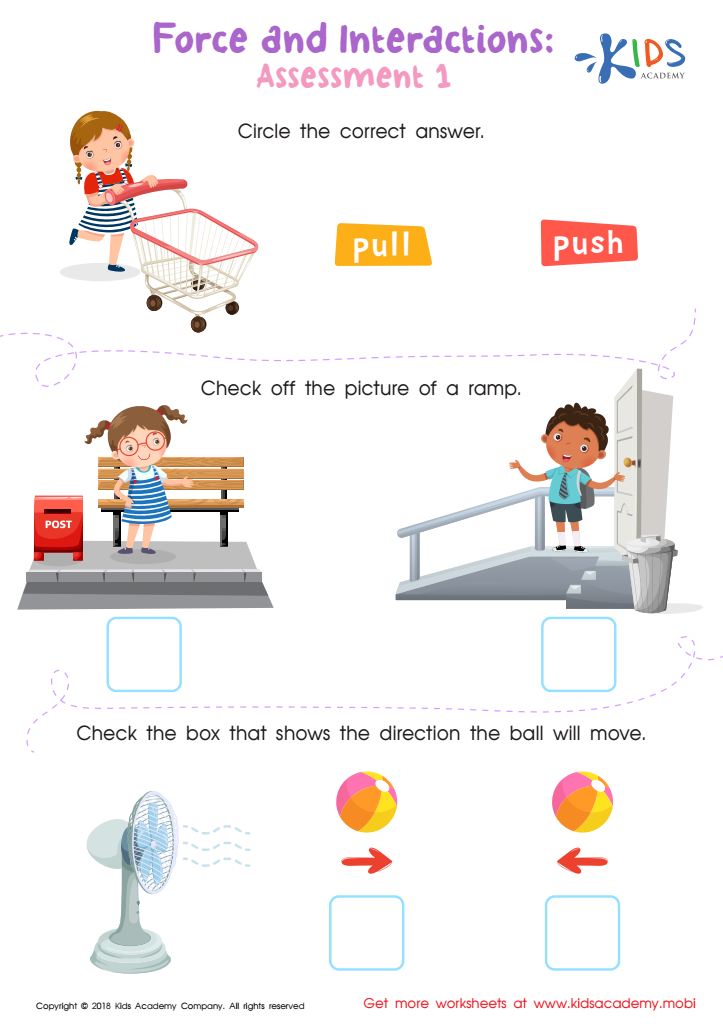
Force and Interactions: Assessment 1 Worksheet
 Assign to My Students
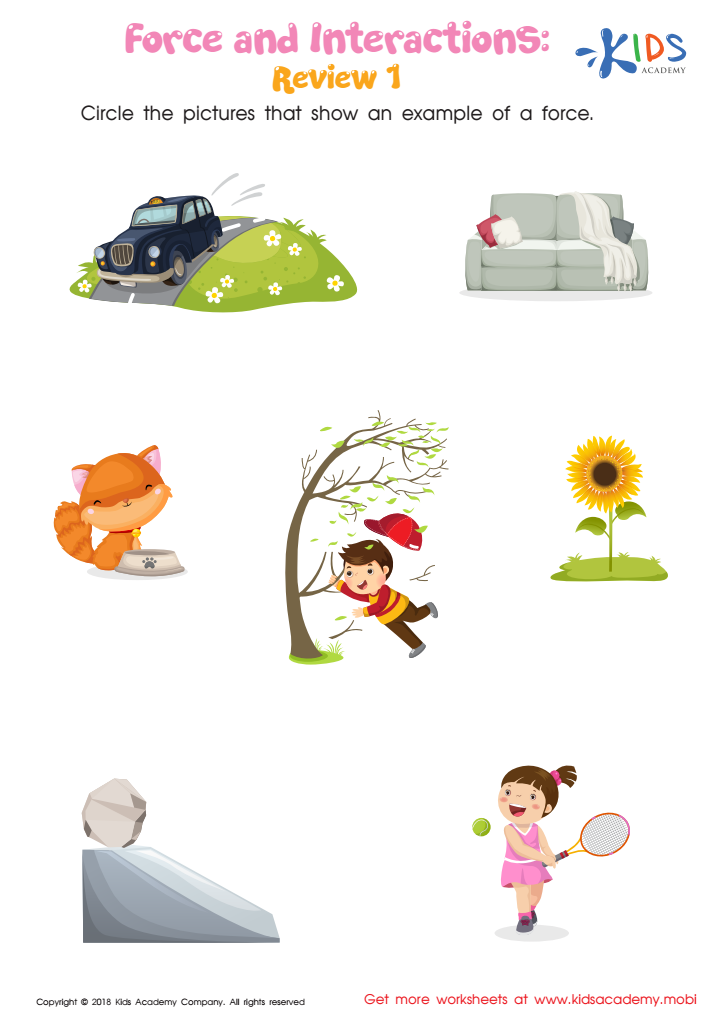
Force and Interactions: Review 1 Worksheet
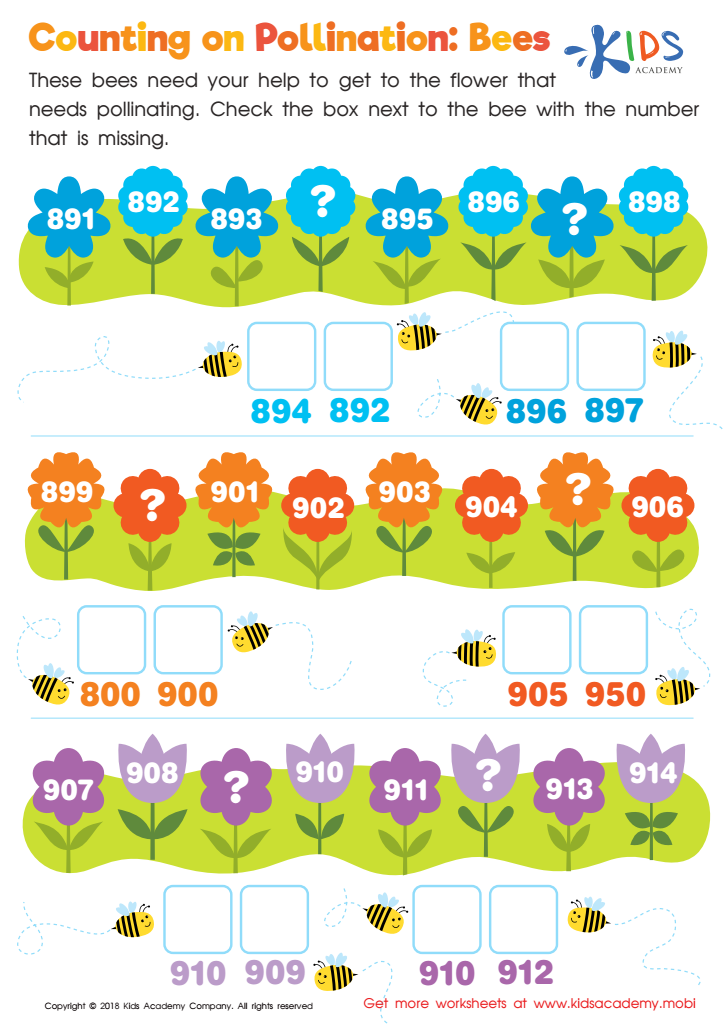
Counting on Pollination: Bees Worksheet
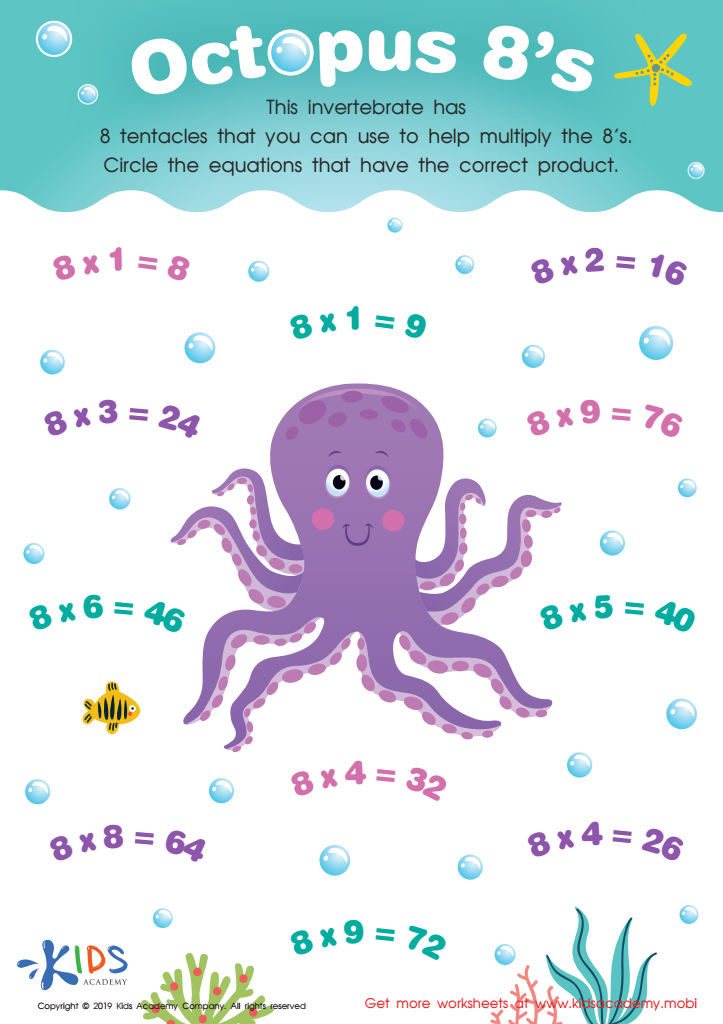
Octopus 8’s Worksheet




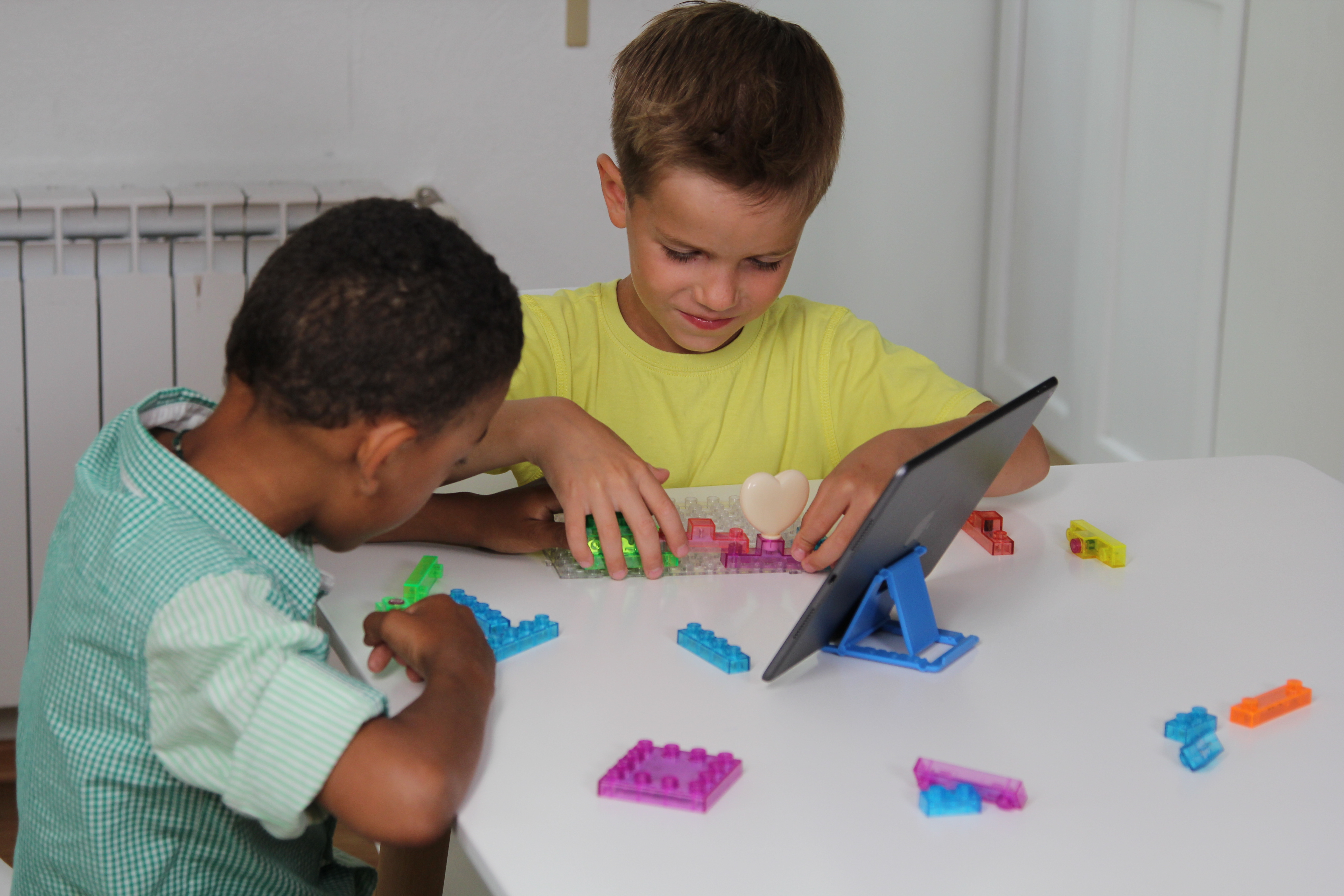


Counting practice is crucial for children ages 6-9 as it lays the foundation for their future mathematical understanding. During this period, children solidify their number sense, which influences their ability to perform operations like addition, subtraction, multiplication, and division later on. Normal Science, a method that emphasizes natural inquiry, employs counting in hands-on activities that enhance both cognitive and social skills.
Parents and teachers should prioritize counting practices because they cater to children's developmental needs. During ages 6-9, children are in a critical stage of learning where they are curious, eager to explore, and willing to ask questions. By integrating counting into engaging activities, such as measuring objects, counting natural materials, and participating in games, children can experience math in a rhythmic and engaging manner, transforming what might seem like rote memorization into fun learning experiences.
Moreover, these activities promote problem-solving skills and foster teamwork as kids often work together in groups. Understanding numbers and counting is not just about numerical skills; it fosters critical thinking and helps children make sense of the world. Ultimately, a strong grasp of counting nurtures a healthy attitude towards math and prepares them for more complex concepts ahead, setting them up for future academic success.







