Problem-Solving Skills Normal Our Planet and Environment Worksheets for Ages 6-9
5 filtered results
-
From - To
Explore our collection of Problem-Solving Skills Worksheets focused on Our Planet and Environment, designed specifically for children aged 6-9. These engaging printable worksheets from Kids Academy help young learners understand the importance of environmental conservation while honing their critical thinking and problem-solving abilities. Each activity is crafted to spark curiosity about the natural world, encouraging kids to explore topics like recycling, pollution, and ecosystems. Interactive tasks ensure an entertaining learning experience, fostering a lifelong appreciation for our environment. Equip your child with essential skills through fun and educational worksheets that promote environmental awareness and analytical thinking.
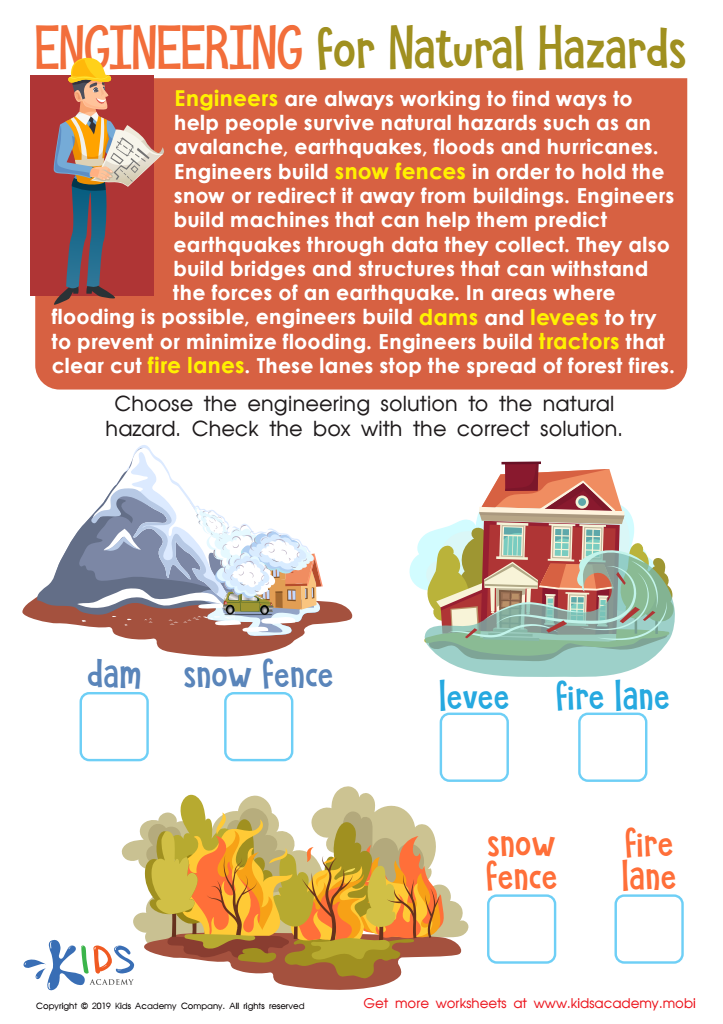
Engineering Natural Hazards Worksheet
 Assign to My Students
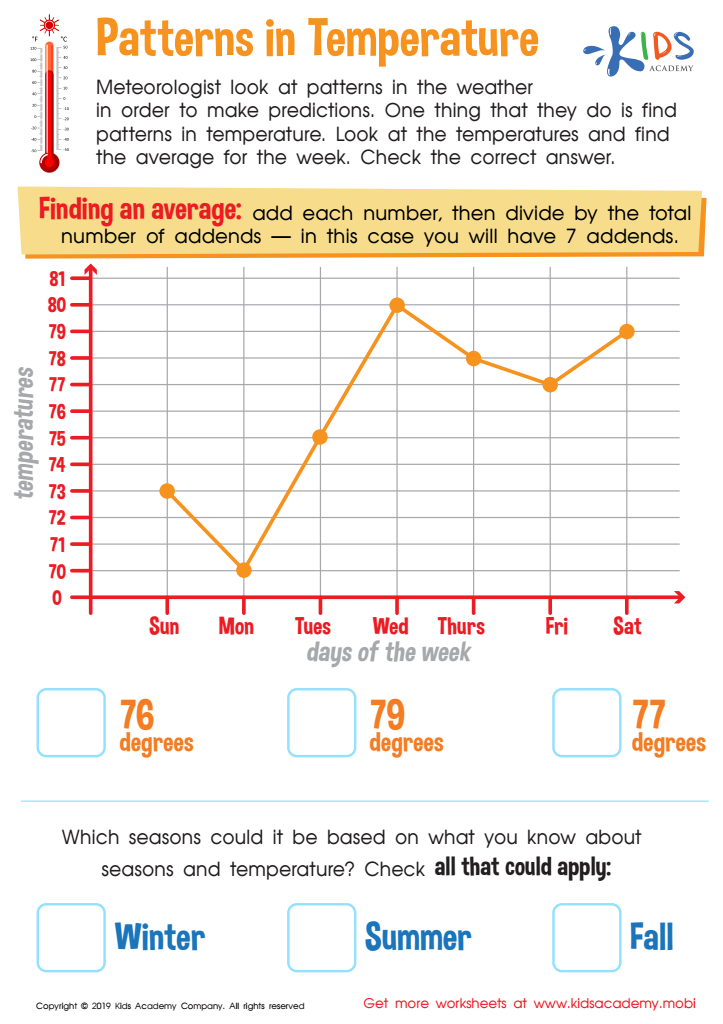
Patterns in Temperature Worksheet
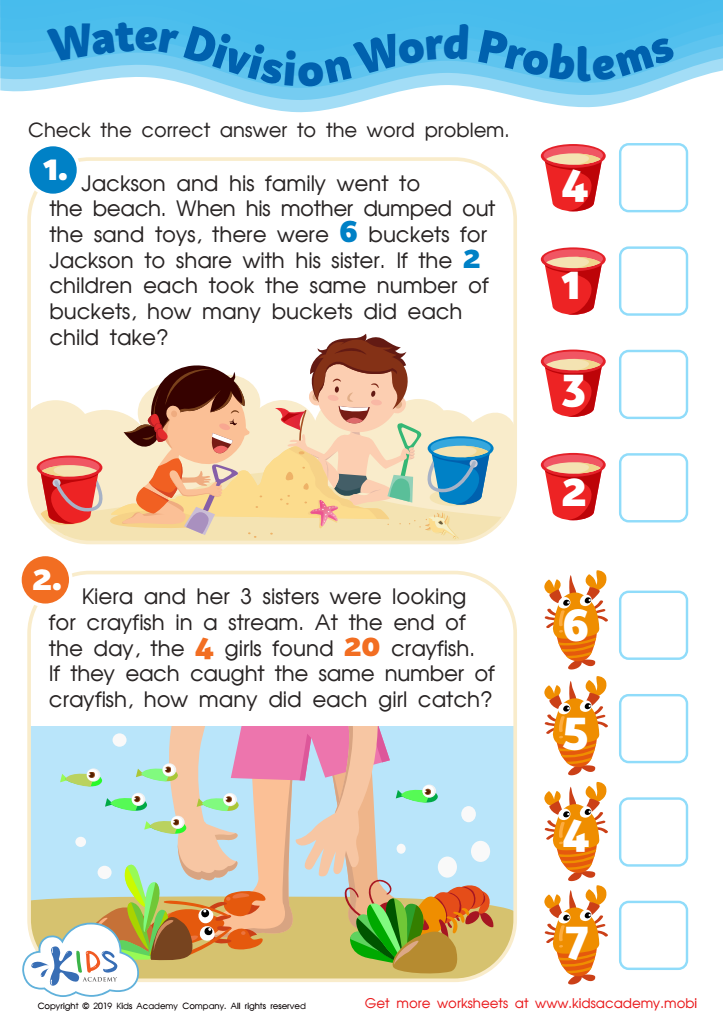
Water Division Word Problems Worksheet
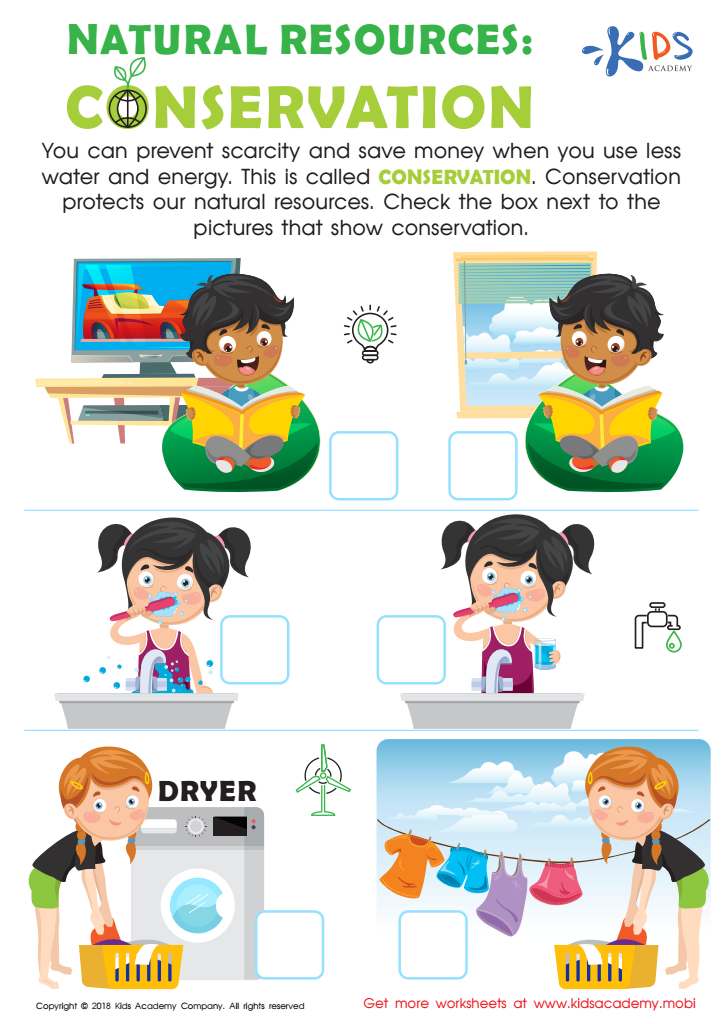
Natural Resources: Conservation Worksheet
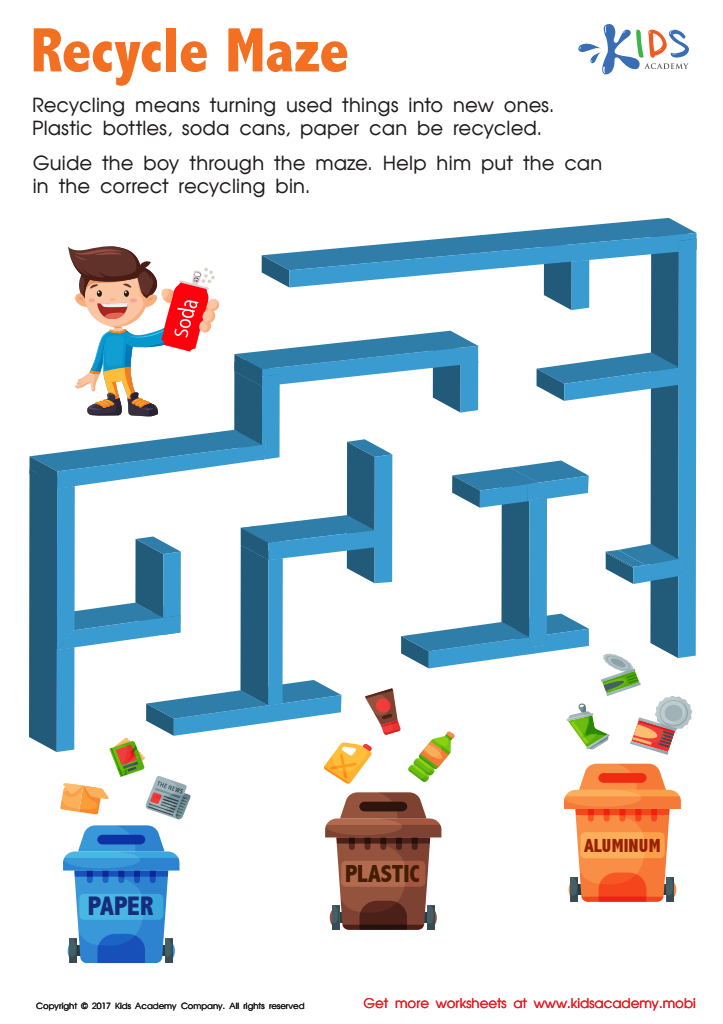
Recycle Maze Worksheet



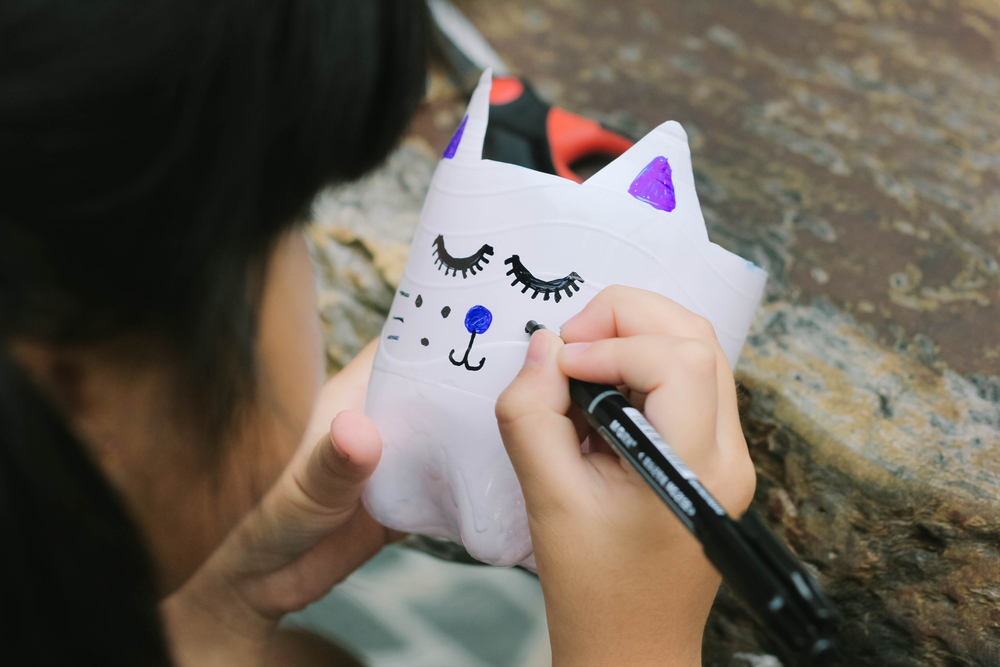

Parents and teachers should emphasize problem-solving skills and environmental awareness for children aged 6-9 because these are critical building blocks for their future. Problem-solving skills foster cognitive development, critical thinking, and independence. When children encounter challenges, they learn to strategize, experiment, and persevere, promoting resilience and adaptability. These capabilities are crucial not just academically, but in all aspects of life.
Incorporating lessons about our planet and the environment at an early age instills a sense of responsibility and respect for nature. Children who learn about environmental issues, such as recycling, conserving water, and protecting wildlife, are more likely to develop sustainable habits. This foundational understanding helps create conscientious adults who prioritize the health of our planet.
Integrating problem-solving with environmental education can make learning more engaging and practical. For instance, solving age-appropriate tasks like organizing a classroom recycling program or identifying ways to save energy at school can meld these skills together. Kids become active learners who see the direct impact of their actions, enhancing both their personal growth and contribution to a healthier, more sustainable world.
By prioritizing these skills, parents and teachers equip children with the tools they need to navigate and contribute positively to an increasingly complex and environmentally-challenged world.







