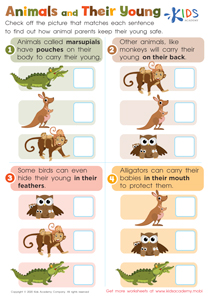
Vocabulary expansion Normal Plants Worksheets for Ages 6-9
3 filtered results
-
From - To
Boost your child's vocabulary with our engaging Normal Plants Worksheets designed specifically for ages 6-9! These interactive worksheets help young learners explore the fascinating world of plants while enhancing their language skills. Each activity encourages children to identify, describe, and relate to different plant life, enriching their vocabulary with essential scientific terms. Perfect for at-home learning or classroom use, these worksheets ensure an enjoyable experience that combines education with creativity. Promote language development and a love for science as children discover the beauty and diversity of plants. Start your vocabulary expansion journey today!
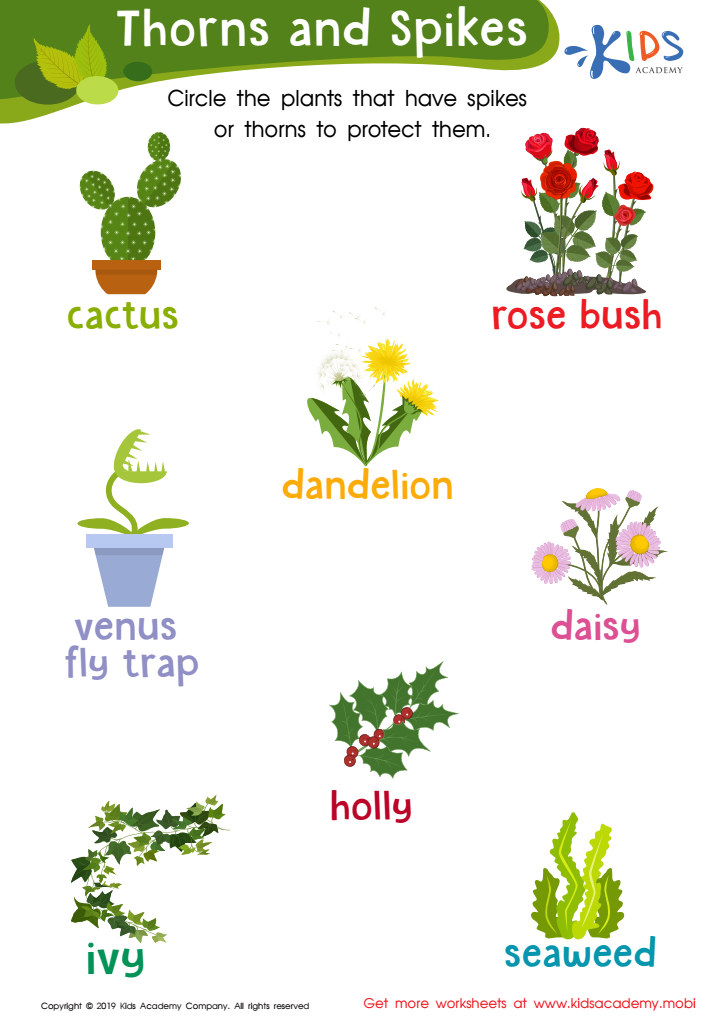
Thorns and Spikes Worksheet
 Assign to My Students





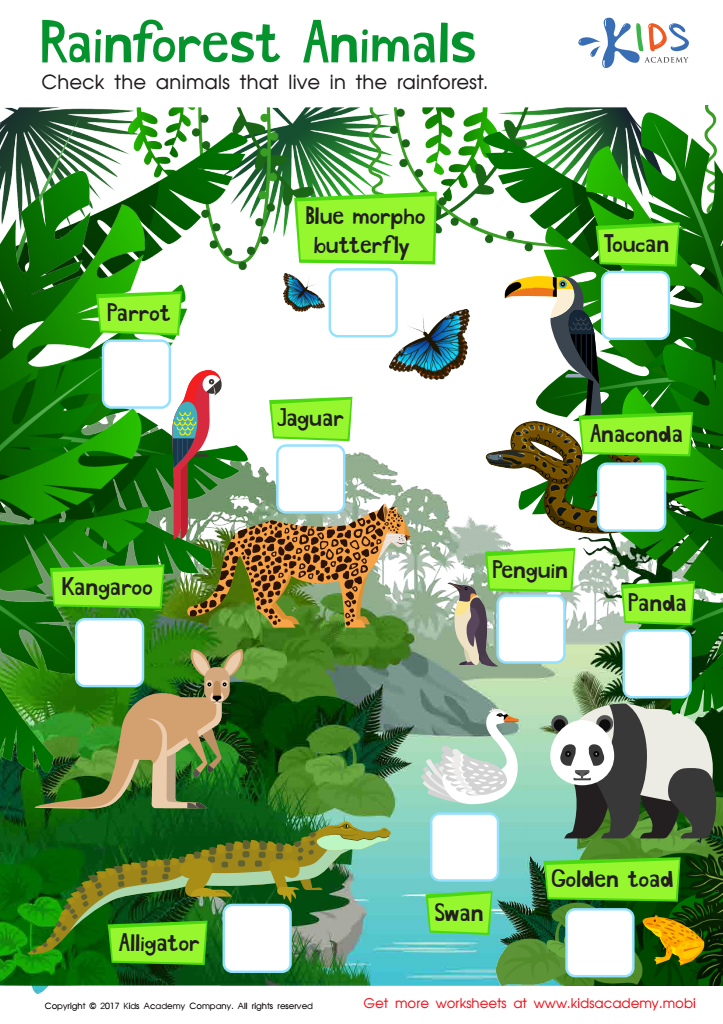
Rainforest Animals Worksheet
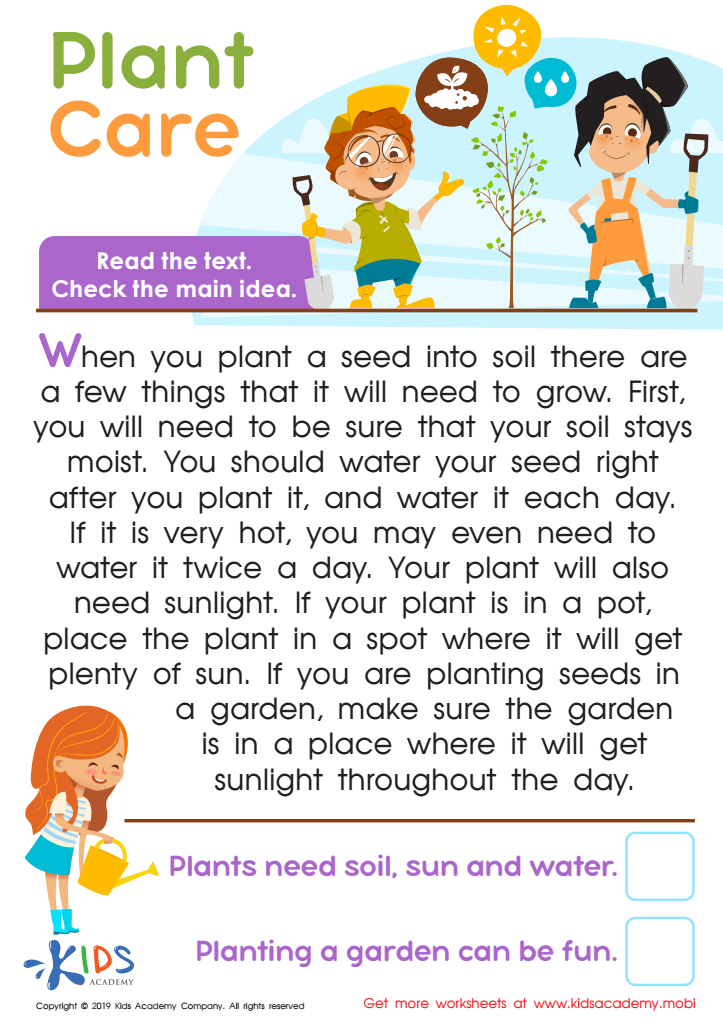
Plant Care Worksheet








Vocabulary expansion is crucial for children aged 6-9 as it plays a significant role in their cognitive and linguistic development. During these formative years, children are naturally curious and eager to explore their environment, including the world of plants. When parents and teachers facilitate vocabulary expansion related to normal plants, they not only enhance a child's language skills but also foster interest in science and nature.
A rich vocabulary encourages better communication, comprehension, and critical thinking. By learning specific terms related to plants—such as "photosynthesis," "habitat," "ecosystem," and "pollination"—children gain a deeper understanding of how the natural world functions. This knowledge nurtures curiosity and can lead to a lifelong appreciation for biology and the environment.
Furthermore, integrating vocabulary lessons around plants can make learning engaging and interdisciplinary. Parents and teachers can harness activities like gardening, nature walks, or science projects, allowing children to connect words with real-life experiences. This context-driven learning significantly strengthens retention.
In conclusion, vocabulary expansion concerning normal plants enriches language development, fosters scientific inquiry, and cultivates a love for learning about the environment, essential skills for academic success and personal growth. Engaging students with plant-related vocabulary can spark curiosity and inspire future scientific endeavors.