Cognitive Development Normal Community Worksheets for Ages 6-9
3 filtered results
-
From - To
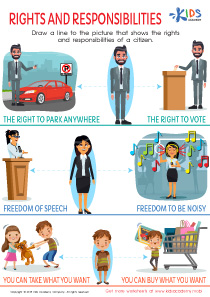
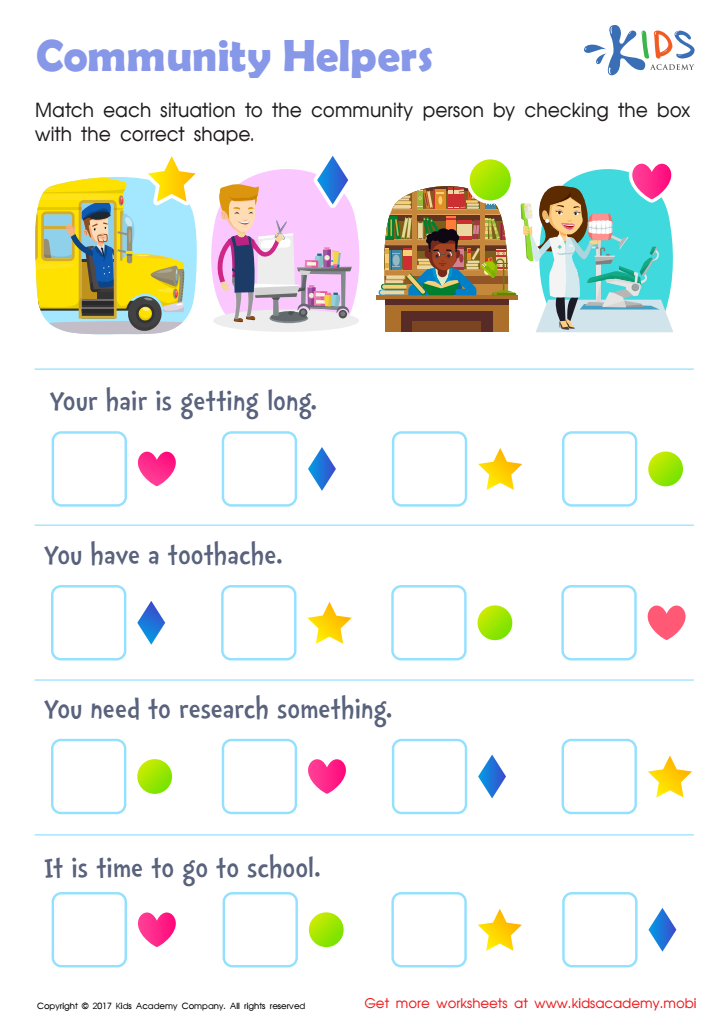
Discover our engaging Cognitive Development Normal Community Worksheets tailored for children aged 6-9. Designed to enhance critical thinking and problem-solving skills, these worksheets encourage young learners to explore their community, recognize social roles, and understand the importance of teamwork. Each activity promotes cognitive growth through fun, interactive lessons. From identifying community helpers to understanding social structures and responsibilities, our resources are aligned with educational standards to foster developmental milestones. Perfect for parents and educators, these materials provide a solid foundation for your child’s social understanding, ensuring they thrive both academically and in their daily lives. Start exploring today!

City Workers Community Helpers Worksheet
 Assign to My Students

What Do you See at School? Worksheet








Cognitive development from ages 6 to 9 is a pivotal period in a child's life, characterized by significant advancements in thinking, problem-solving, and understanding the world. Parents and teachers should prioritize this phase because children develop critical skills that lay the groundwork for future academic and social success. This age group typically transitions from concrete operational thought to more complex reasoning abilities, making it essential for caregivers to provide environments rich in stimulation and learning opportunities.
Engaging children in activities that promote cognitive growth—such as puzzles, critical thinking games, and open-ended questions—can enhance their ability to analyze situations and make decisions. Families and educators play a vital role in ensuring that children feel secure and motivated in exploring new ideas within a supportive community.
Additionally, fostering cognitive development during this stage can mitigate long-term developmental concerns, as children who master skills like logical reasoning and perspective-taking are better prepared to face the challenges of later academic environments. Investing in the cognitive development of children between six to nine ultimately benefits families, schools, and society, as it cultivates a generation equipped with the skills needed for continued learning, resilience, and adaptability.