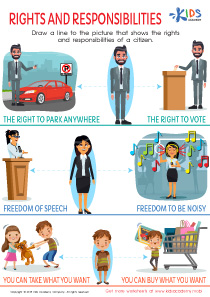
Historical Knowledge Normal Social Studies Worksheets for Ages 6-9
20 filtered results
-
From - To
Discover our engaging "Historical Knowledge Normal Social Studies Worksheets for Ages 6-9" designed to introduce young learners to the fascinating world of history. These immersive worksheets help children understand key historical events, figures, and concepts in an age-appropriate manner. Each activity is crafted to stimulate curiosity and critical thinking, making the past come alive through fun, interactive exercises. Perfect for classroom use or homeschooling, these worksheets lay a strong foundation in social studies by transforming complex historical facts into manageable, enjoyable learning experiences. Foster a love for history with our expertly designed educational resources!
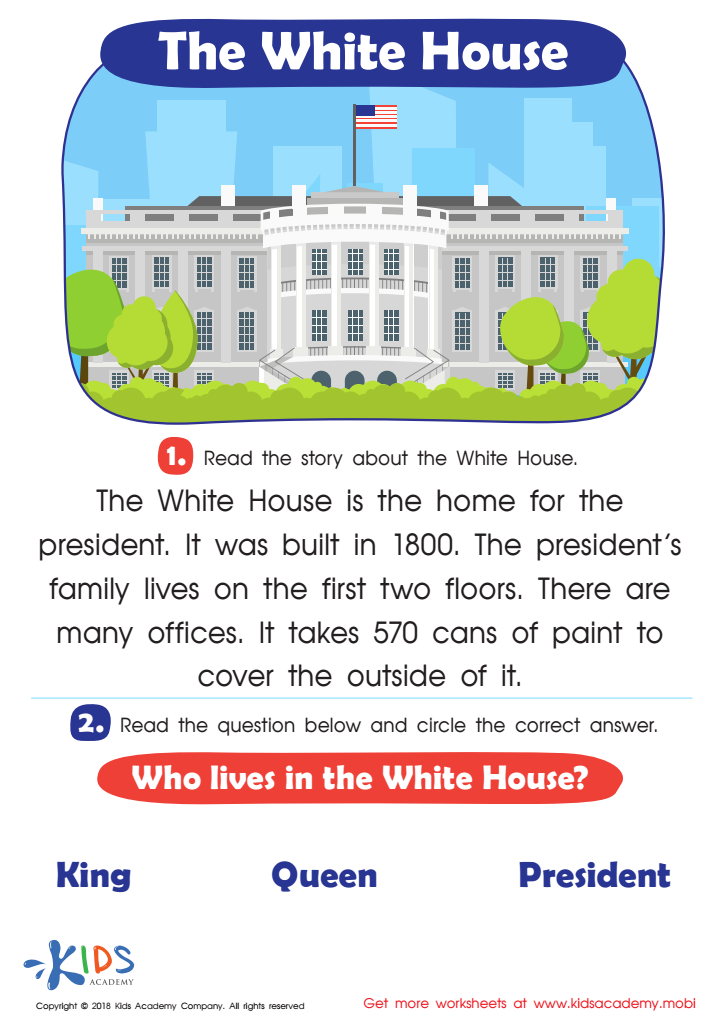
White House Worksheet
 Assign to My Students
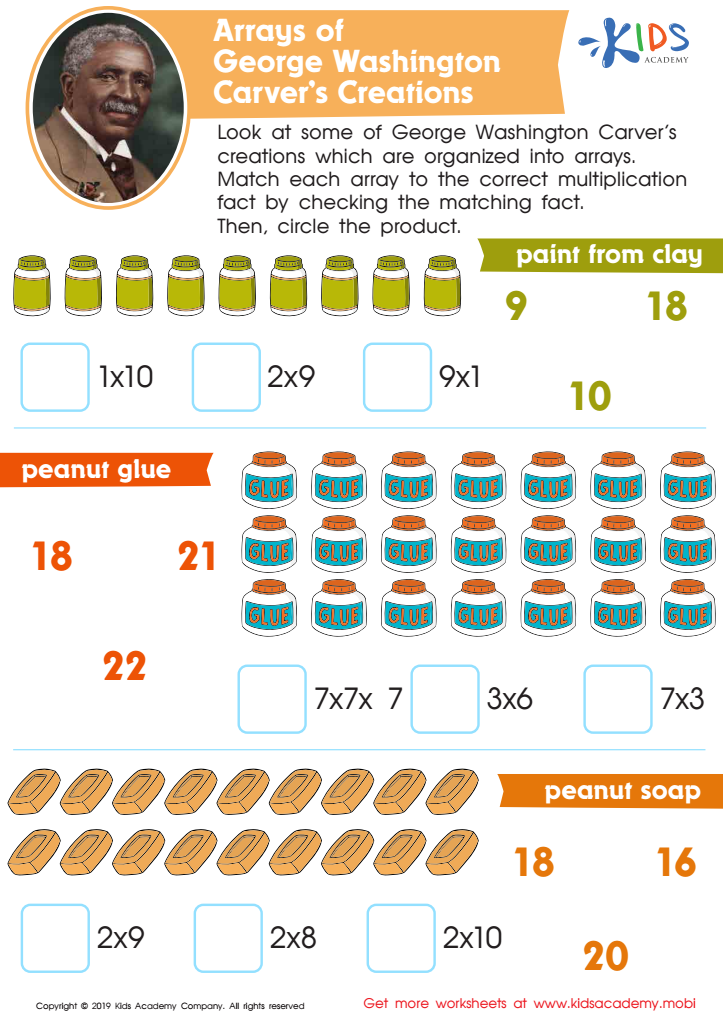
Arrays of George Washington Carver’s Creations Worksheet
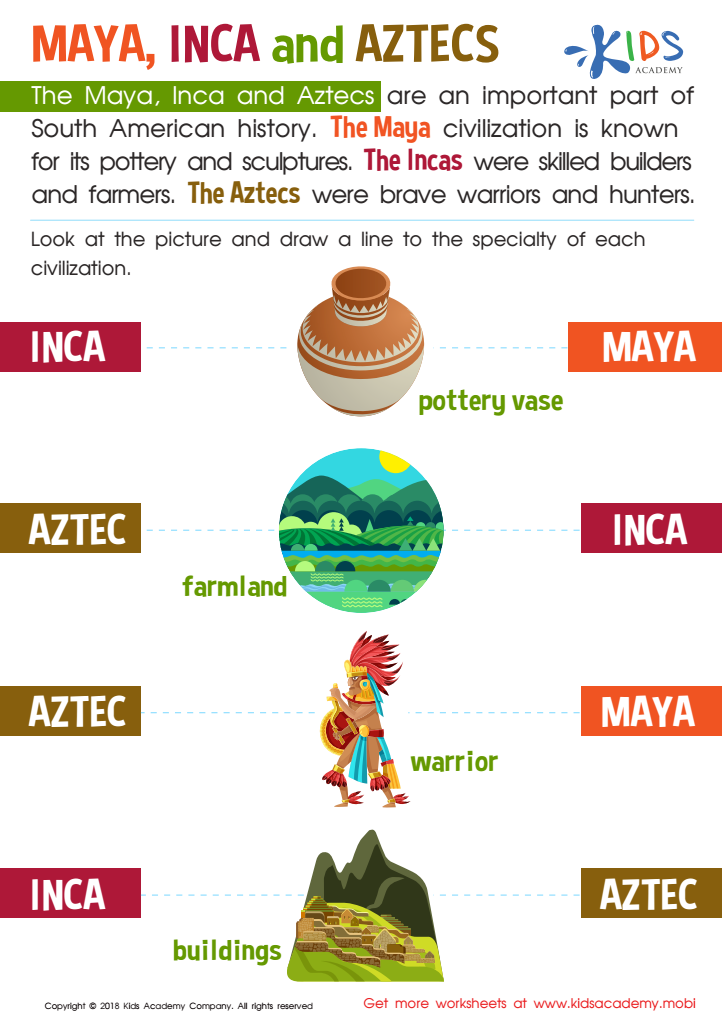
Maya, Inca and Aztecs Worksheet
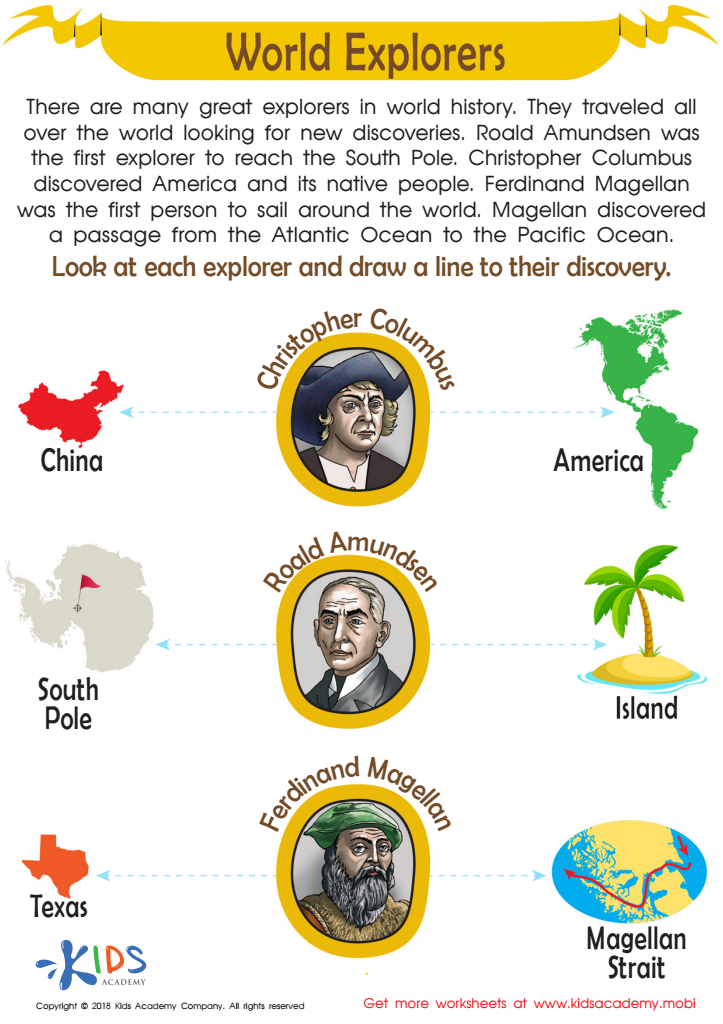
World Explorers Worksheet
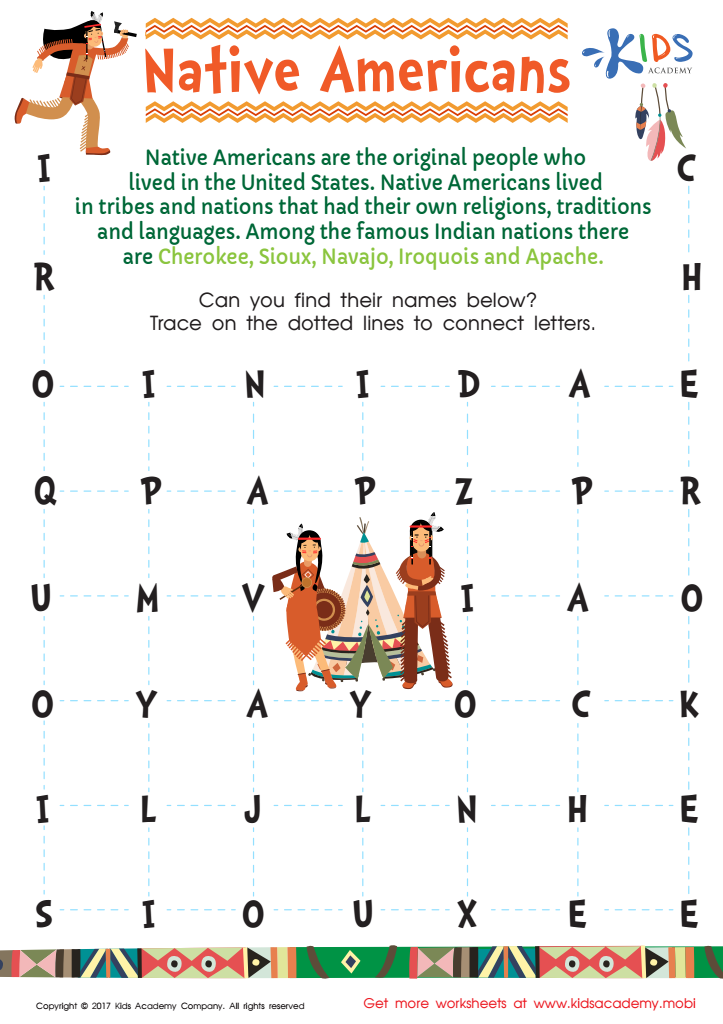
Native American Word Search Printable
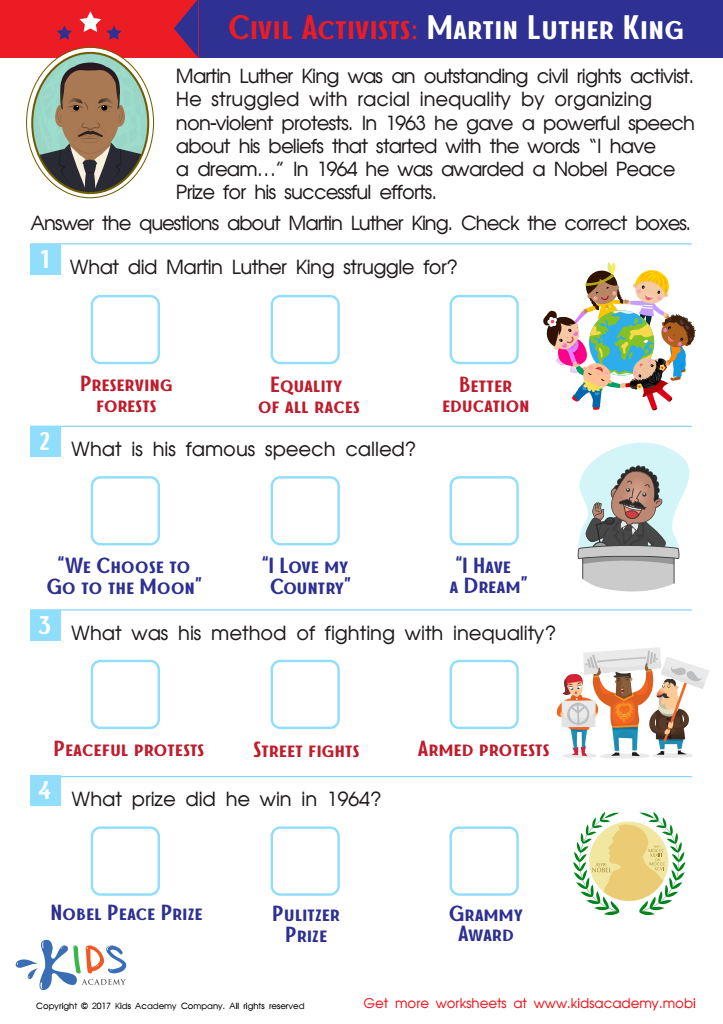
Martin Luther King Worksheet
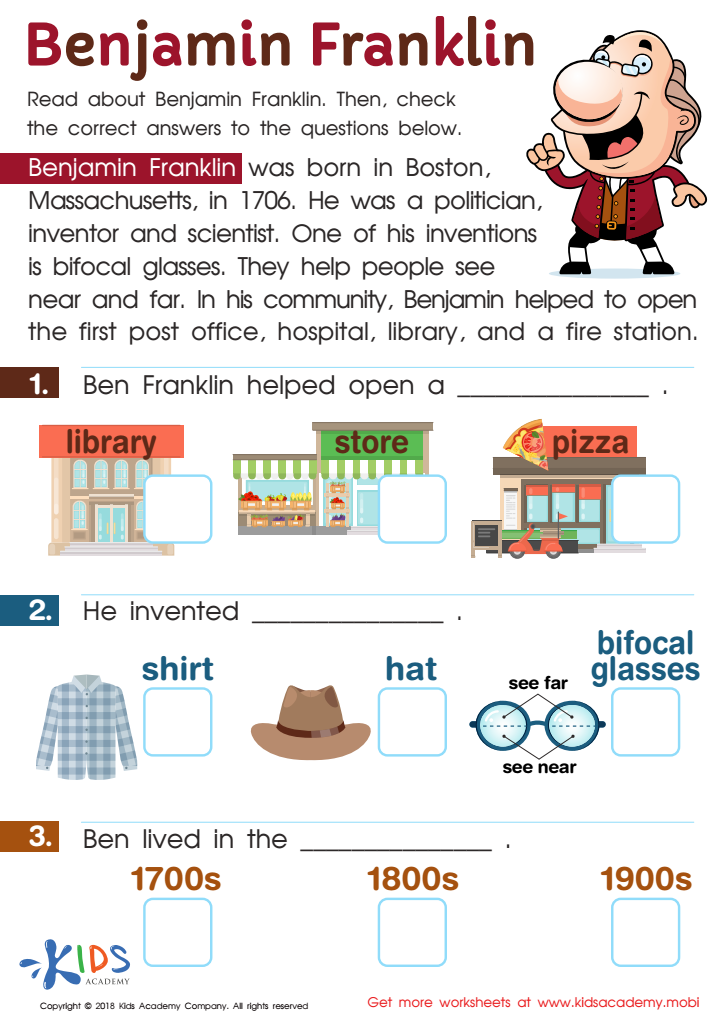
Benjamin Franklin Worksheet
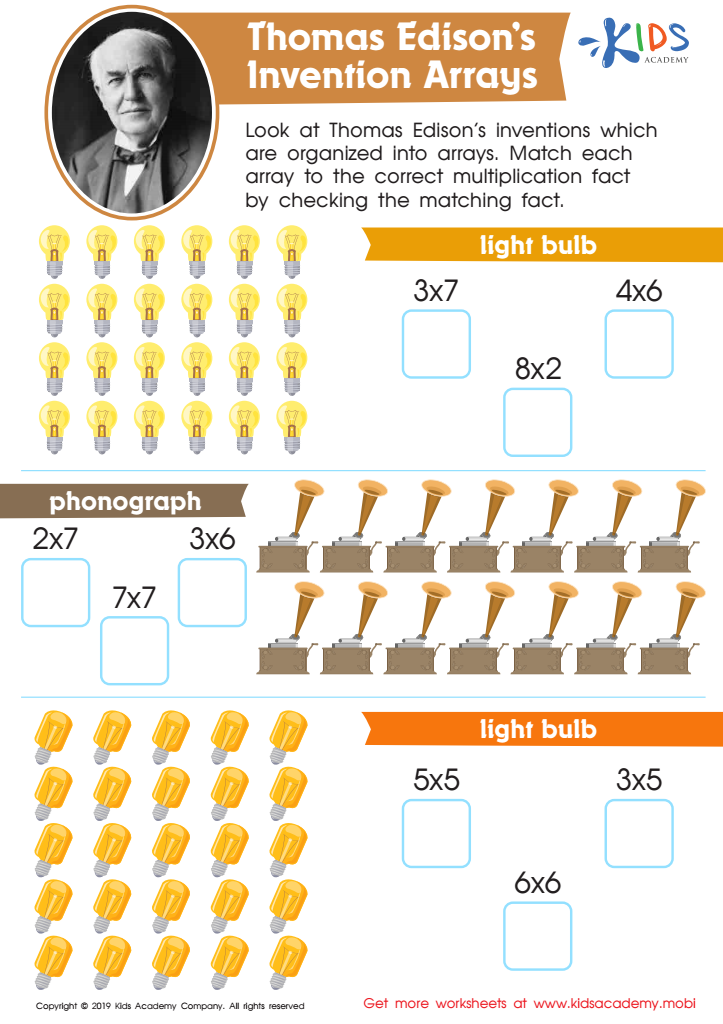
Thomas Edison’s Invention Arrays Worksheet
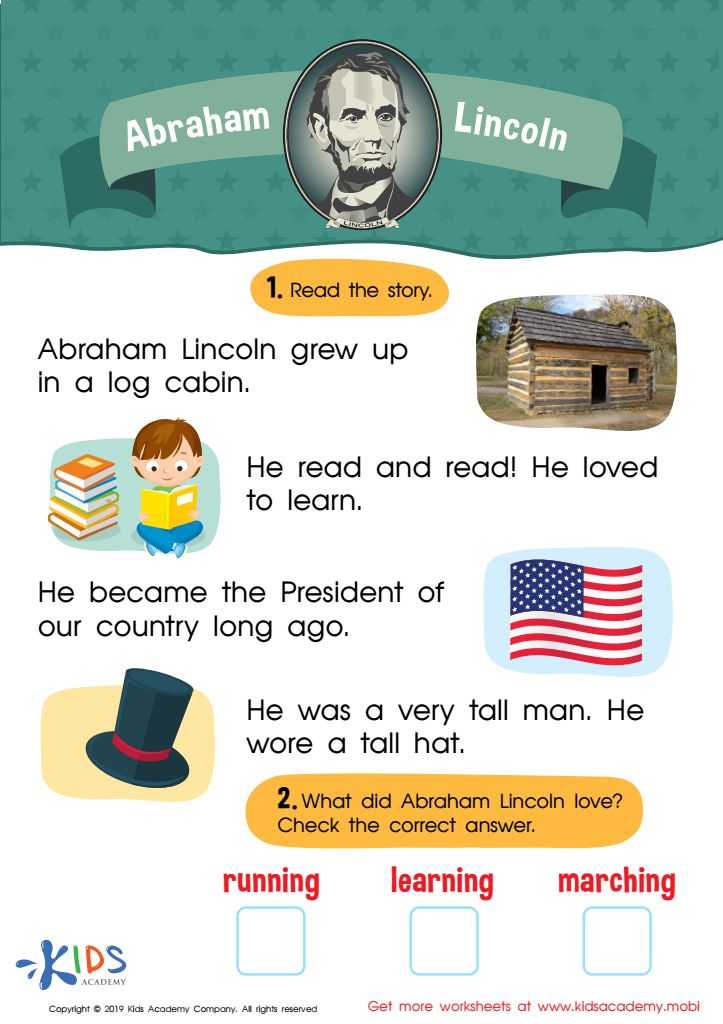
Abraham Lincoln Worksheet
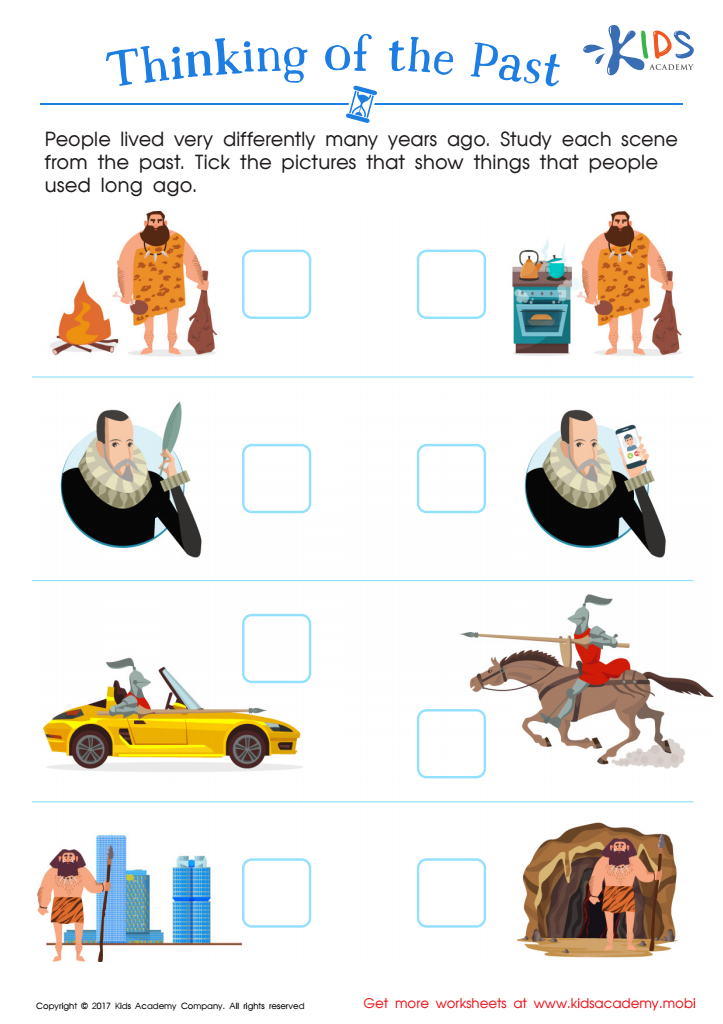
Thinking Past Printable
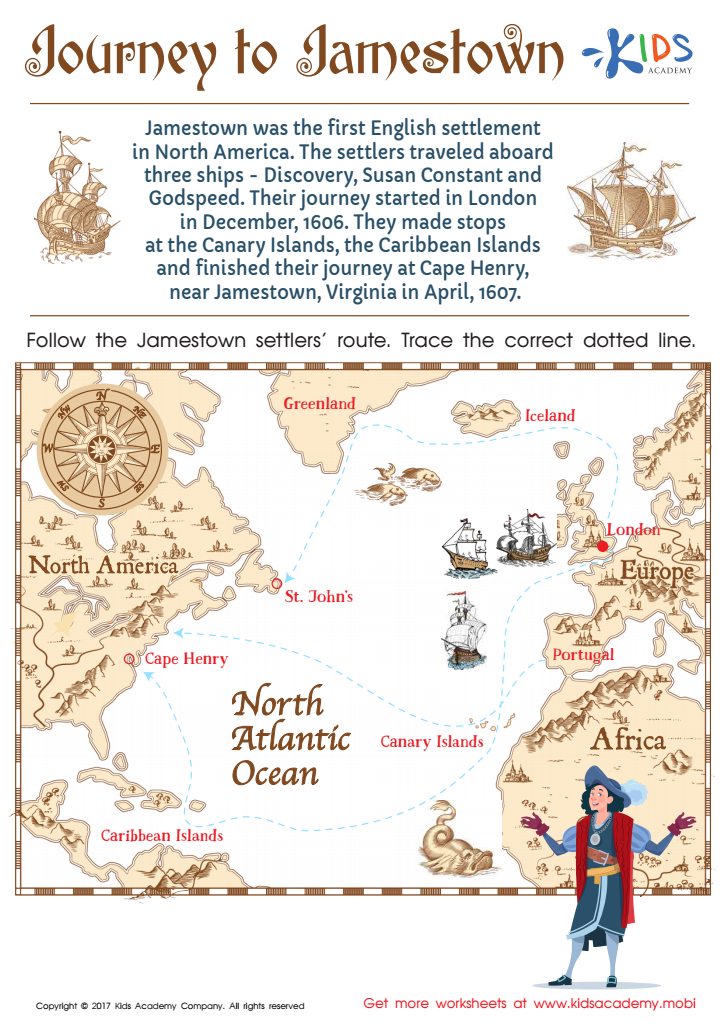
Journey to Jamestown Worksheet
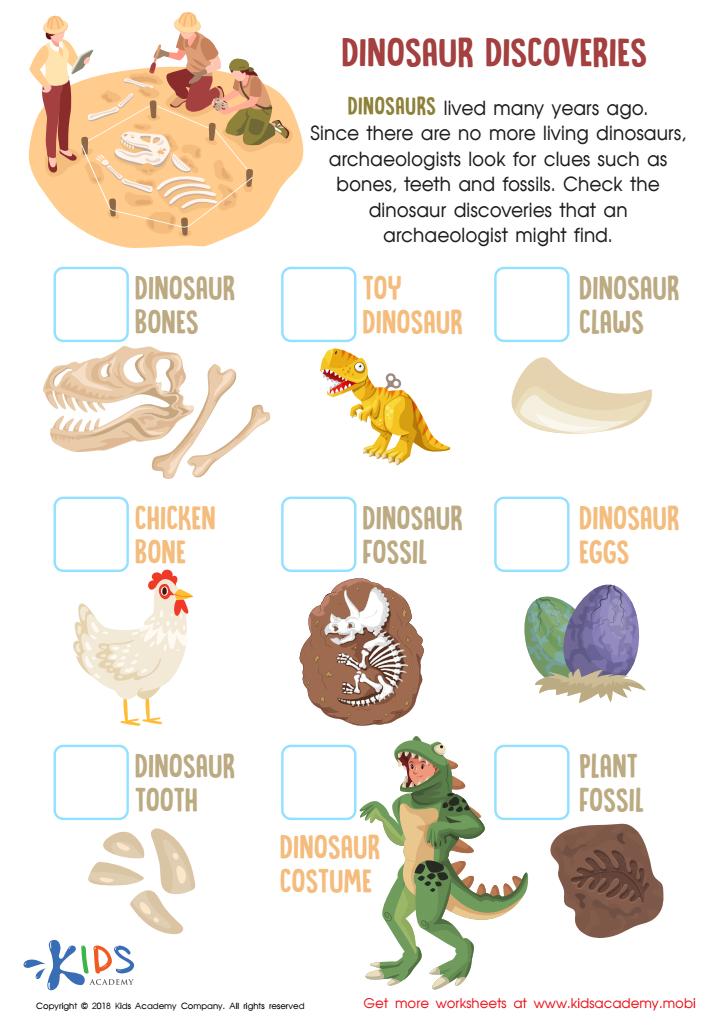
Dinosaur Discoveries Worksheet
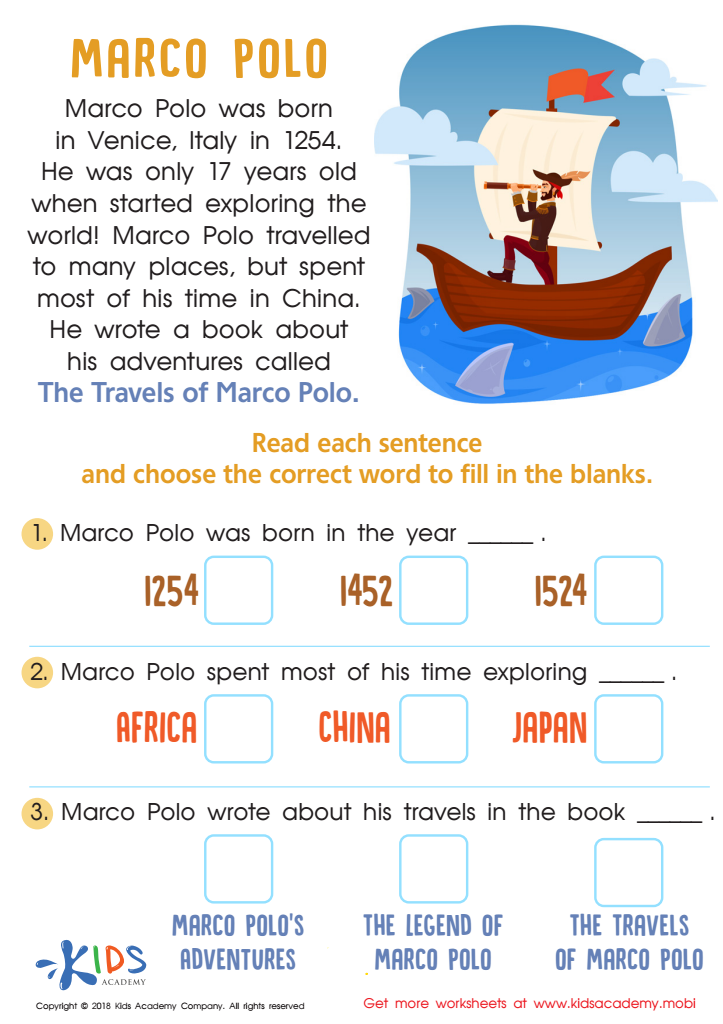
Marco Polo Worksheet
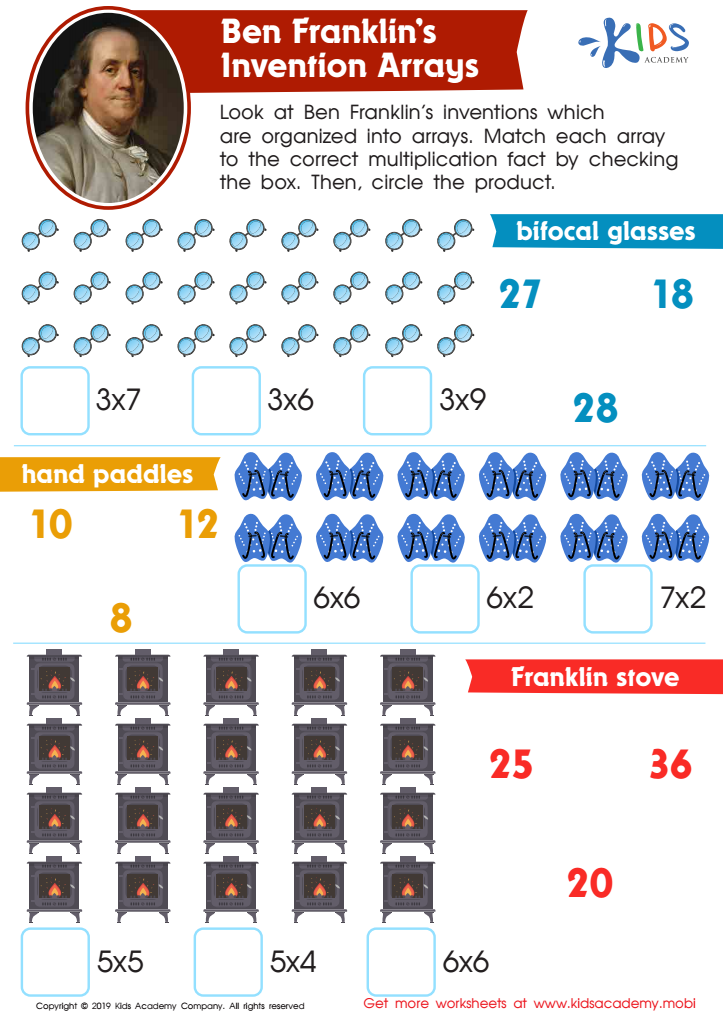
Ben Franklin’s Invention Arrays Worksheet
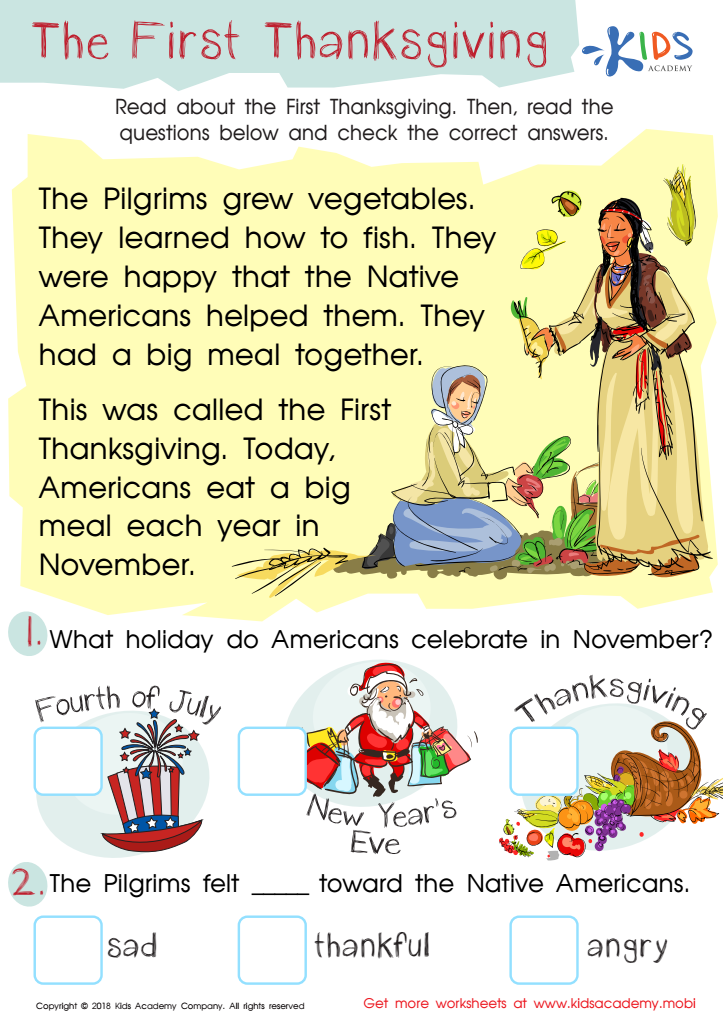
Assessment: First Thanksgiving Worksheet
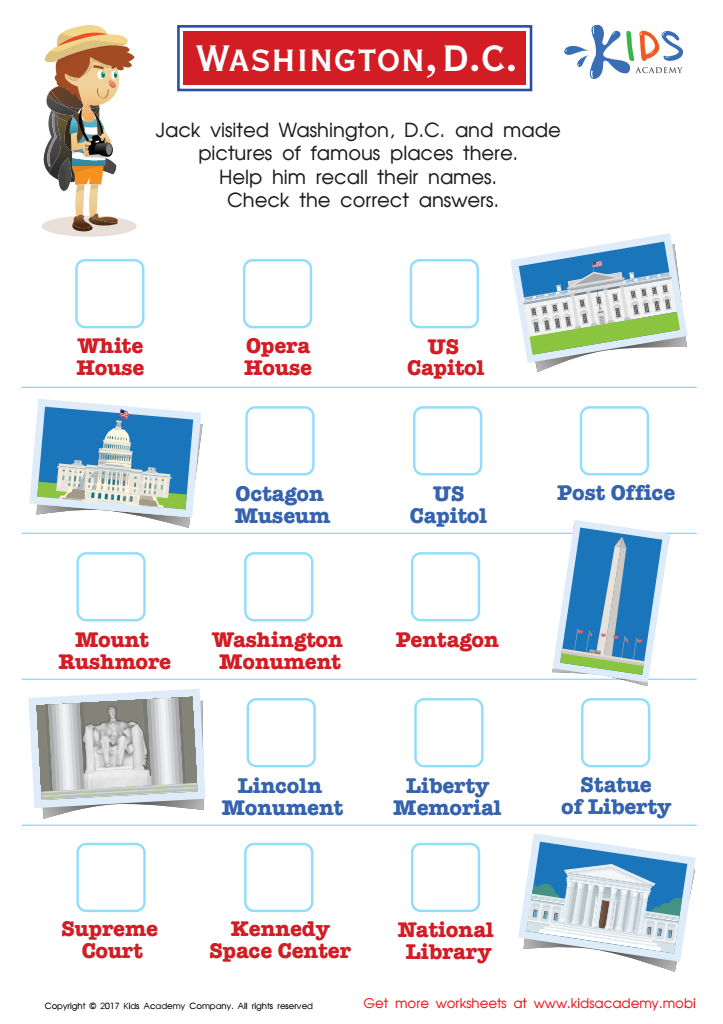
Washington D.C. Printable Worksheet
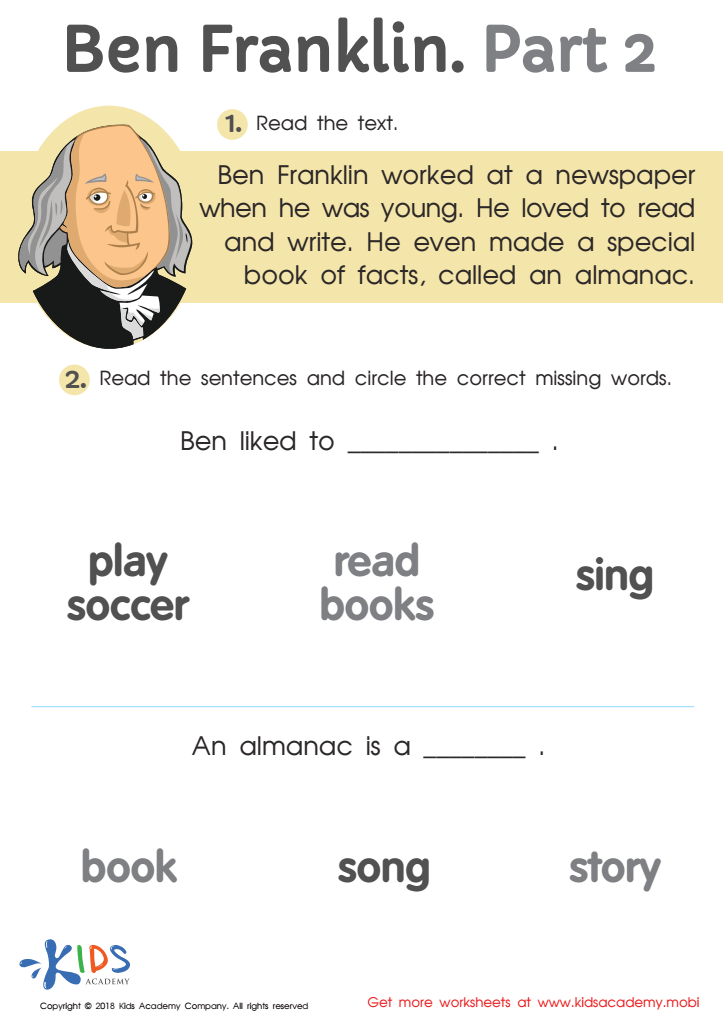
Ben Franklin Part 2 Worksheet
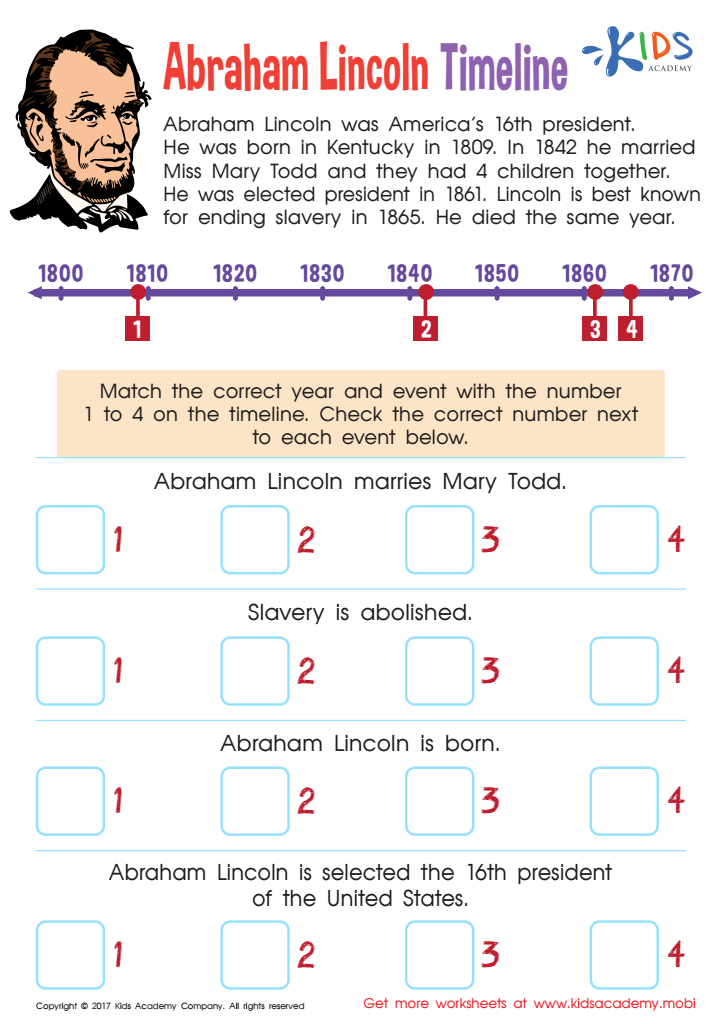
Abraham Lincoln Timeline Worksheet
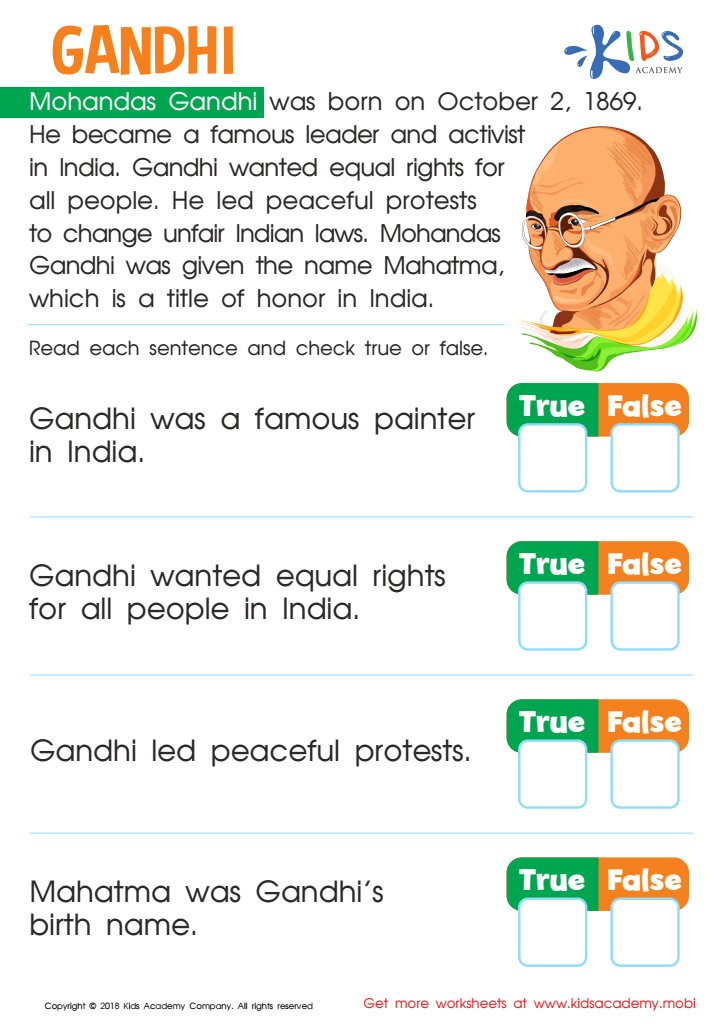
Gandhi Worksheet
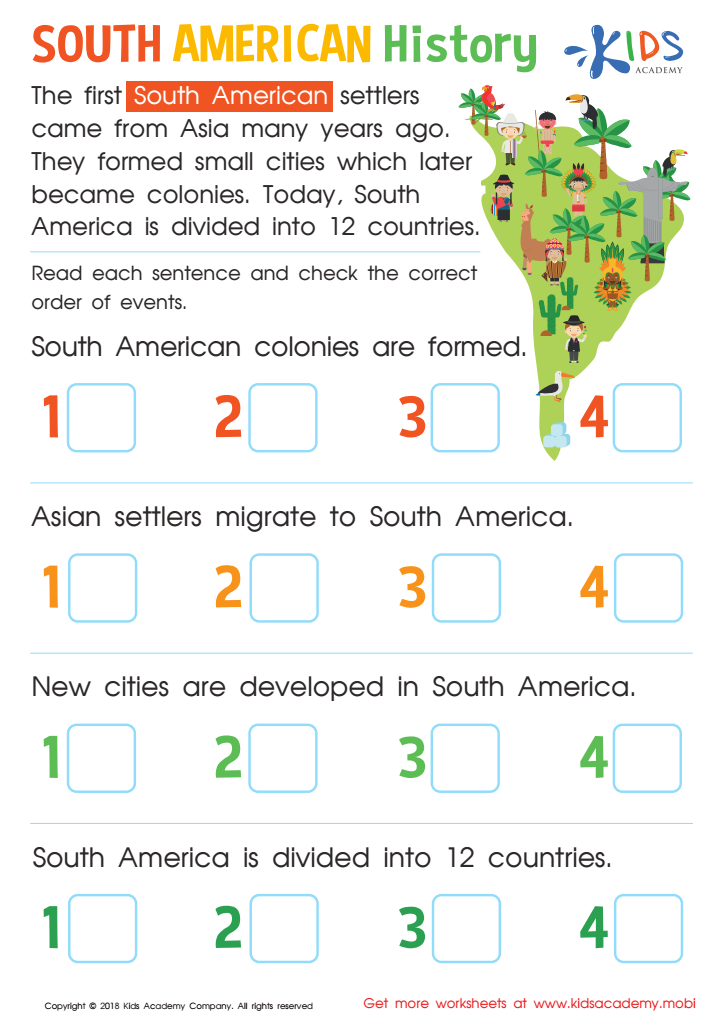
South American History Worksheet








Parents and teachers play a crucial role in shaping the minds of young children, and fostering an understanding of historical knowledge through normal social studies for ages 6-9 is foundational. At this tender age, children are naturally curious and are beginning to form their concepts about the world. Introducing them to historical knowledge helps them appreciate the past and understand how it shapes the present. This early grasp on historical events and figures fosters critical thinking and helps children understand cause and effect, instilling a sense of context for their place in the world.
Moreover, social studies encourage empathy and respect by exposing young learners to various cultures and lifestyles, thereby helping them develop a broader perspective. For instance, understanding the civil rights movement can instill values of equality and justice. Learning about explorers and innovators can inspire creativity and resilience. Additionally, knowledge of history and social studies supports the development of reading, writing, and analytical skills, vital across all academic subjects.
By establishing these foundations early, parents and teachers set the stage for lifelong learning and curiosity. This nurturing leads to well-informed, empathetic, and critically-thinking individuals who can contribute positively to society. Investing in historical knowledge for young children, therefore, is an investment in their overall development and the future they will shape.