Alphabet Recognition Normal Alphabet Worksheets for 6-Year-Olds - Page 2
41 filtered results
-
From - To
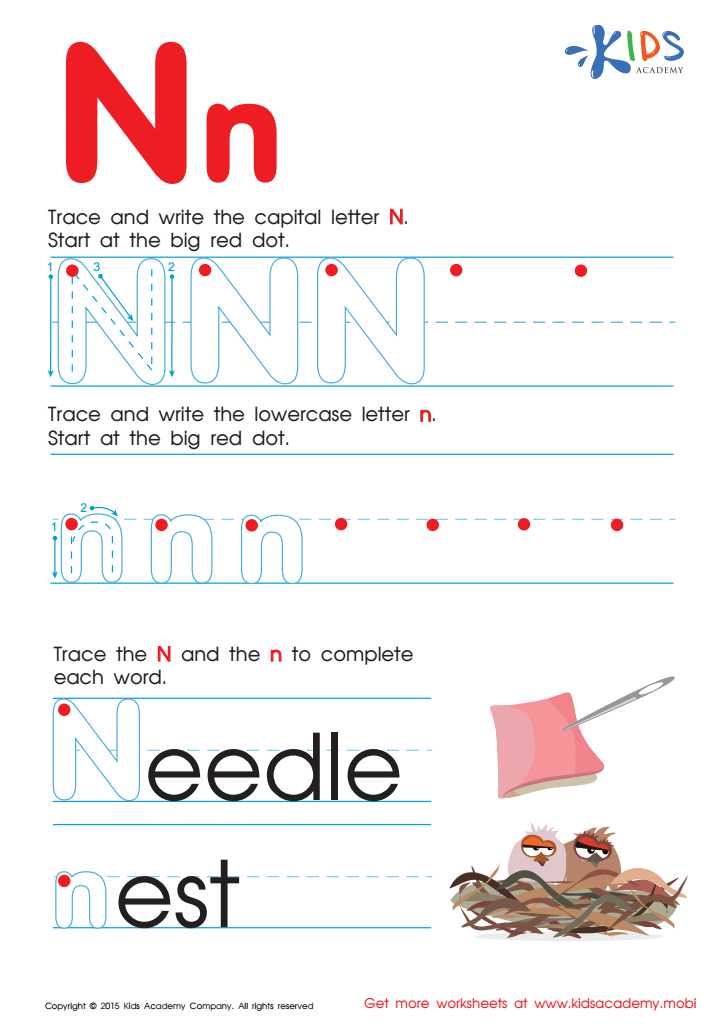
Letter N Tracing Page
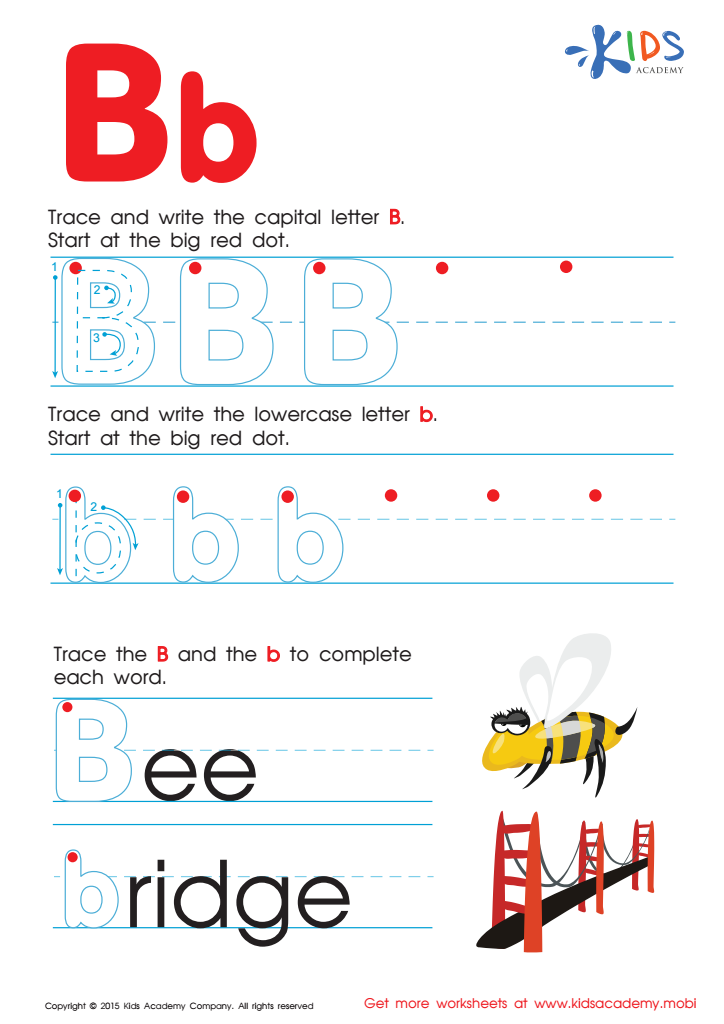
Letter B Tracing Page
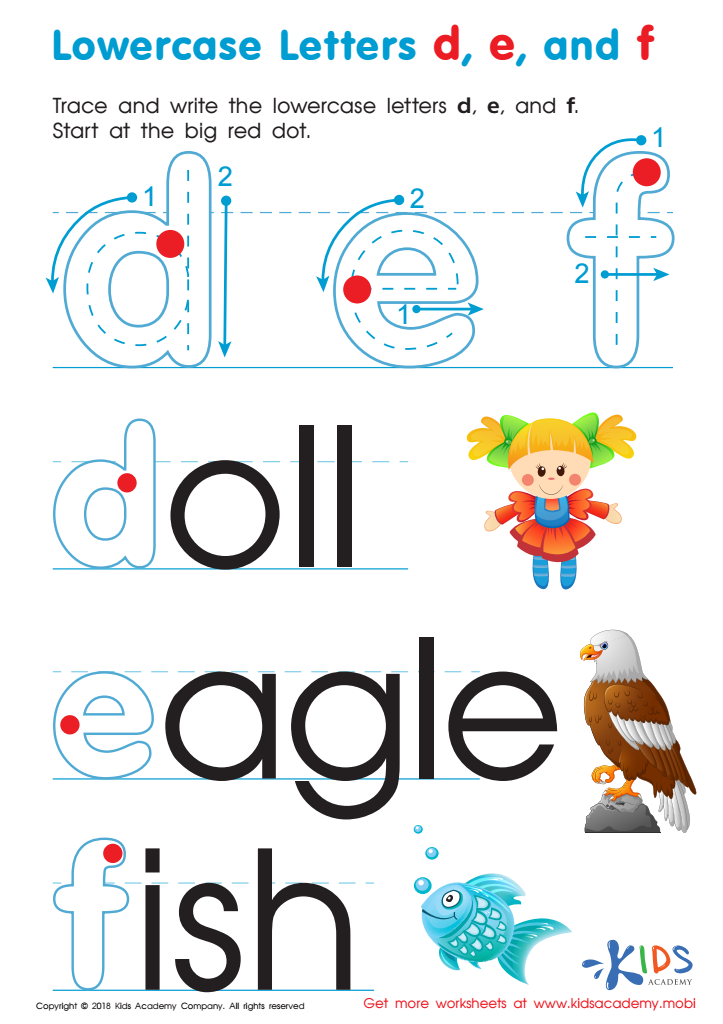
Lowercase Letters d e f Worksheet
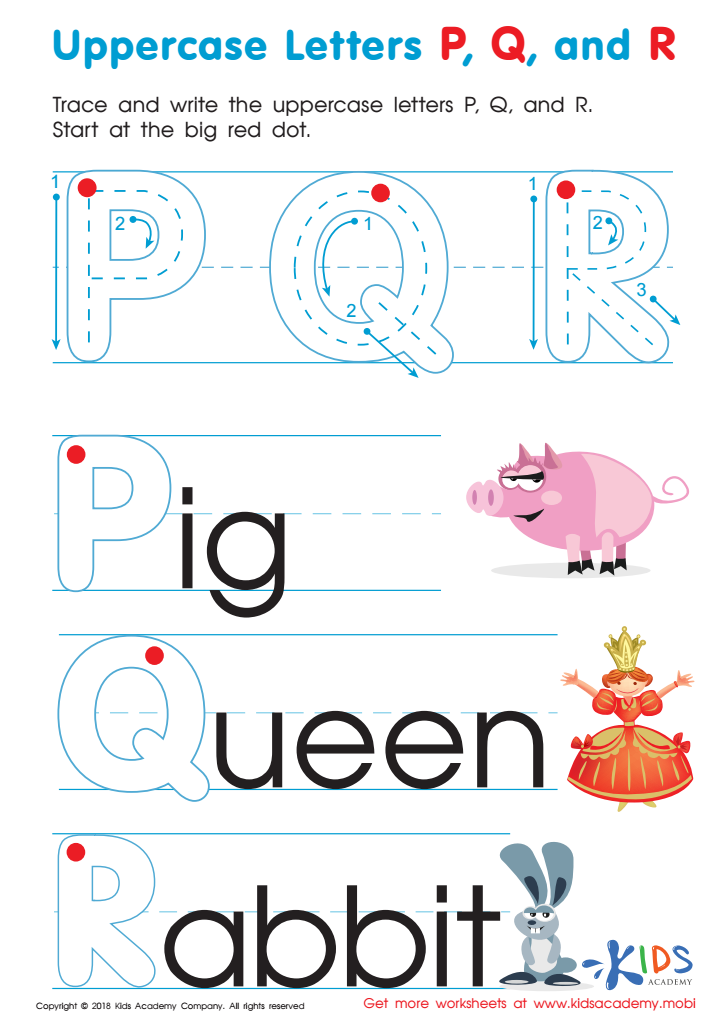
Uppercase Letters P, Q, and R Worksheet
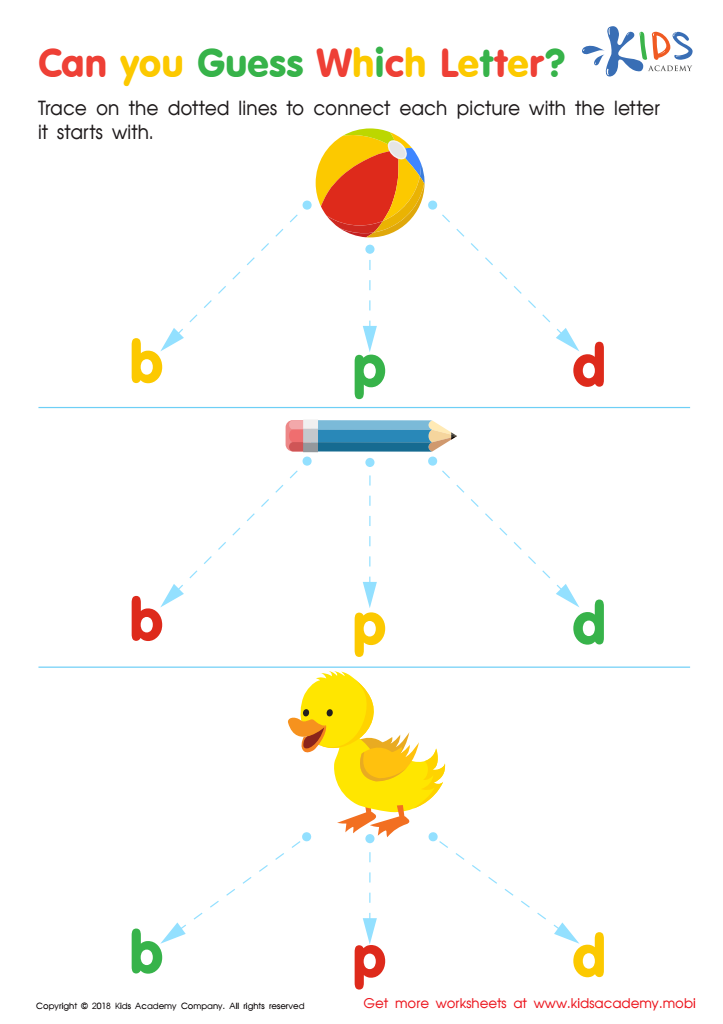
Can you Guess Which Letter? Worksheet
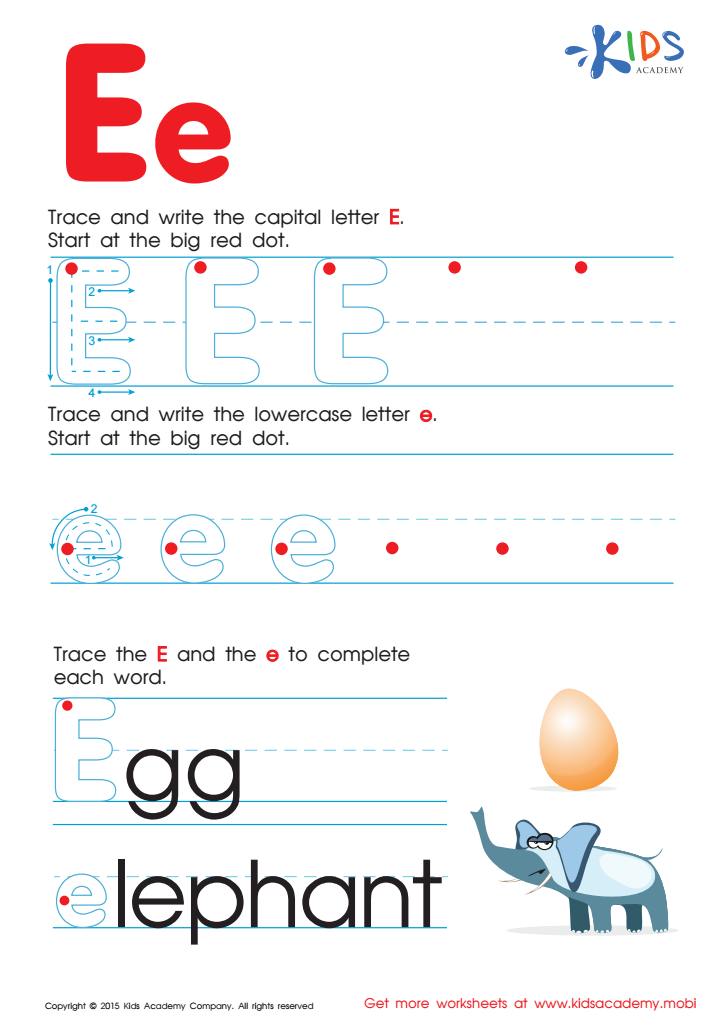
Letter E Tracing Page
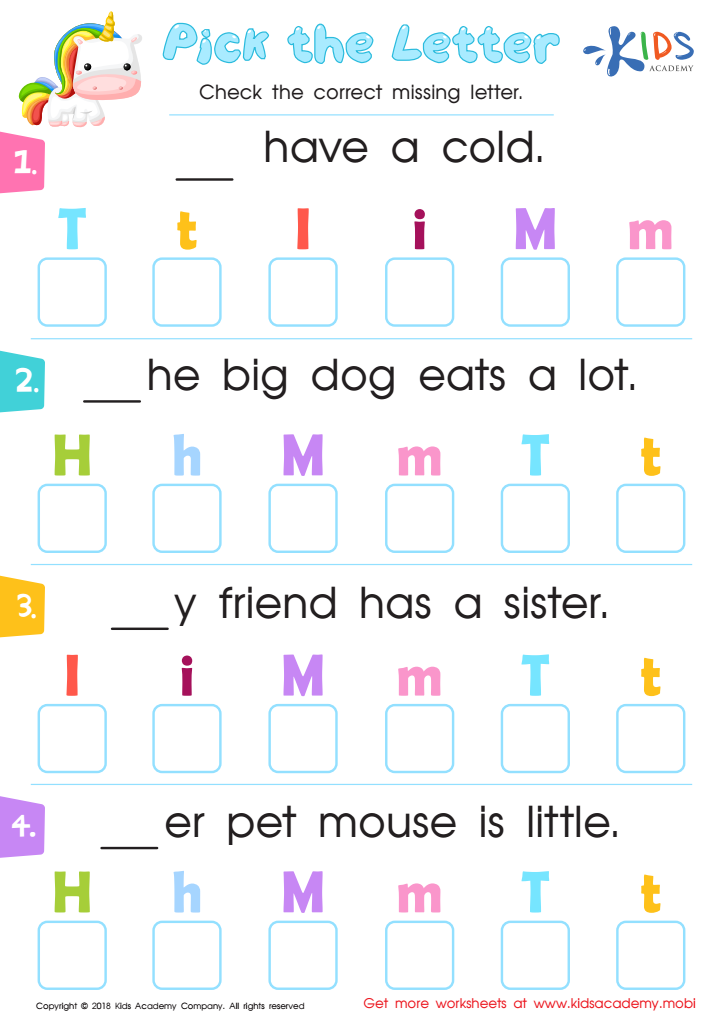
Pick the Letter Worksheet
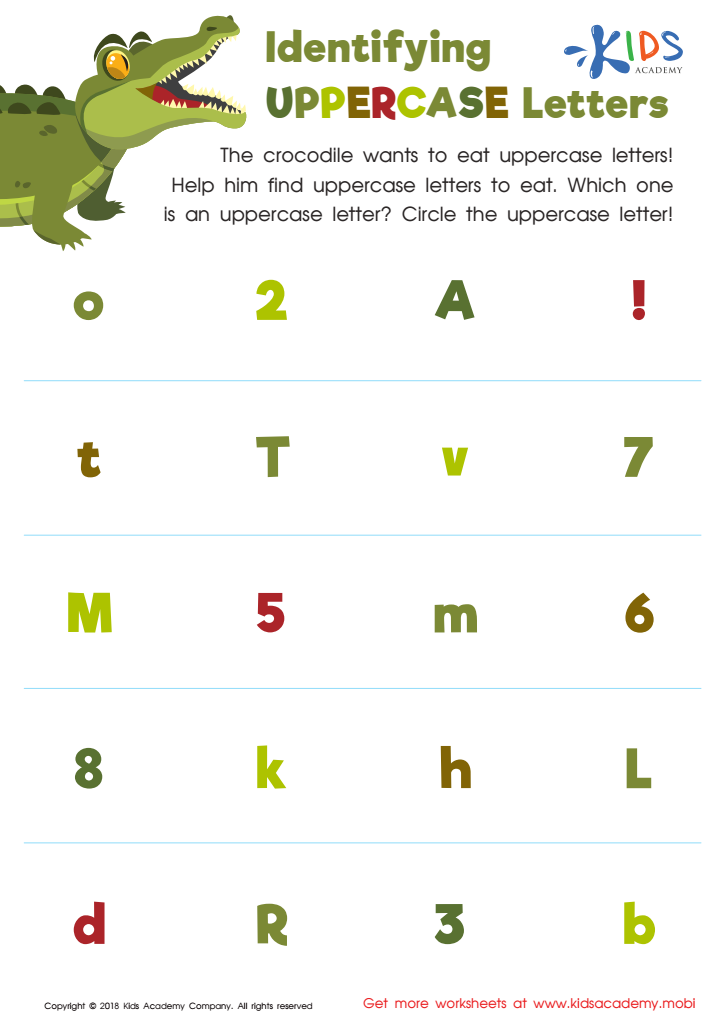
Identifying Uppercase Letters Worksheet
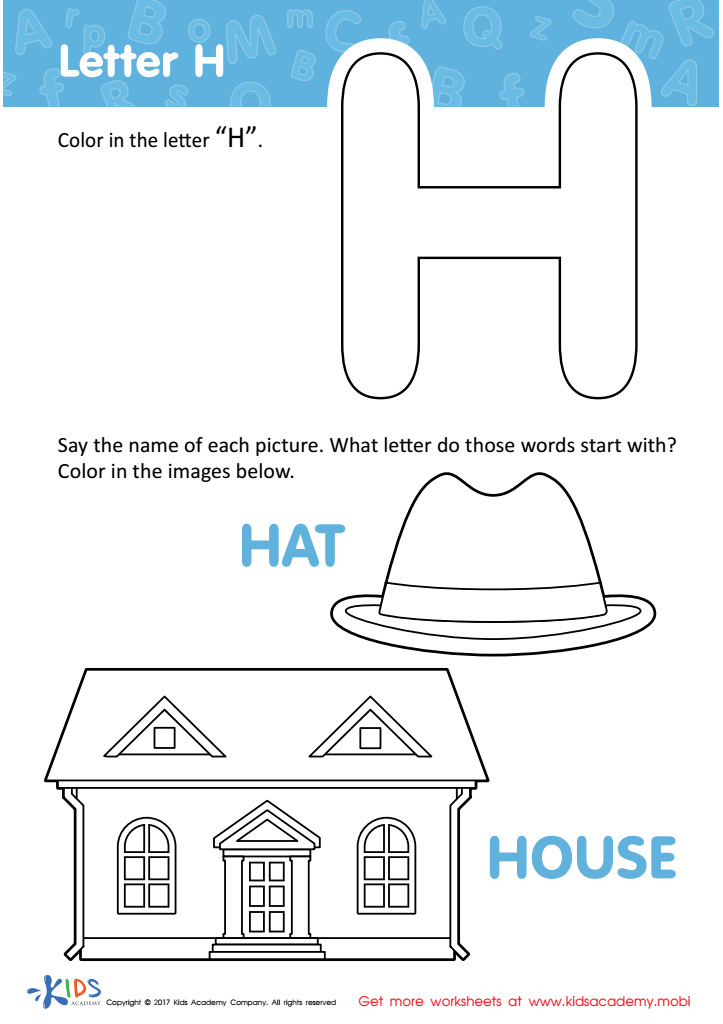
Letter H Coloring Sheet
 Assign to My Students
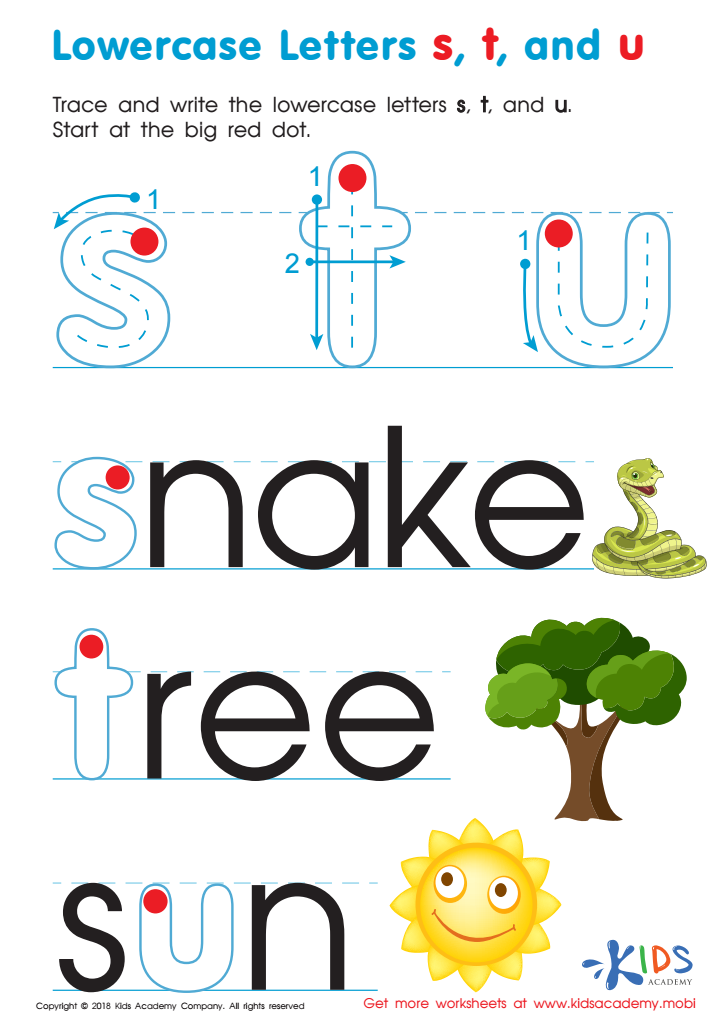
Lowercase Letters s t u Worksheet
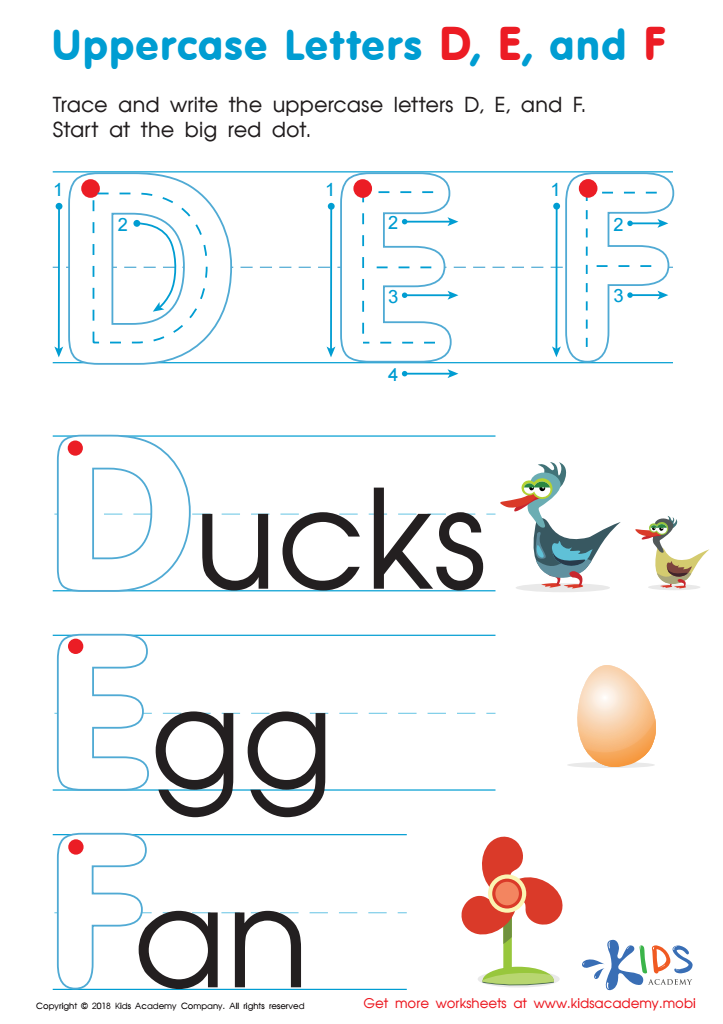
Uppercase Letters D, E, and F Worksheet
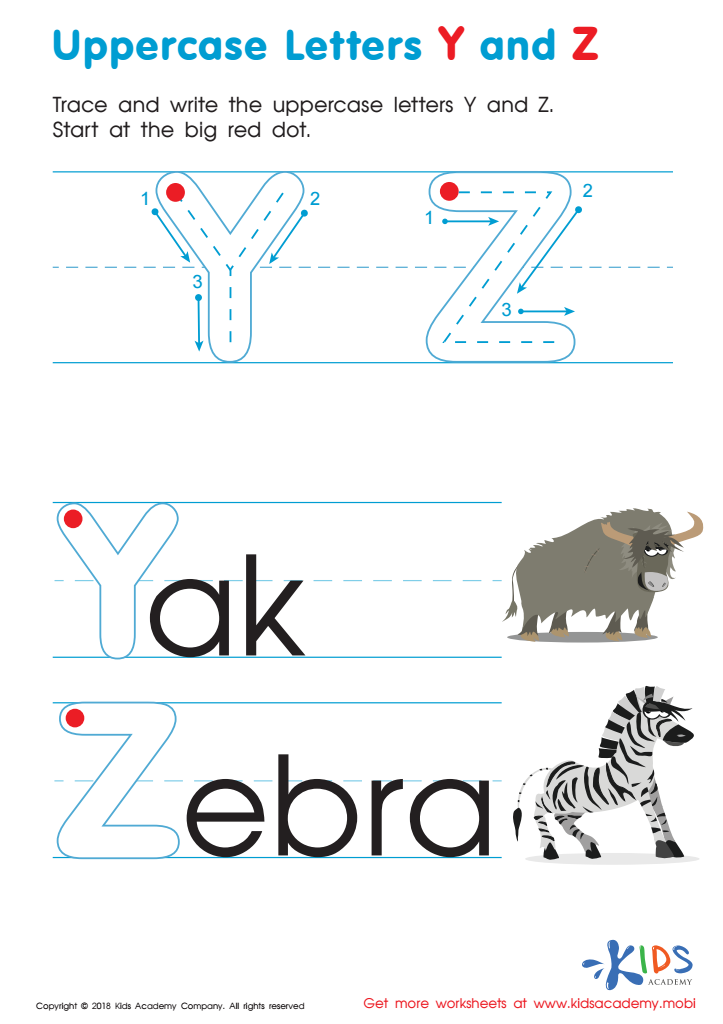
Uppercase Letters Y Z Worksheet
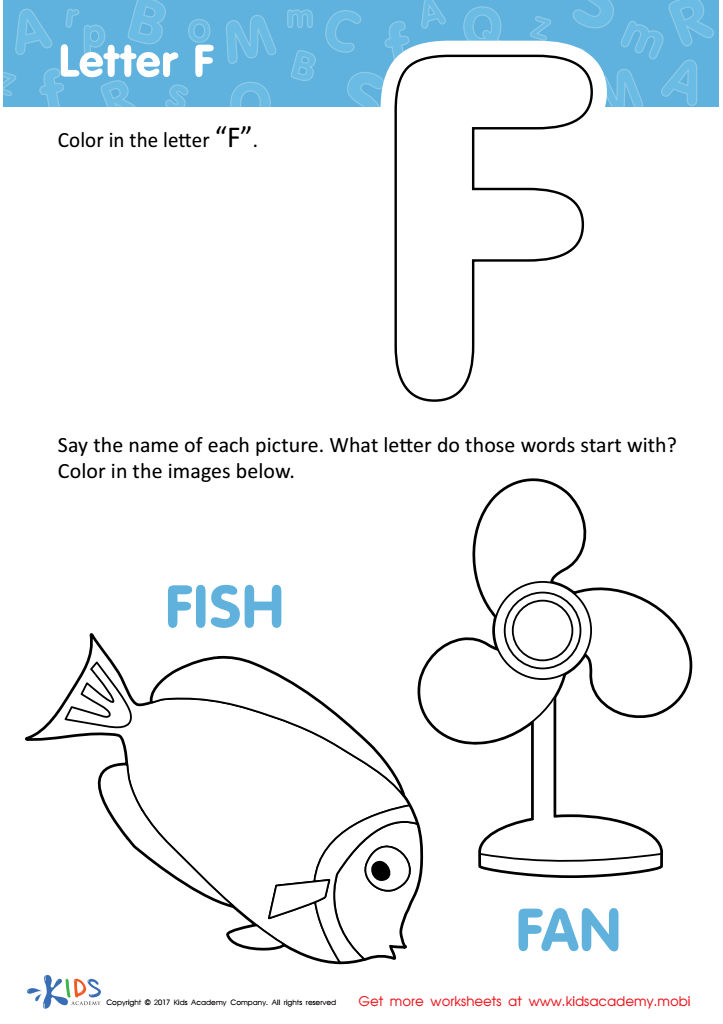
Letter F Coloring Sheet
Assign to My Students
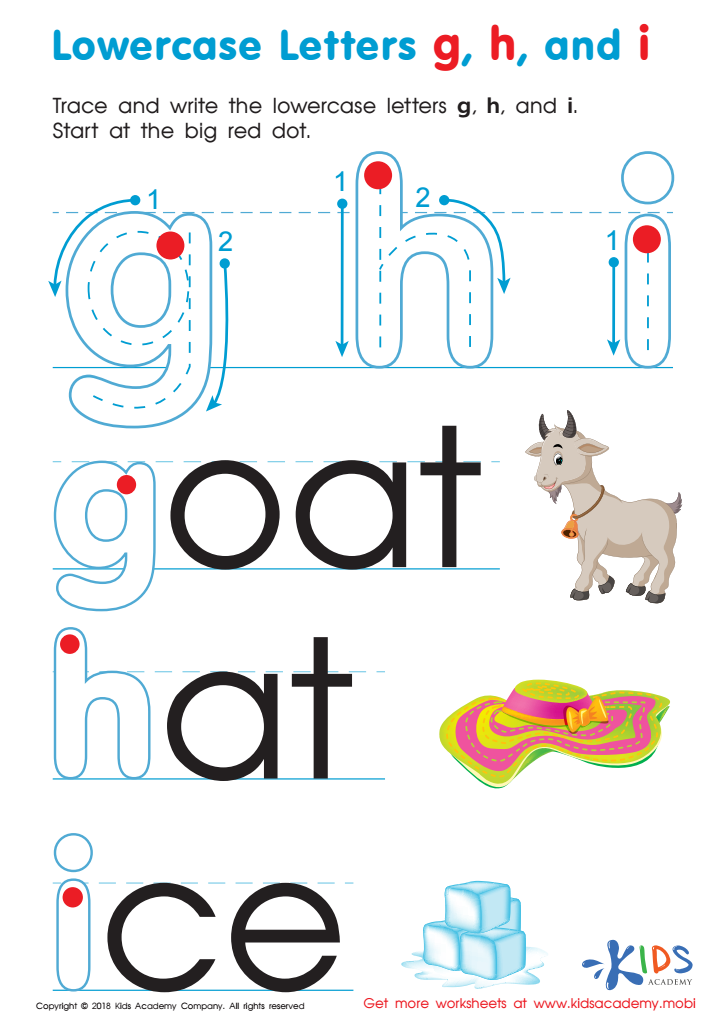
Lowercase Letters g h i Worksheet
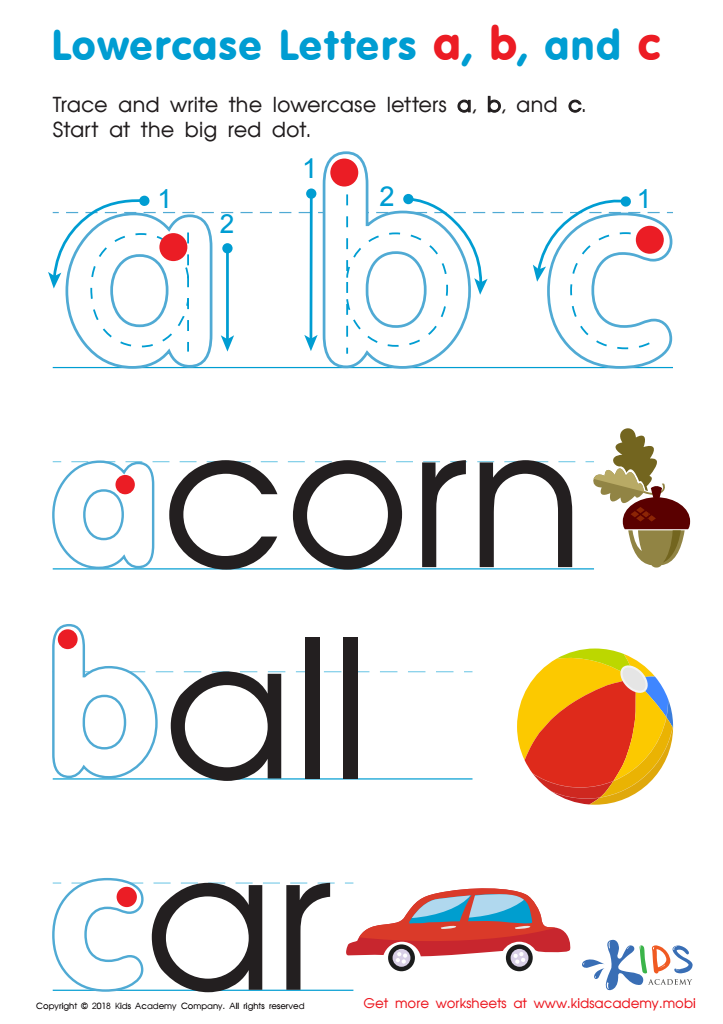
Lowercase Letters a b c Worksheet
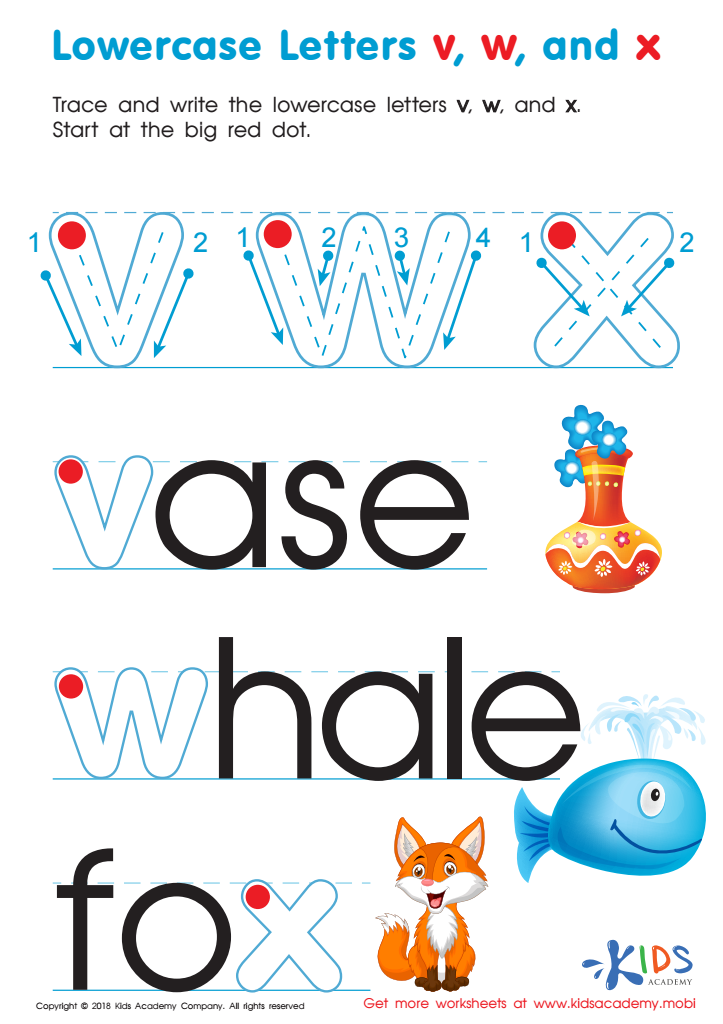
Lowercase Letters v w x Worksheet
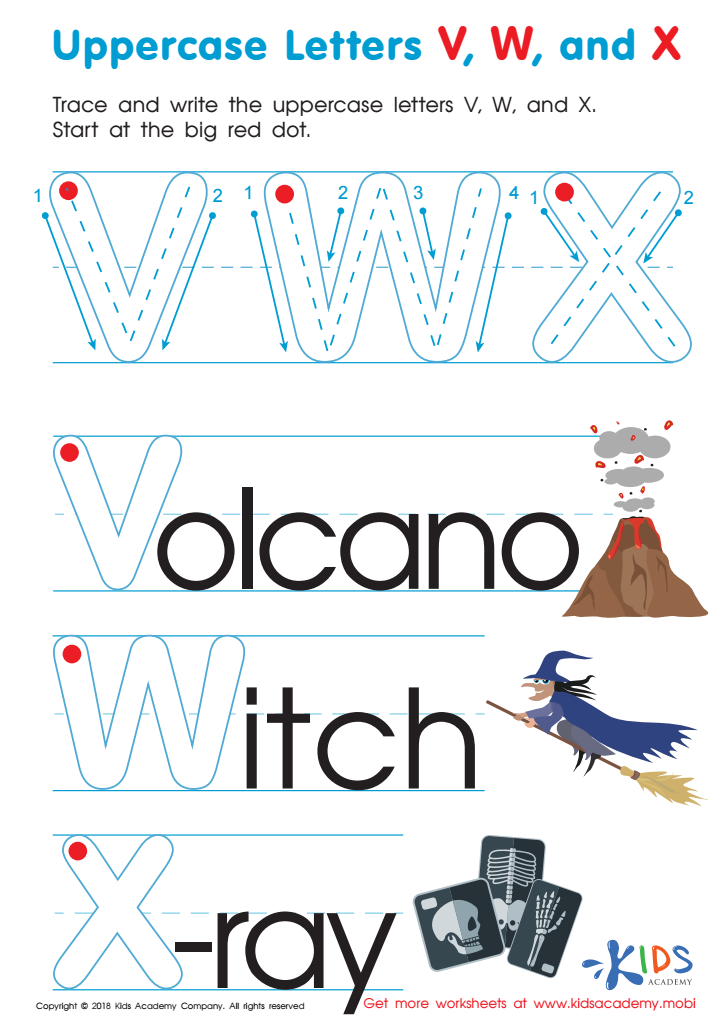
Uppercase Letters V, W, and X Worksheet








Alphabet recognition is a fundamental skill that forms the cornerstone of early literacy, and it is crucial for young learners, particularly 6-year-olds, who are in a critical phase of their educational development. Parents and teachers should emphasize this aspect of learning as it sets the stage for all subsequent reading and writing abilities. Understanding and identifying letters of the normal alphabet contributes to a firm grasp of the building blocks of language, enabling children to decode words, which is essential for reading fluency.
When children recognize and differentiate between letters, they can more easily make connections between spoken and written language. This connection aids in building vocabulary and comprehension skills, which are vital for academic success across all subjects, not just language arts. Moreover, early proficiency in alphabet recognition enhances a child's confidence and enthusiasm for learning, fostering a positive attitude toward education.
Teachers and parents can support this development through engaging activities such as alphabet games, story reading, and interactive writing exercises. These activities not only make learning fun but also reinforce the association between letters and their sounds, crucial for phonemic awareness. Investing time and effort in alphabet recognition at this stage lays a strong foundation, ensuring that children are well-prepared for more complex literacy tasks in the future.







