Phonics Skills Normal Alphabet Worksheets for 6-Year-Olds
35 filtered results
-
From - To
Explore our engaging Phonics Skills Normal Alphabet Worksheets designed specifically for 6-year-olds! These printable resources support early literacy development by introducing essential phonics concepts, helping young learners connect sounds with letters. Each worksheet encourages interactive learning through fun activities like matching sounds to images, tracing letters, and identifying rhyming words. Our carefully crafted materials promote phonemic awareness, enhance vocabulary, and build a solid foundation for reading. Ideal for classroom settings or at-home practice, these worksheets make learning enjoyable and effective. Dive into the world of letters and sounds with our colorful, themed activities that inspire a love for reading!
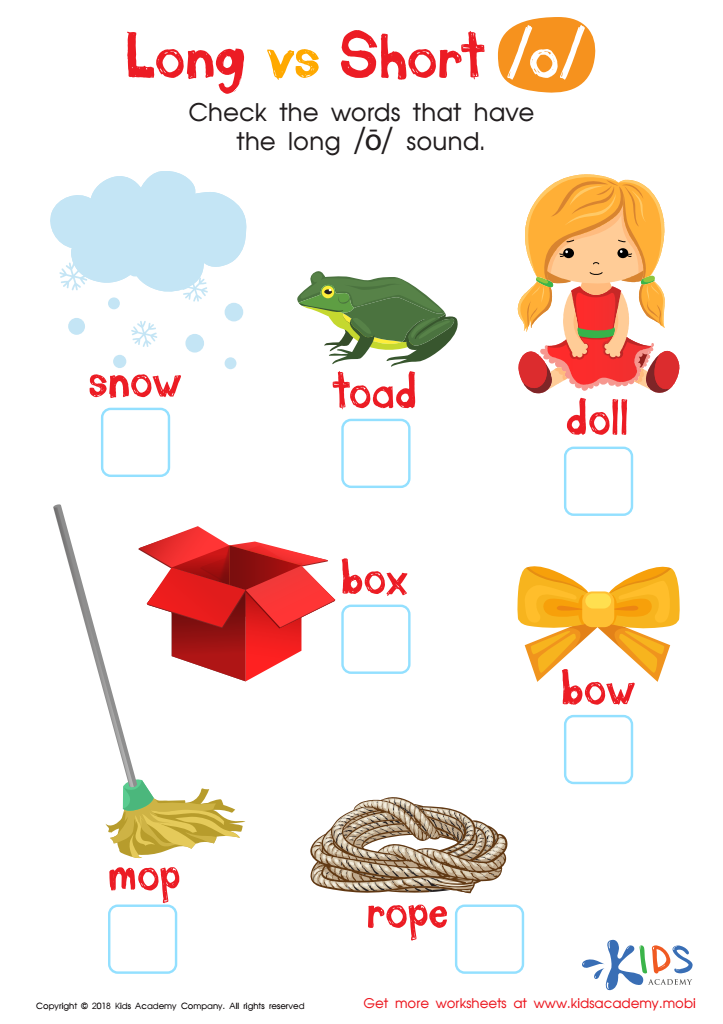
Long vs Short O Reading Worksheet
 Assign to My Students
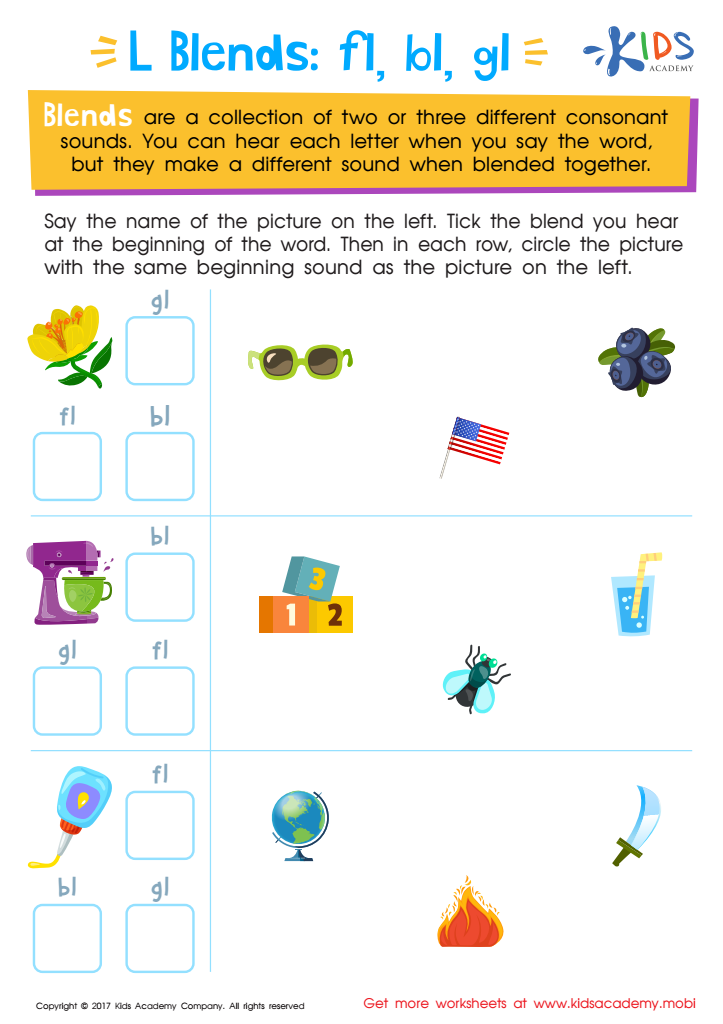
Blending Consonants: "Fl", "Bl" and "Gl" Printable
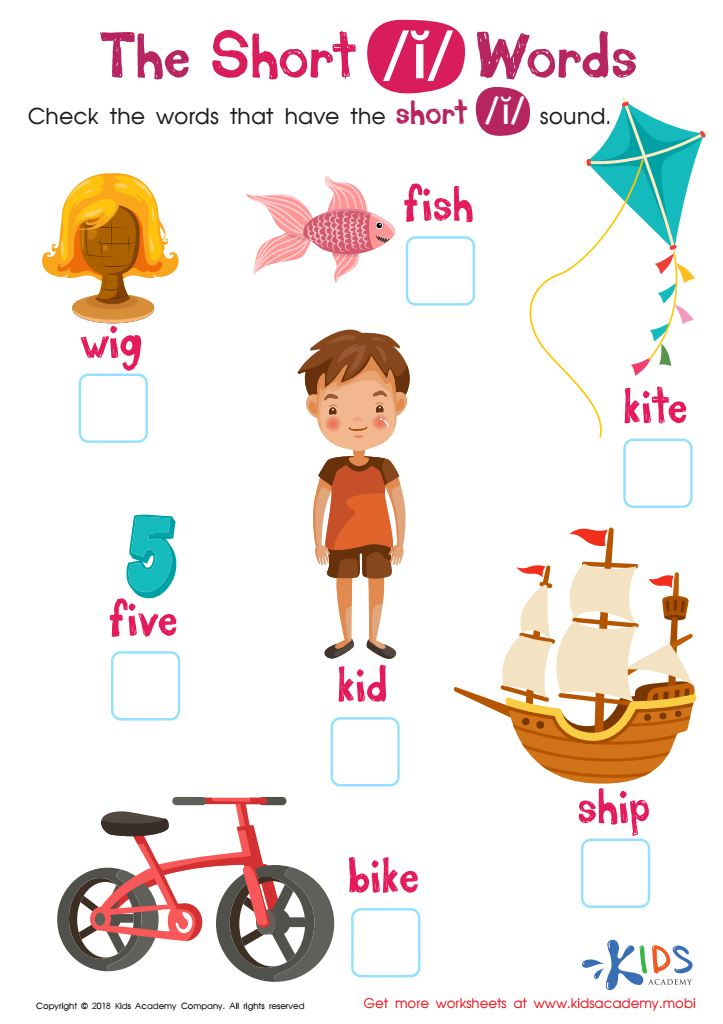
The Short I Words Reading Worksheet
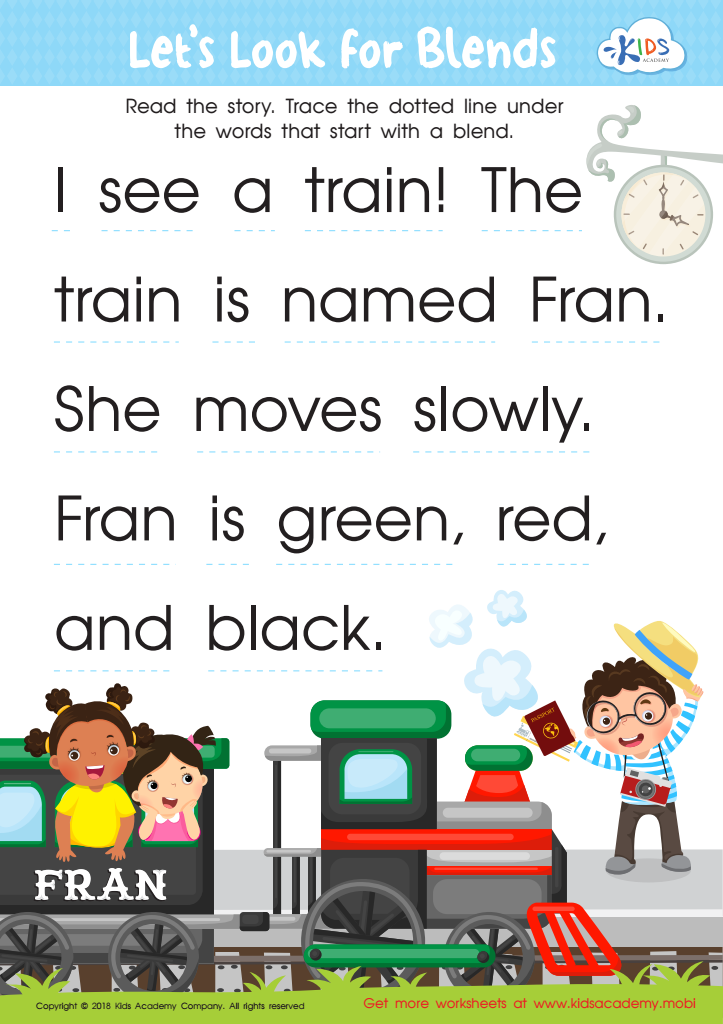
Let's Look for Blends Worksheet
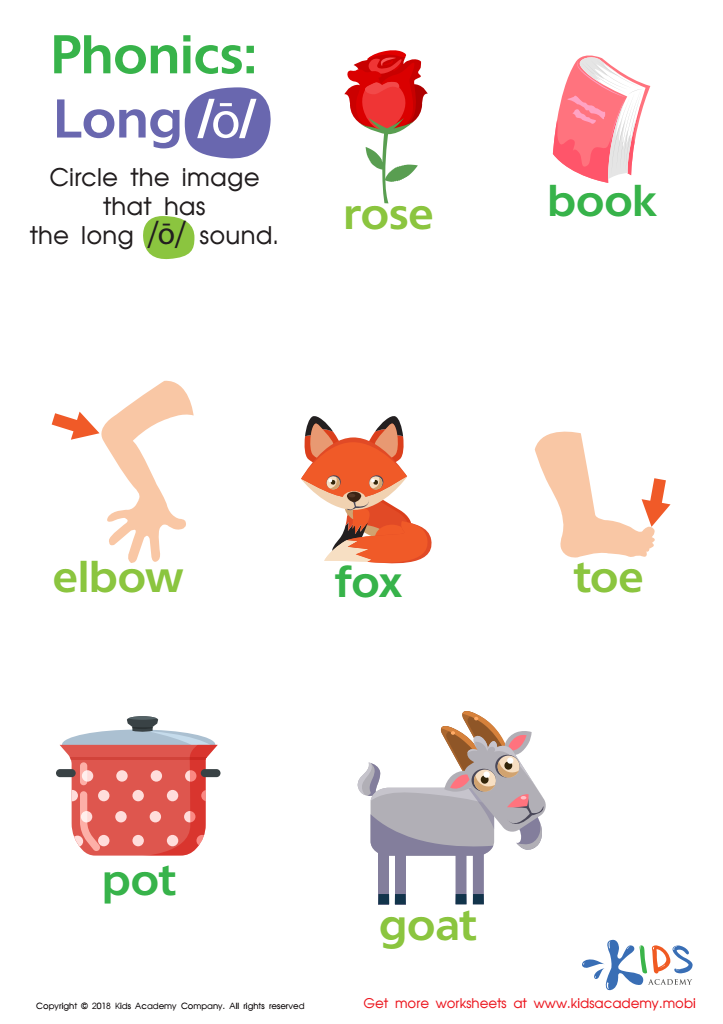
Phonics Long O Reading Worksheet
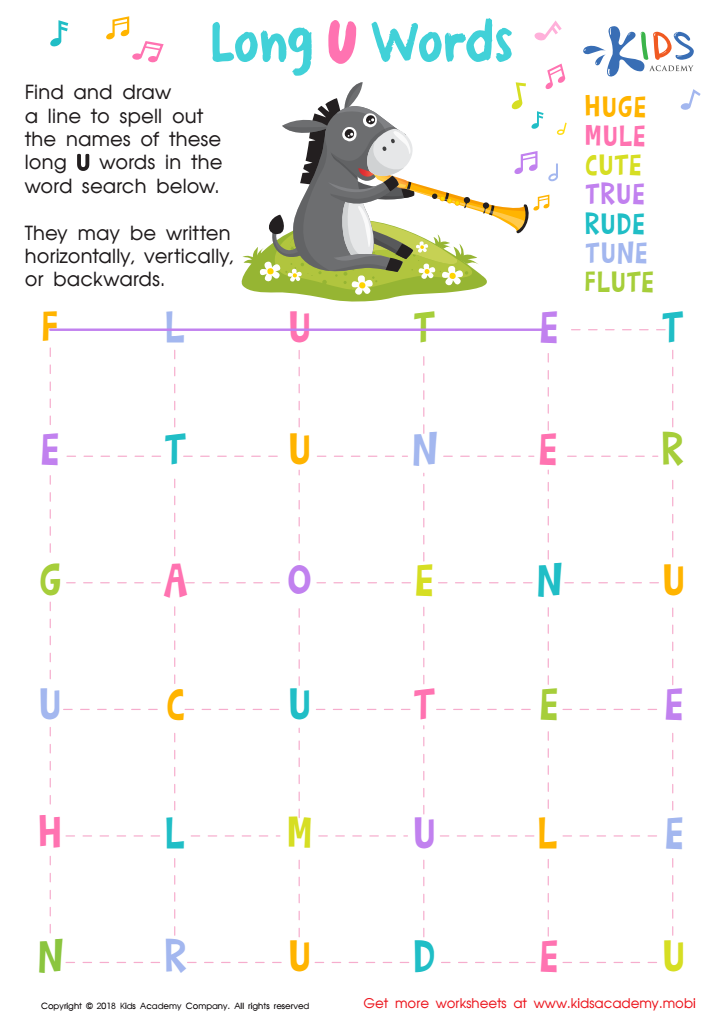
Long /u/ Words Worksheet
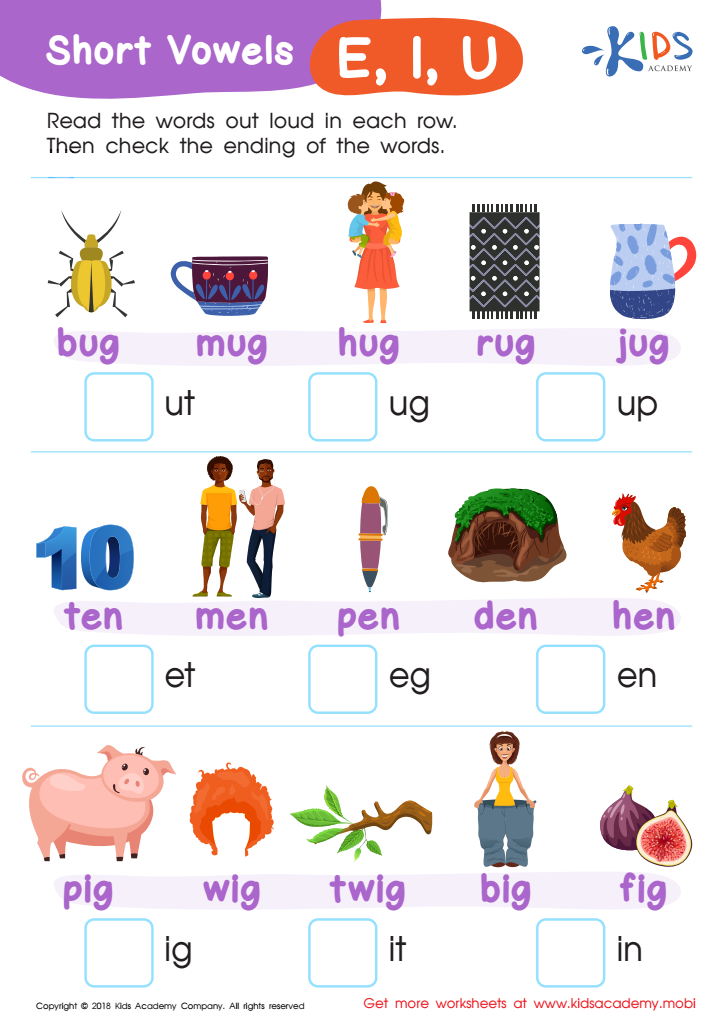
Short Vowels /e/, /i/, and /u/ Worksheet
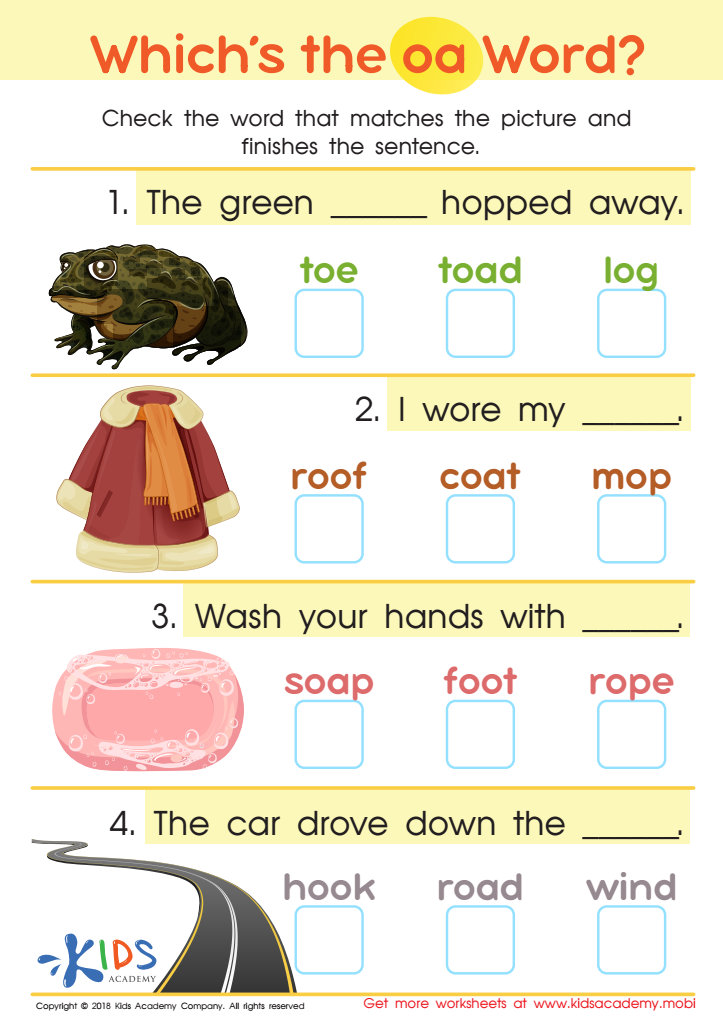
Which's the OA Word? Worksheet
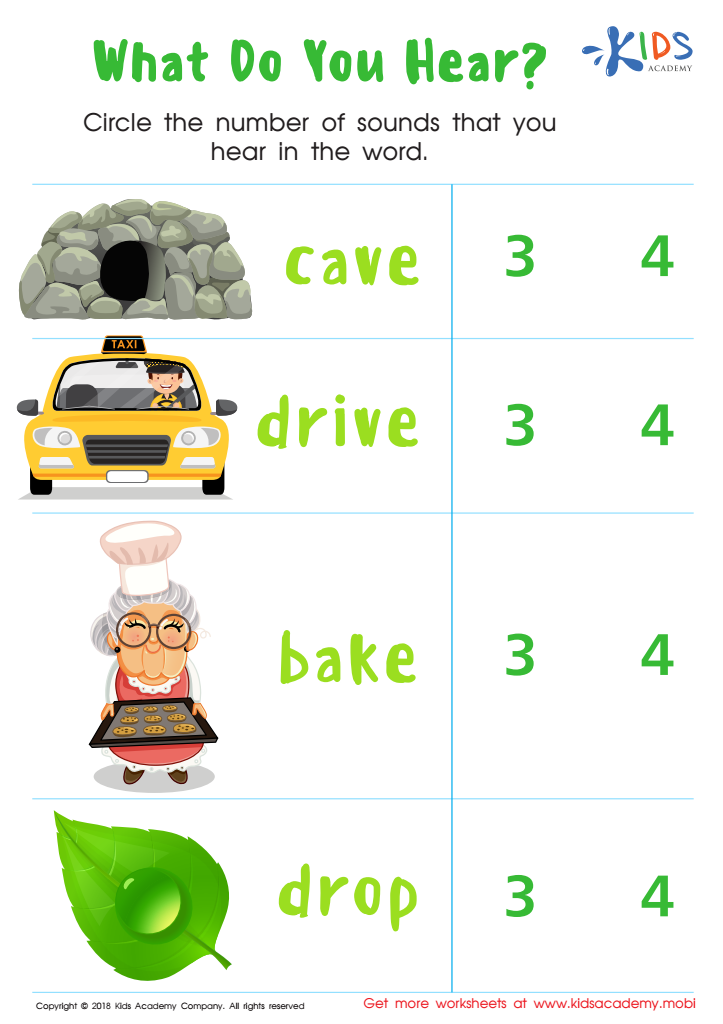
What Do You Hear? Worksheet
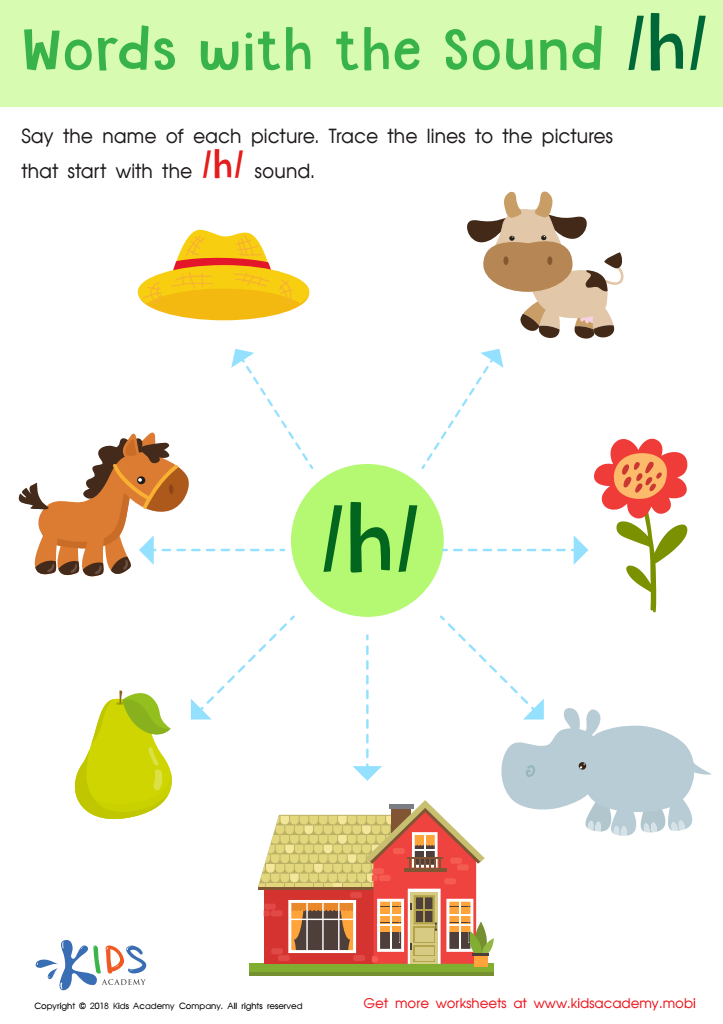
Words with sound h Reading Worksheet
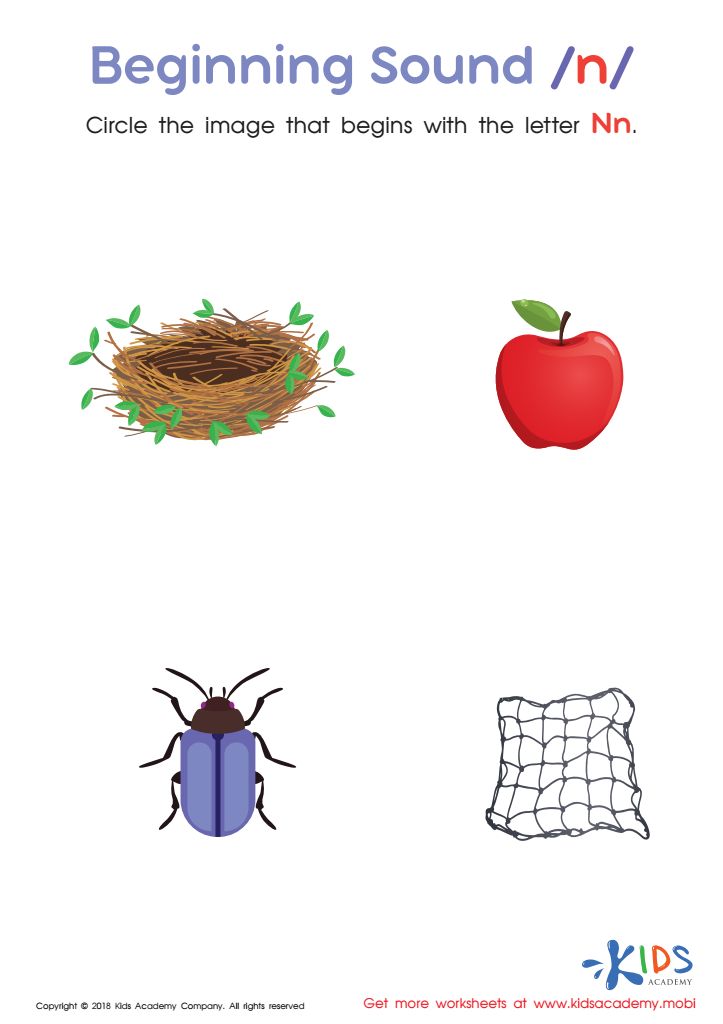
Beginning Sound «n» Worksheet
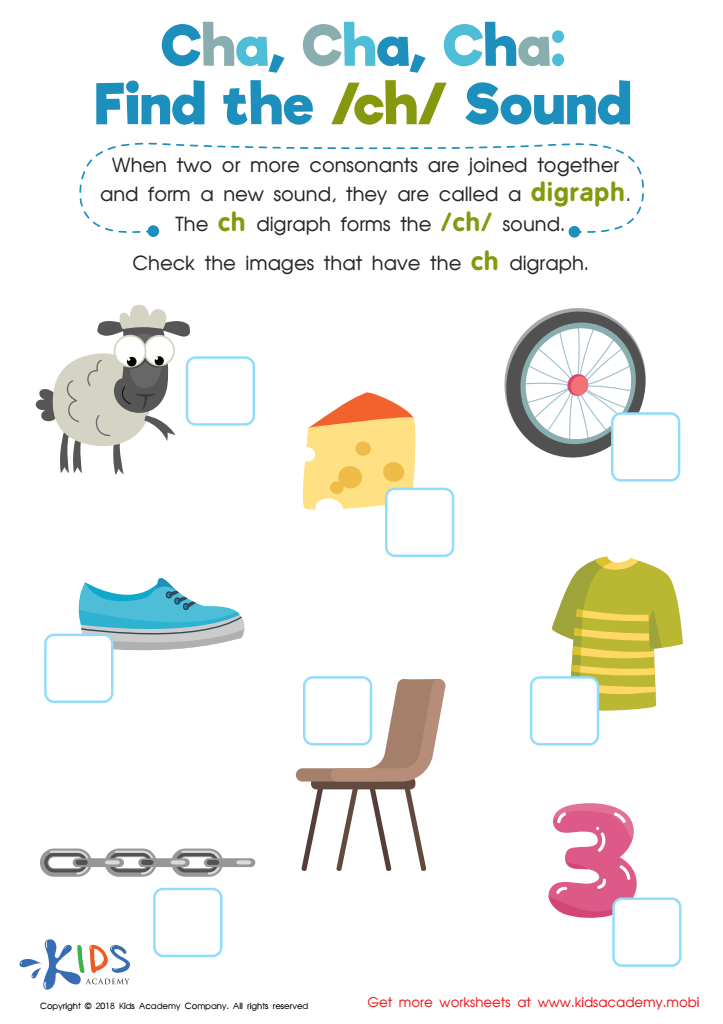
Cha, Cha, Cha: Find the /Ch/ Sound Worksheet
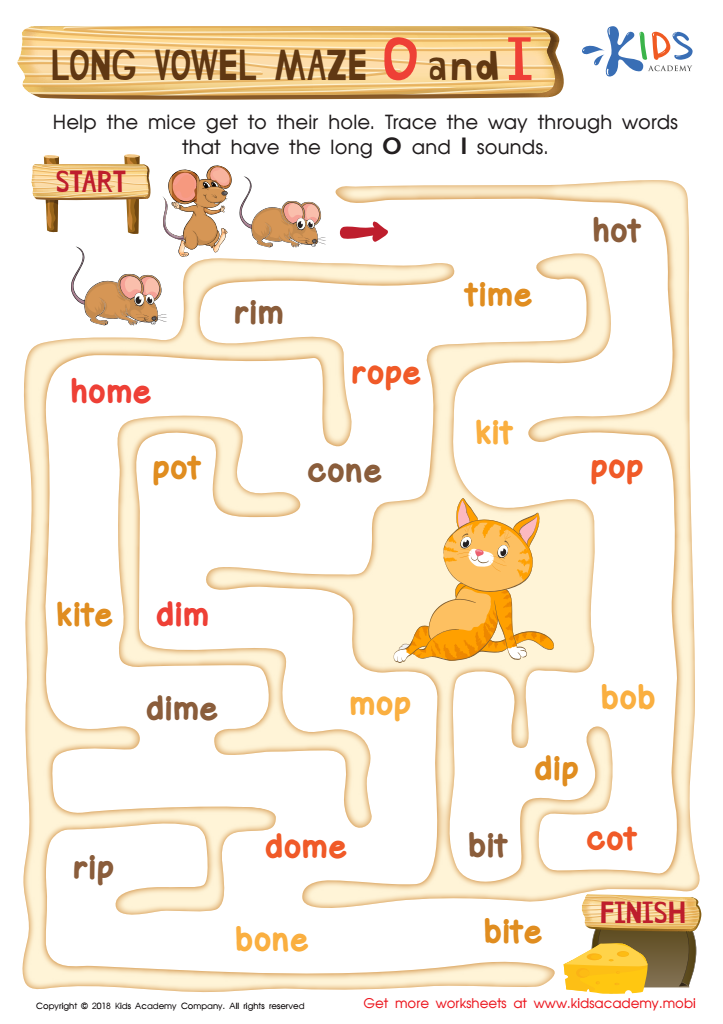
Long Vowel Maze /o/ and /i/ Worksheet
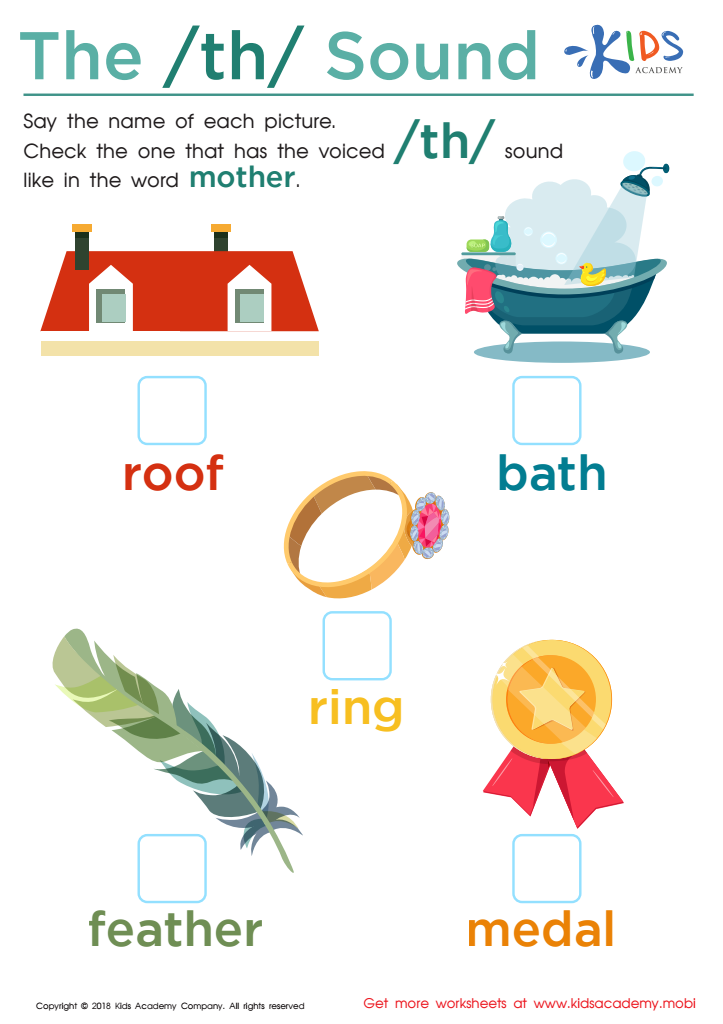
The /th/ Sound Worksheet
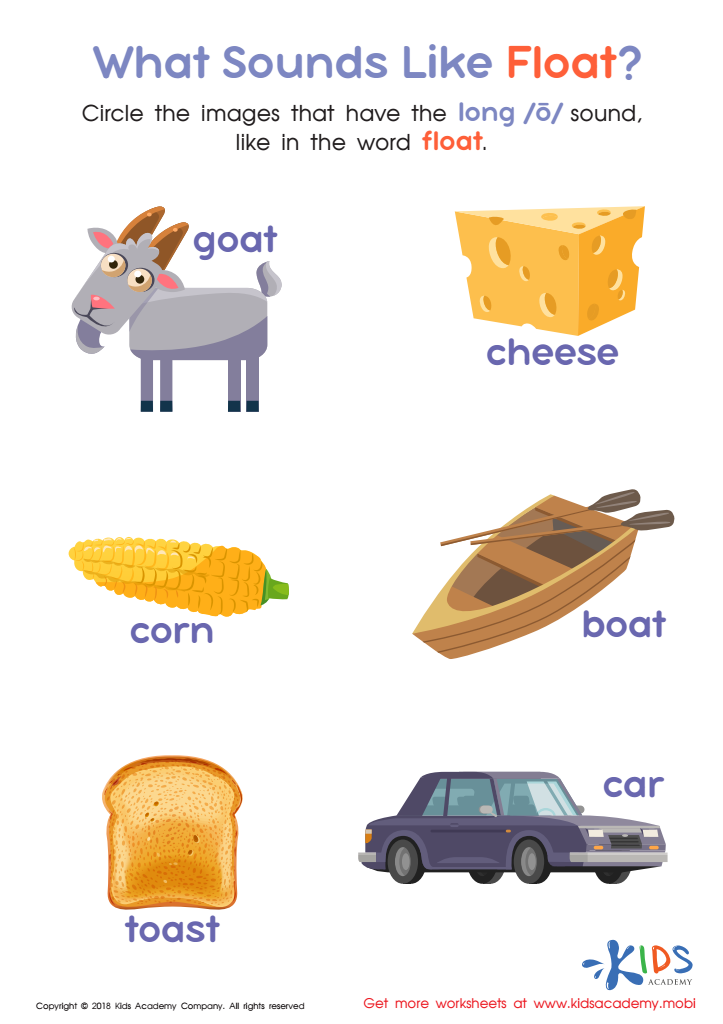
What Sounds Like Float? Worksheet
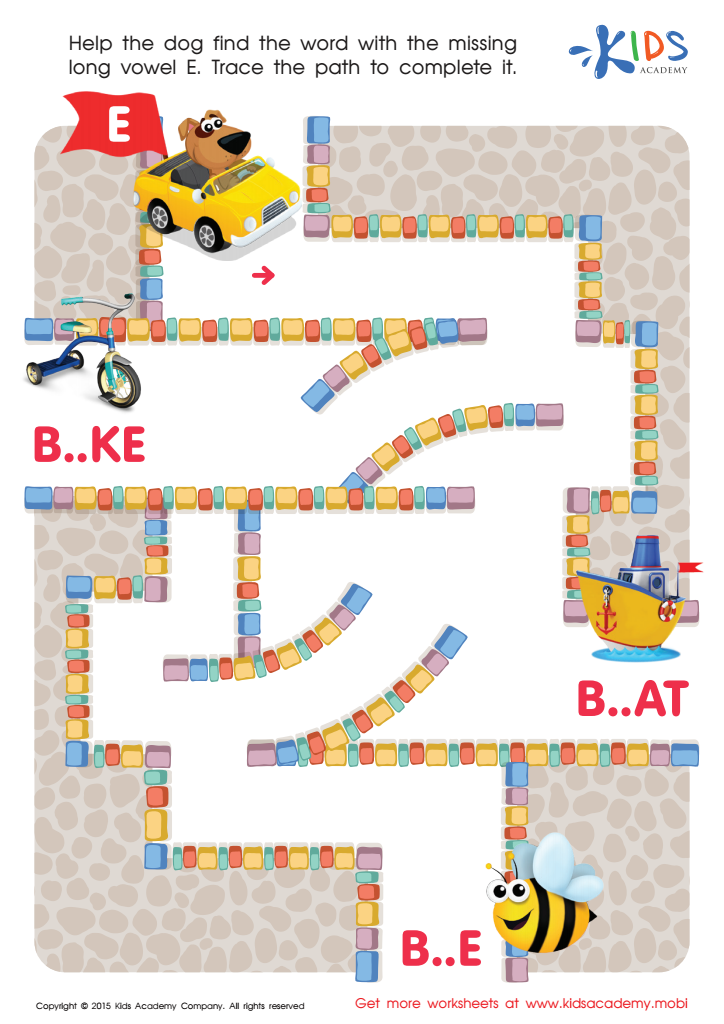
Long Vowel Sound E Worksheet
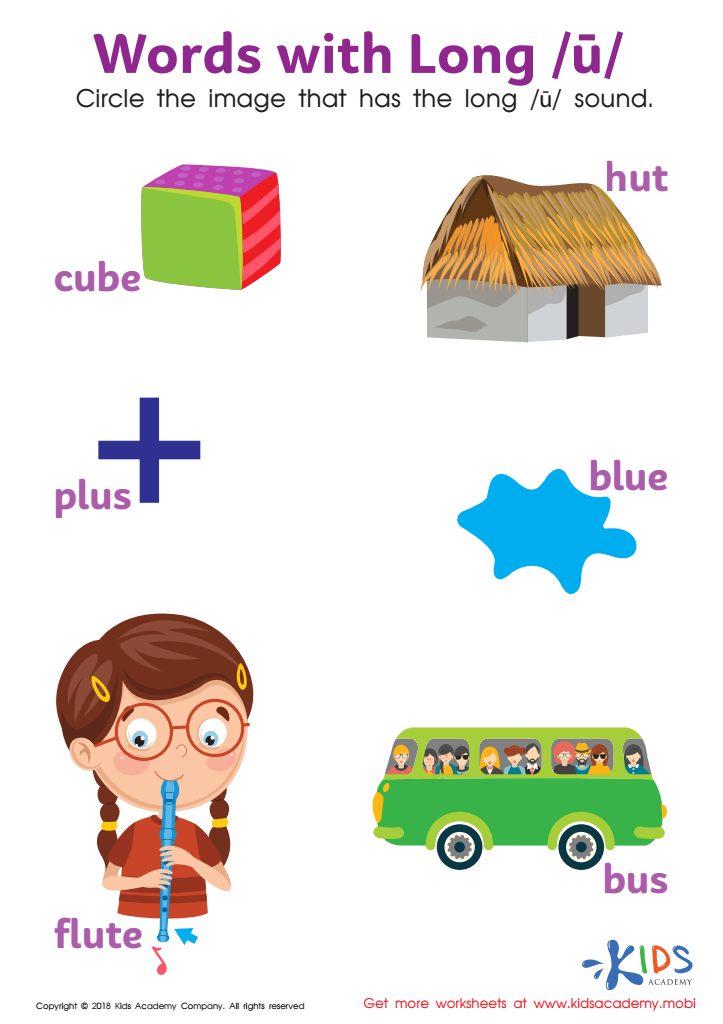
Words with Long U Reading Worksheet
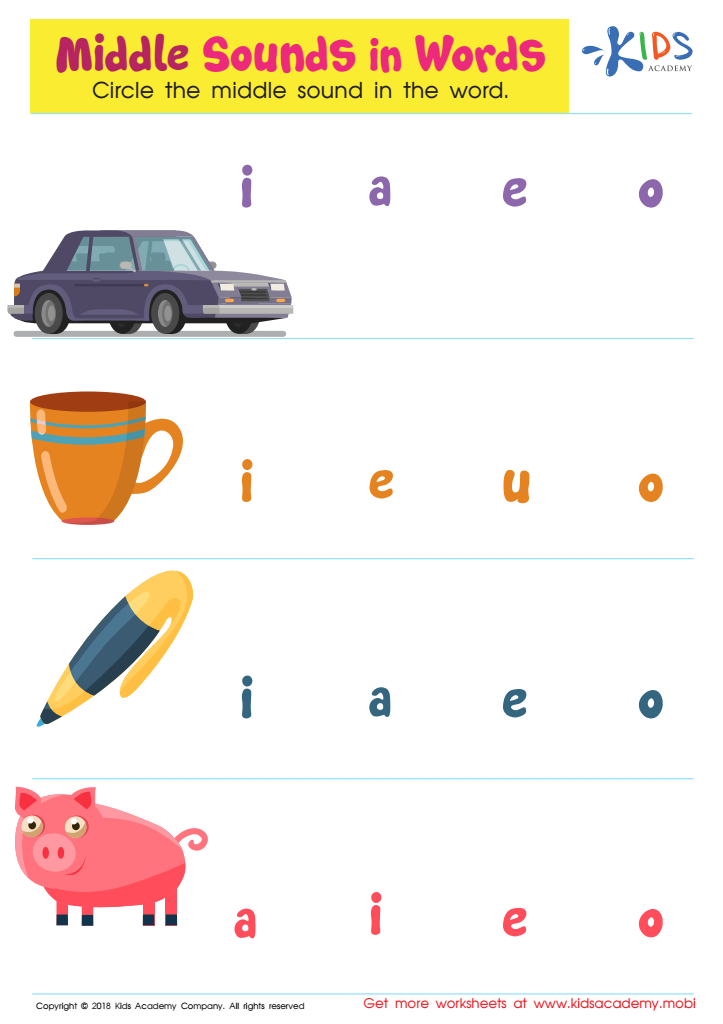
Middle Sounds in Words Worksheet
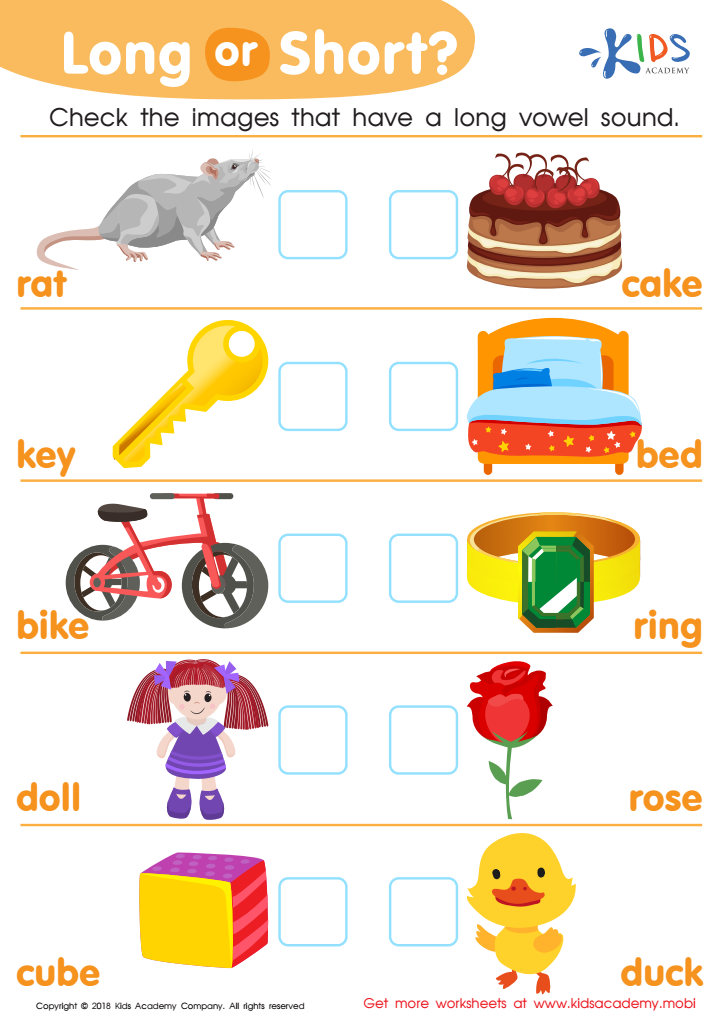
Long or Short Reading Worksheet
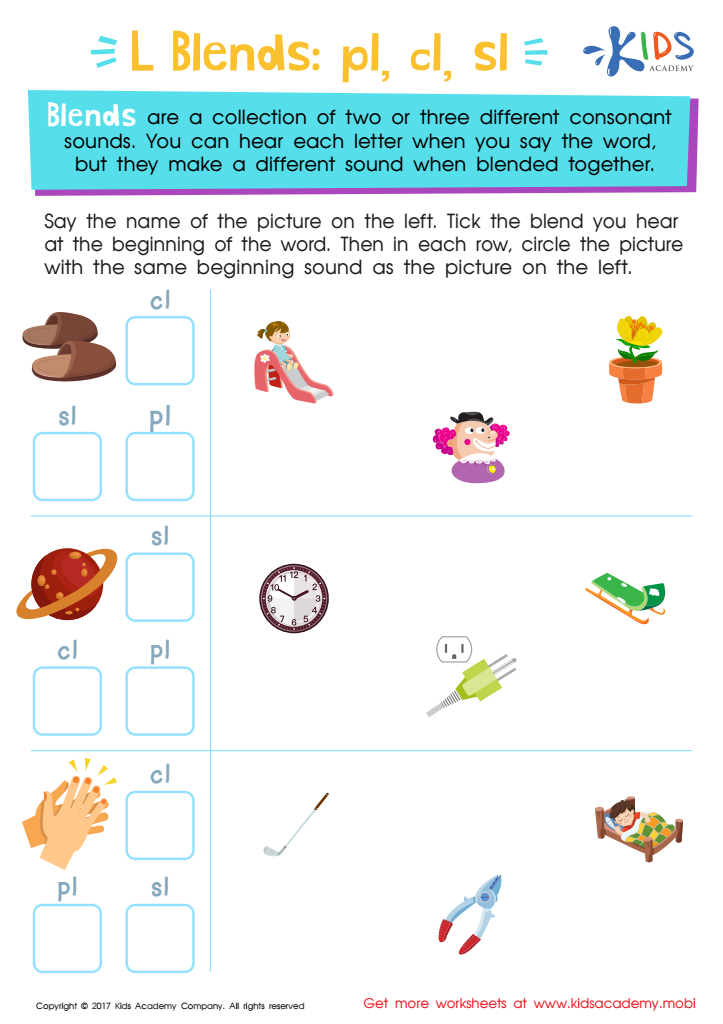
L Blends: "Pl", "Cl" and "Sl" Printable
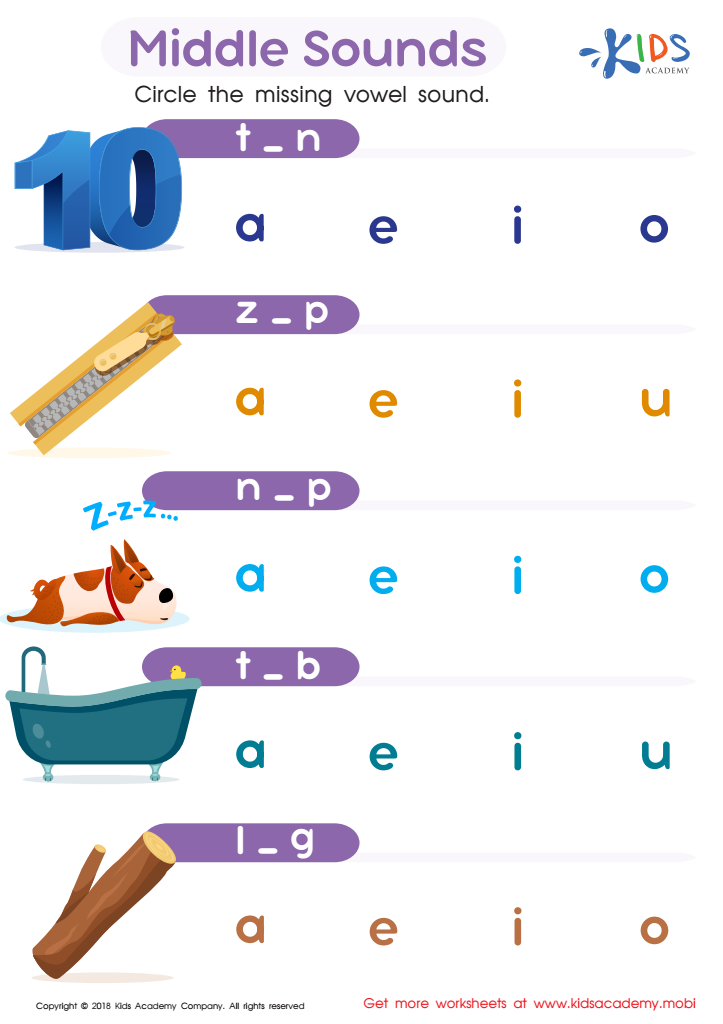
Middle Sounds Worksheet
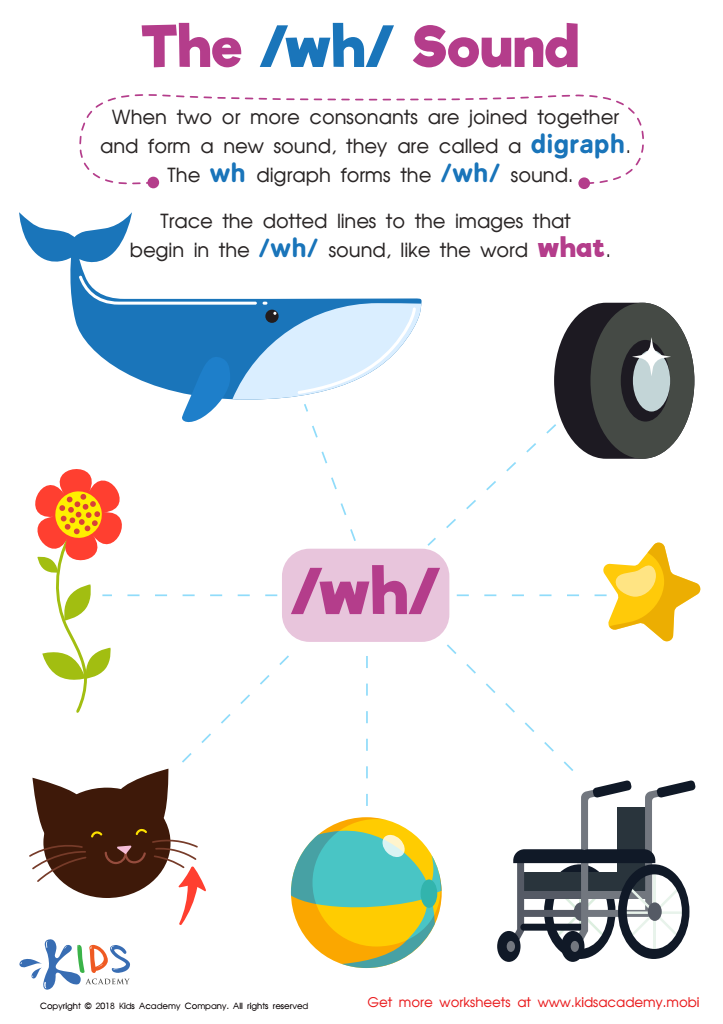
The /wh/ Sound Worksheet
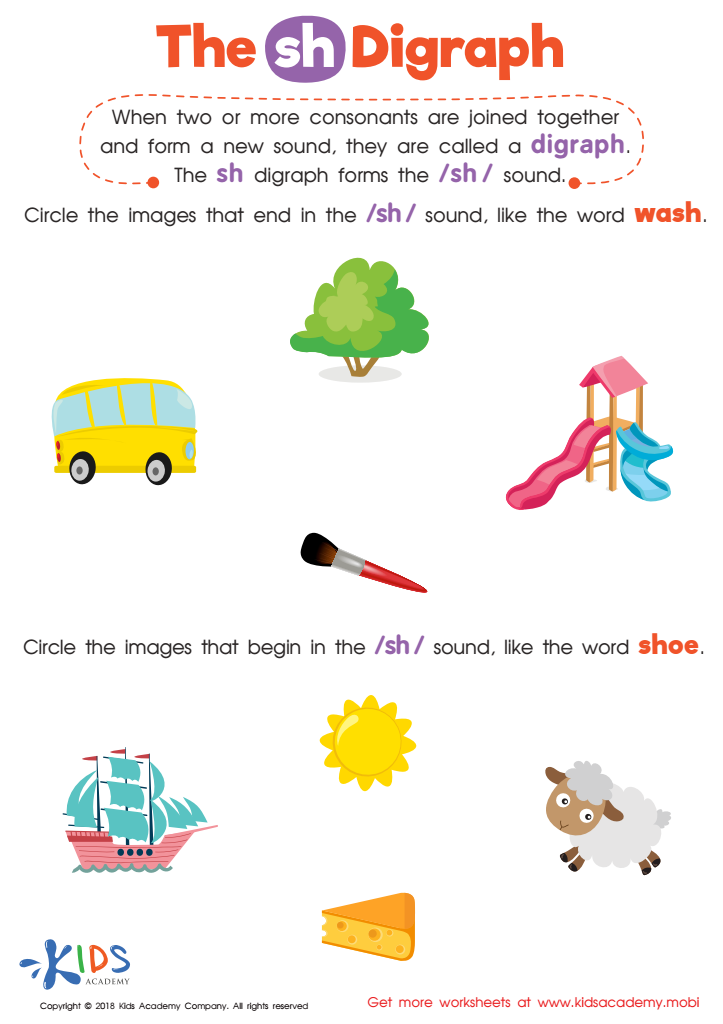
The SH Digraph Worksheet
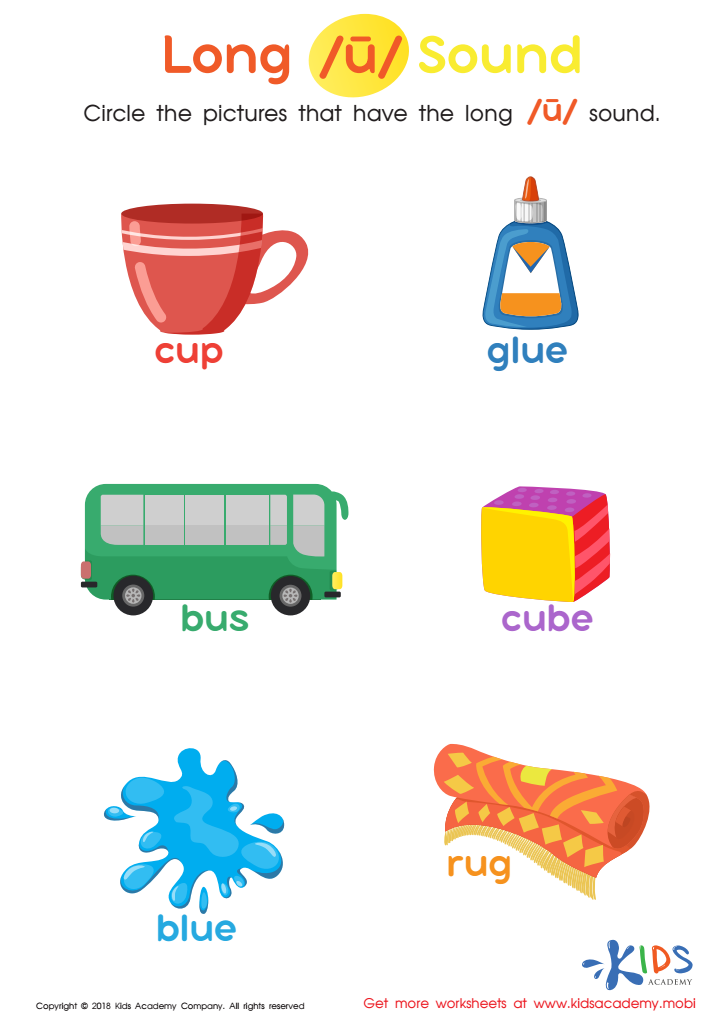
Long «u» Sound Worksheet








Phonics skills are fundamental for early reading success, particularly for 6-year-olds as they embark on their literacy journey. Understanding the normal alphabet and its sounds forms the foundation of phonics, which helps young learners decode words efficiently. Immersing students in phonics allows them to recognize letter-sound relationships, making it easier to sound out and spell words, fostering greater confidence in their reading abilities.
For parents and teachers, cultivating phonics skills early can significantly impact a child’s overall academic performance. Proficiency in phonics enhances reading fluency, vocabulary development, and comprehension—all critical components of literacy. Children who master phonics are better equipped to tackle more complex texts as they progress in school, reducing the likelihood of future reading difficulties.
Engaging children in phonics activities, such as rhymes, songs, and games, paves a fun avenue for learning. Moreover, establishing strong phonics skills contributes to a lifelong love for reading, essential for personal growth and academic achievement. Ultimately, parents and teachers play a crucial role in promoting phonics, helping to ensure that every child has the necessary tools to succeed not just in reading, but throughout their educational journey.







