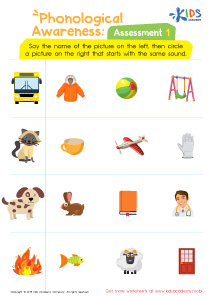
Spelling practice Normal Vowels Worksheets for 6-Year-Olds
14 filtered results
-
From - To
Enhance your child's language skills with our engaging Spelling Practice Normal Vowels Worksheets for 6-Year-Olds. These specially designed worksheets from Kids Academy focus on mastering vowel sounds through fun and interactive exercises. Perfect for young learners, each sheet encourages correct spelling, pronunciation, and recognition of vowel patterns. Boost your child’s confidence in reading and writing with these expertly crafted activities that blend education with enjoyment. Supportive visuals and diverse tasks ensure each lesson is both effective and entertaining. Unlock a world of learning at Kids Academy, where spelling mastery starts early! Download now and watch your child’s skills soar.
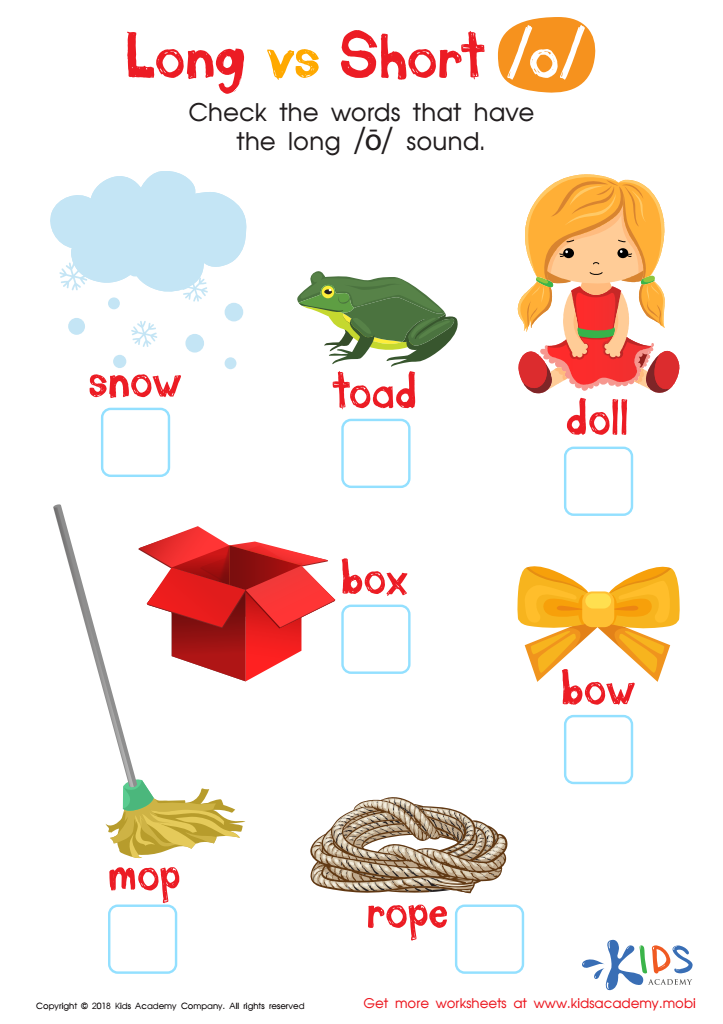
Long vs Short O Reading Worksheet
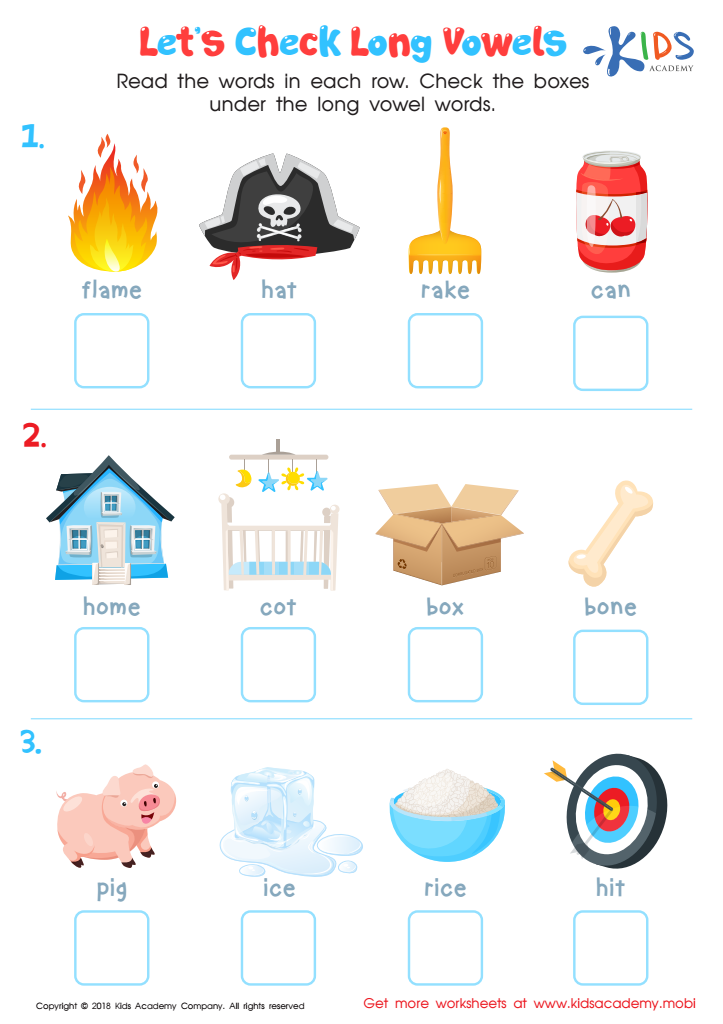
Let's Check Long Vowels: Assessment Worksheet
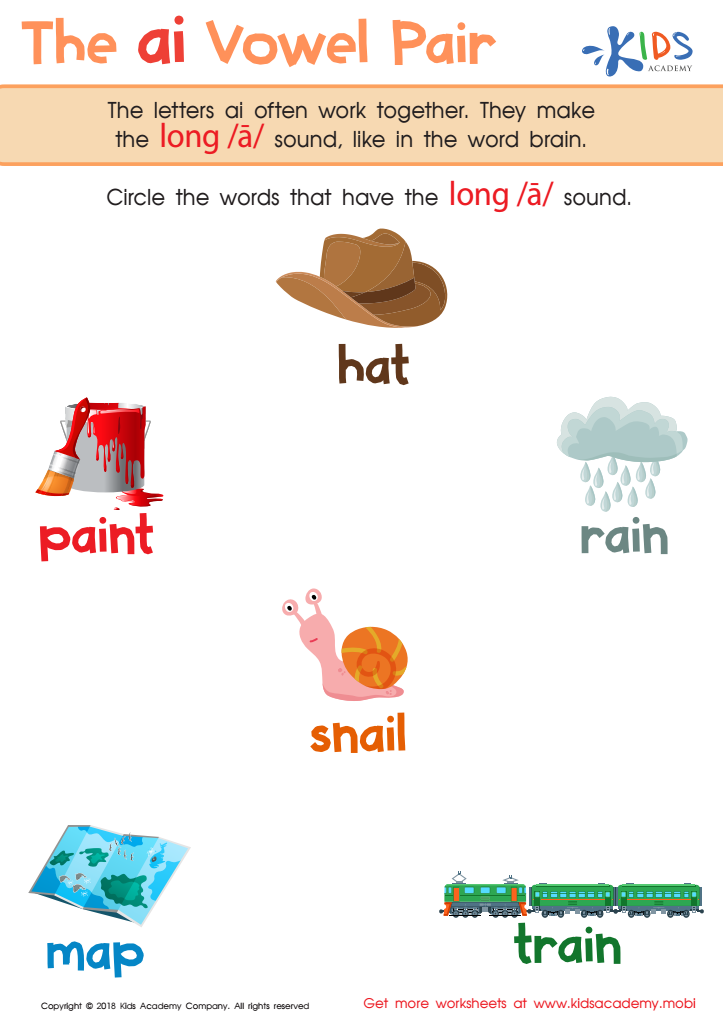
The AI Vowel Pair Worksheet
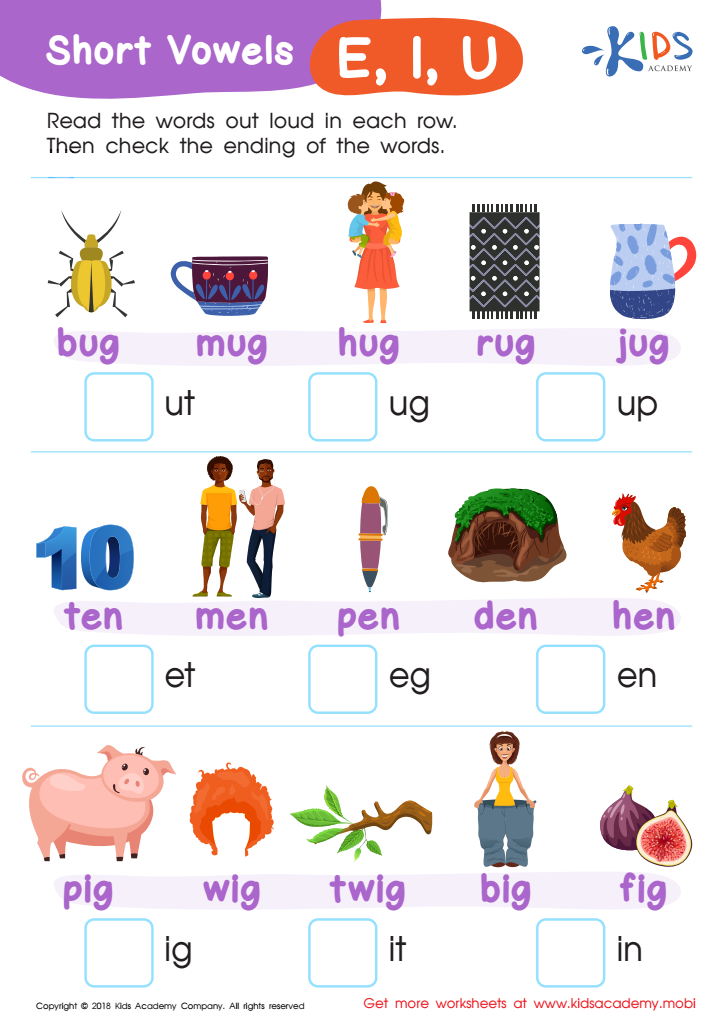
Short Vowels /e/, /i/, and /u/ Worksheet
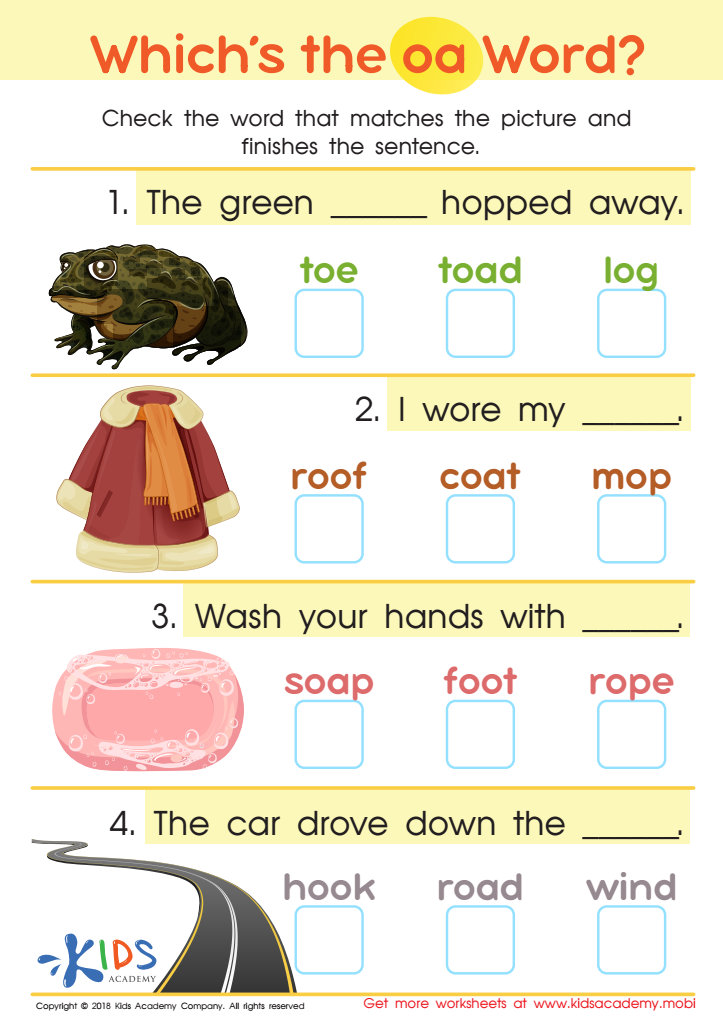
Which's the OA Word? Worksheet
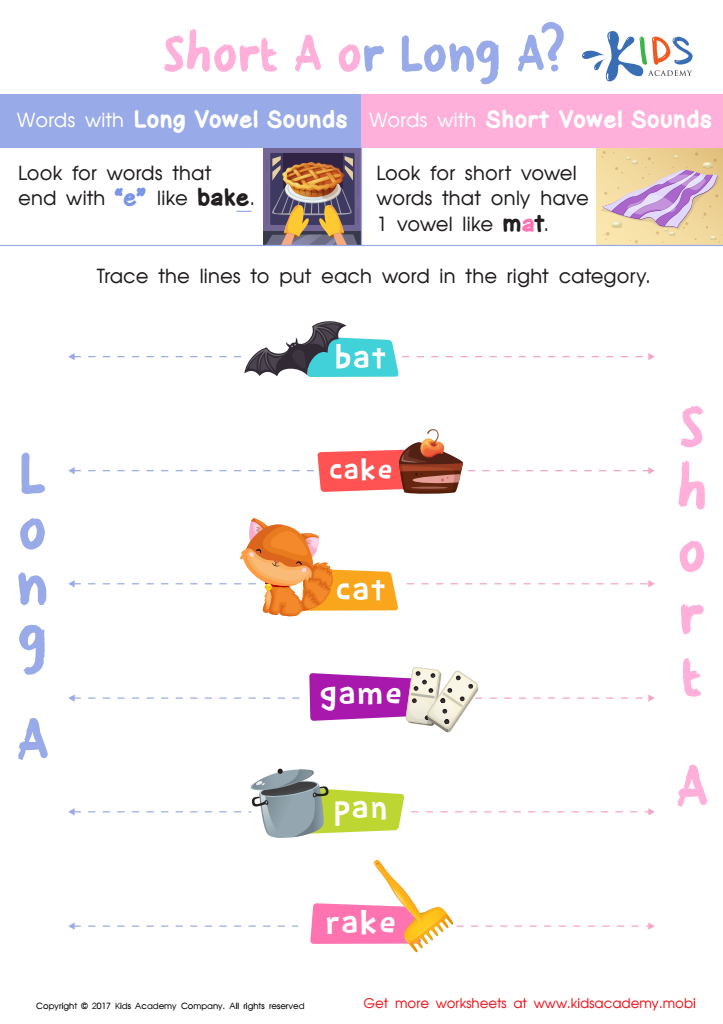
Short /a/ or Long /a/? Worksheet
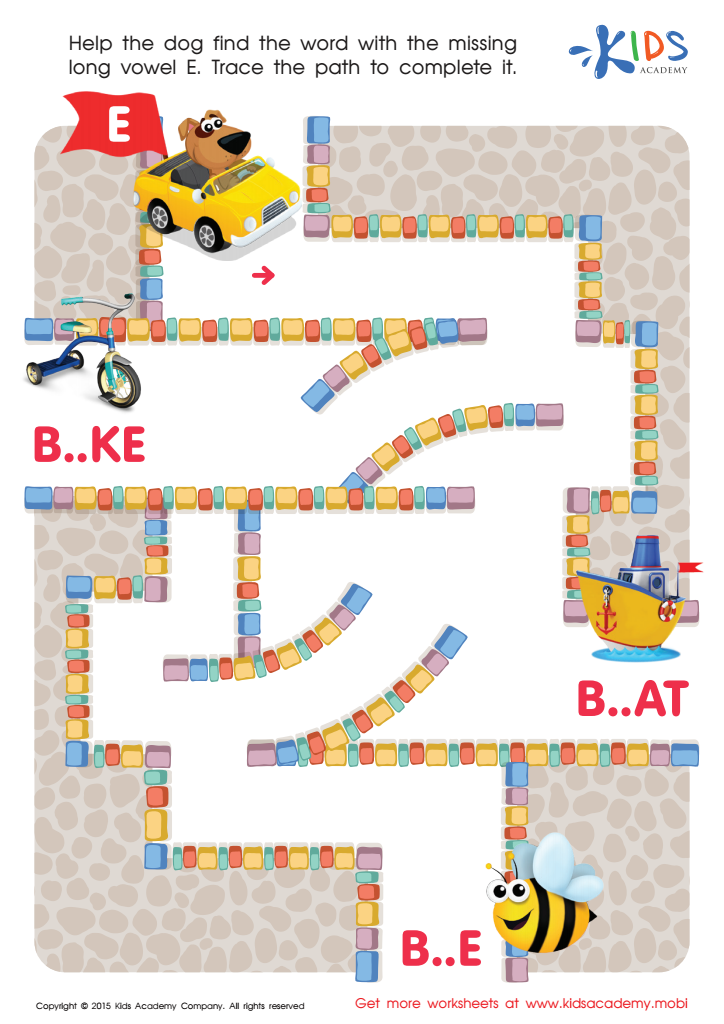
Long Vowel Sound E Worksheet
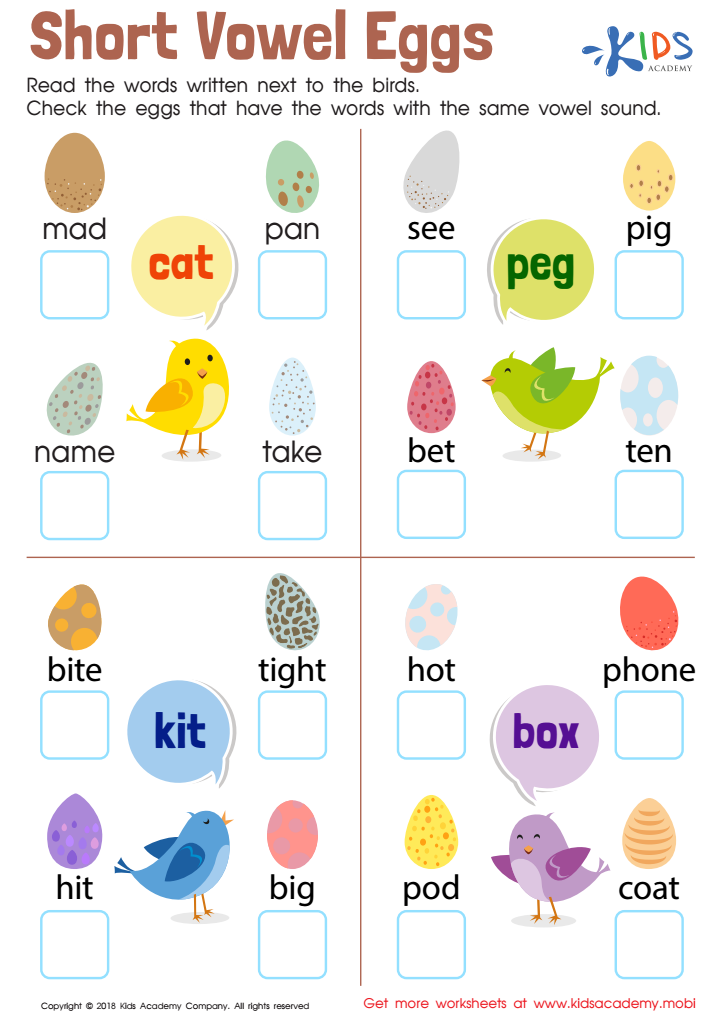
Short Vowel Eggs Worksheet
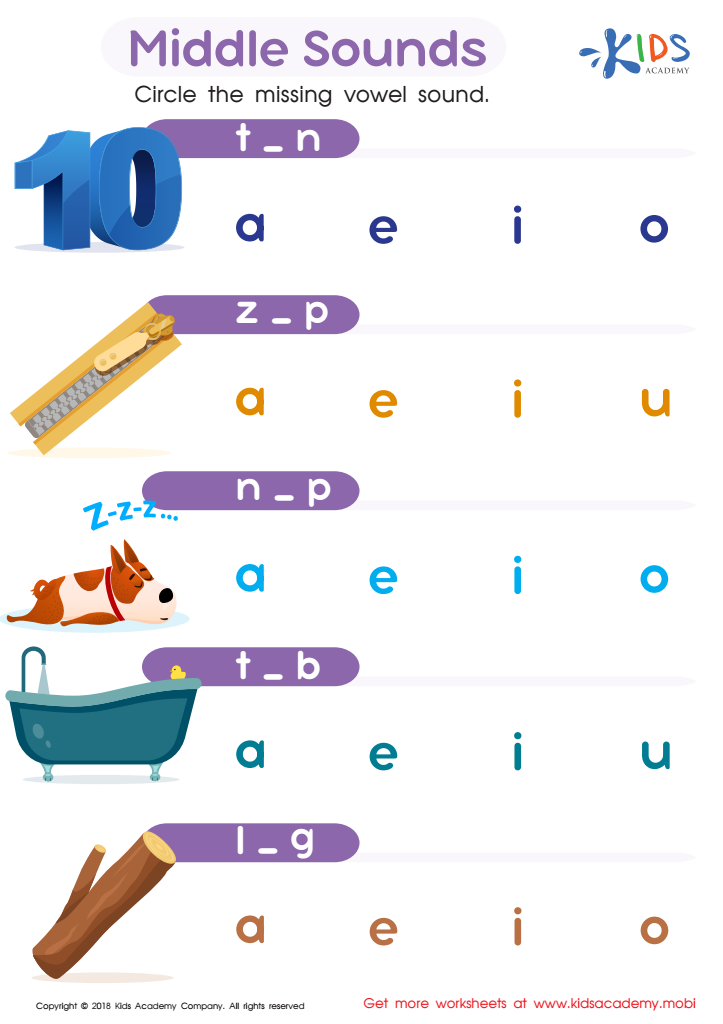
Middle Sounds Worksheet
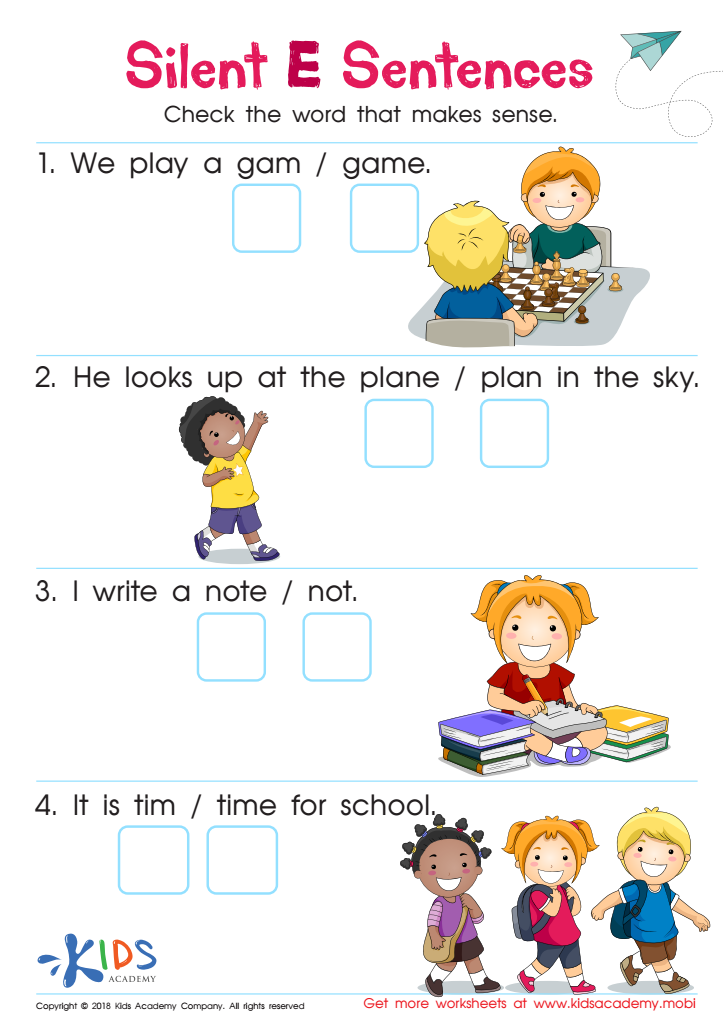
Silent E Sentences Worksheet
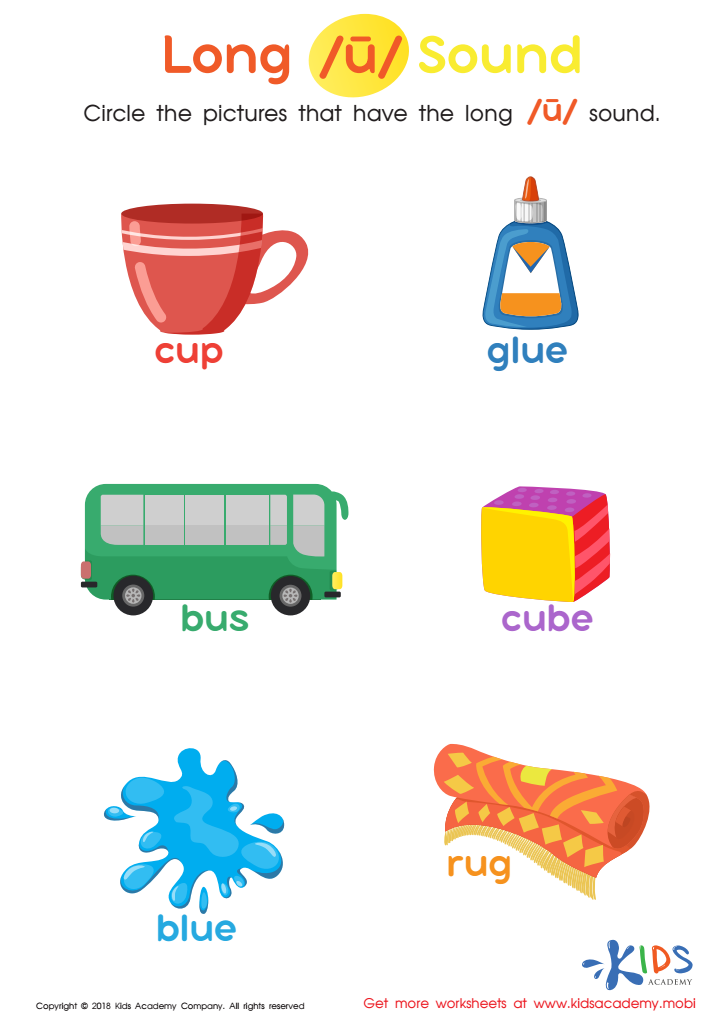
Long «u» Sound Worksheet
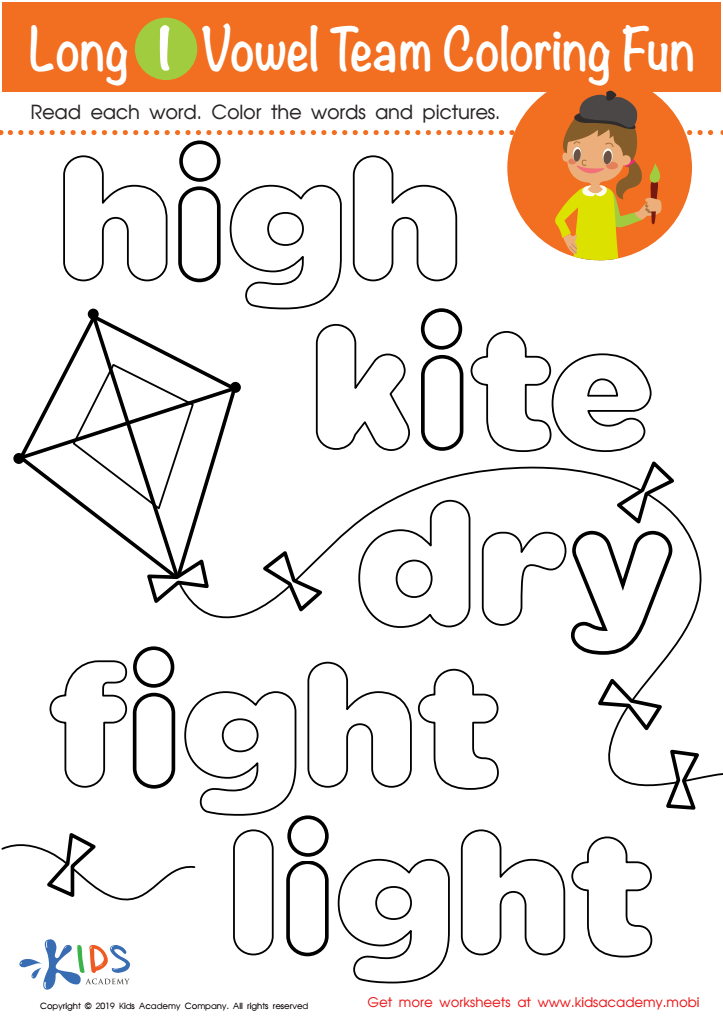
Long I Vowel Team Coloring Worksheet
 Assign to My Students
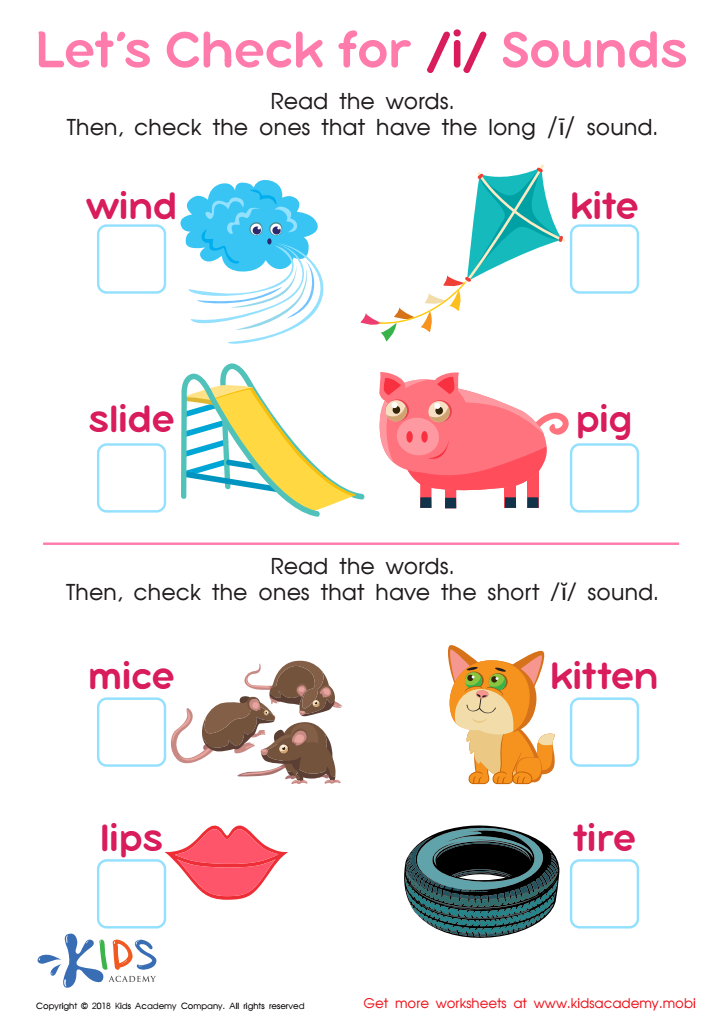
Let's Check for «i» Sounds Worksheet
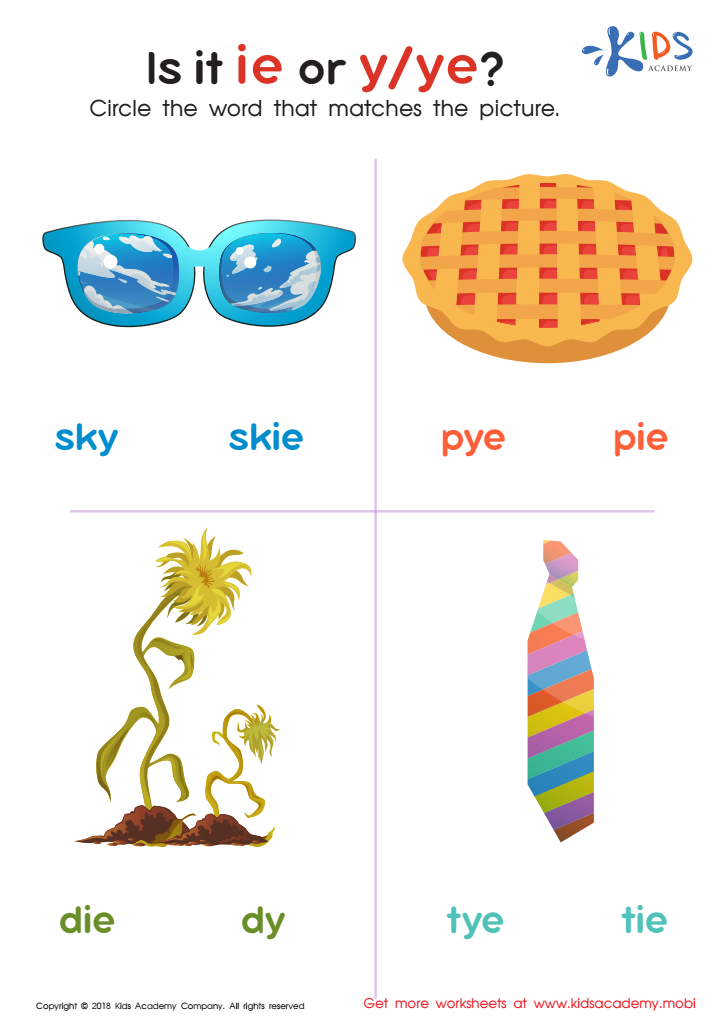
Is It IE or Y/Ye? Worksheet





Parents and teachers should prioritize spelling practice with normal vowels for 6-year-olds, as it builds crucial literacy skills foundational to all future learning. At this age, children are typically in the early stages of written and spoken language development. Understanding vowel sounds helps them decode words more effectively and enhances their reading fluency. Regular practice solidifies the connection between letters and sounds, fostering better word recognition.
Moreover, accurate spelling encourages clarity in writing. When children learn to spell simple words correctly, they gain confidence, setting a positive tone for continued educational endeavors. Consistent spelling practice helps underscore patterns and rules in the English language, making future learning easier.
Furthermore, early mastery of spelling supports vocabulary development. As children become more comfortable with basic words, they can explore more complex texts independently, which cultivates a love for reading and a habit of lifelong learning.
Early intervention is key; establishing solid spelling skills by age six prevents difficulties later. Engaging activities, like phonics games and hands-on letter work, make learning enjoyable, nurturing a positive association with education. Thus, focusing on normal vowel spelling at this formative age is an investment in a child’s overall academic success and enthusiasm for learning.