Developing analytical skills Normal Worksheets for 6-Year-Olds
6 filtered results
-
From - To
Our "Developing Analytical Skills" normal worksheets are expertly designed for 6-year-olds to boost critical thinking and foster a love for learning. These engaging worksheets from Kids Academy cover various foundational topics, enhancing observation, problem-solving, and logical reasoning. Ideal for young learners, each activity stimulates curiosity and encourages deeper understanding through fun and interactive challenges. Equip your child with the essential skills needed for academic and personal growth in a thoughtfully structured way. Perfect for both classroom and home use, these worksheets are a step towards nurturing intelligent, independent, and analytical young minds.
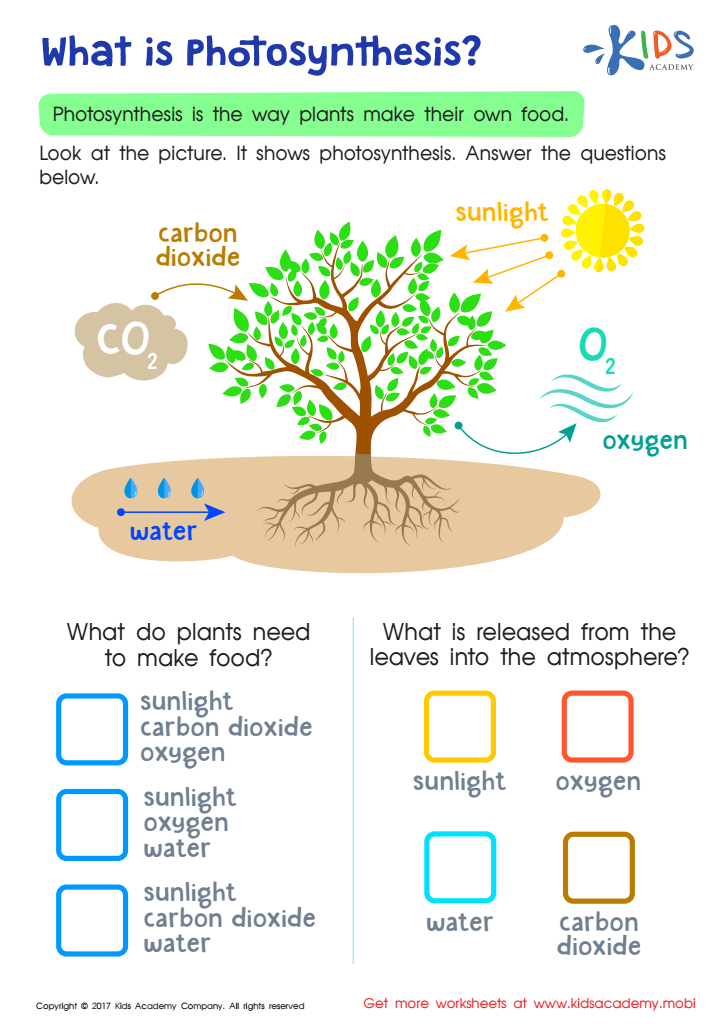
What is Photosynthesis Printable
 Assign to My Students
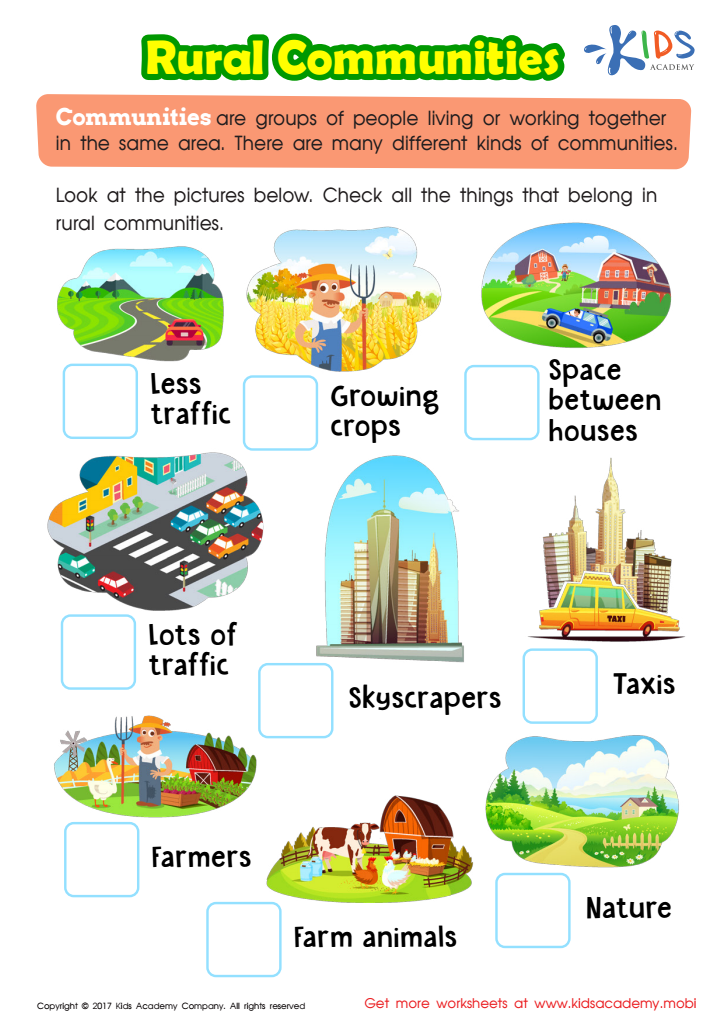
Rural Communities Printable
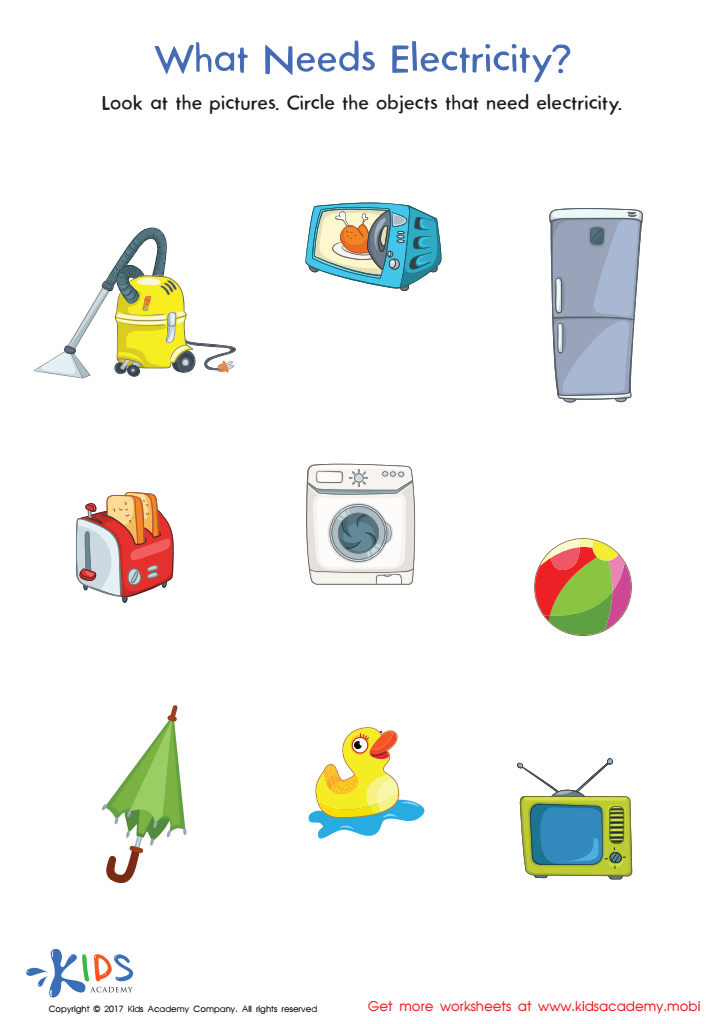
What Needs Electricity Printable
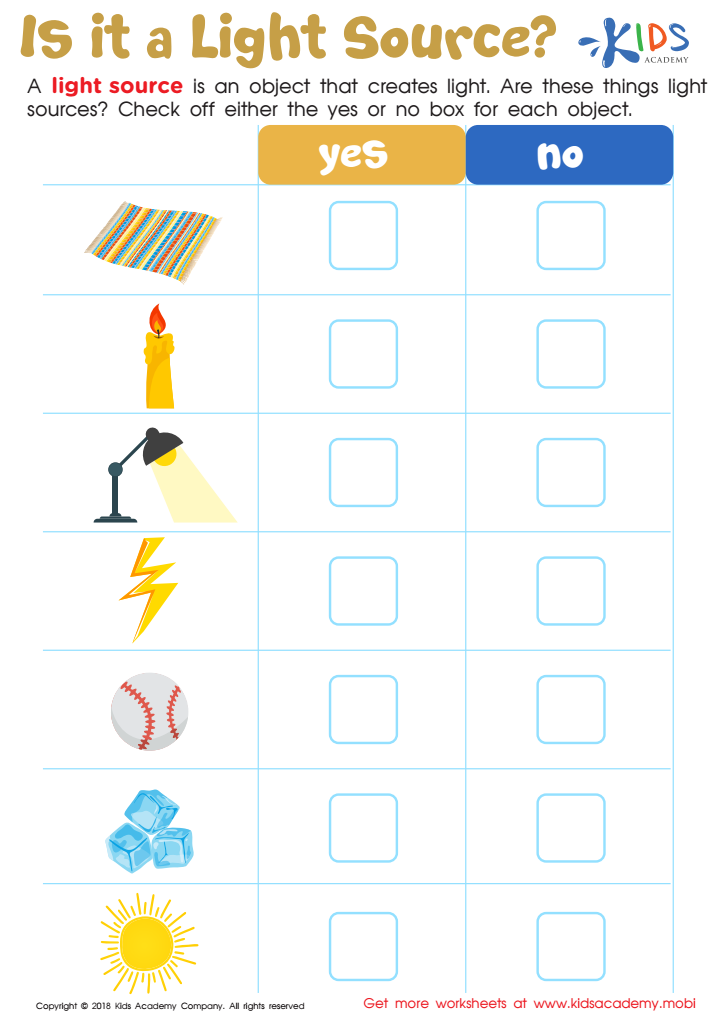
Is It a Light Source? Worksheet
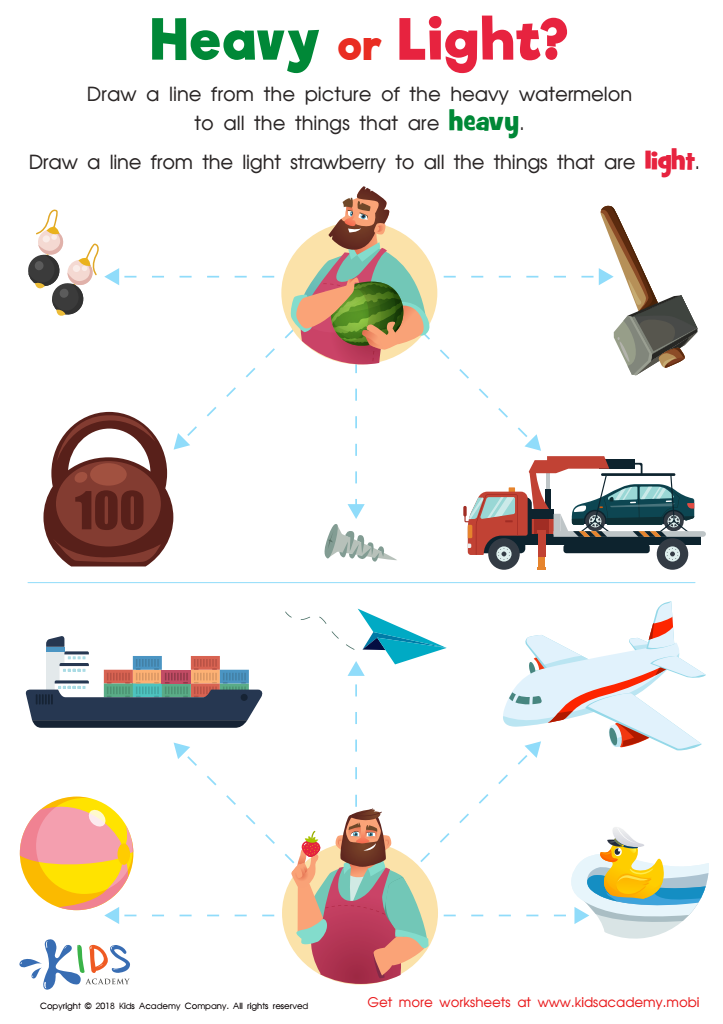
Heavy or Light? Worksheet

How Light Travels Worksheet








Developing analytical skills in 6-year-olds is essential for fostering critical thinking and problem-solving abilities, which are foundational for lifelong learning. At this age, children are naturally curious and eager to explore the world around them. Encouraging analytical thinking helps them make sense of their experiences and learn how to approach new situations thoughtfully.
For parents and teachers, focusing on these skills can significantly boost a child's educational journey. Analytical skills help children comprehend complex concepts in subjects like math, science, and reading. For instance, when children are taught to look for patterns, make predictions, and interpret data, they're better equipped to understand storylines, solve puzzles, and grasp mathematical relationships.
Moreover, these skills support emotional and social development. Kids who can think analytically are better at understanding perspectives, identifying the causes and effects of actions, and resolving conflicts. This competence fosters more effective communication and collaboration with peers.
Lastly, in today’s rapidly changing world, analytical skills prepare children for future challenges. The ability to think critically and solve problems creatively is highly valued in the workforce and everyday life. Investing in developing these skills early enriches a child's cognitive toolkit, setting a strong foundation for academic success and personal growth.








