Sequencing Skills Normal Worksheets for 6-Year-Olds
5 filtered results
-
From - To
Welcome to our Sequencing Skills worksheets designed for 6-year-olds! These engaging and interactive resources help young learners develop essential sequencing skills through fun activities. Our worksheets encourage children to arrange events in a logical order, enhancing their comprehension and storytelling abilities. With colorful illustrations and age-appropriate exercises, children will enjoy practicing sequencing with various themes. Whether it’s putting steps of a story in order or arranging pictures, these worksheets make learning enjoyable. Perfect for use at home or in the classroom, our Sequencing Skills worksheets are tailored to foster cognitive development and critical thinking in early learners. Explore our collection today!
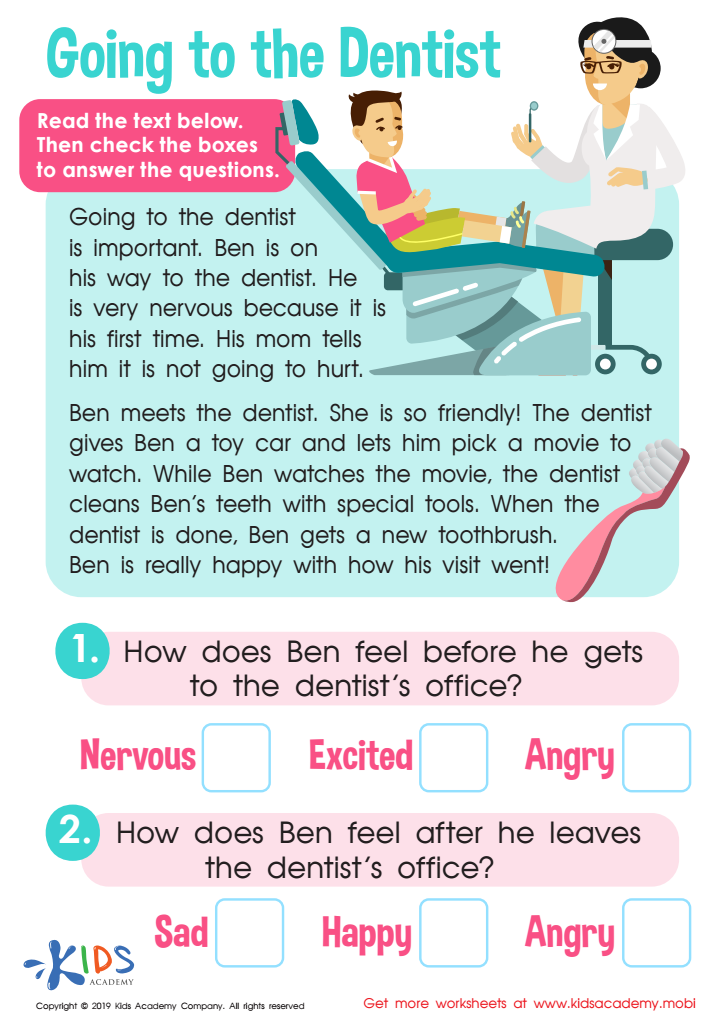
Going to the Dentist Worksheet
 Assign to My Students
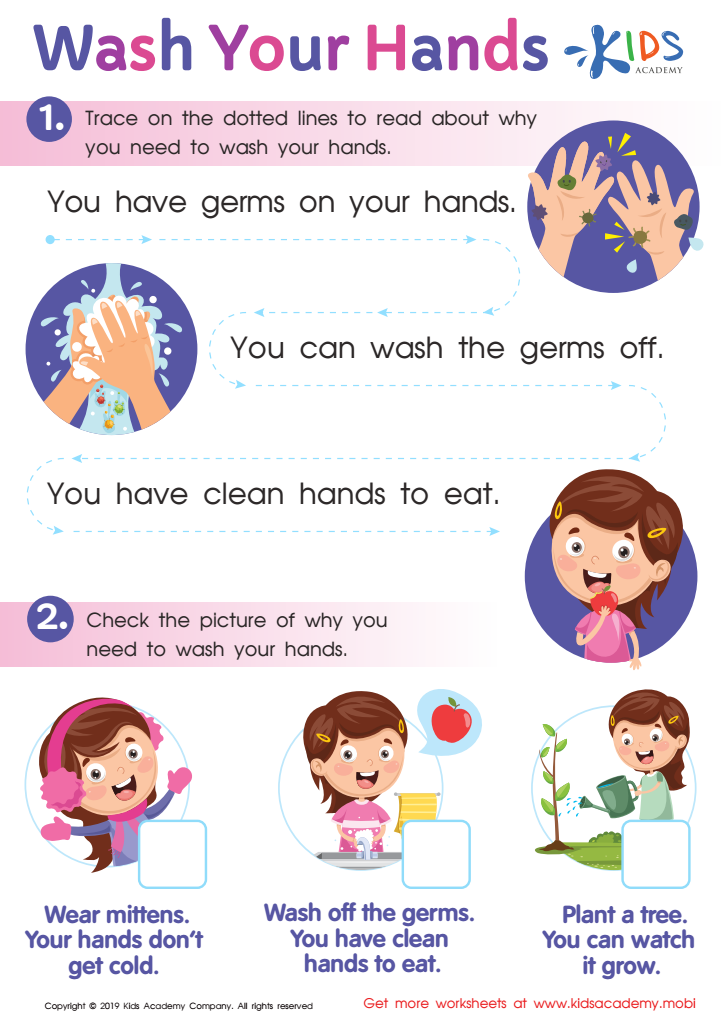
Wash Your Hands Worksheet
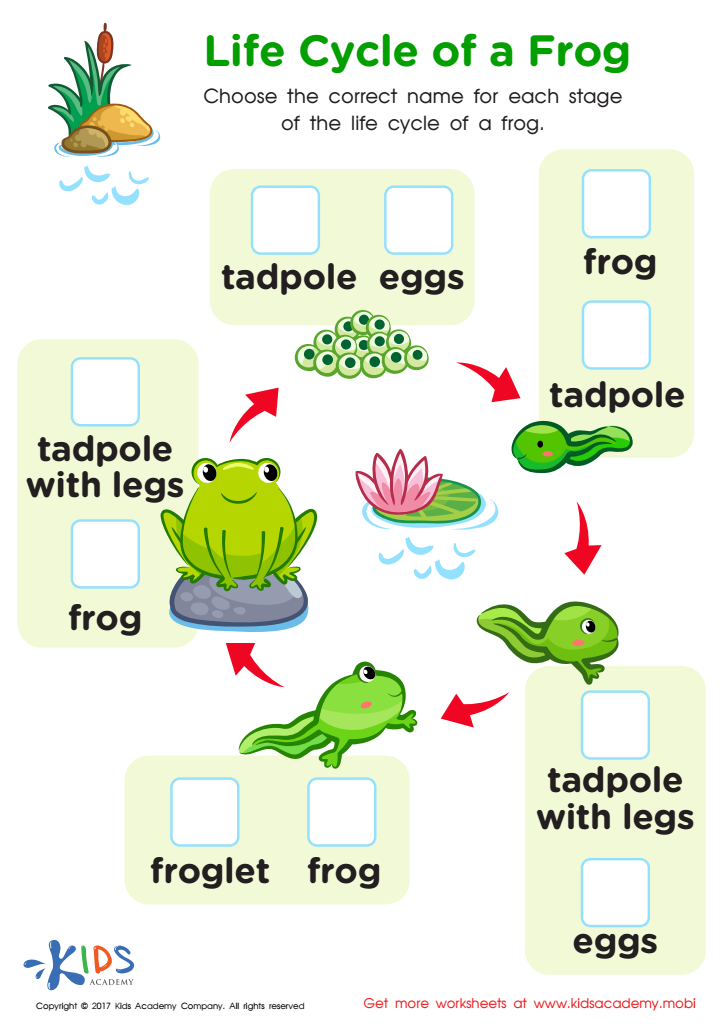
Life Cycle Frog Printable
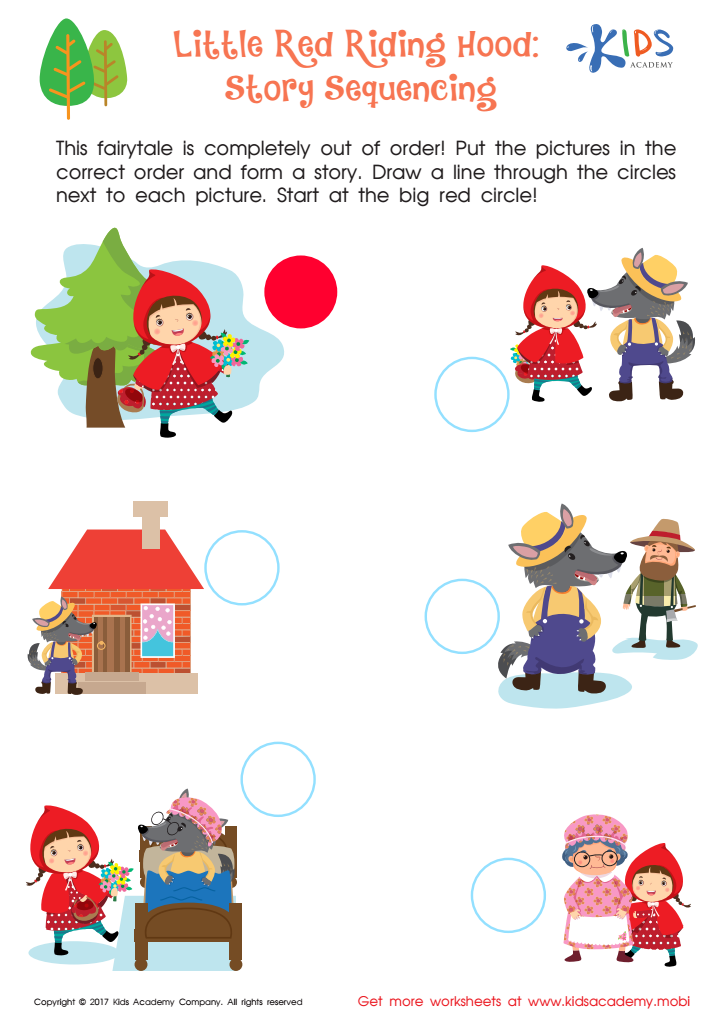
Story Sequencing Printable
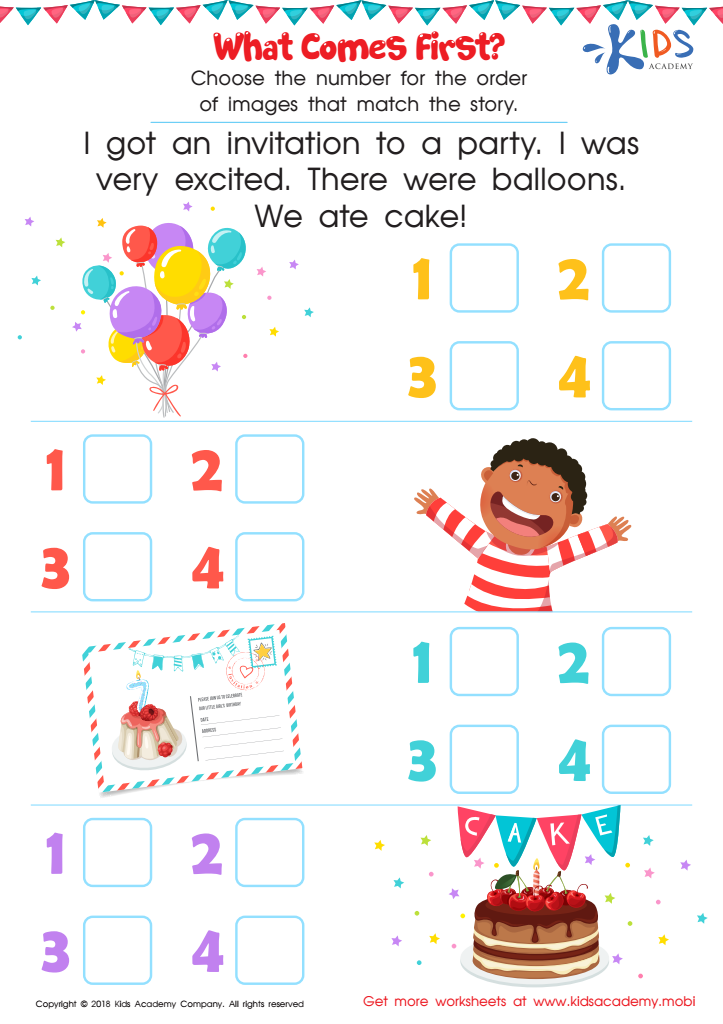
What Comes First Worksheet







Sequencing skills are crucial for 6-year-olds as they form the foundation for critical thinking and organizational skills essential for learning. Parents and teachers should care about these skills because sequencing helps children understand how to break down tasks, follow directions, and narrate events logically, which is vital for effective communication.
At this age, children are beginning to enhance their cognitive abilities, and introducing sequencing activities—such as storytelling, simple routines, and even mathematical concepts like ordering numbers—can strengthen their observational and analytical skills. These skills not only promote literacy as children learn to retell stories in a coherent manner but also support their mathematical development as they grasp the concept of order and quantity in activities like sorting and counting.
Moreover, sequencing improves problem-solving abilities, as children learn to predict outcomes and understand cause and effect. When children struggle with these skills, they may face challenges in school tasks and may develop frustration or low confidence.
By actively fostering sequencing skills at this critical developmental stage, parents and teachers can help create a more comprehensive skill set that prepares children for future academic success and everyday life challenges.








