Shape identification Normal Worksheets for 6-Year-Olds
7 filtered results
-
From - To
Our "Shape Identification Normal Worksheets for 6-Year-Olds" are designed to make learning about shapes fun and engaging. These printable worksheets feature a variety of exercises that help children recognize, identify, and name common shapes like circles, squares, triangles, and rectangles. Through interactive activities and colorful illustrations, children enhance their visual-spatial skills, boosting their confidence and enjoyment in learning. Perfect for both classroom and at-home practice, our worksheets support the foundational geometry skills necessary for early learners. Join us at Kids Academy to elevate your child's shape identification skills with our expertly crafted resources!
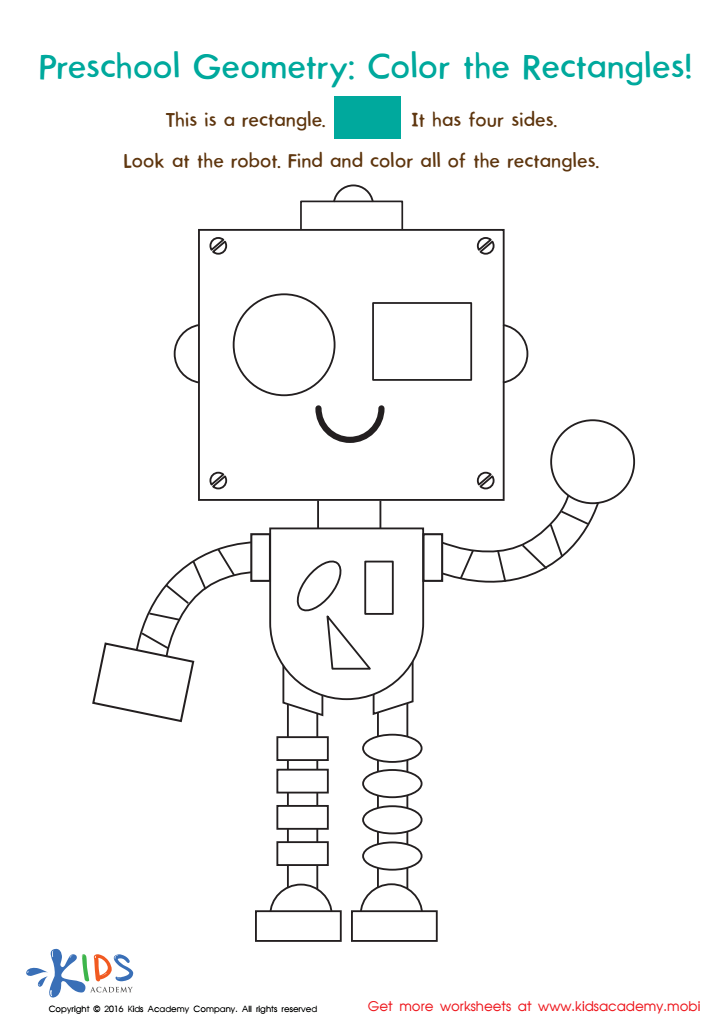
Geometry Worksheet
 Assign to My Students
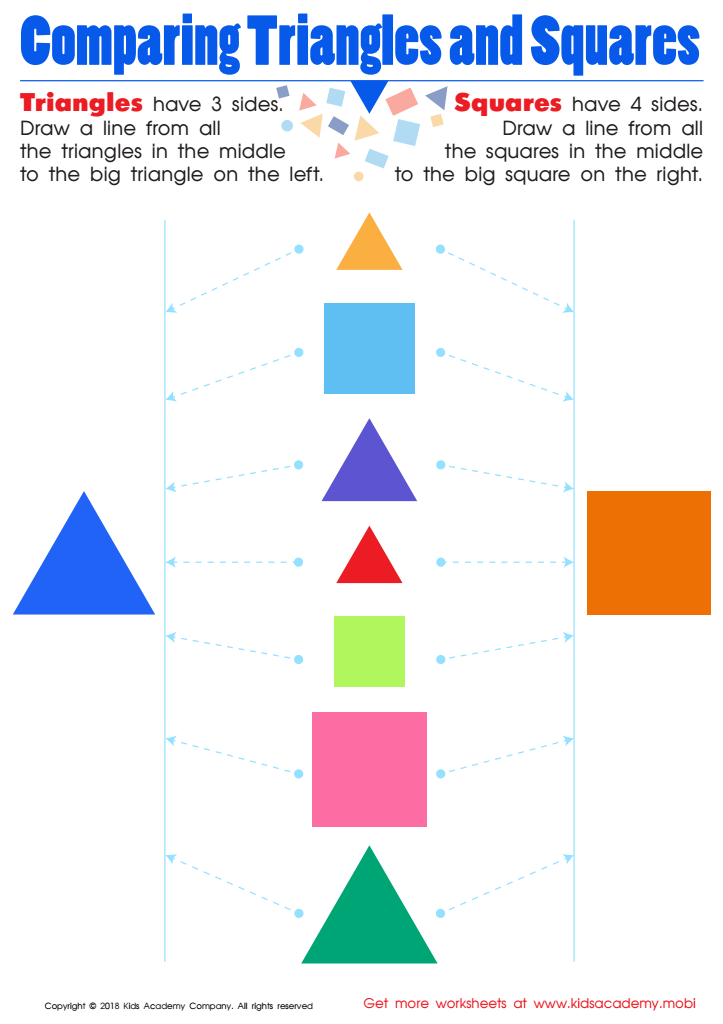
Comparing Triangles Squares Worksheet
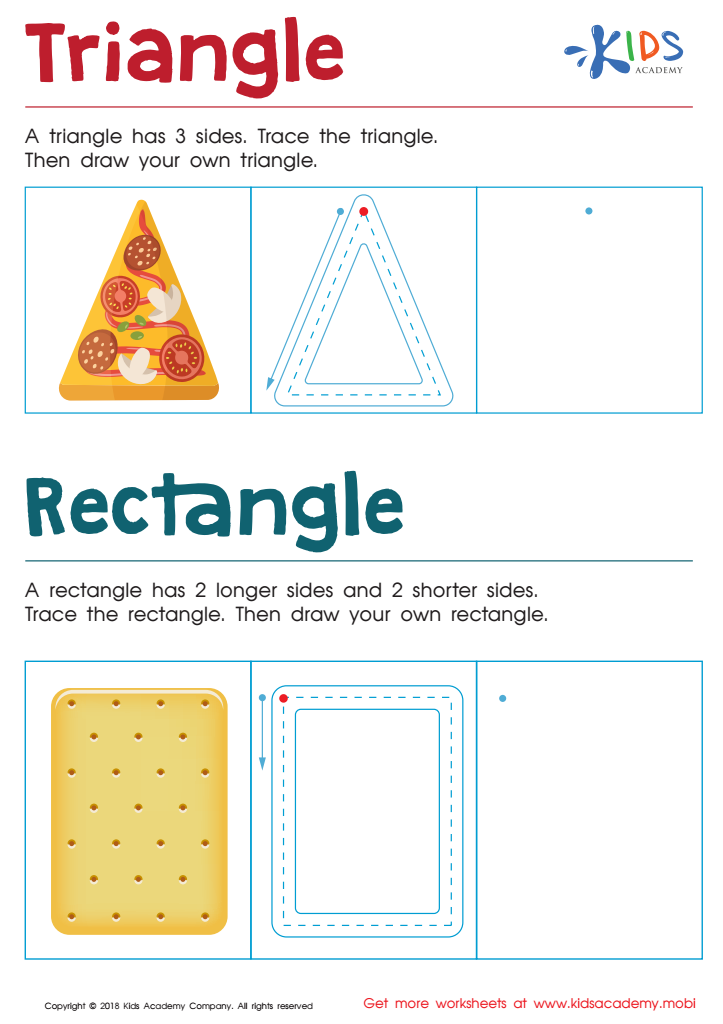
Triangle Rectangle Worksheet
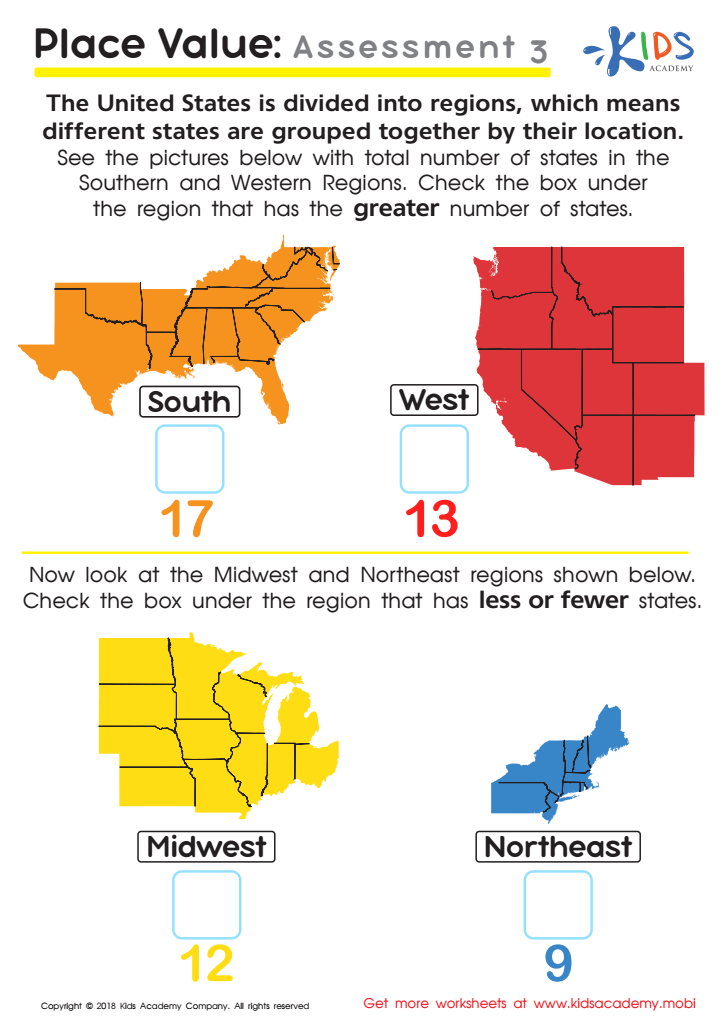
Place Value: Assessment 3 Worksheet
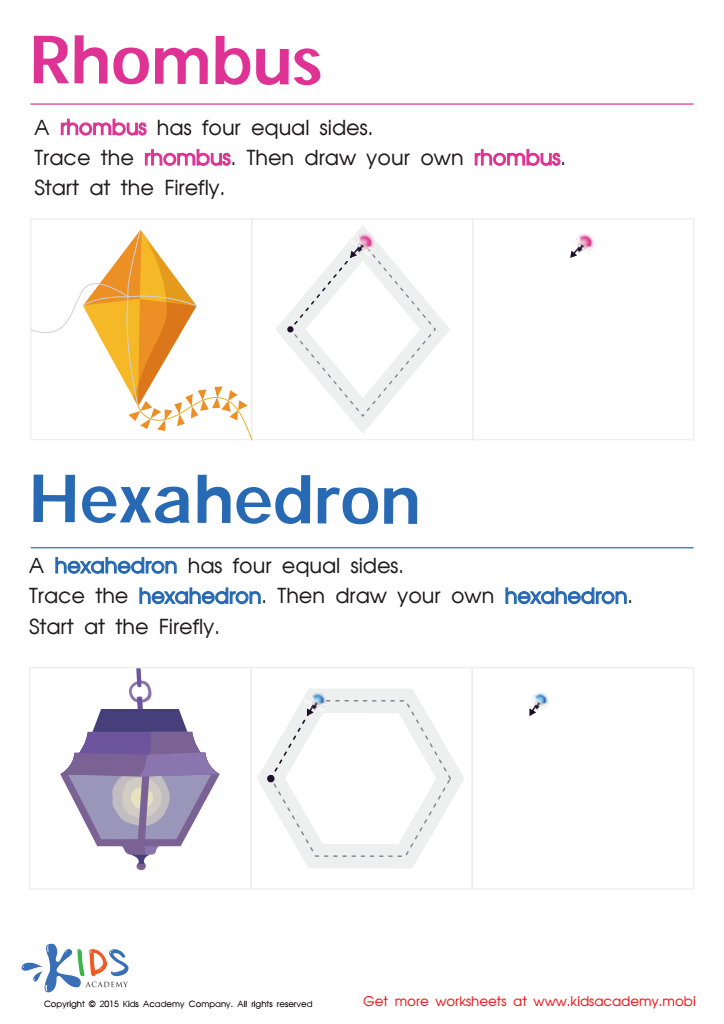
Draw a Rhombus And a Hexahedron Printable
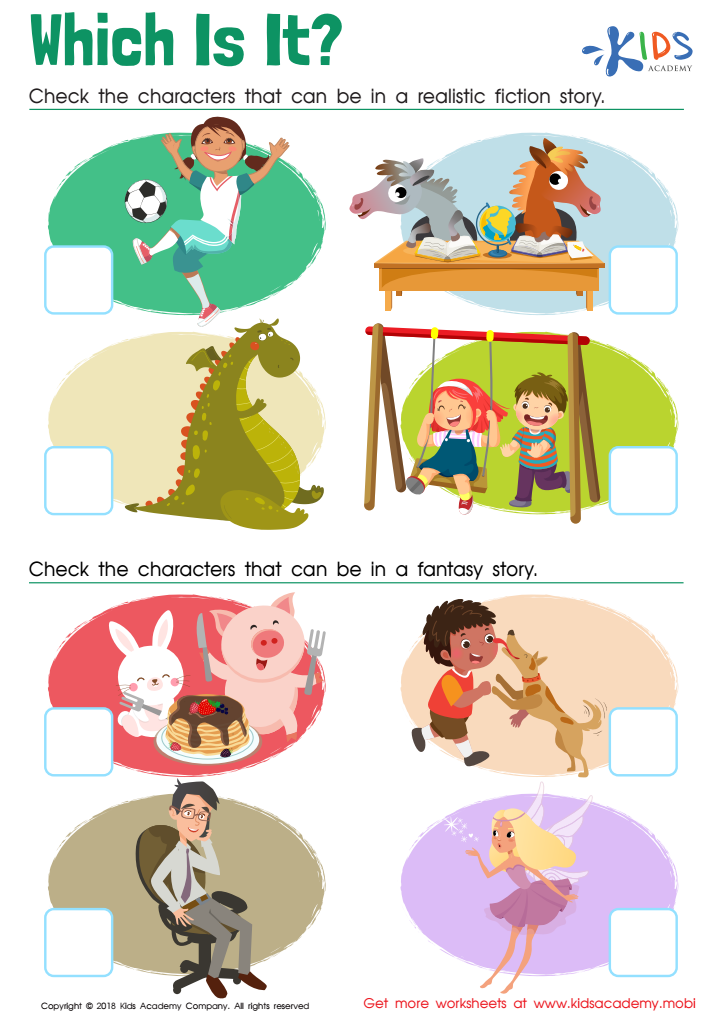
Which Is It? Worksheet
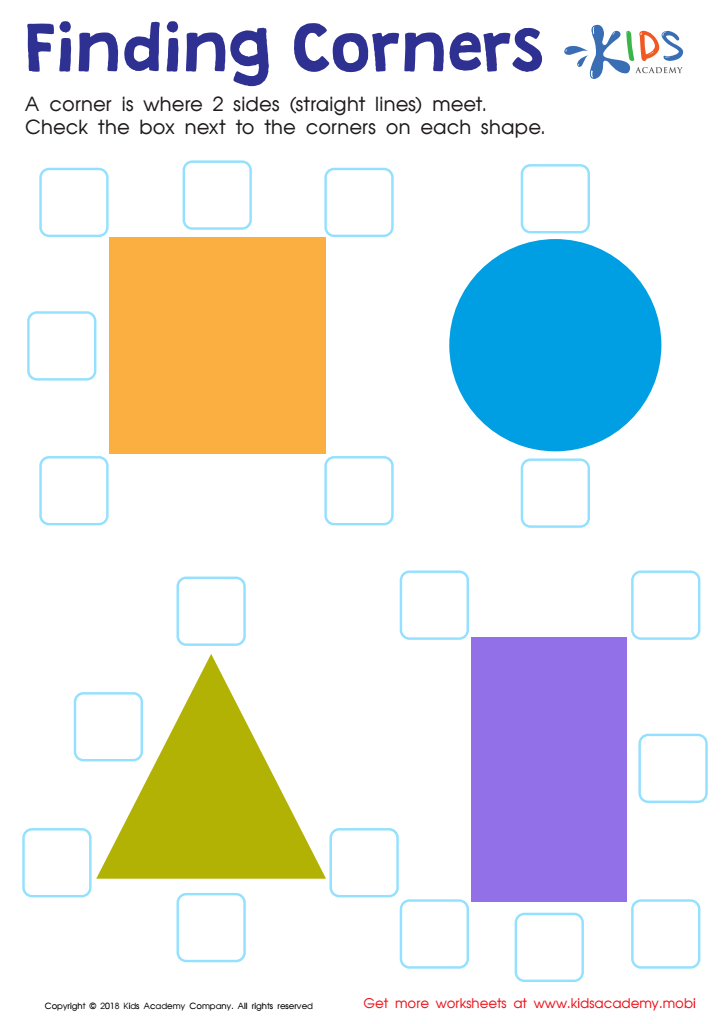
Finding Corners Worksheet







Learning shape identification is pivotal for 6-year-olds as it serves as a foundation for many essential skills. For parents and teachers, ensuring that children can identify shapes is not just about recognizing circles, squares, and triangles. It's about facilitating early cognitive development, motor skills, and problem-solving abilities.
Understanding shapes helps children develop spatial awareness, which is important for reading and math skills later on. Recognizing shapes in different contexts improves their observation skills and ability to differentiate between objects. This ability to see patterns is a critical part of logical and analytical thinking, which supports their overall academic learning.
Moreover, shape identification promotes fine motor skills as children manipulate various shapes in puzzles and drawing activities. This manipulation is significant in improving their hand-eye coordination and writing skills.
From a social perspective, engaging in shape-oriented activities allows children to interact, share, and communicate their ideas with others. Fostered in a playful and engaging environment, this early shape recognition can boost their confidence and encourage a positive attitude towards learning.
In summary, shape identification is not just a minor milestone but a comprehensive developmental tool. Parents and teachers should prioritize it to nurture well-rounded, perceptive, and skilled learners, paving the way for their future academic success and daily functional tasks.








