Shape Recognition Normal Worksheets for 6-Year-Olds - Page 2
32 filtered results
-
From - To
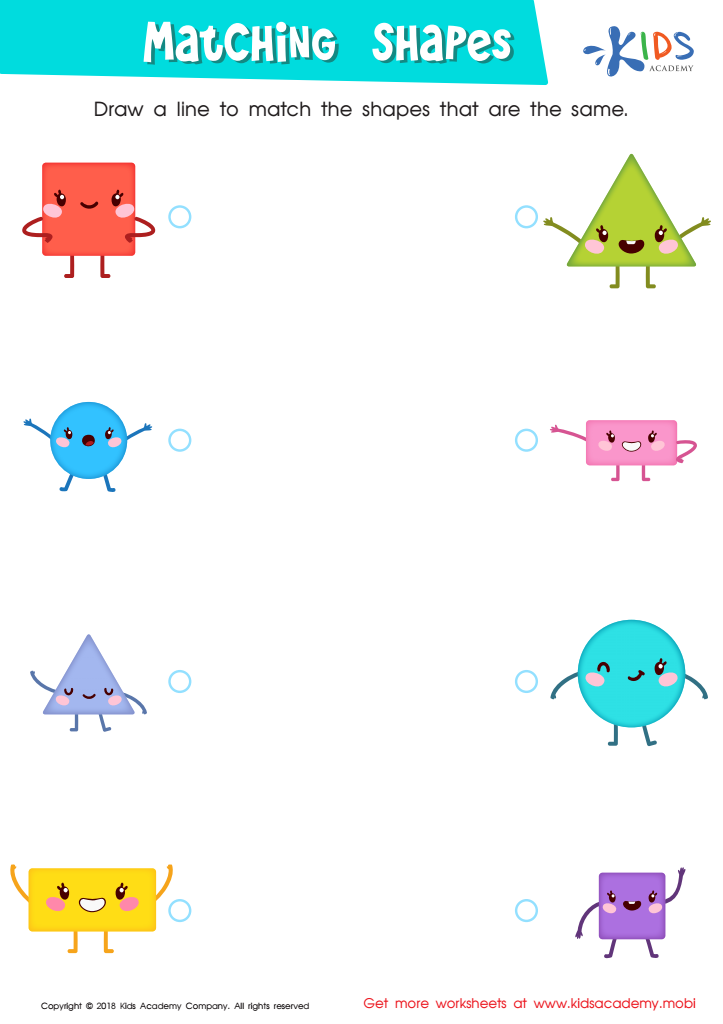
Matching Shapes Worksheet
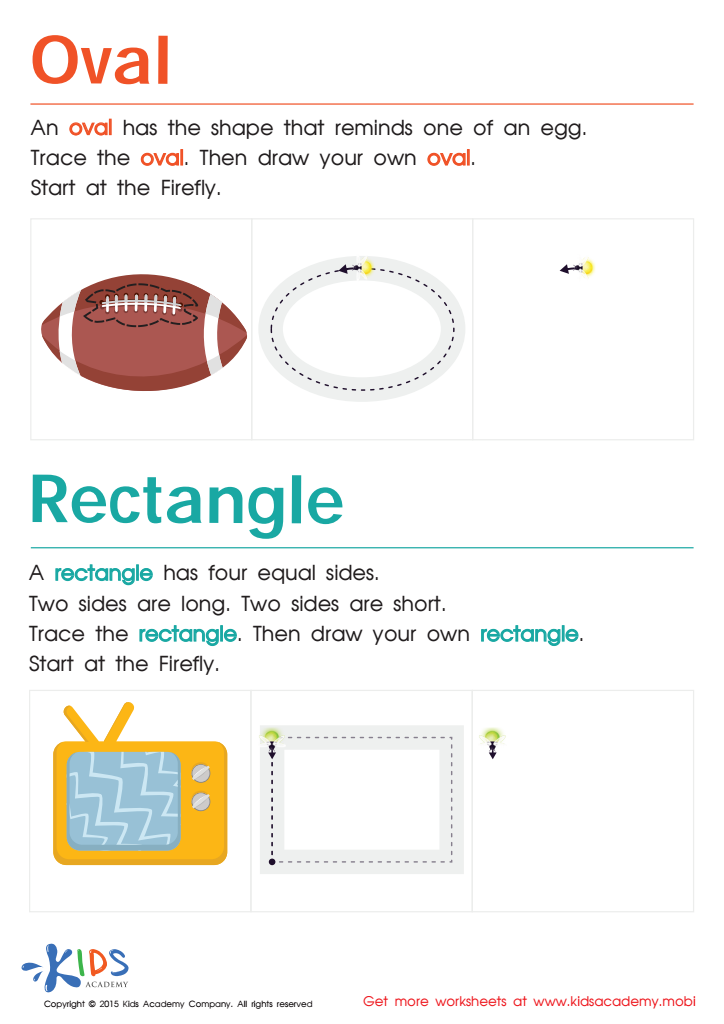
Easy Drawing of Ovals And Rectangles Worksheet
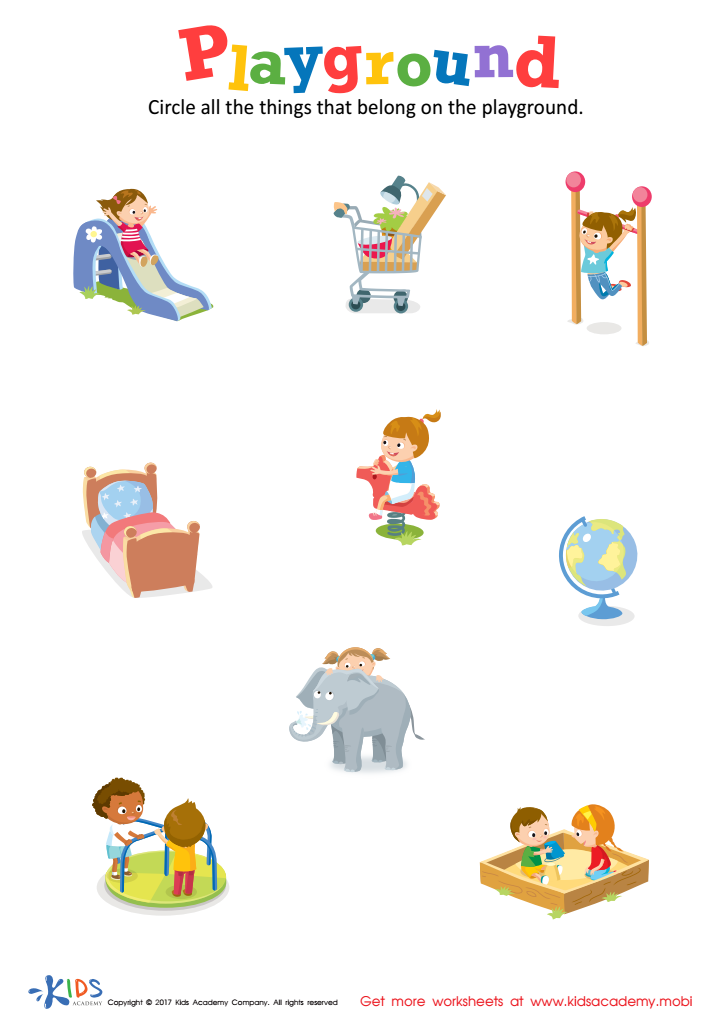
Playground Worksheet
Turkey Thanksgiving Day Worksheet
 Assign to My Students
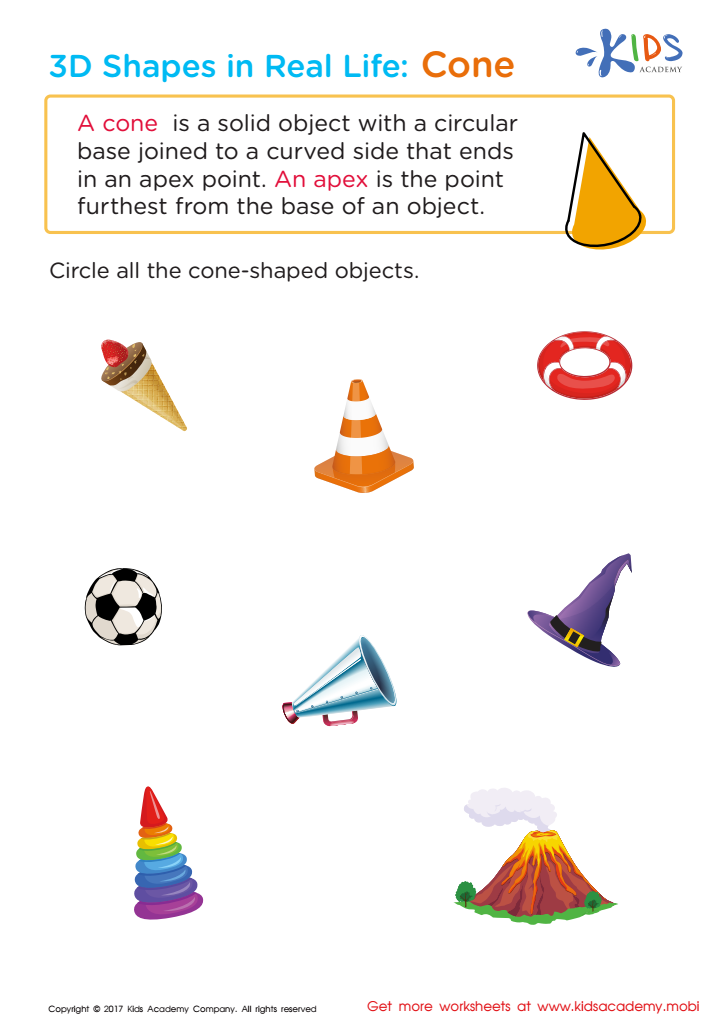
Shapes in Real Life: Cone Worksheet
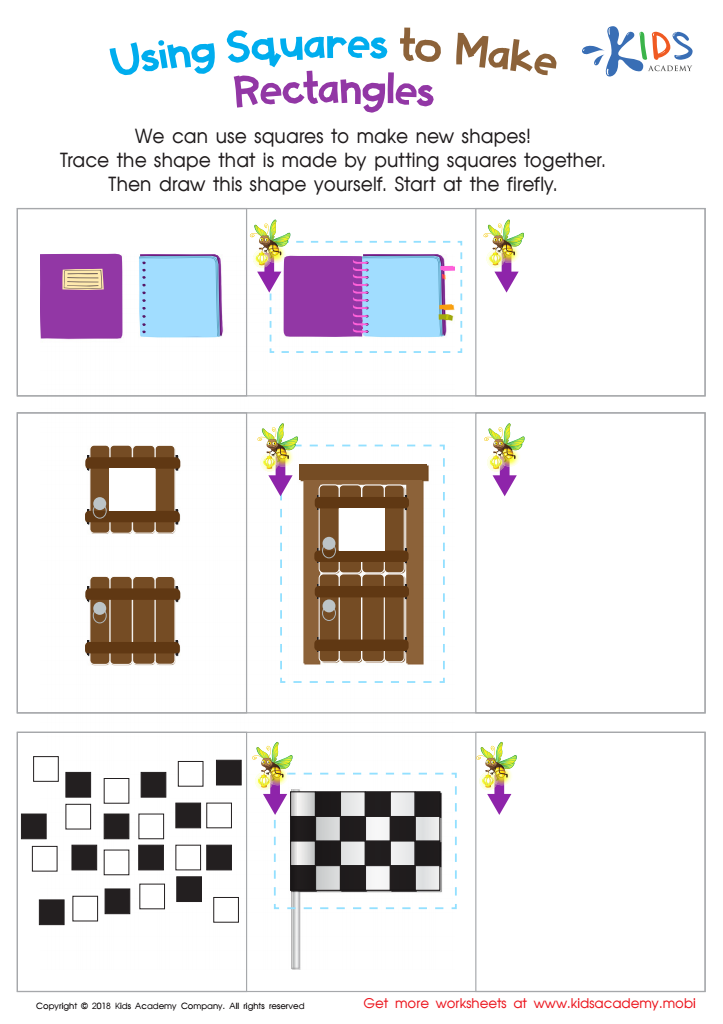
Using Squares to Make Rectangles Worksheet
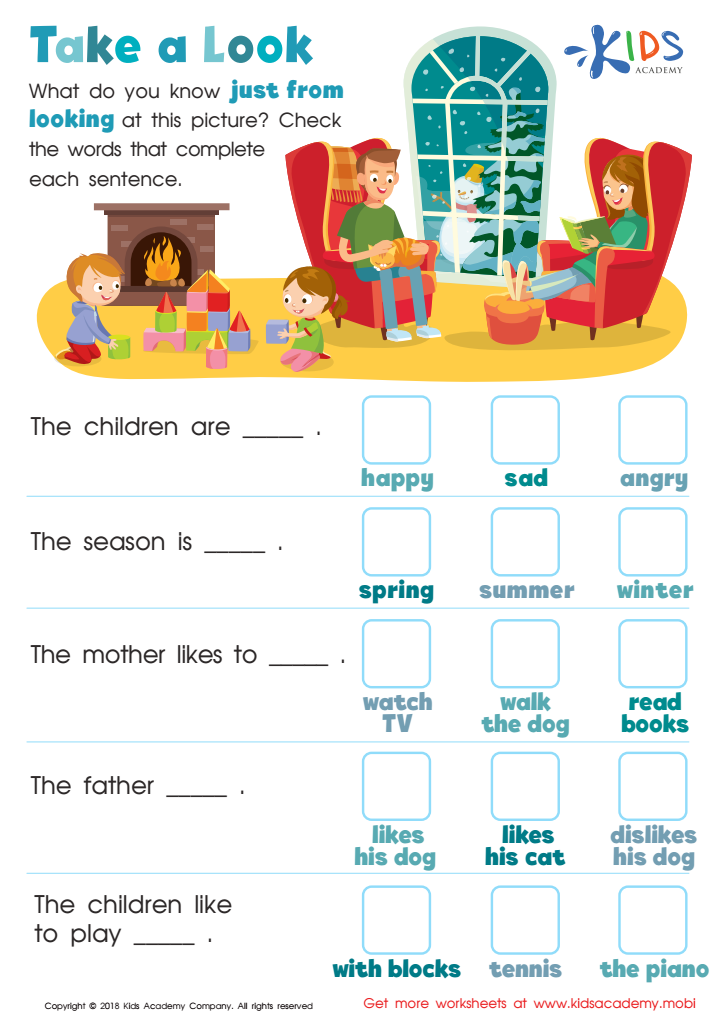
Take a Look - Part 1 Worksheet
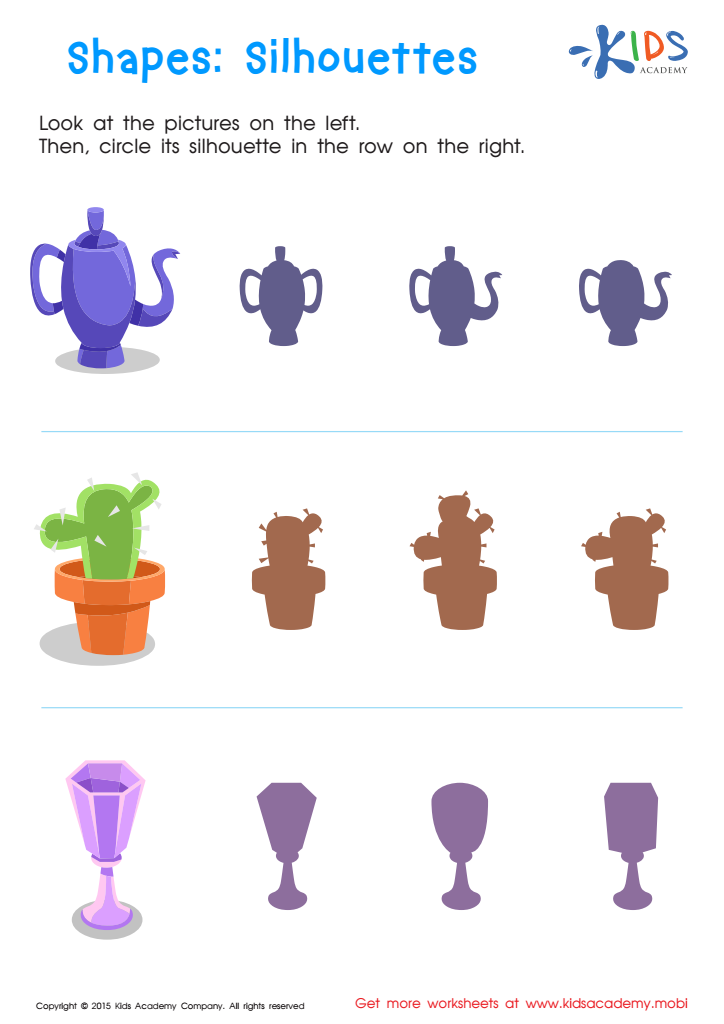
Silhouettes – Shapes Worksheet




.jpg)


Shape recognition is an essential skill for 6-year-olds that has far-reaching implications for their cognitive development and everyday life. At this age, children are developing their spatial awareness, problem-solving abilities, and foundational math skills. Shape recognition helps them identify and categorize objects, which lays the groundwork for their understanding of geometry and mathematics later on.
Moreover, this skill is tied to language development; as children learn to identify shapes, they also gain the vocabulary needed to describe their attributes and relationships. This improves communication skills and semantic processing. For parents and teachers, fostering shape recognition helps children engage in critical thinking and enhances their confidence as they explore the world around them.
Additionally, shape recognition supports fine motor skills through activities like drawing, cutting, and assembling shapes, which are crucial for their overall development. In early childhood education, implementing playful and hands-on learning experiences can make shape recognition enjoyable. Parents can reinforce this learning at home with everyday activities, turning recognition into a fun and integral part of children's lives. By valuing shape recognition, adults play a vital role in equipping children with essential skills that will benefit their academic journeys and everyday problem-solving abilities.








