Vocabulary expansion Normal Worksheets for 6-Year-Olds - Page 4
75 filtered results
-
From - To
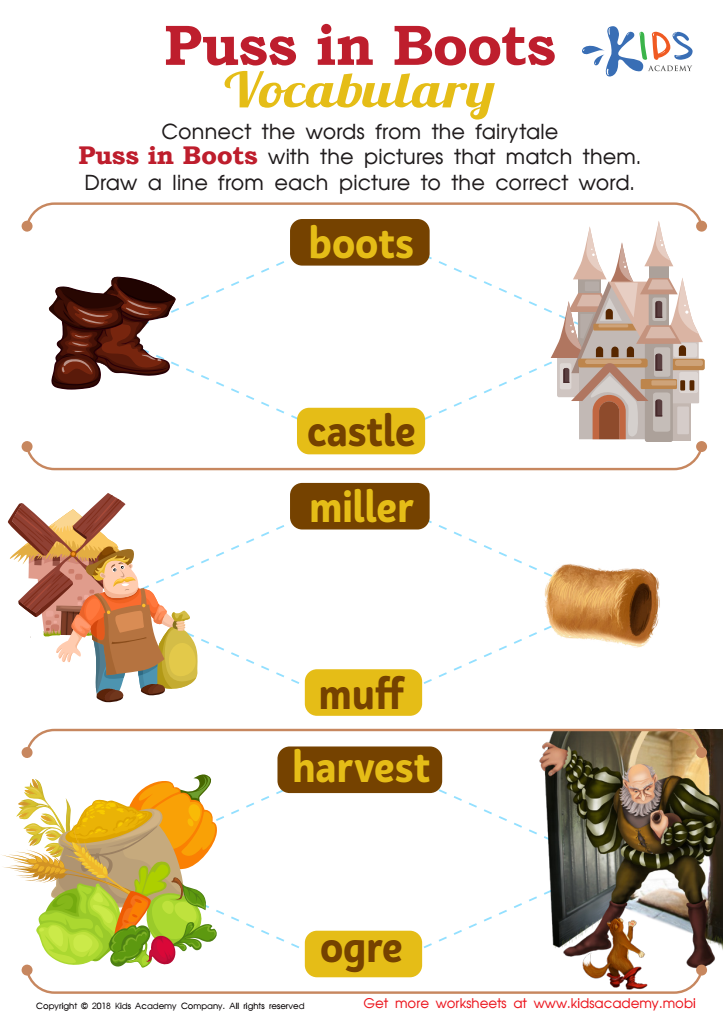
Puss in Boots Vocabulary Worksheet
 Assign to My Students
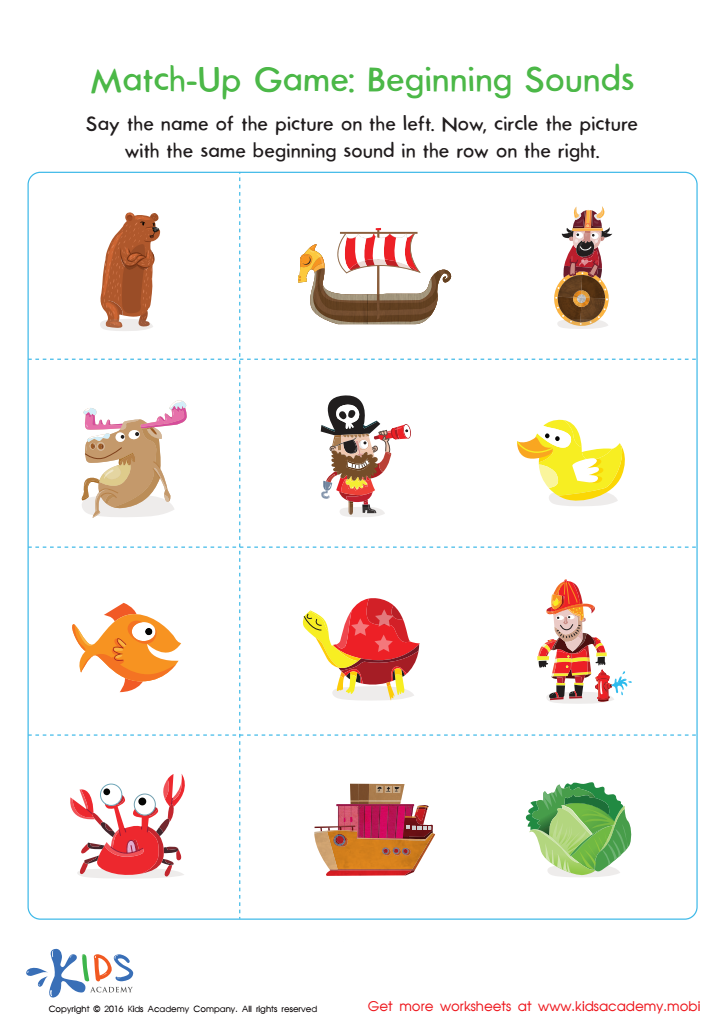
Match–Up Game: Beginning Sounds Worksheet
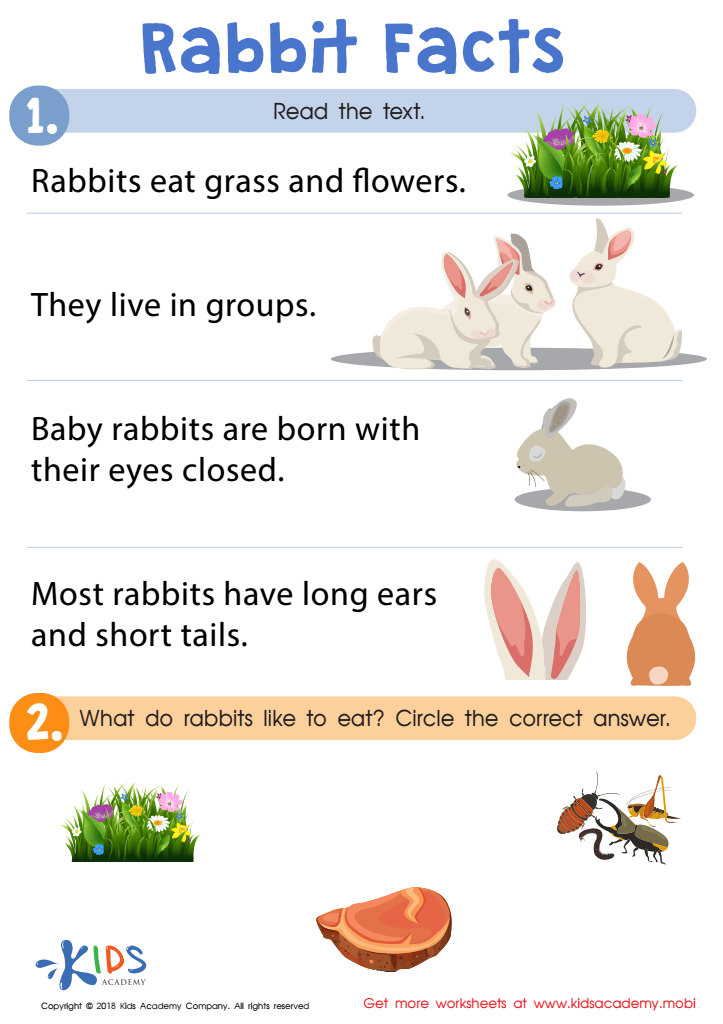
Rabbit Facts Worksheet






.jpg)
Expanding vocabulary in 6-year-olds is essential for their overall development and future academic success. At this age, children are rapidly acquiring language skills, and a robust vocabulary lays the foundation for effective communication. Rich vocabulary exposure not only enhances children’s ability to express themselves clearly but also boosts their reading comprehension, enabling them to navigate more complex texts as they grow.
Furthermore, vocabulary expansion encourages cognitive development. As children learn new words, they also explore concepts and ideas associated with those words, fostering critical thinking and problem-solving skills. This exploration fosters curiosity and a love for learning, which are crucial for long-term educational engagement.
Moreover, a strong vocabulary is linked to social skills. Children who can articulate their thoughts and feelings are better equipped to interact positively with peers, leading to healthier relationships. Educators and parents play a vital role by engaging children in conversations, introducing new words in context, and providing rich language experiences through books, games, and everyday interactions.
Investing in vocabulary development now not only prepares children for academic challenges ahead but also equips them with essential life skills that contribute to their social adaptability and overall confidence in communication.








