Fine Motor Skills Normal Addition & Subtraction Worksheets for 6-Year-Olds
6 filtered results
-
From - To
Enhance your 6-year-old's learning experience with our Fine Motor Skills Normal Addition & Subtraction Worksheets. Designed specifically for young learners, these engaging worksheets promote not only foundational math skills but also fine motor development. Children will practice addition and subtraction in a fun, hands-on way, improving their handwriting and hand-eye coordination through interactive exercises. Each worksheet features colorful illustrations and varied activities to keep kids motivated while they learn. Perfect for at-home or classroom use, these resources support the growth of essential cognitive and physical skills in early education. Download today and watch your child thrive in math!
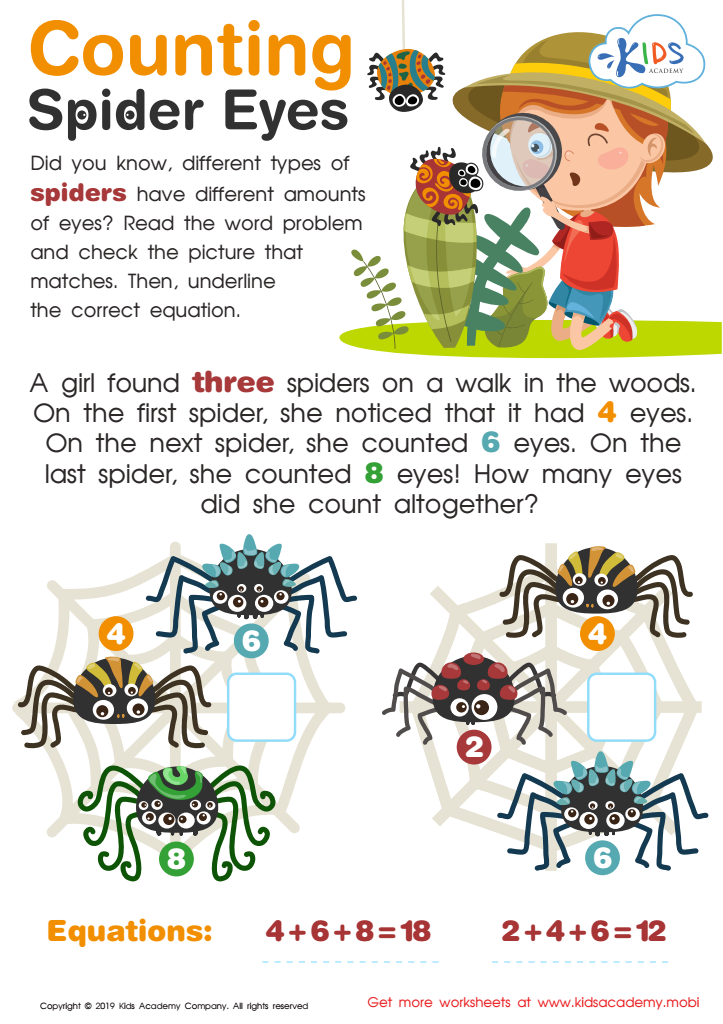
Counting Spider Eyes Worksheet
 Assign to My Students
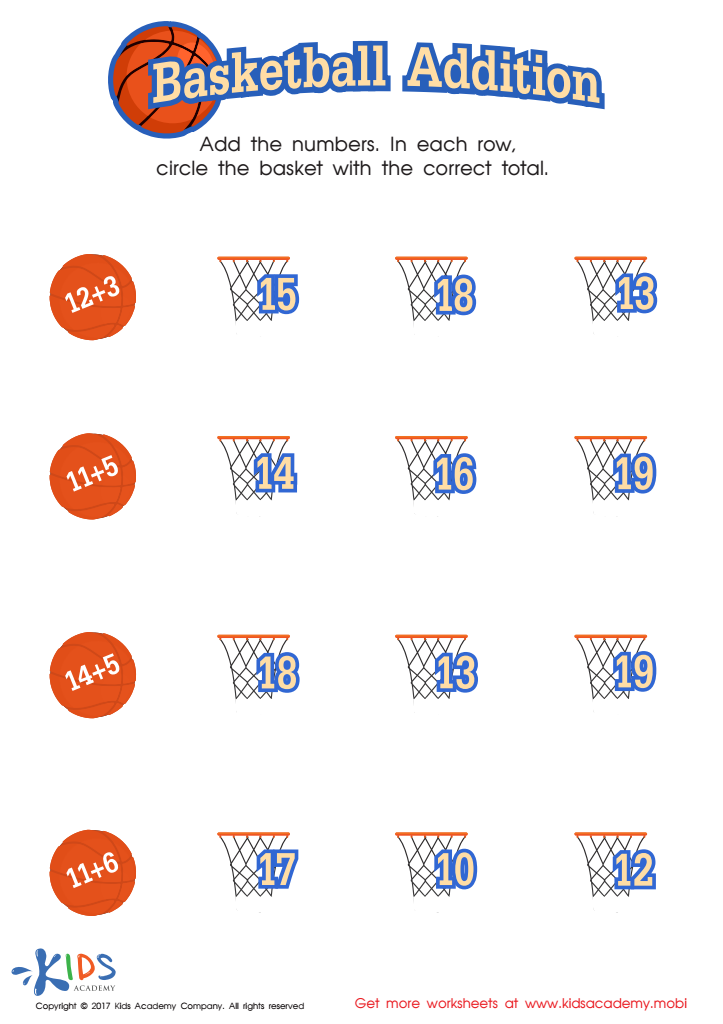
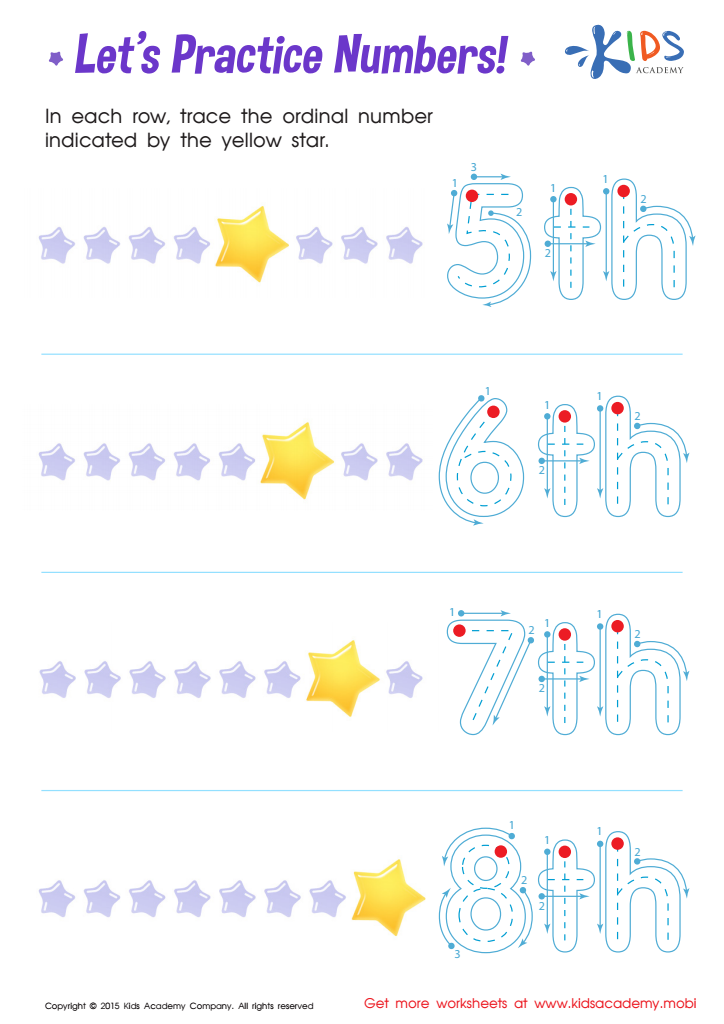
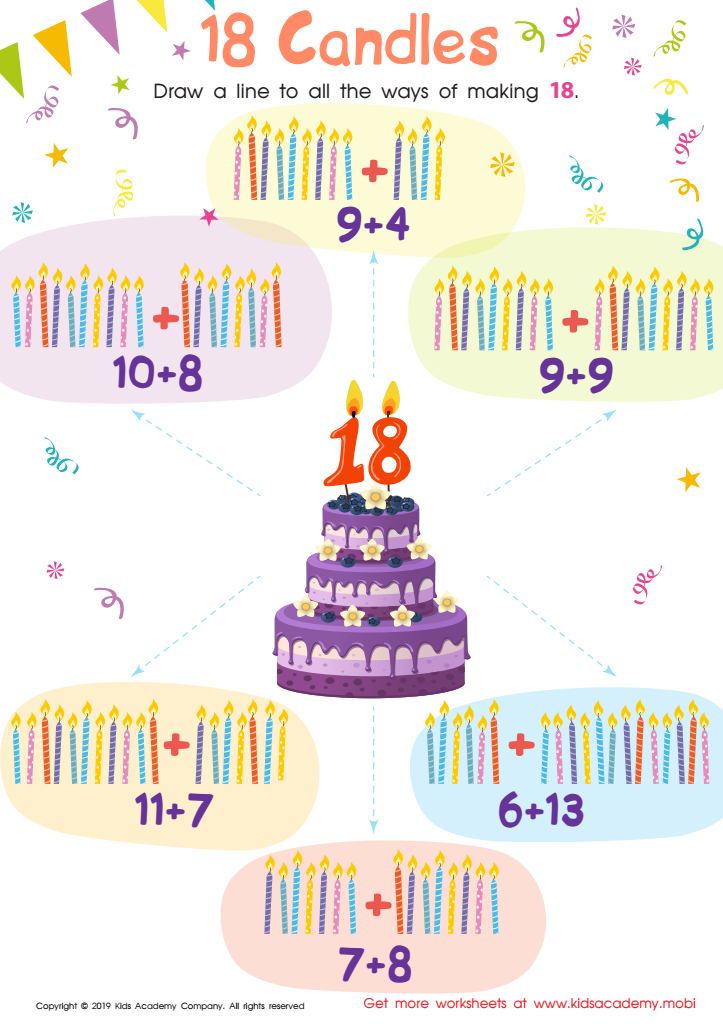
18 Candles Worksheet
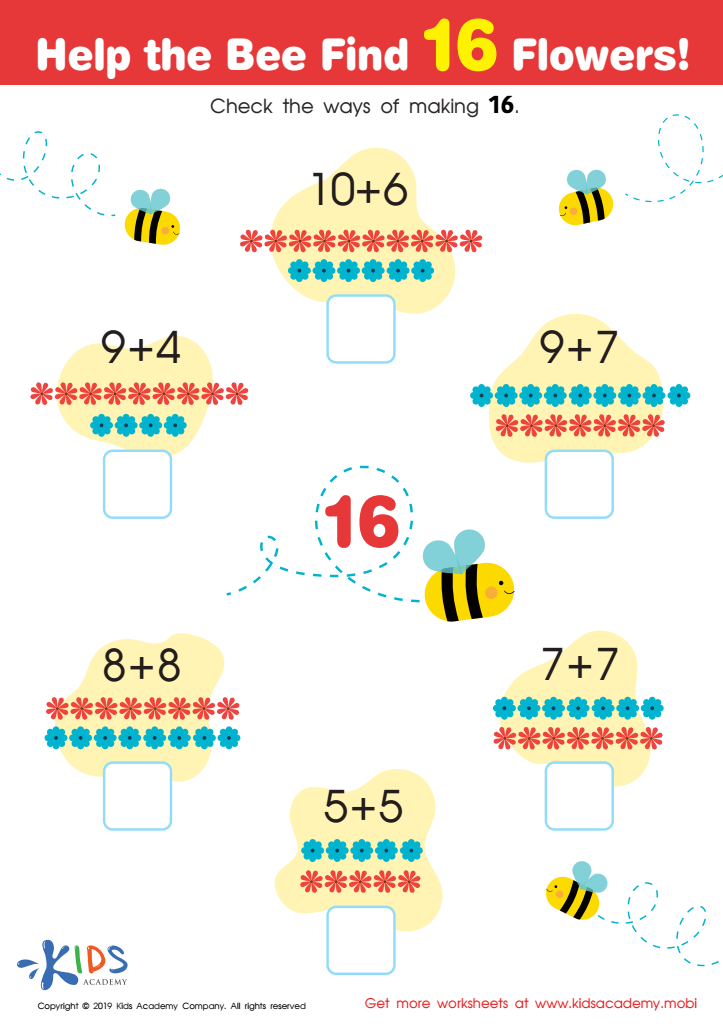
Help the Bee Find 16 Flowers Worksheet
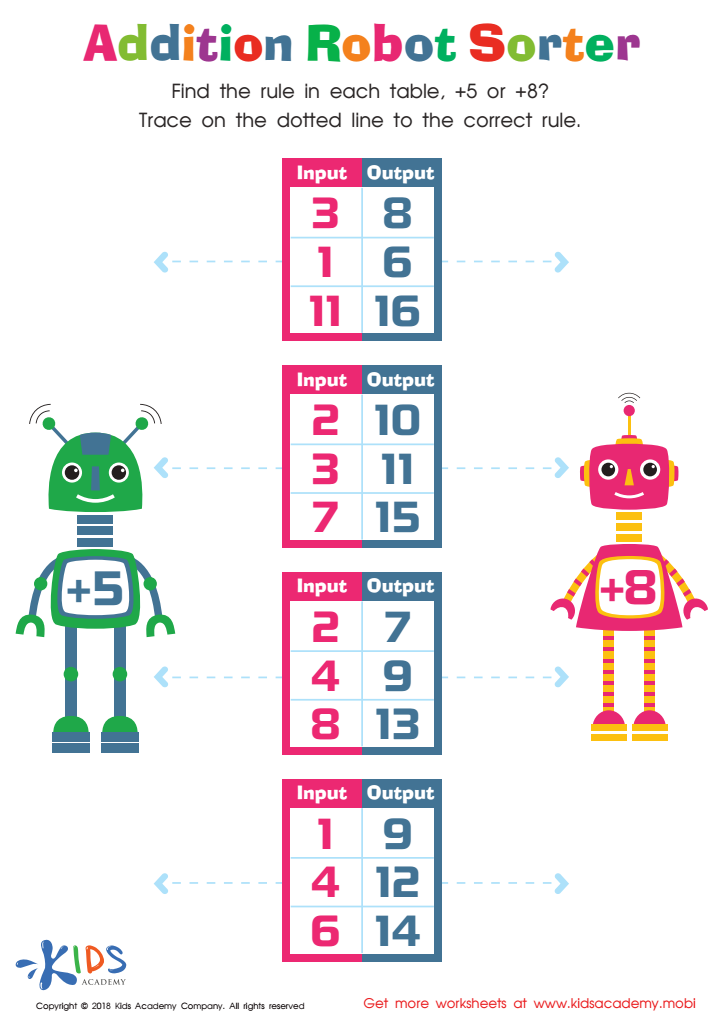
Addition Robot Sorter Worksheet








Fine motor skills are crucial for 6-year-olds as they lay the foundation for academic and everyday tasks. At this age, children are beginning to tackle more complex tasks, such as writing, drawing, and even performing basic math operations like addition and subtraction. Developing fine motor skills enhances their ability to control tools, create shapes, and manipulate objects, which is essential in learning to write numbers clearly and accurately.
Additionally, fine motor skills connect directly to cognitive development. When children successfully learn to add and subtract using their fingers, manipulatives, or drawing, they gain both confidence and competence in their mathematical abilities. This hands-on approach not only makes math more enjoyable but allows for a deeper understanding of concepts as children physically engage with numbers.
Parents and teachers should prioritize this development because strong fine motor skills can improve children's overall academic performance, social interactions, and daily activities. As they become more skilled at fine motor tasks, children are likely to feel more empowered and motivated to learn. Fostering fine motor skills in young learners prepares them not just for math, but for countless other essential skills they will need throughout their lives.








