Fine Motor Skills Normal Math Worksheets for 6-Year-Olds - Page 2
32 filtered results
-
From - To
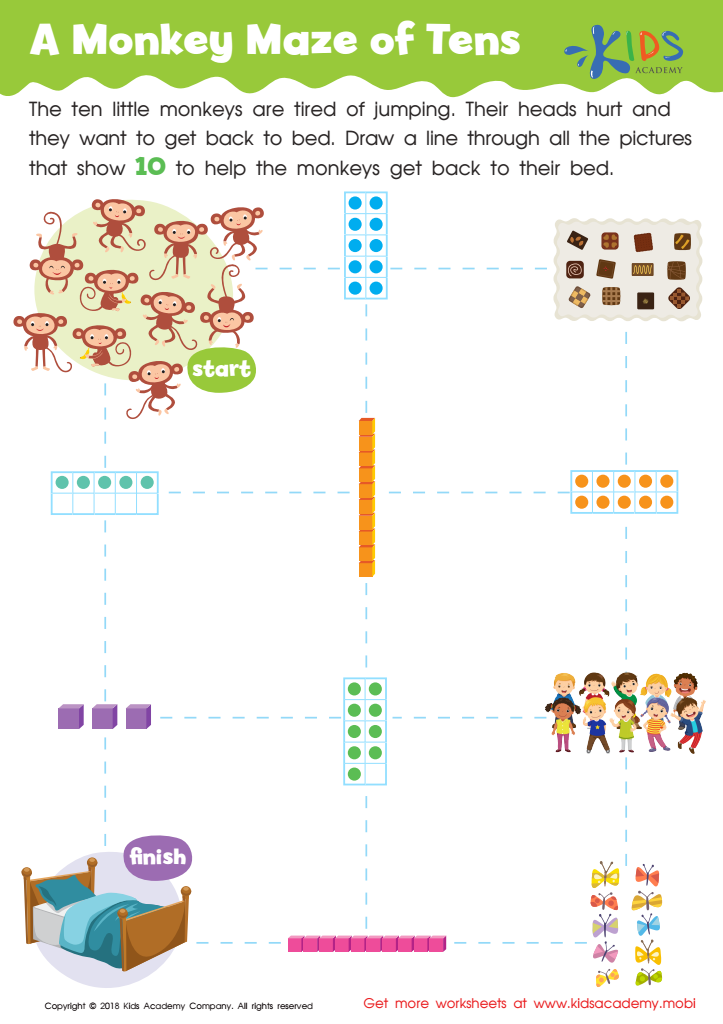
A Monkey Maze of Tens Worksheet
 Assign to My Students
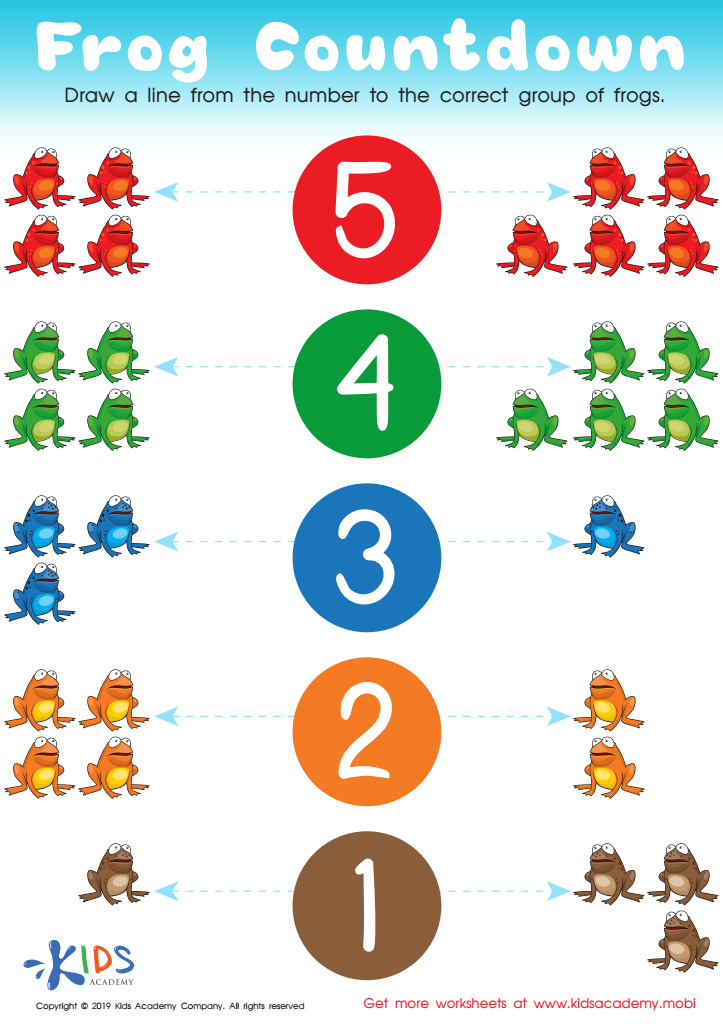
Frog Countdown Worksheet
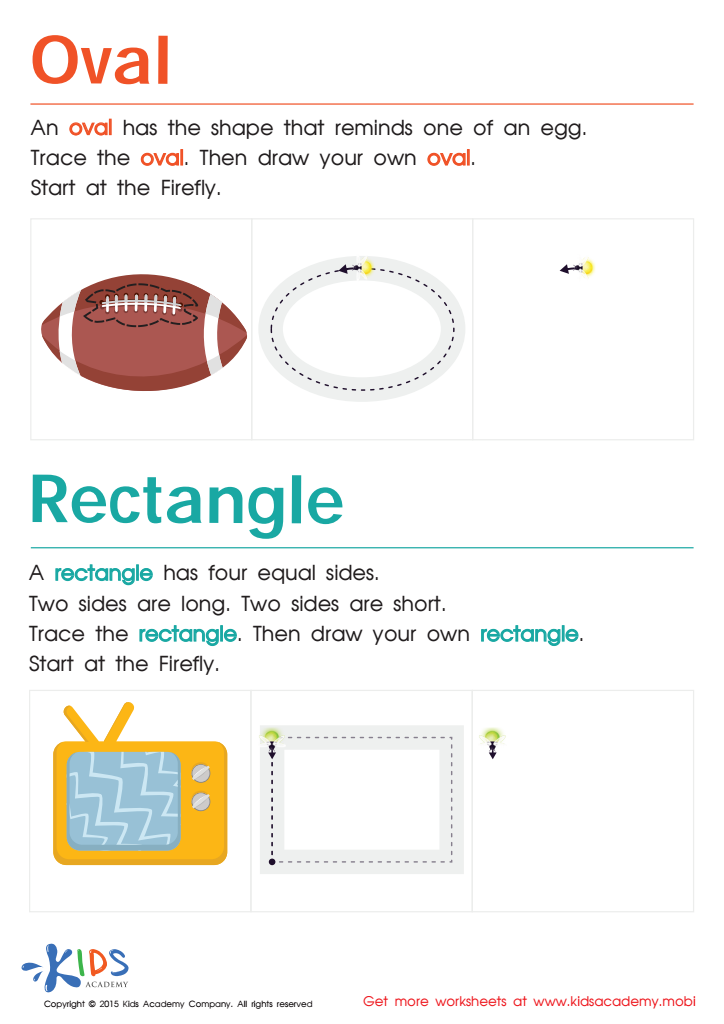
Easy Drawing of Ovals And Rectangles Worksheet
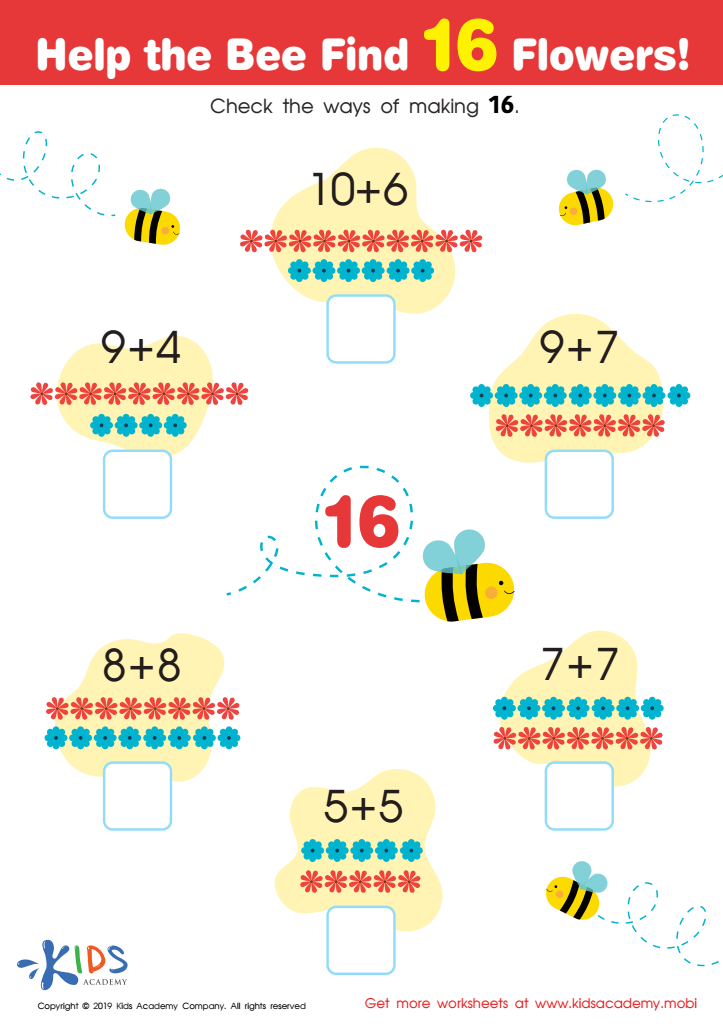
Help the Bee Find 16 Flowers Worksheet
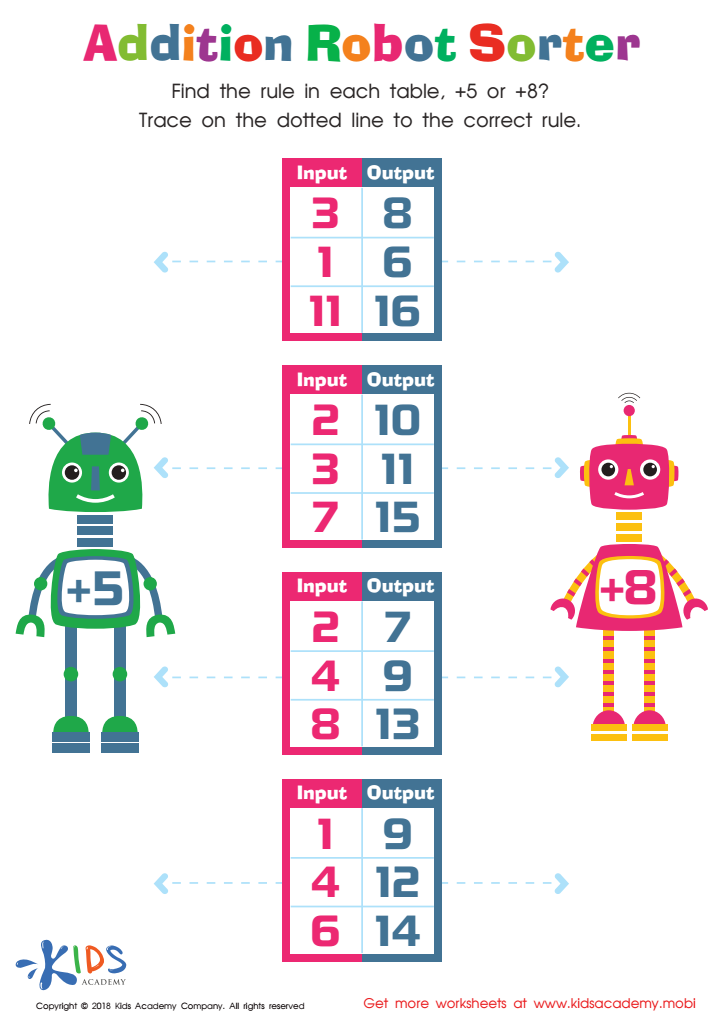
Addition Robot Sorter Worksheet
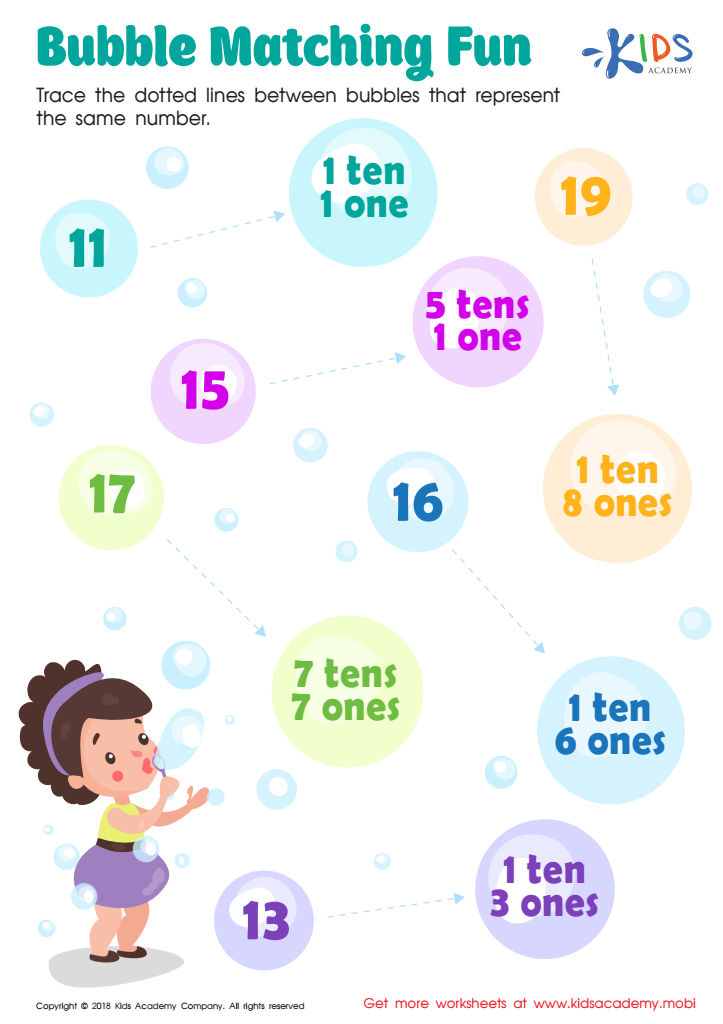
Bubble Matching Fun Worksheet
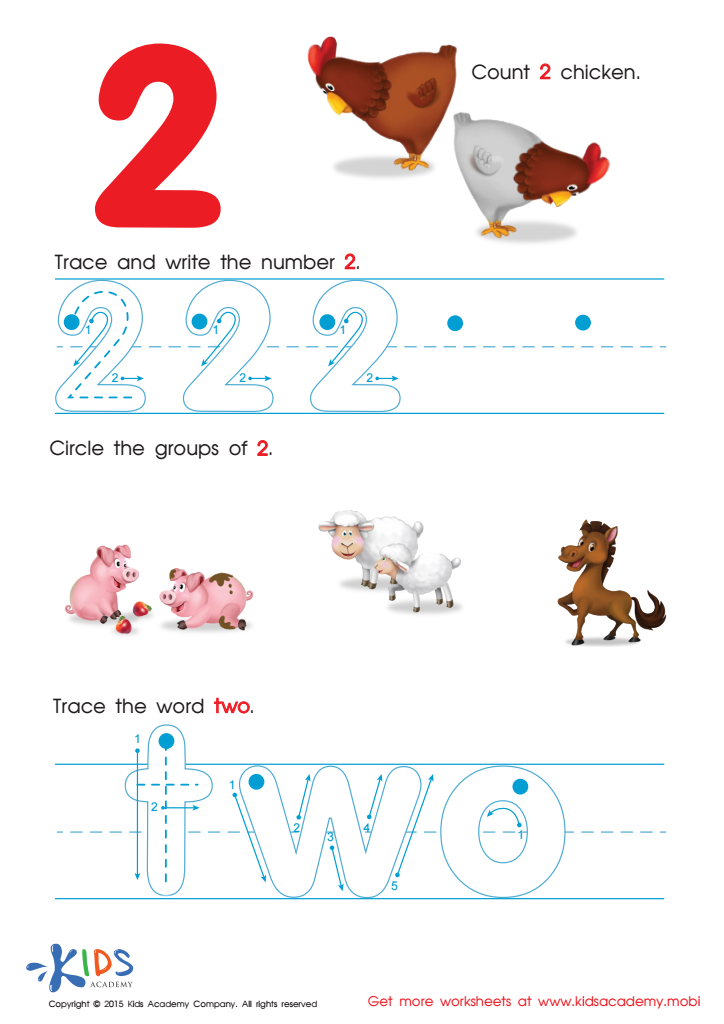
Learn to Write the Number 2 Worksheet
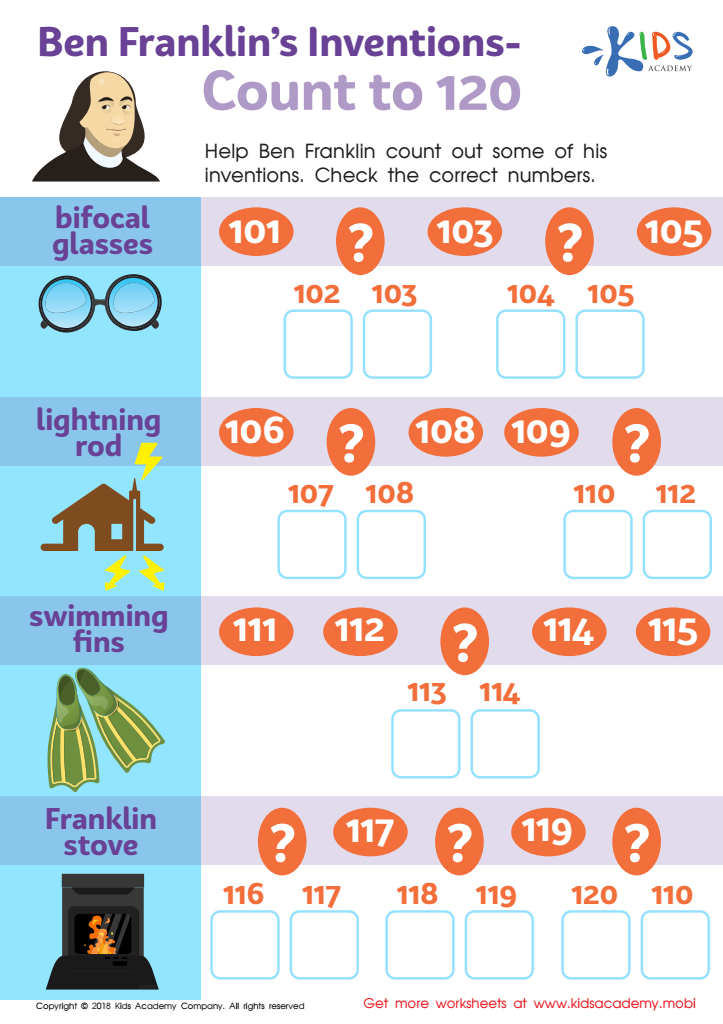
Ben Franklin’s Inventions – Count to 120 Worksheet







Fine motor skills are essential for six-year-olds because they influence various aspects of their everyday activities, both academic and personal. These abilities encompass the small movements and coordination of hands, fingers, and wrists needed to perform precise tasks. For young children, honing these skills is fundamental for proper development and success in school-related activities such as writing, drawing, and using scissors. Properly developed fine motor skills allow children to hold and manipulate a pencil with greater ease, forming legible letters and numbers that facilitate better communication in the written form.
Moreover, fine motor skills impact a child's ability to handle mathematical manipulatives, such as beads or blocks, which are tools often used in teaching foundational math concepts like counting, addition, and subtraction. These manipulatives enhance a child's understanding of math in a tangible, easily comprehensible manner, promoting both fine motor development and cognitive skills simultaneously.
Outside of academics, fine motor skills are vital for personal independence. This encompasses tasks like buttoning clothes, tying shoelaces, and opening containers—all requiring this type of skill. When children can perform these tasks confidently and efficiently, they gain a sense of independence and self-esteem.
For teachers and parents, nurturing fine motor skills means fostering opportunities for practice and providing activities that encourage these small muscle movements, setting a foundation for success across various domains of a child's life.








