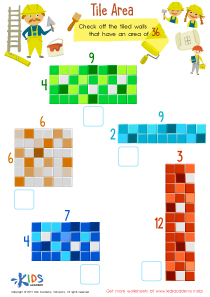
Counting skills Normal Matching Worksheets for 6-Year-Olds
6 filtered results
-
From - To
Develop essential counting skills with our "Normal Matching Worksheets for 6-Year-Olds". These engaging and age-appropriate worksheets help young learners build a strong foundation in math. Children will enjoy matching numbers, enhancing their ability to recognize and count objects, and developing their cognitive skills. Each worksheet is designed to captivate kids’ interest while promoting active learning through fun and interactive activities. Perfect for parents and teachers, these resources offer an ideal balance of education and entertainment to foster a love for math. Download our printable worksheets today to help your child master counting with confidence.
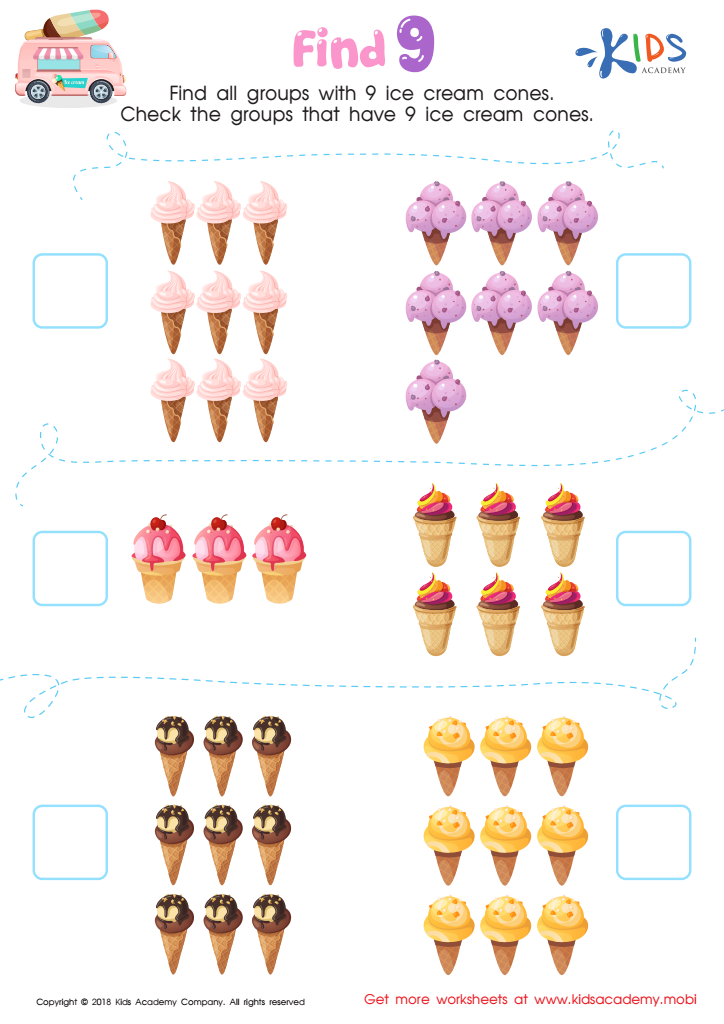
Find 9 Worksheet
 Assign to My Students
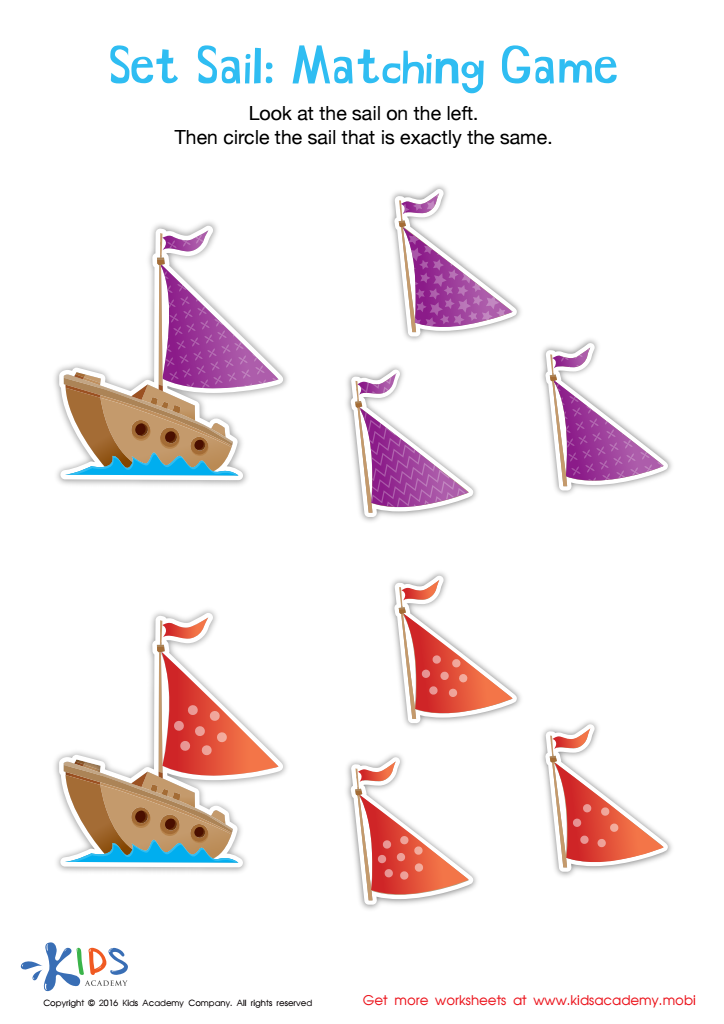
Set Sail Worksheet
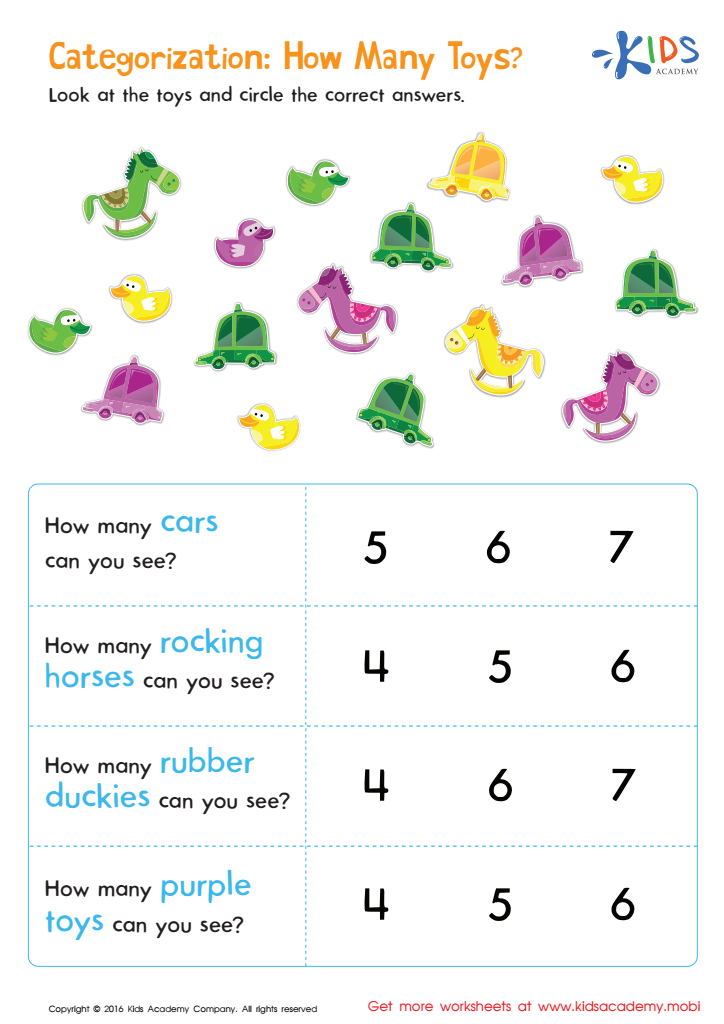
Classifying Toys by Type and Color Sorting Worksheet
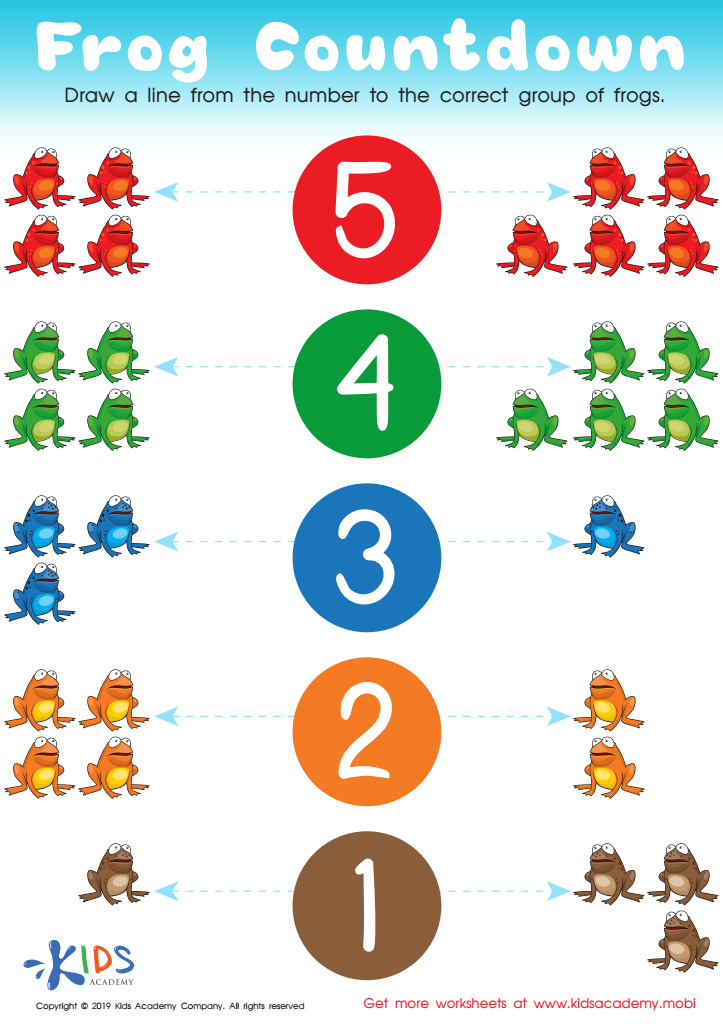
Frog Countdown Worksheet
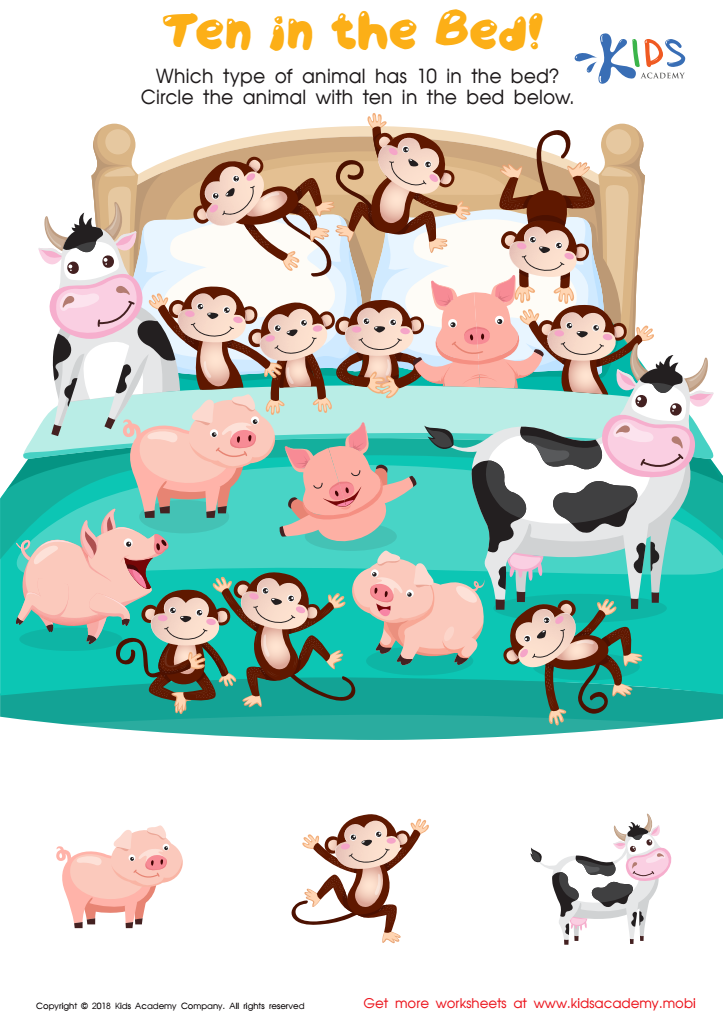
Ten in the Bed Worksheet
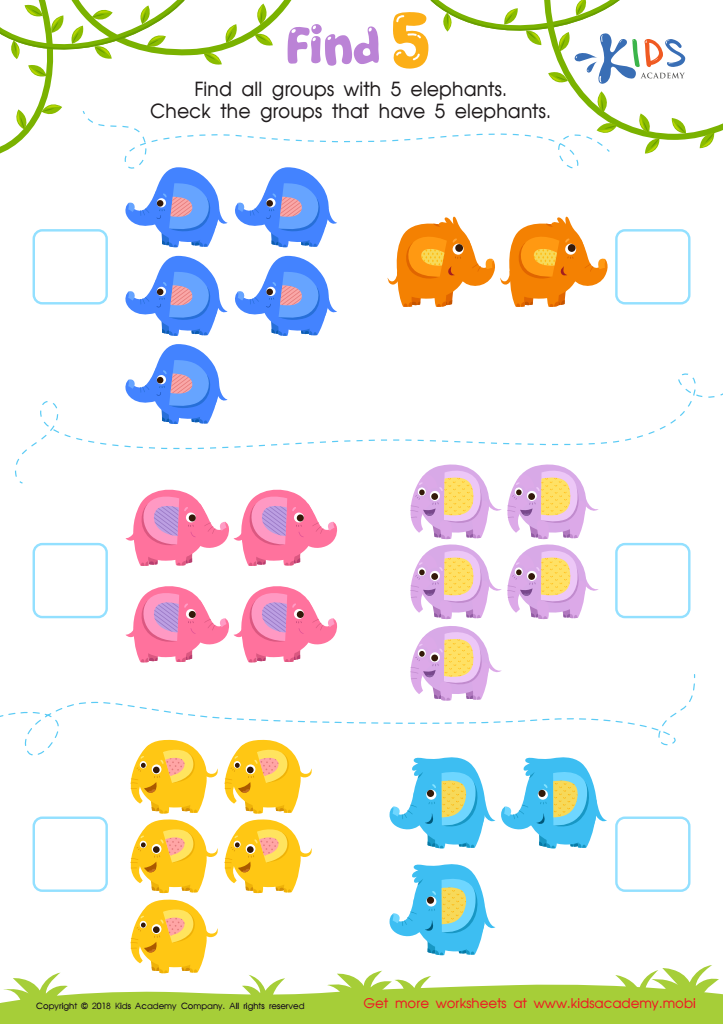
Find 5 Worksheet







Counting skills and the ability to match concepts are foundational competencies for 6-year-olds, playing a critical role in their cognitive development and future learning trajectory. One primary reason parents and teachers should prioritize these skills is that they are fundamental to mathematical understanding. Counting teaches children the concept of numbers, while matching helps them grasp relationships and patterns, crucial for more advanced mathematical operations like addition, subtraction, and logical reasoning.
Additionally, developing counting skills boosts students’ confidence and independence. When children can count objects, they feel a sense of accomplishment and become more eager to engage in learning activities, enhancing their overall academic enthusiasm.
From a cognitive perspective, counting and matching hone attention, memory, and problem-solving abilities. For instance, when children match items or count objects, they learn to focus on specific attributes, strengthening their concentration and analytical skills.
Furthermore, these skills are vital in everyday life as they enable children to navigate simple tasks such as sorting toys, sharing snacks evenly, or understanding time. For teachers and parents, fostering counting and matching proficiencies ultimately equips children with tools necessary for academic success and practical, real-world scenarios, promoting a well-rounded developmental foundation.