Sound recognition Normal Alphabet Worksheets for Ages 7-8
10 filtered results
-
From - To
Enhance your child's literacy skills with our Sound Recognition Normal Alphabet Worksheets designed specifically for ages 7-8. These engaging and educational resources help young learners connect sounds to letters, fostering essential phonemic awareness. With a variety of activities, including fun matching games and interactive exercises, children will strengthen their reading abilities while enjoying the learning process. Our worksheets are perfect for both classroom and home use, making them a flexible tool for any educator or parent. Help your child build a solid foundation in language arts with our thoughtfully crafted sound recognition worksheets today!
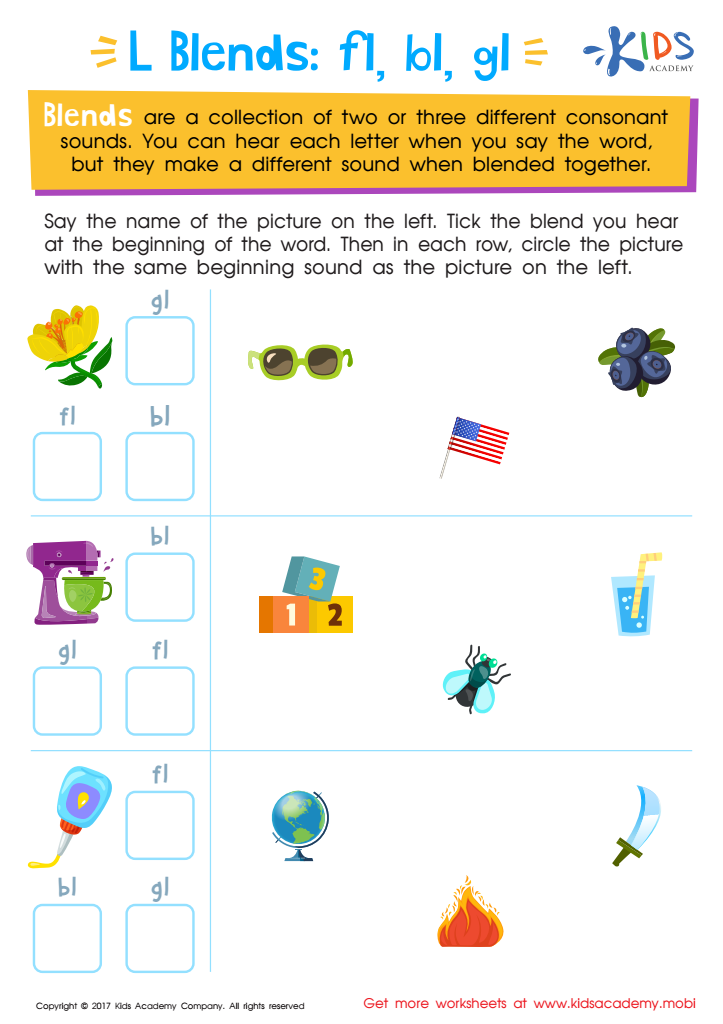
Blending Consonants: "Fl", "Bl" and "Gl" Printable
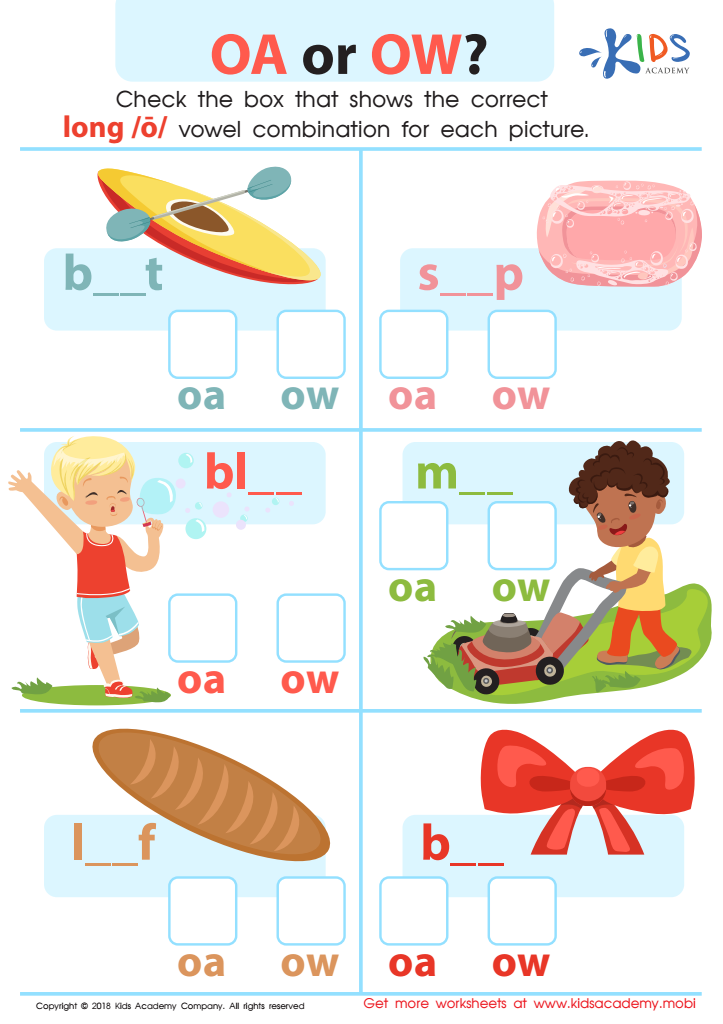
Reading: OA or OW Worksheet
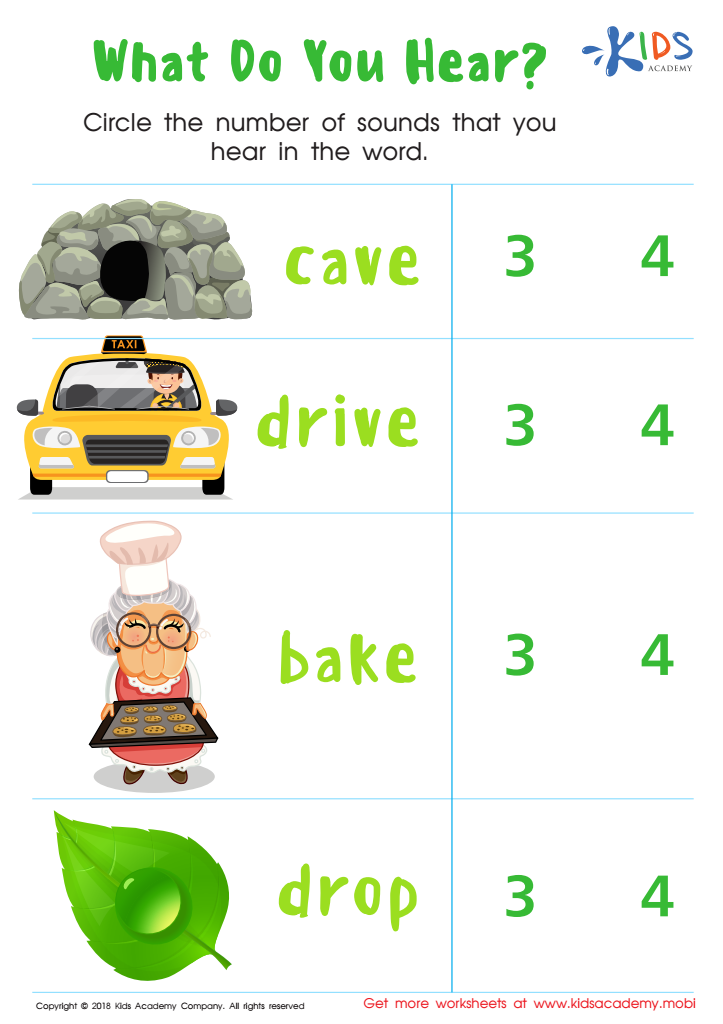
What Do You Hear? Worksheet
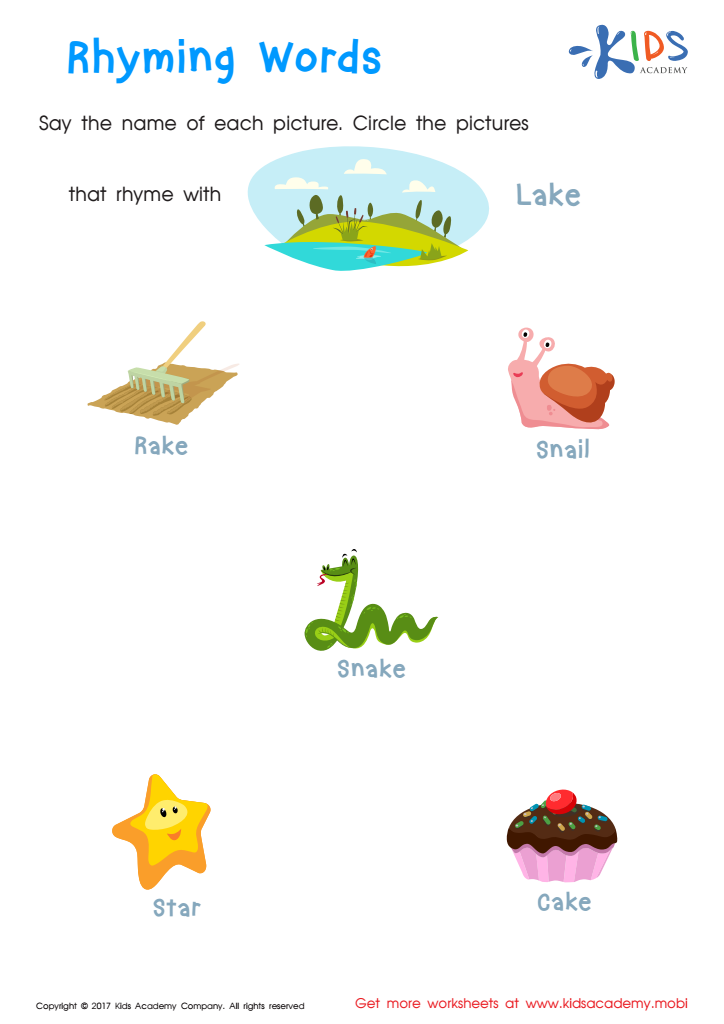
Rhyming Words Rhyming Worksheet
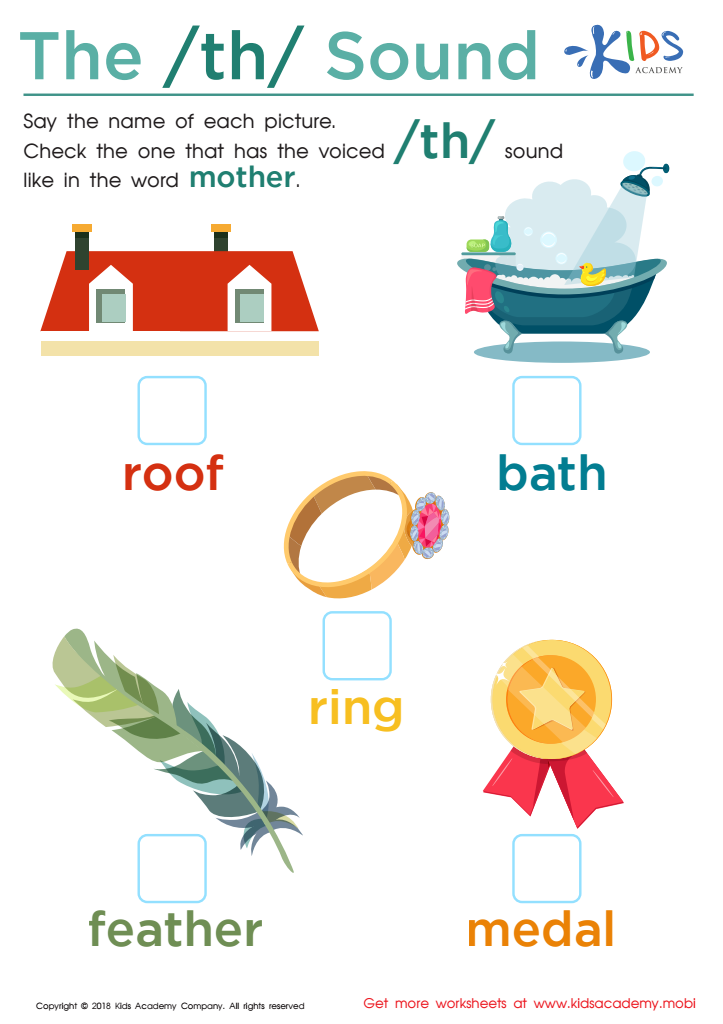
The /th/ Sound Worksheet
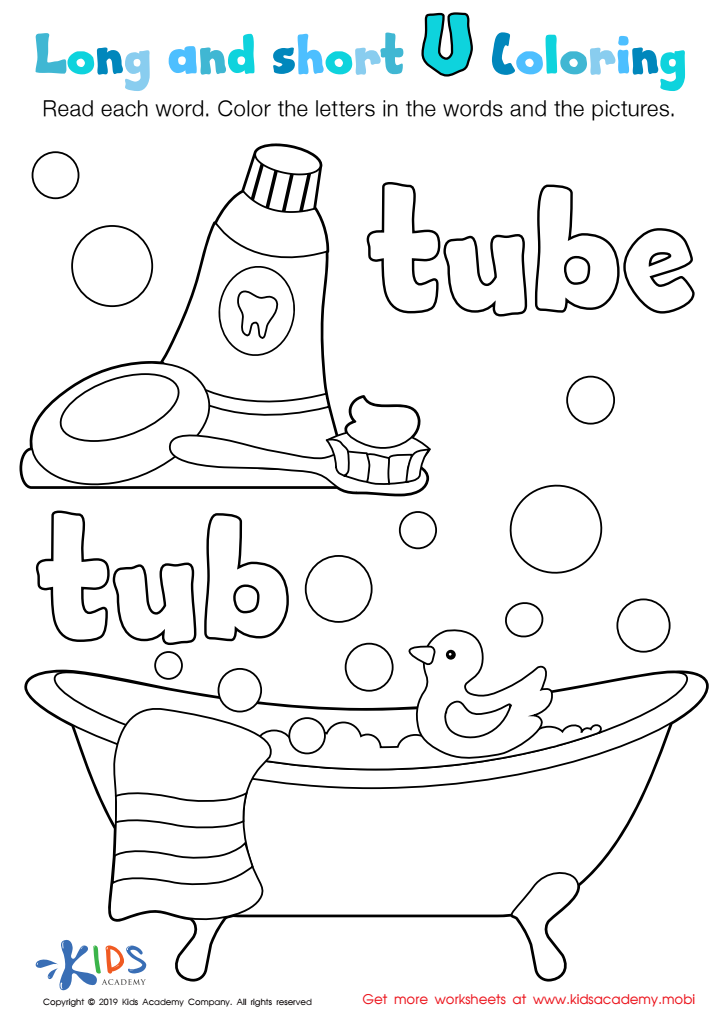
Long and Short U Worksheet
 Assign to My Students
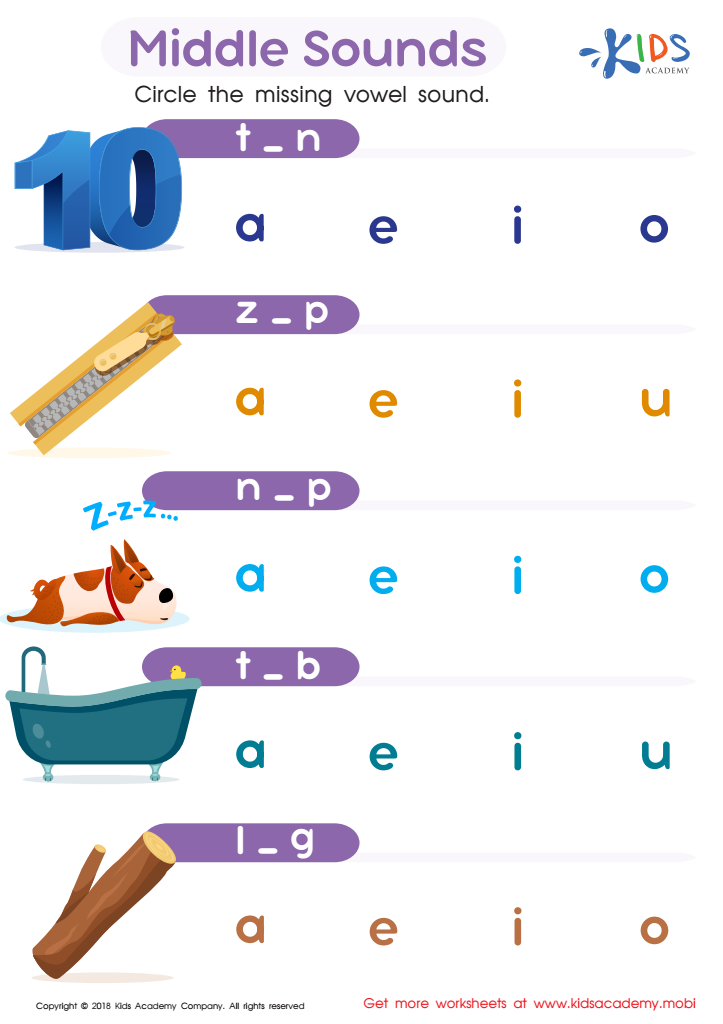
Middle Sounds Worksheet
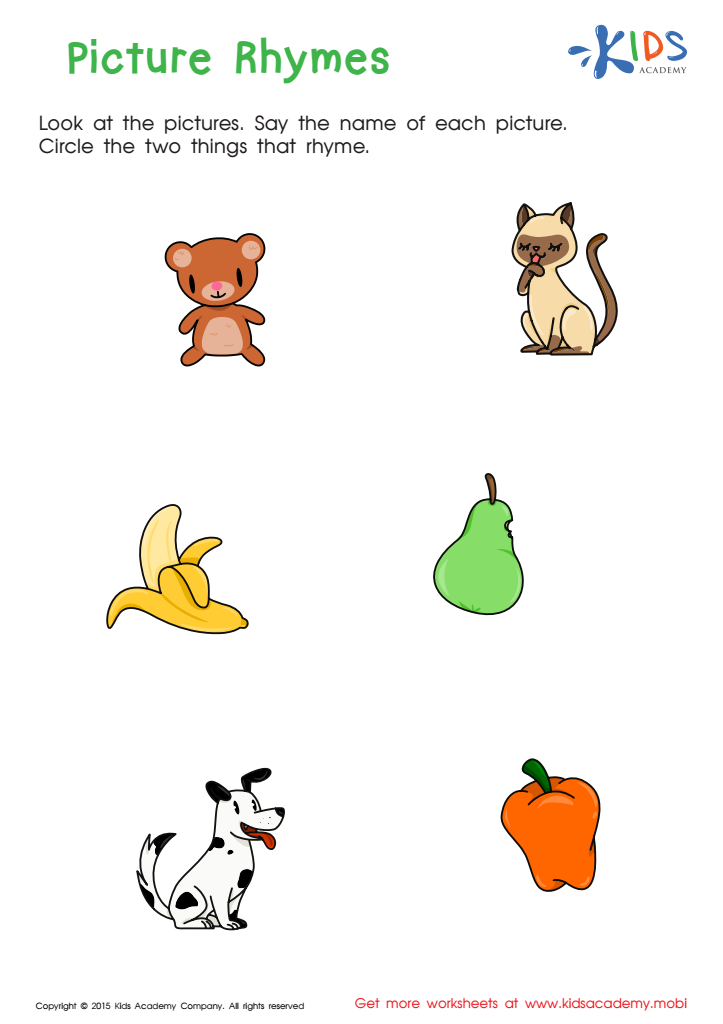
First Words: Picture Rhymes Worksheet
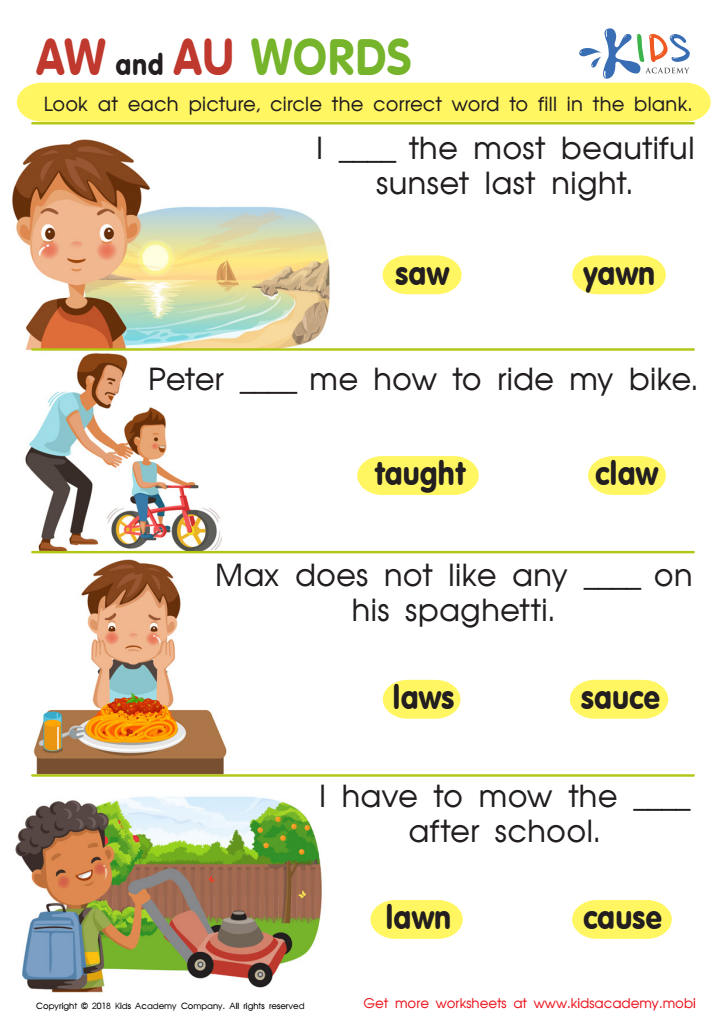
Reading: AW and AU Words Worksheet
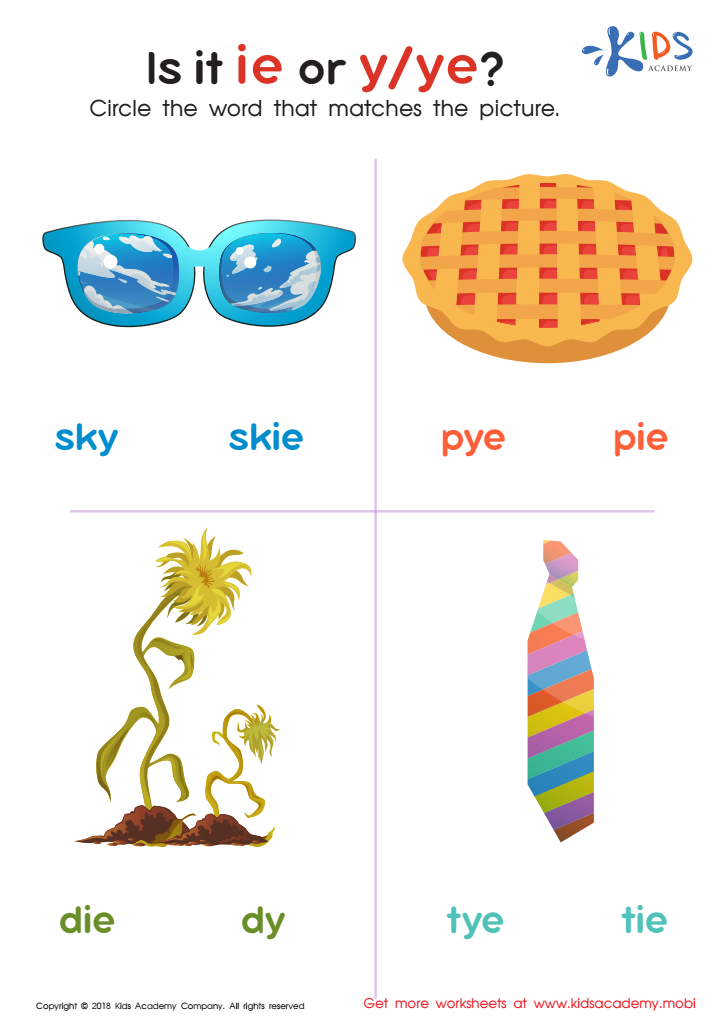
Is It IE or Y/Ye? Worksheet








Sound recognition using the Normal Alphabet is crucial for children aged 7-8, as it forms the foundation for effective reading and writing skills. At this stage, children transition from learning to read to reading to learn, and their ability to recognize sounds linked to letters greatly impacts their literacy development. Understanding the sounds of the alphabet helps children decode new words, facilitating vocabulary expansion and improving comprehension.
Moreover, sound recognition enhances phonemic awareness, which is essential for spelling and writing. Children who master this skill are more likely to become proficient readers and writers, leading to greater academic success and confidence. Additionally, recognized sounds differentiate vowel and consonant blends, aiding in pronunciation and fluency.
For teachers and parents, fostering sound recognition contributes to a child’s overall cognitive development. It encourages critical thinking and listening skills, as children must differentiate sounds and letters accurately. This focus enables children to explore language creatively, enhancing their communication abilities.
Overall, prioritizing sound recognition supports literacy growth, contributes to academic achievement, and lays the groundwork for lifelong learning and effective communication skills. Engaging children in fun, interactive activities around sound recognition can make this crucial learning process enjoyable and impactful.







