Alphabet Recognition Normal Worksheets for Ages 7-8
22 filtered results
-
From - To
Enhance your child’s alphabet recognition skills with our specially designed Normal Worksheets for ages 7-8. These engaging and educational worksheets provide fun exercises that promote literacy and improve letter recognition, crucial for reading development. With a variety of activities, including matching games and letter tracing, children will gain confidence in identifying uppercase and lowercase letters. Perfect for home or classroom use, our worksheets cater to various learning styles, making learning enjoyable and effective. Foster a love for reading and language as your child masters the alphabet through interactive practice. Explore our collection and watch their skills flourish!
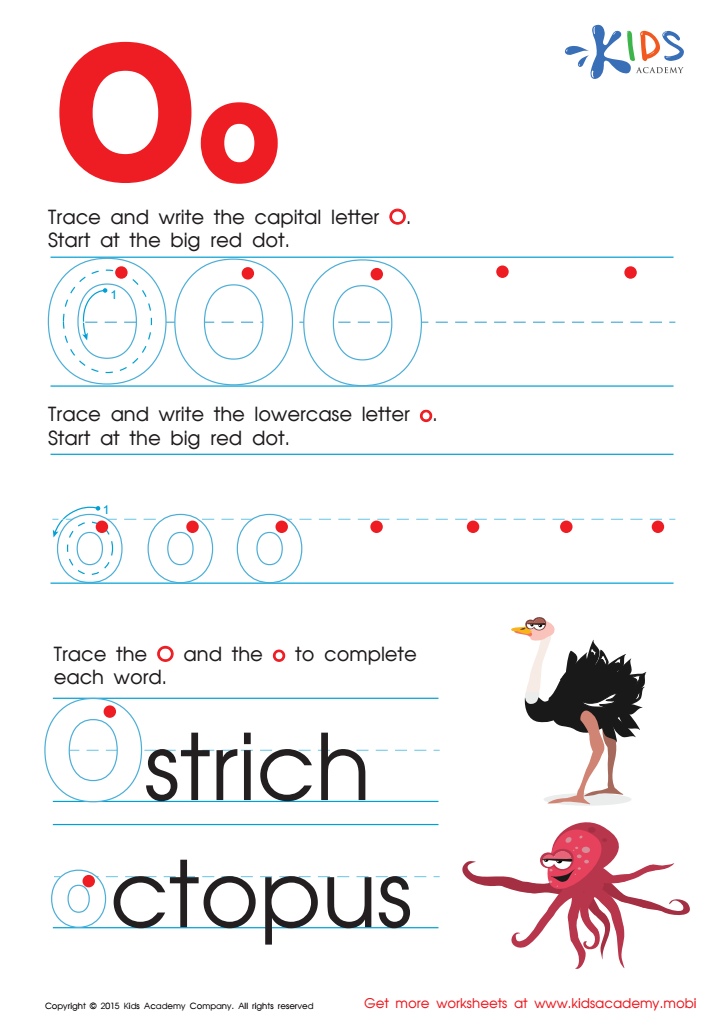
Letter O Tracing Page
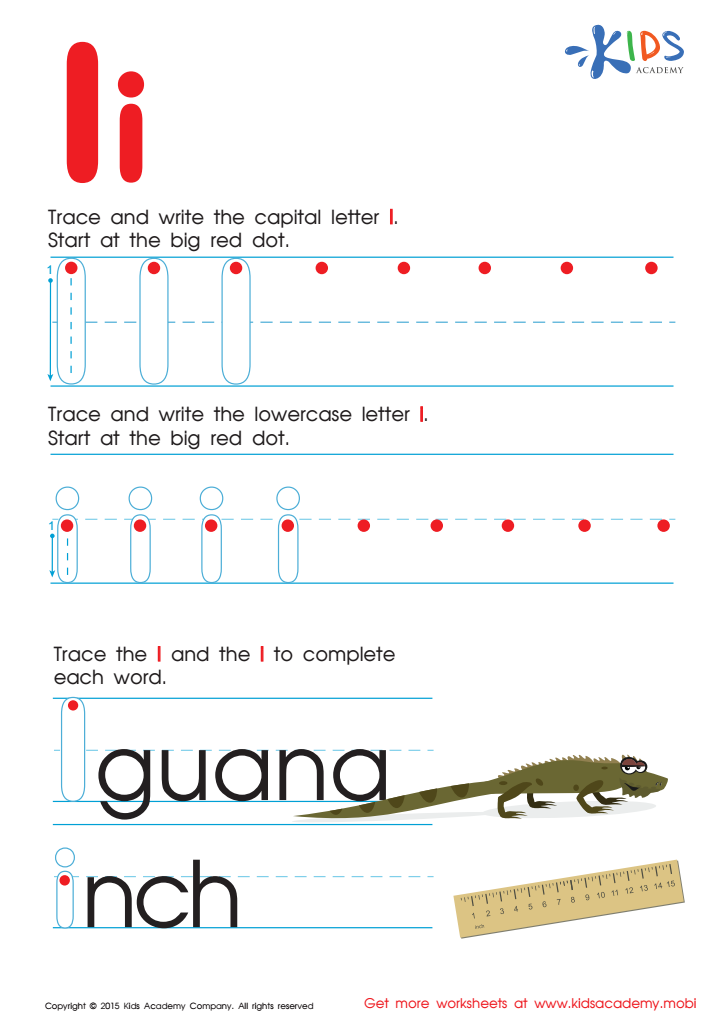
Letter I Tracing Page
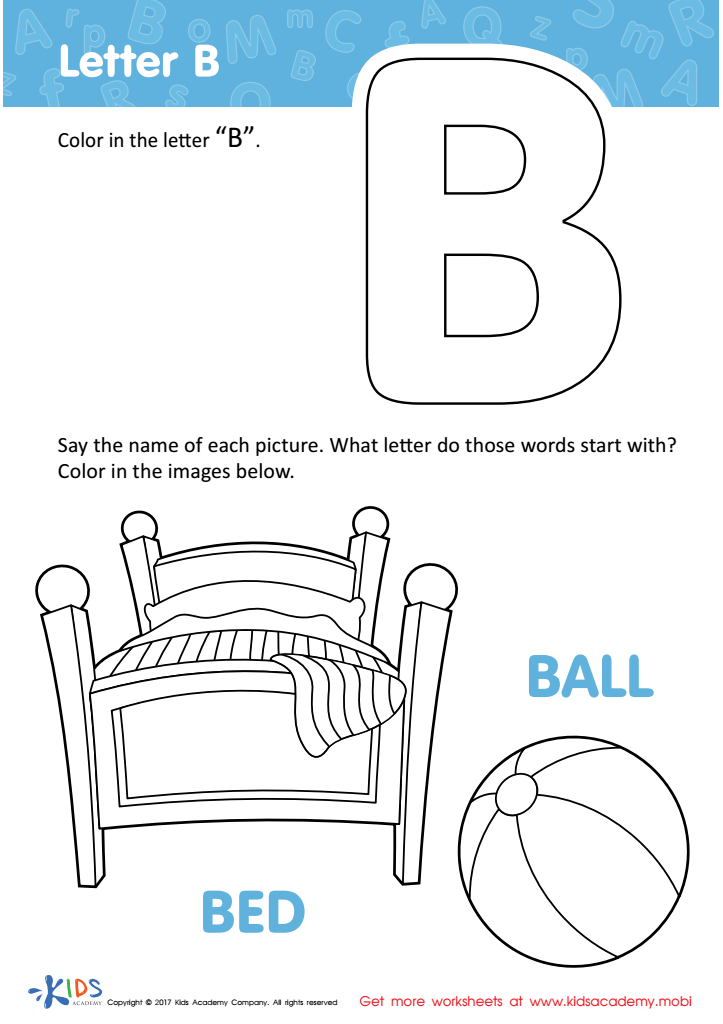
Letter B Coloring Sheet
 Assign to My Students
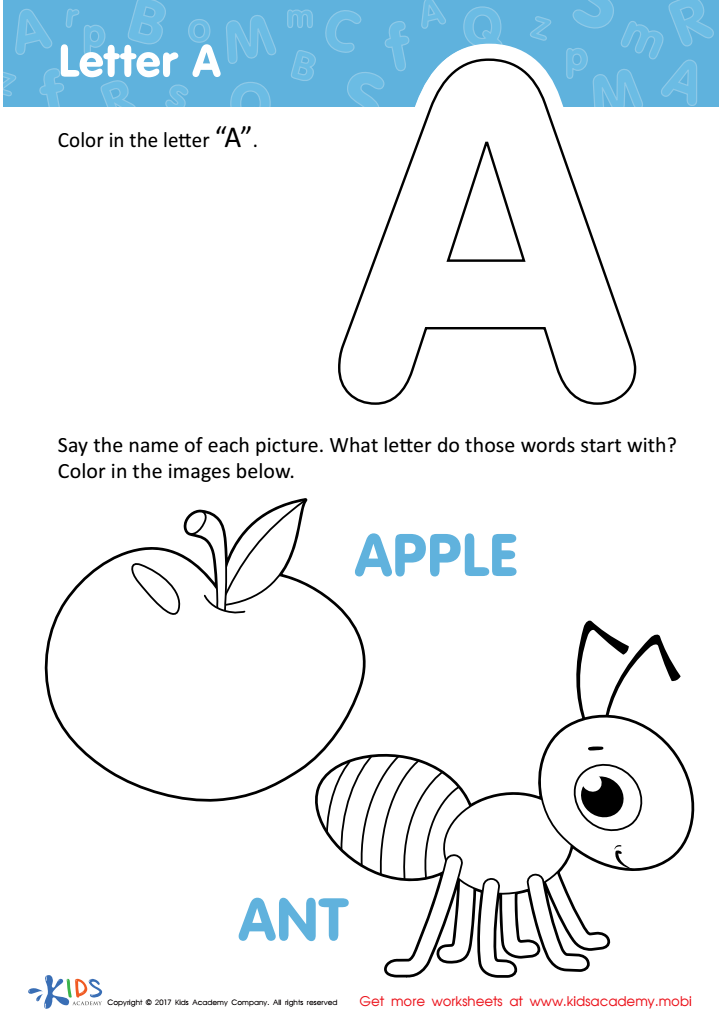
Letter A Coloring Sheet
Assign to My Students
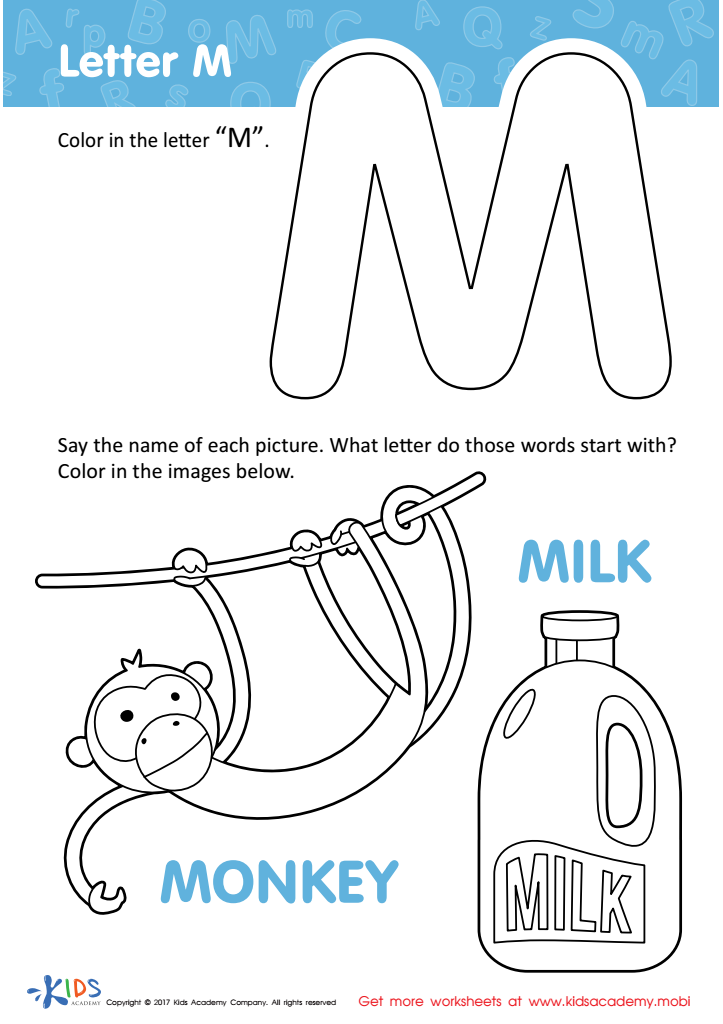
Letter M Coloring Sheet
Assign to My Students
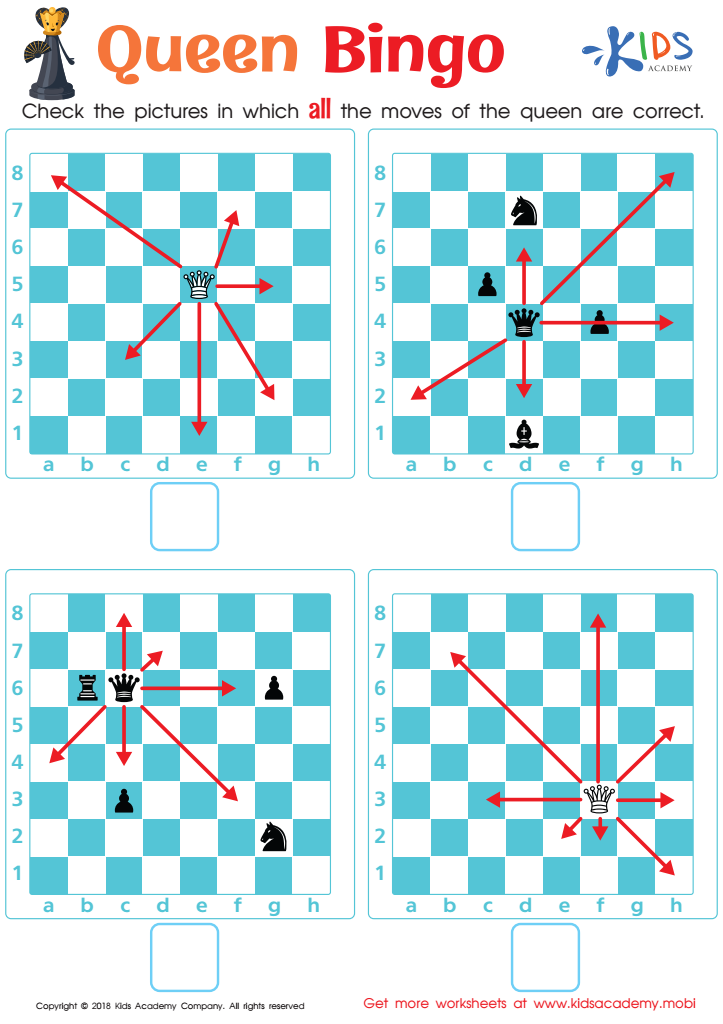
Queen Bingo Worksheet
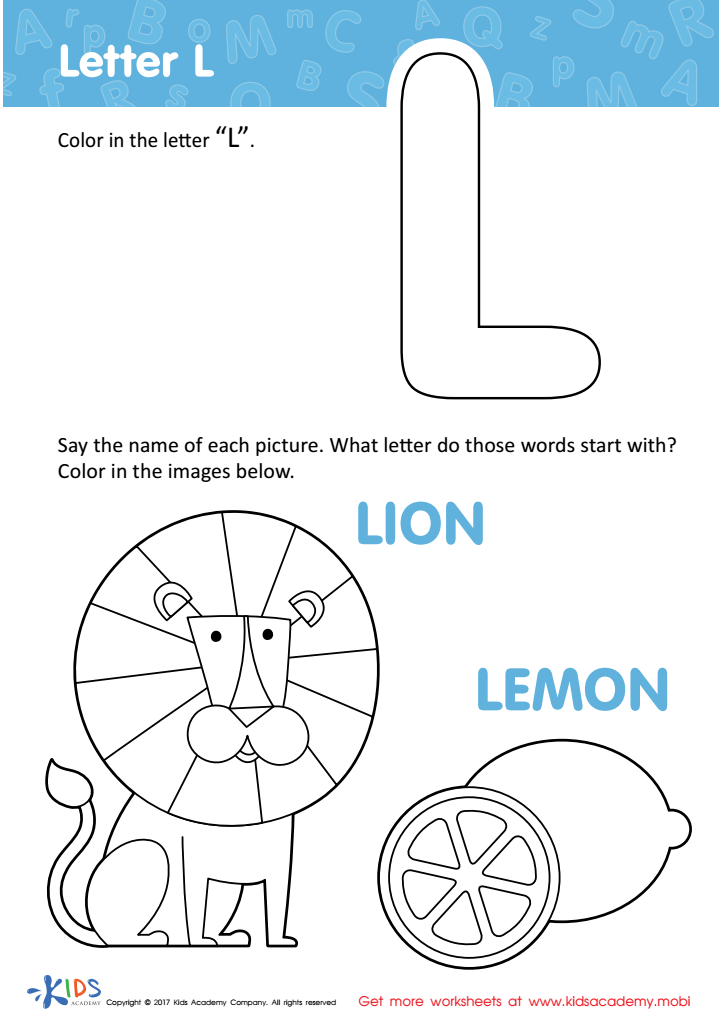
Letter L Coloring Sheet
Assign to My Students
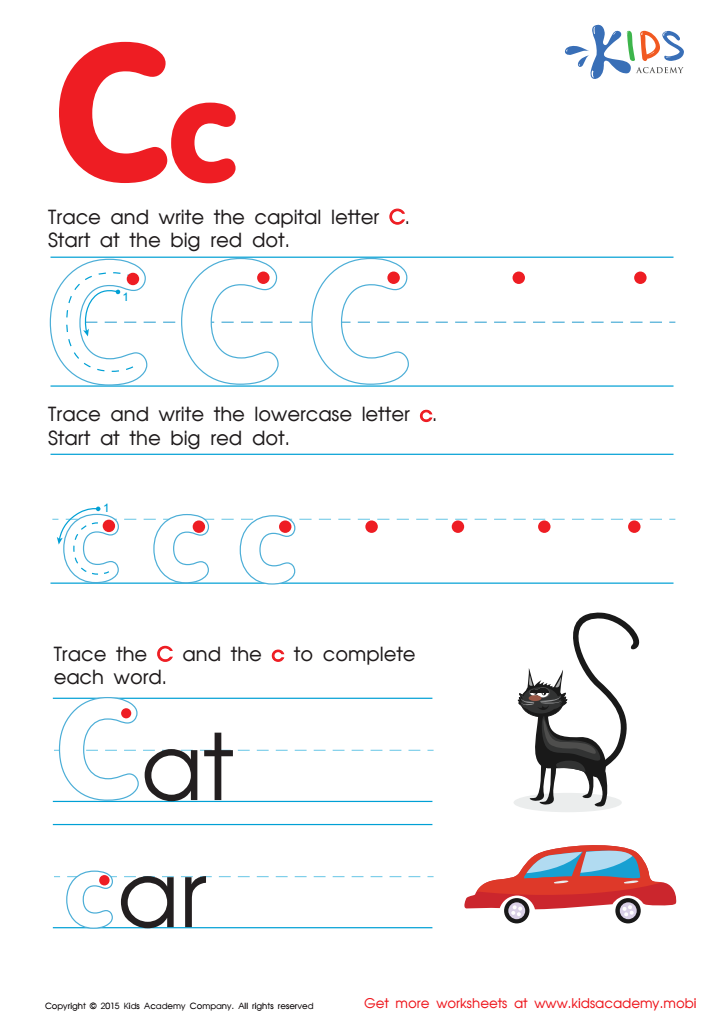
Letter C Tracing Page
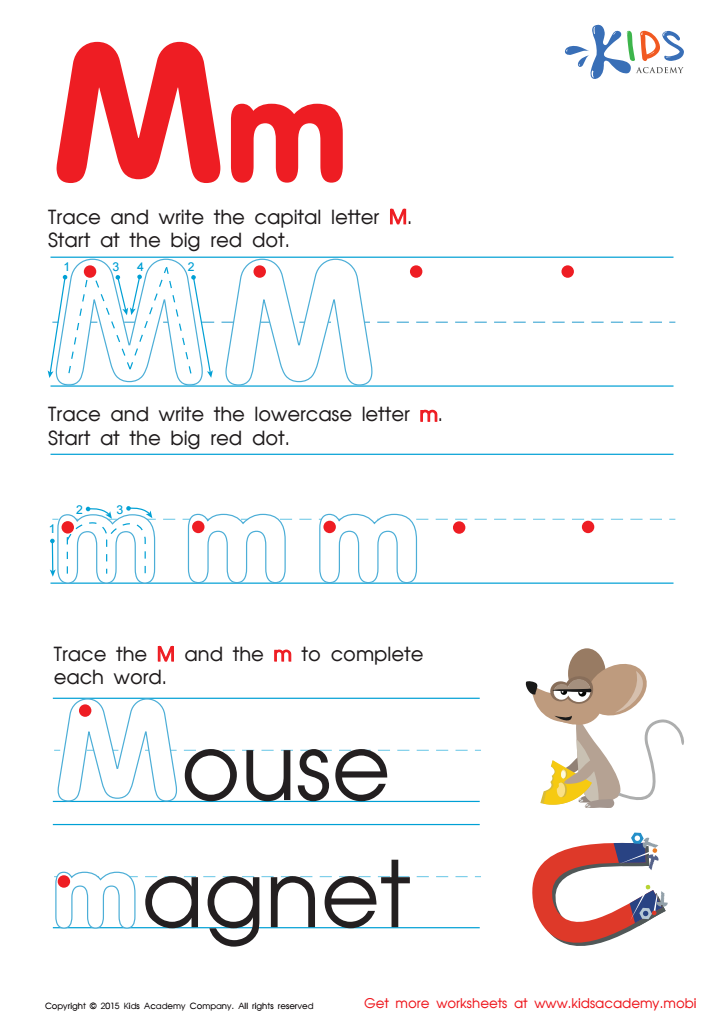
Letter M Tracing Page
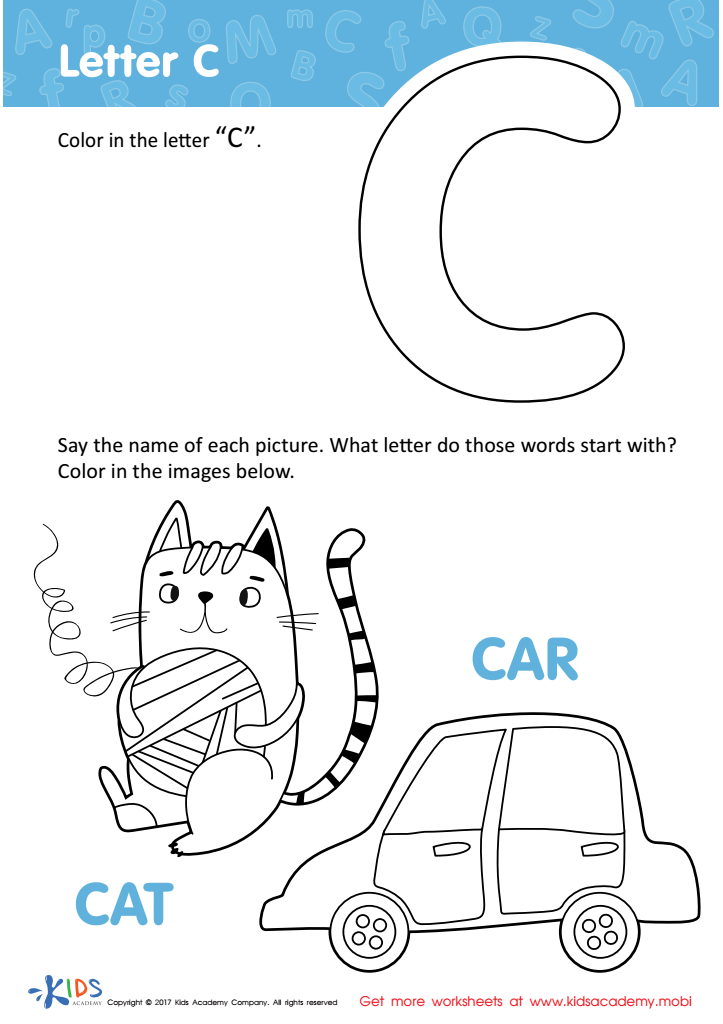
Letter C Coloring Sheet
Assign to My Students
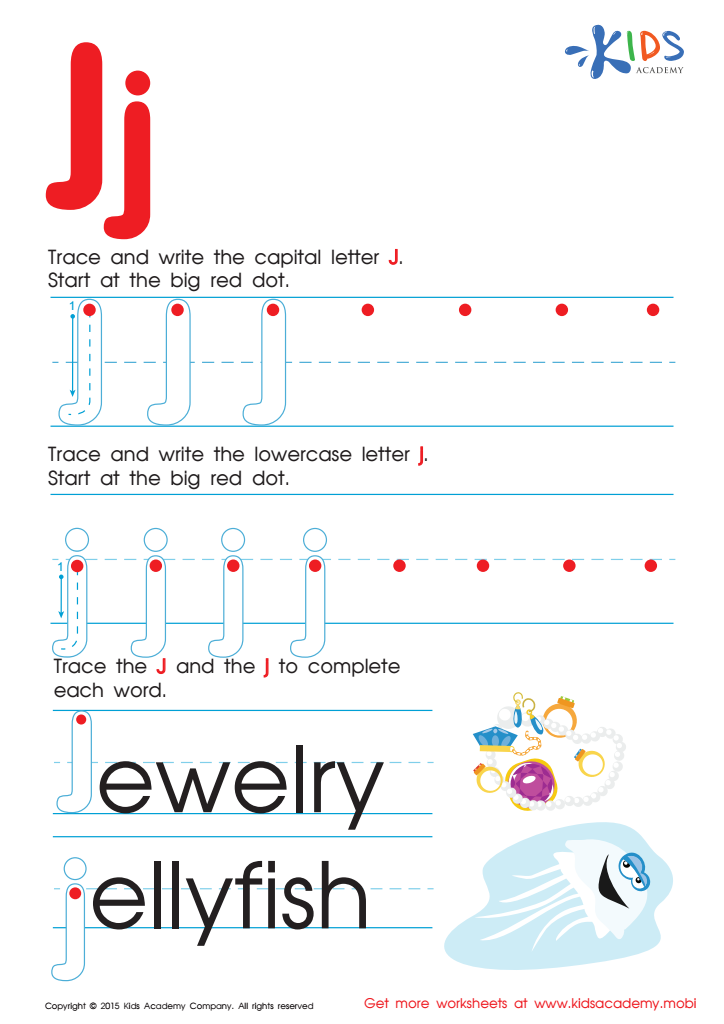
Letter J Tracing Page
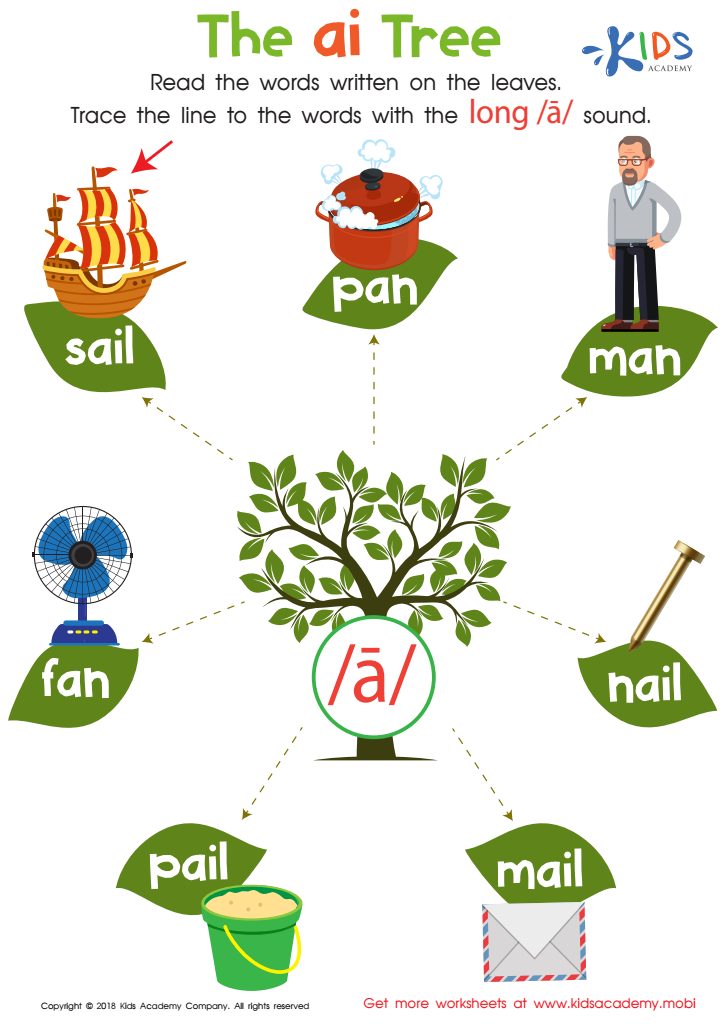
The AI Tree Worksheet
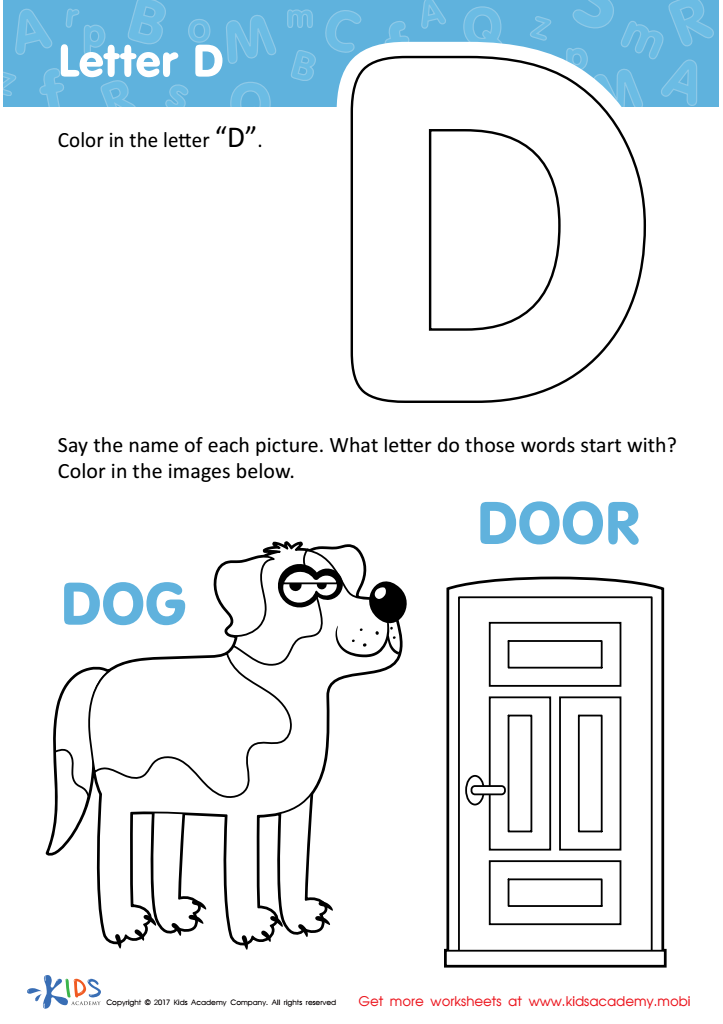
Letter D Coloring Sheet
Assign to My Students
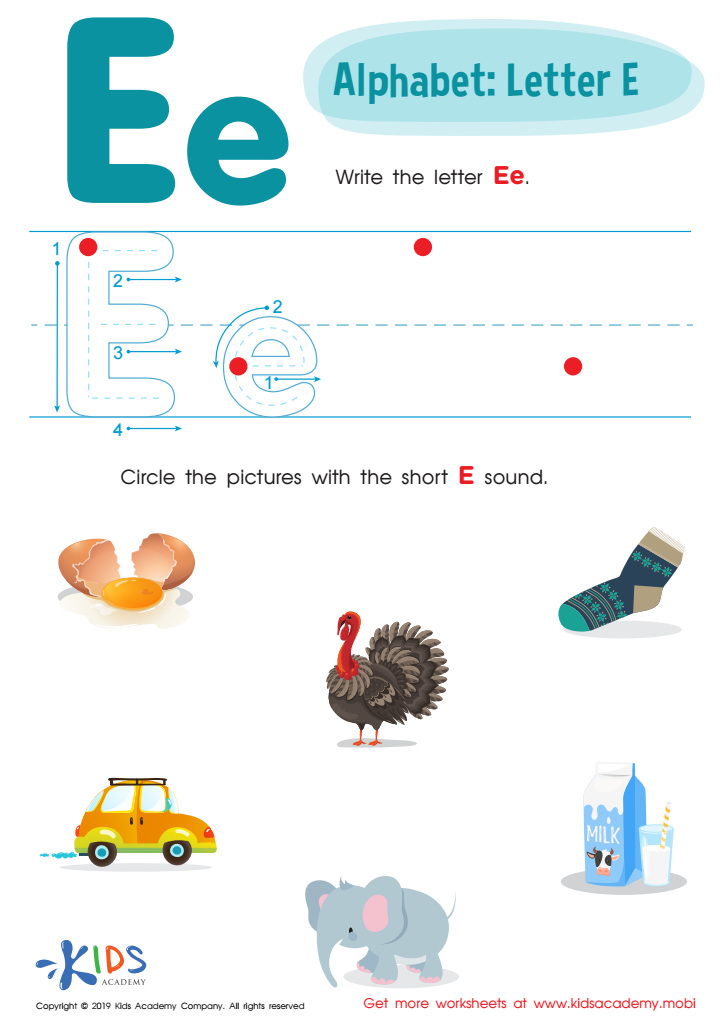
Letter E Tracing Worksheet
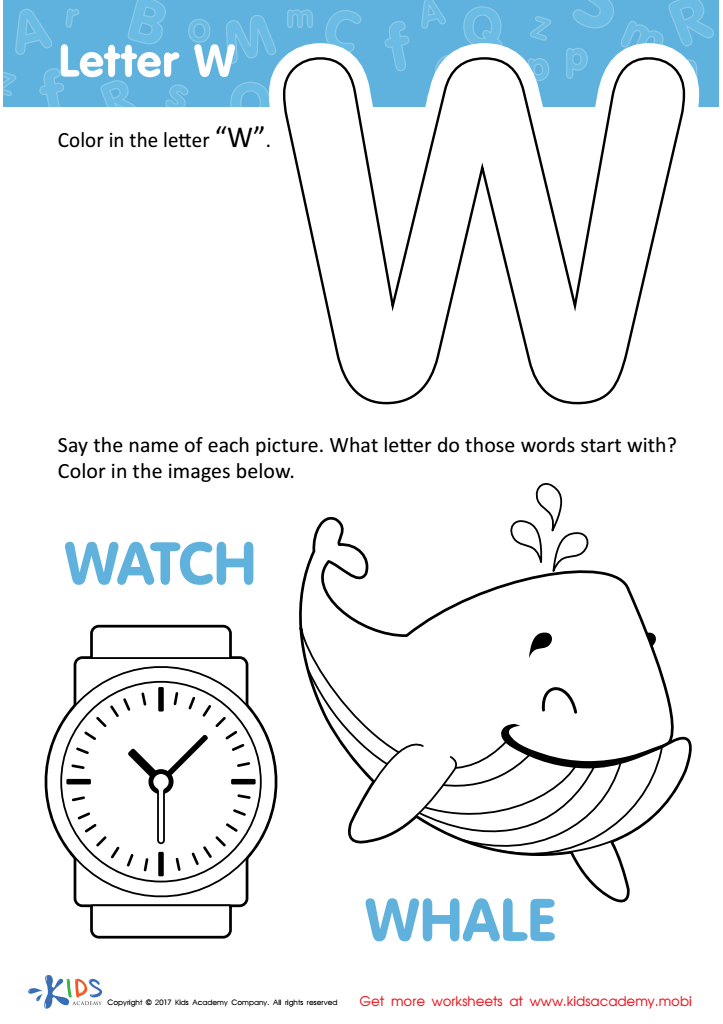
Letter W Coloring Sheet
Assign to My Students
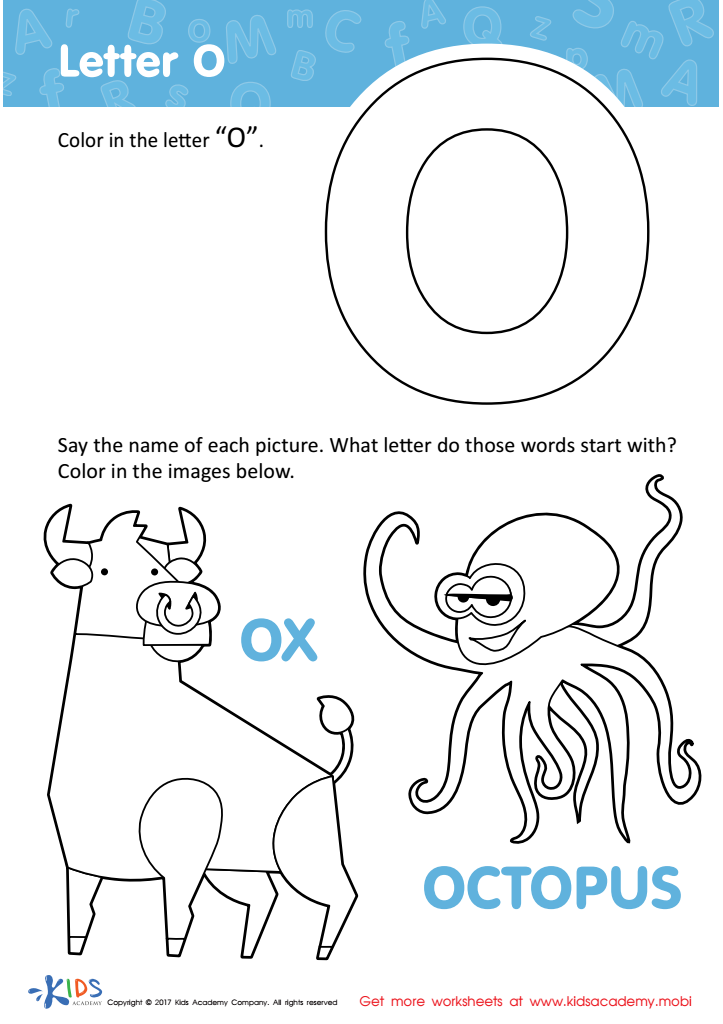
Letter O Coloring Sheet
Assign to My Students
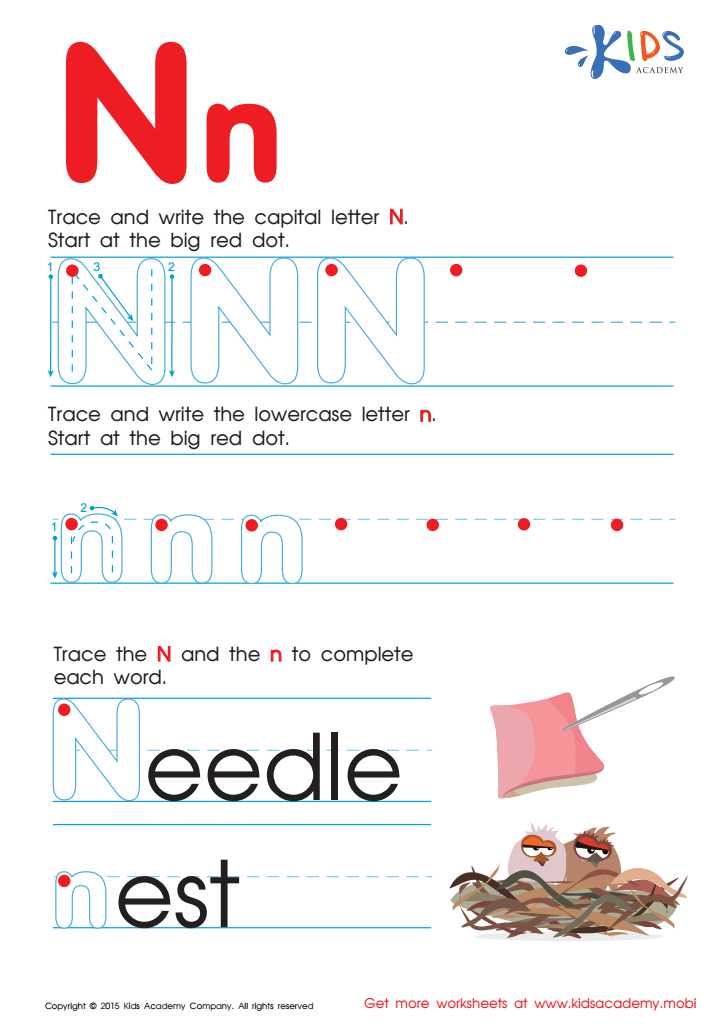
Letter N Tracing Page
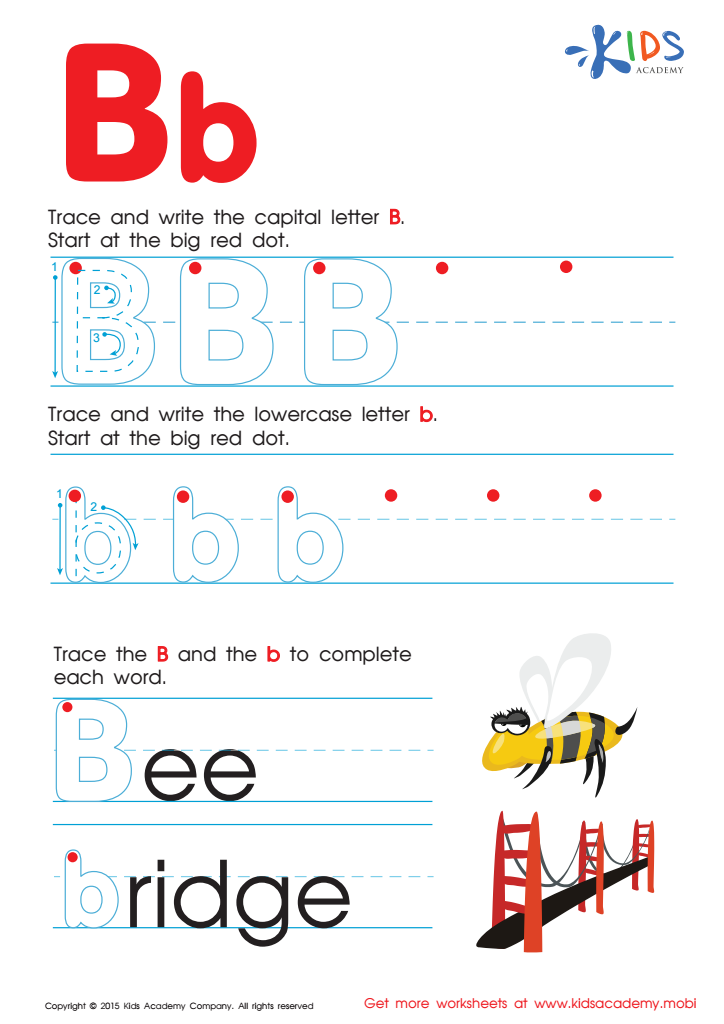
Letter B Tracing Page
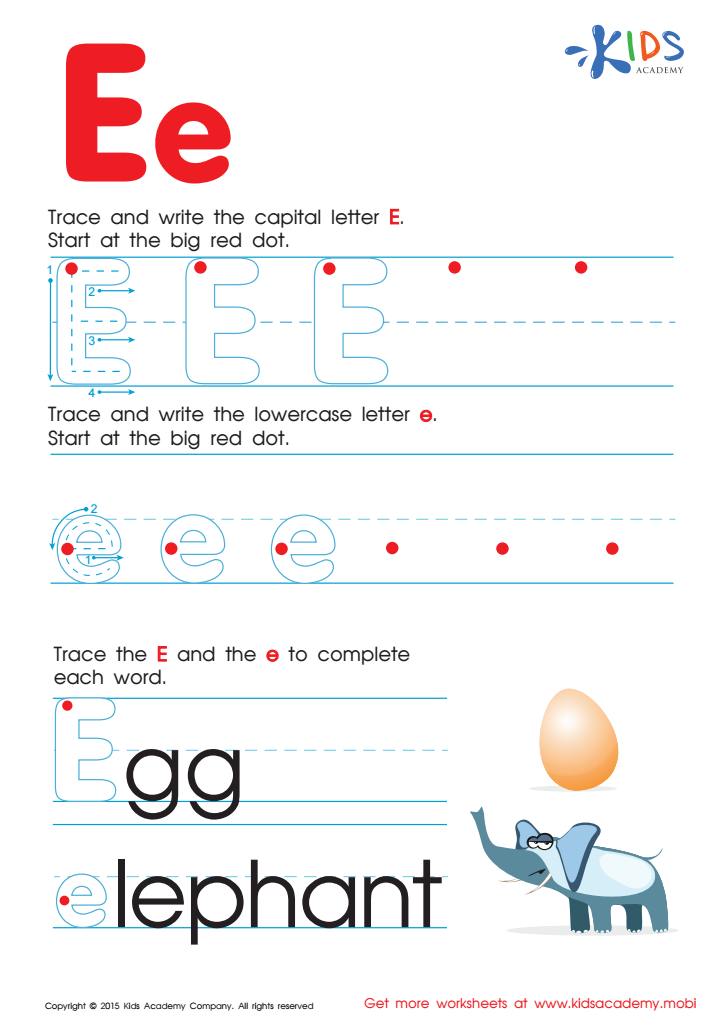
Letter E Tracing Page
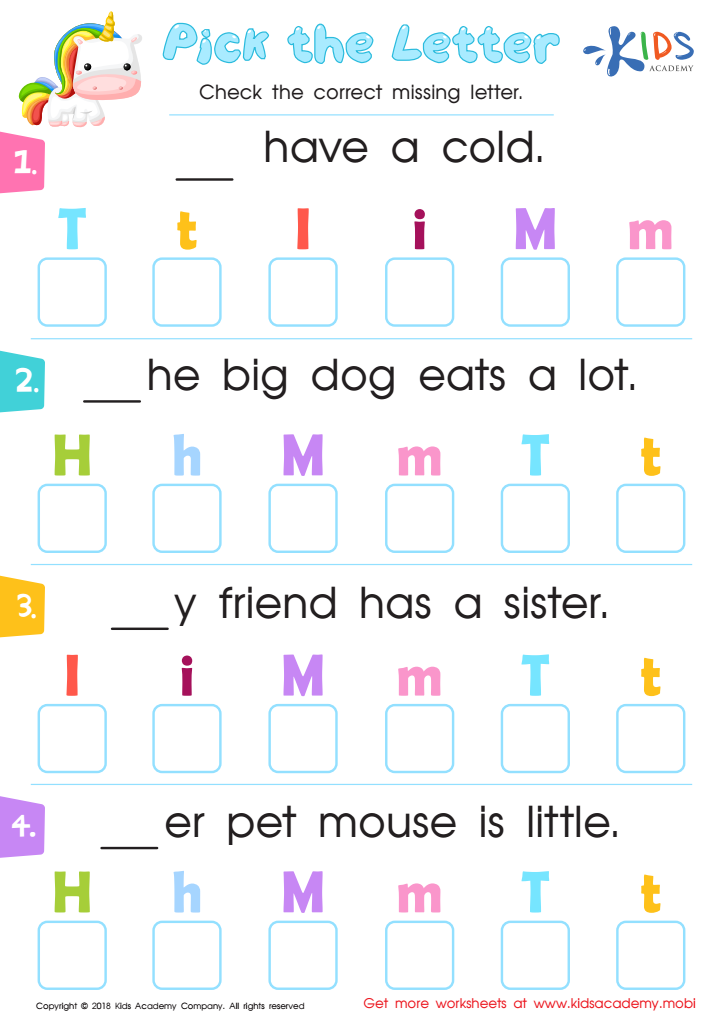
Pick the Letter Worksheet
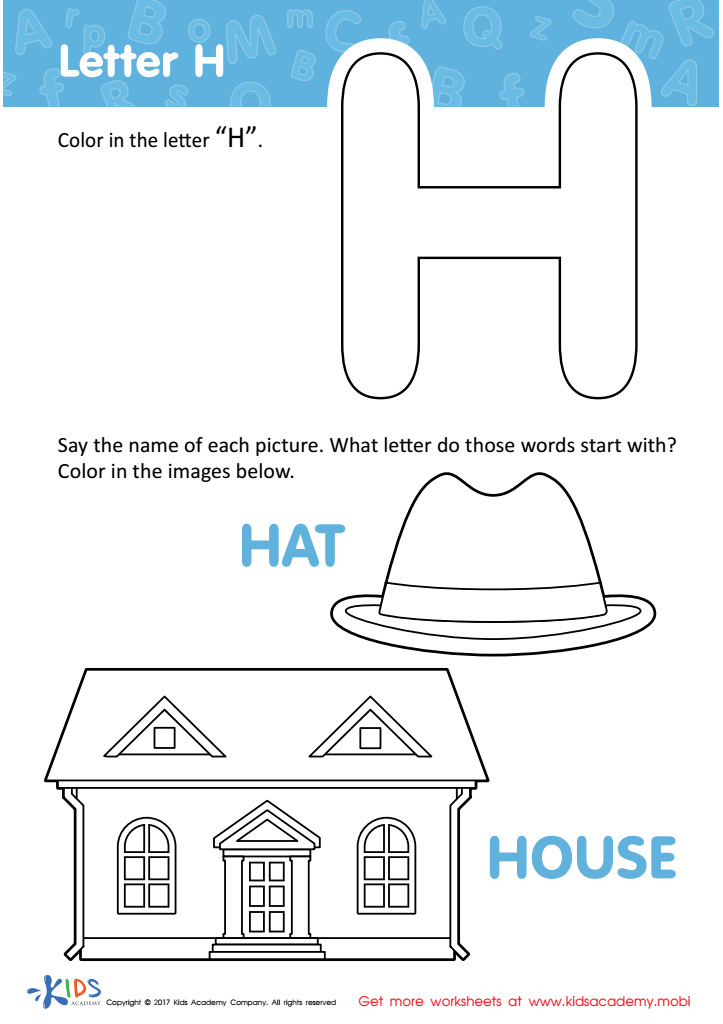
Letter H Coloring Sheet
Assign to My Students
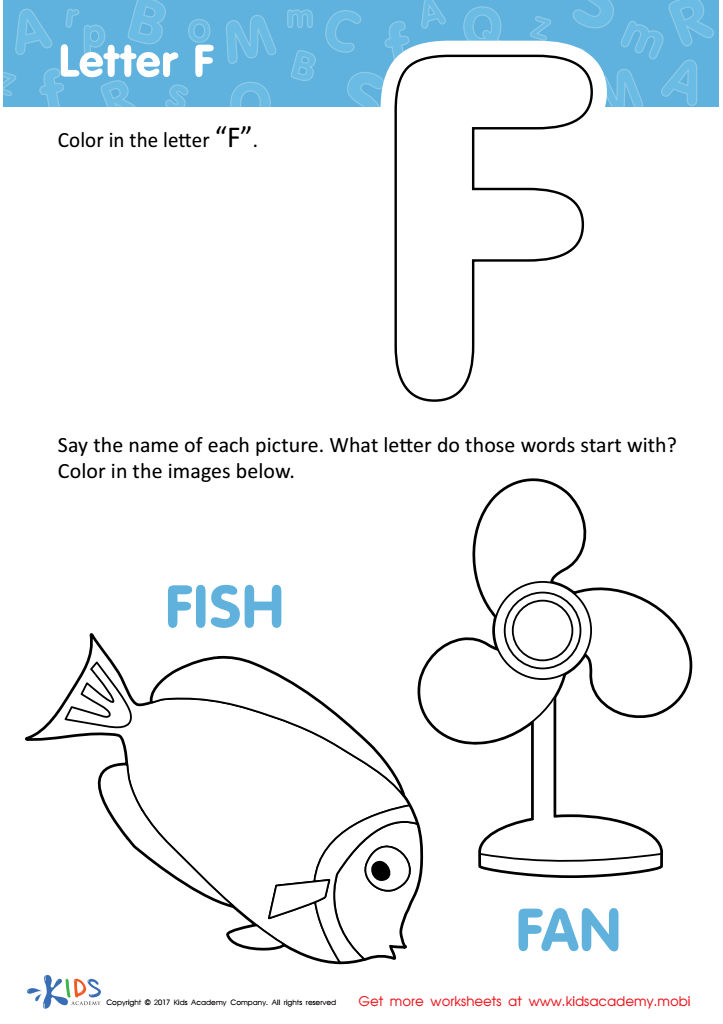
Letter F Coloring Sheet
Assign to My Students







Alphabet recognition is a foundational skill for children aged 7-8, as it significantly impacts their reading development and overall academic success. Parents and teachers should prioritize this skill because it serves as a stepping stone to literacy. At this age, children are expected to transition from learning individual letters to recognizing them in context, which aids in decoding and comprehending written text.
Caring about alphabet recognition helps identify children who may struggle with literacy early on, leading to timely intervention. Strong alphabet recognition promotes phonemic awareness, enriches vocabulary, and fosters confidence in reading. Engaging children in activities that reinforce letter recognition—such as games, songs, and interactive reading—can motivate and create a nurturing learning environment.
Furthermore, a solid grasp of the alphabet encourages a love for reading and learning, leading to improved academic performance across subjects. Informed parents and teachers can integrate meaningful literacy practices at home and in the classroom. When they actively support alphabet recognition, they not only elevate children's reading and writing abilities, but also empower them with the skills needed for lifelong learning. In essence, fostering this critical skill benefits both individual children and the broader educational community.








