Alphabetical order understanding Normal Worksheets for Ages 7-8
3 filtered results
-
From - To
Enhance your child's literacy skills with our engaging Alphabetical Order Understanding Worksheets, designed specifically for ages 7-8. These worksheets provide age-appropriate activities that help young learners grasp the concept of alphabetical order through fun exercises. Each worksheet encourages critical thinking while boosting vocabulary and spelling abilities. Kids will enjoy practicing sorting words, completing sequences, and recognizing alphabetical patterns, making learning both enjoyable and effective. Our thoughtfully crafted materials support classroom learning and can be easily implemented at home. Foster your child's confidence in reading and writing with these interactive resources that build a solid foundation for future literacy success!
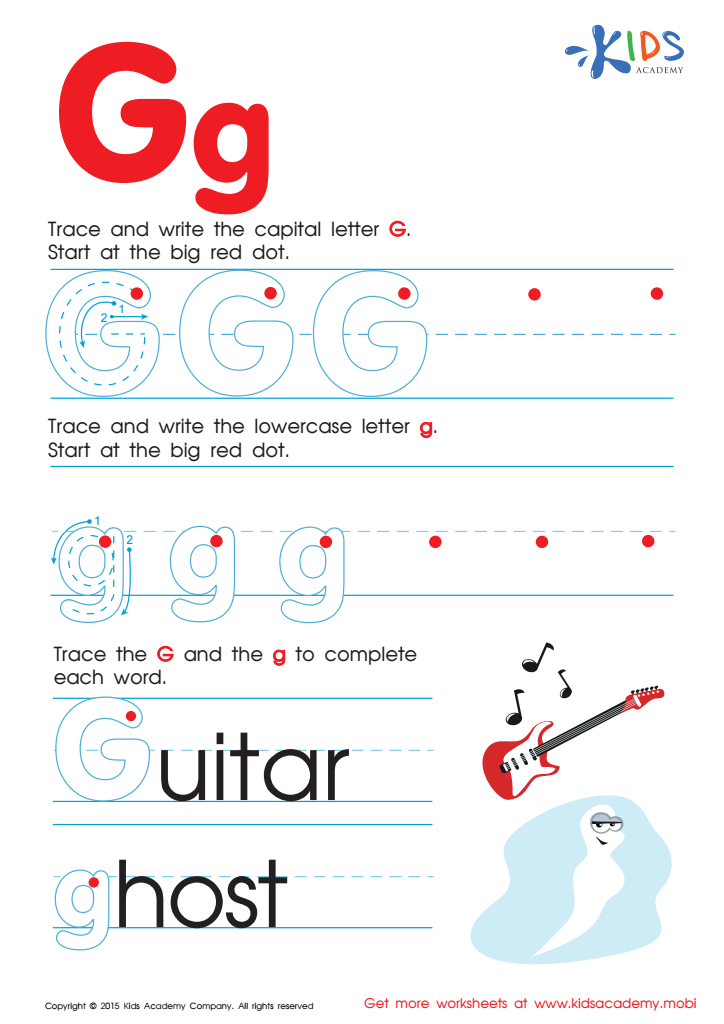
Letter G Tracing Page
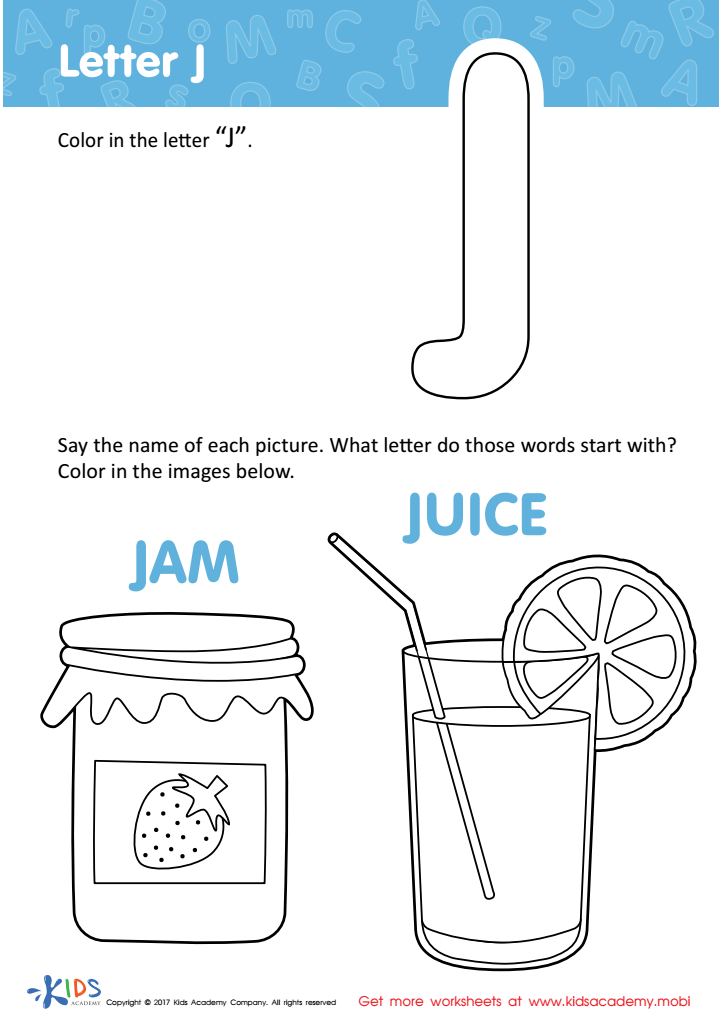
Letter J Coloring Sheet
 Assign to My Students
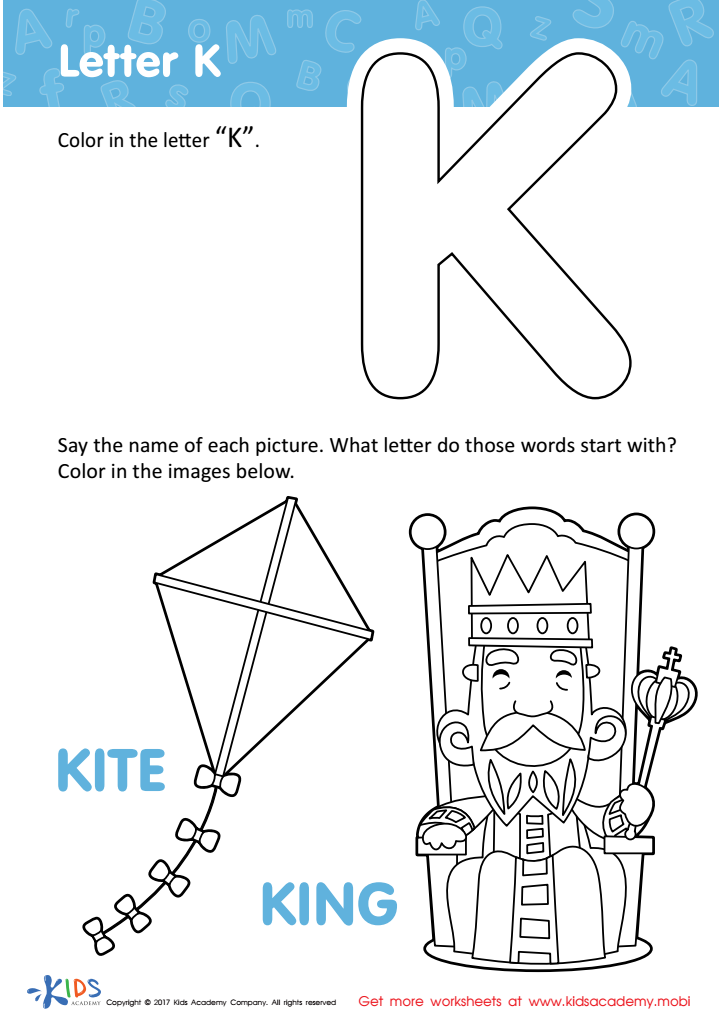
Letter K Coloring Sheet
Assign to My Students







Understanding alphabetical order is essential for children aged 7-8 as it lays the groundwork for effective reading, writing, and communication skills. At this age, students are becoming increasingly independent readers and writers, and mastering alphabetical order enhances their ability to navigate texts with confidence. This skill helps children locate words in dictionaries and encyclopedias, understand library sorting systems, and organize their thoughts during writing activities.
Moreover, social and cognitive development plays a crucial role in this age group. Learning alphabetical order encourages critical thinking and memory skills as children practice recalling the sequence of letters. It also promotes teamwork when working in groups, as they help each other organize items or collaborate on projects.
For parents and teachers, supporting discussions and activities around alphabetical order can foster a love for language and literacy. Using fun and engaging methods—like games and songs—makes the learning process enjoyable, which can positively impact a child's academic journey. Ultimately, having a strong grasp of alphabetical order contributes to a well-rounded educational foundation, promoting academic success and enthusiasm for learning, which is vital at this stage in their development.








