Associative learning Normal Worksheets for Ages 7-8
3 filtered results
-
From - To
Explore our engaging Associative Learning Worksheets designed specifically for children aged 7-8! These interactive resources foster critical thinking by helping young learners identify connections between different concepts. Our thoughtfully crafted worksheets encourage students to practice matching, categorizing, and recognizing relationships, making learning both fun and effective. Ideal for classroom or home use, these worksheets aim to strengthen foundational skills, enhance cognitive development, and prepare children for more complex challenges ahead. Download today to support your child's educational journey and inspire a love for learning! Perfect for teachers and parents alike, our materials facilitate easy progression in understanding associative learning.
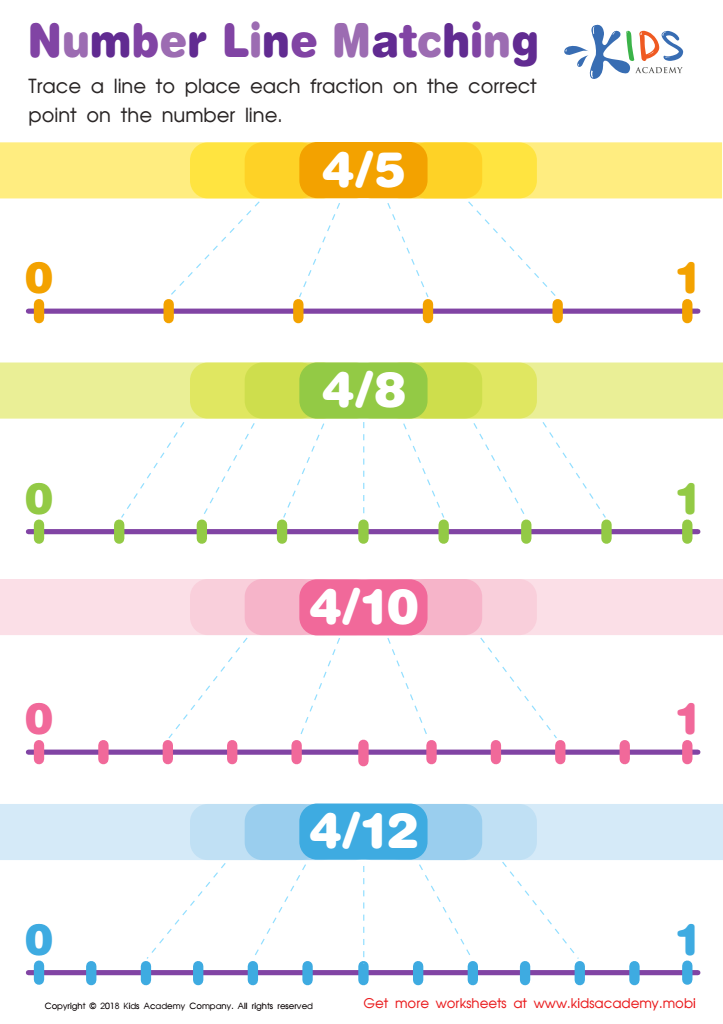
Number Line Matching Worksheet
 Assign to My Students
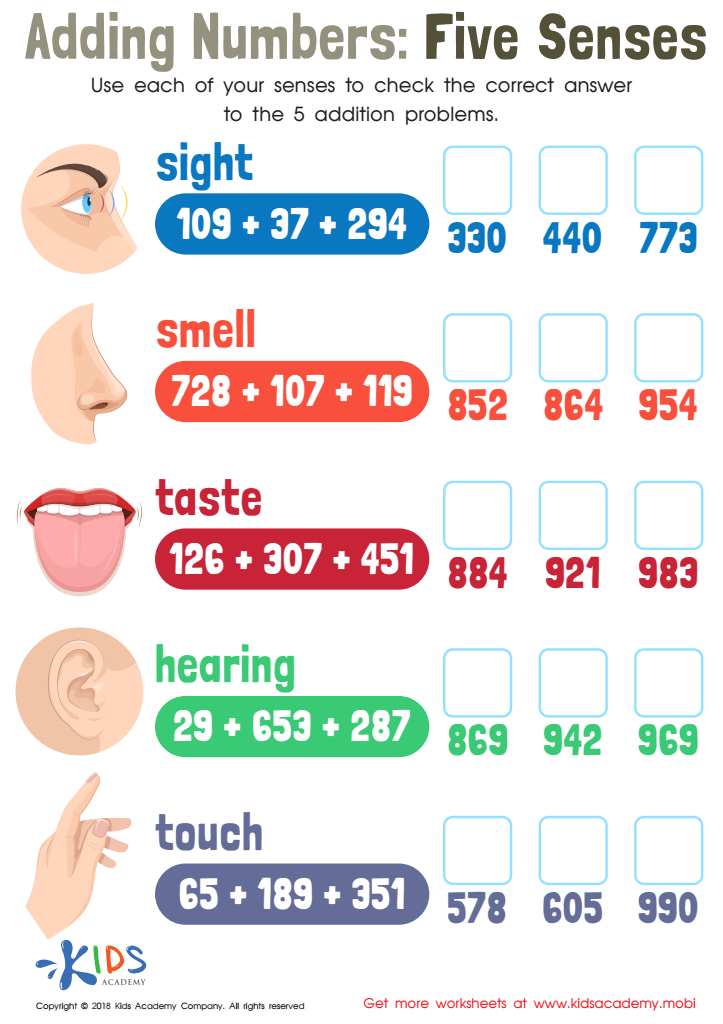
Adding Numbers: Five Senses Worksheet
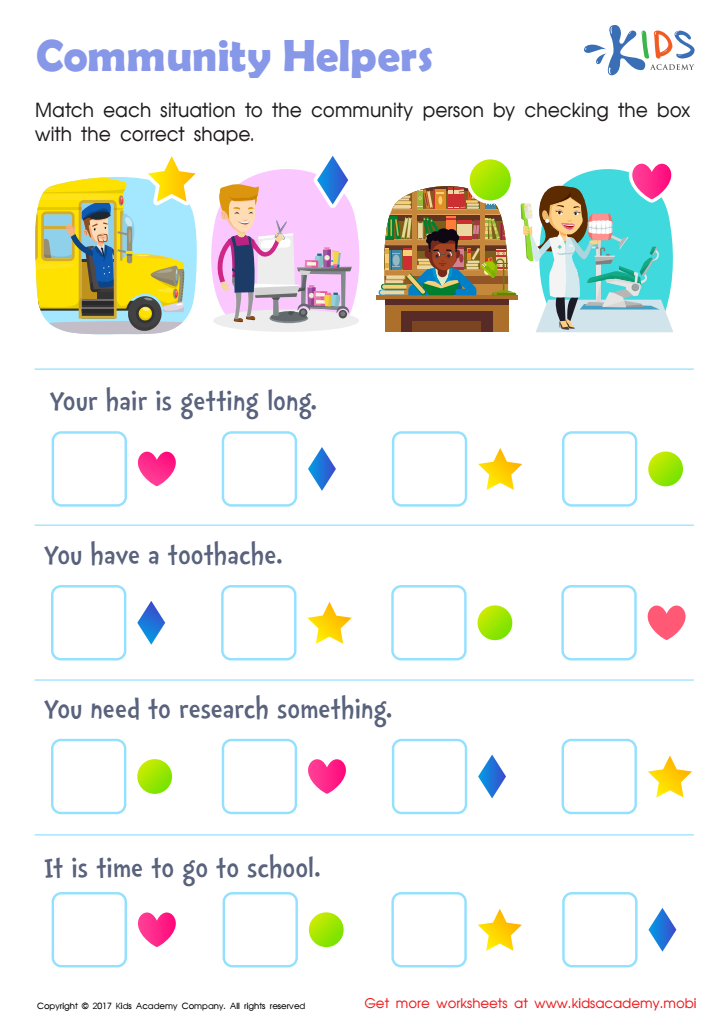







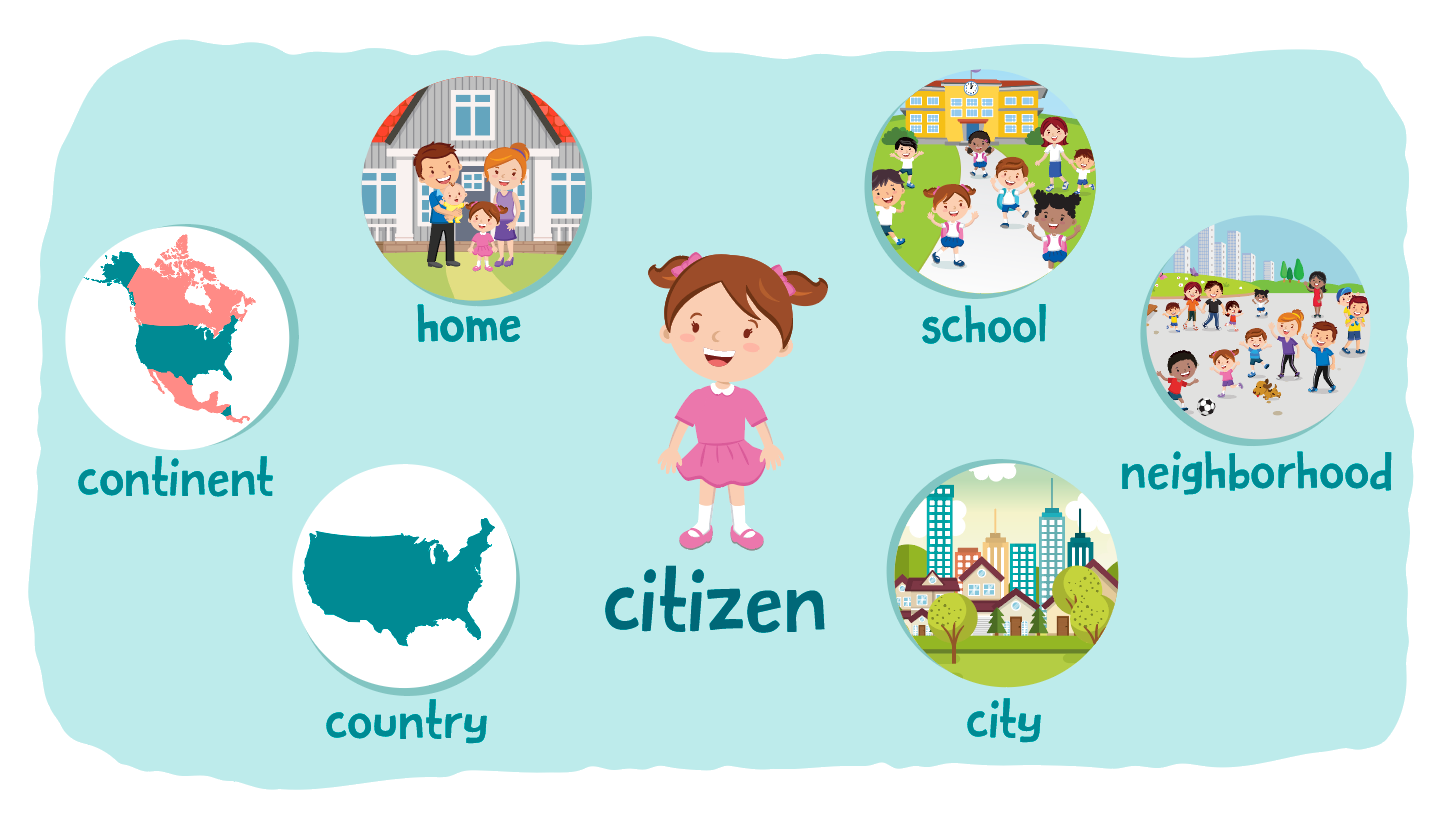
Associative learning is a fundamental cognitive process that allows children aged 7-8 to make connections between different concepts and experiences. For parents and teachers, understanding and fostering associative learning in this developmental stage is crucial for several reasons.
Firstly, children are naturally curious and eager to explore their environment, and associative learning promotes this exploration by linking new information with existing knowledge. For example, when a child learns that a dog is a pet, they might also associate it with loyalty and companionship, forming deeper understanding and relationships with concepts.
Secondly, associatively learning enhances memory retention. By creating associations, children are better equipped to remember and recall information, which is vital for academic success. This can significantly impact subjects such as math, language arts, and science, where understanding relationships, like cause and effect or categories, is key.
Moreover, supportive learning environments that stimulate associative thinking enhance critical thinking skills. This encourages creativity and problem-solving abilities, essential for lifelong learning.
Ultimately, investing in strategies that promote associative learning can empower children to become engaged, reflective learners who are ready to tackle new challenges confidently. Hence, it's vital for both parents and educators to prioritize this type of learning in children’s formative years.








