Letter Tracing Practice Normal Worksheets for Ages 7-8
3 filtered results
-
From - To
Discover our engaging Letter Tracing Practice Normal Worksheets designed specifically for children aged 7-8. These worksheets provide a fun and interactive way for young learners to enhance their handwriting skills. With a variety of letter formations, including both uppercase and lowercase letters, children can practice essential tracing techniques that reinforce proper letter shapes. Each worksheet is thoughtfully crafted to build confidence and improve fine motor skills through enjoyable activities. Perfect for use at home or in the classroom, our tracing worksheets are a valuable resource to support literacy development. Start your child's journey to neat and confident handwriting today!
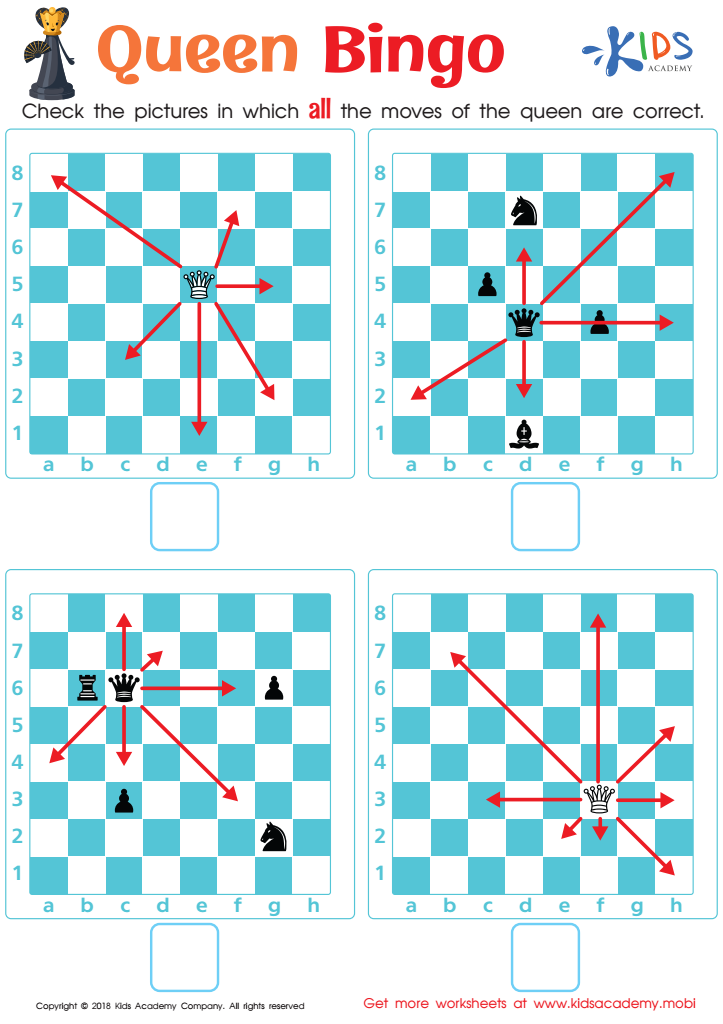
Queen Bingo Worksheet
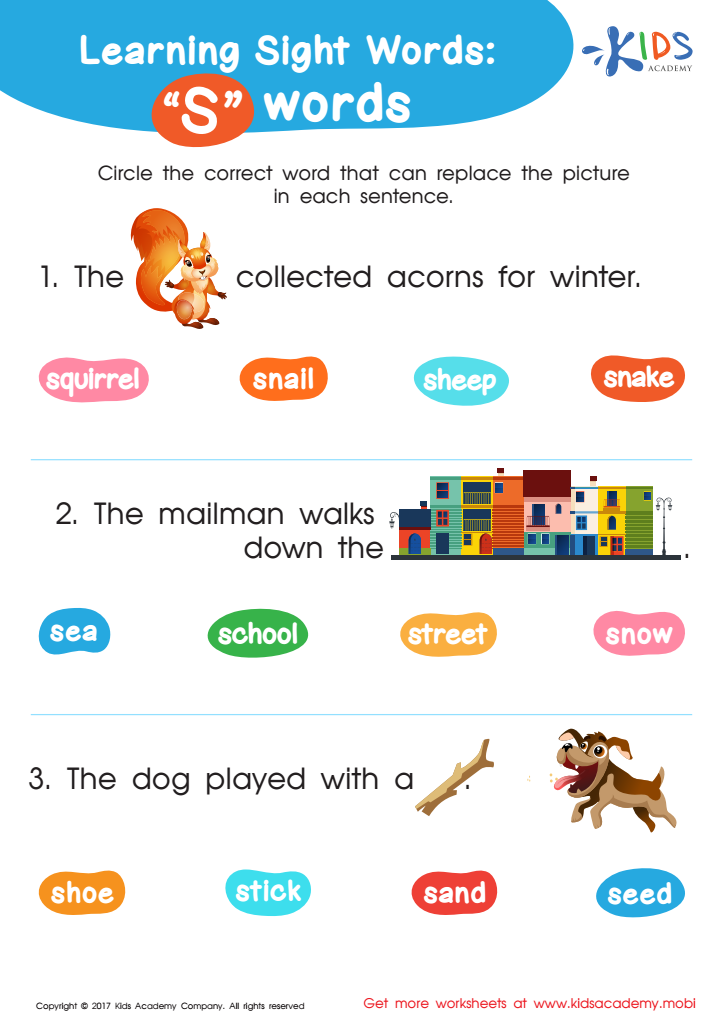
S Words Sight Words Worksheet
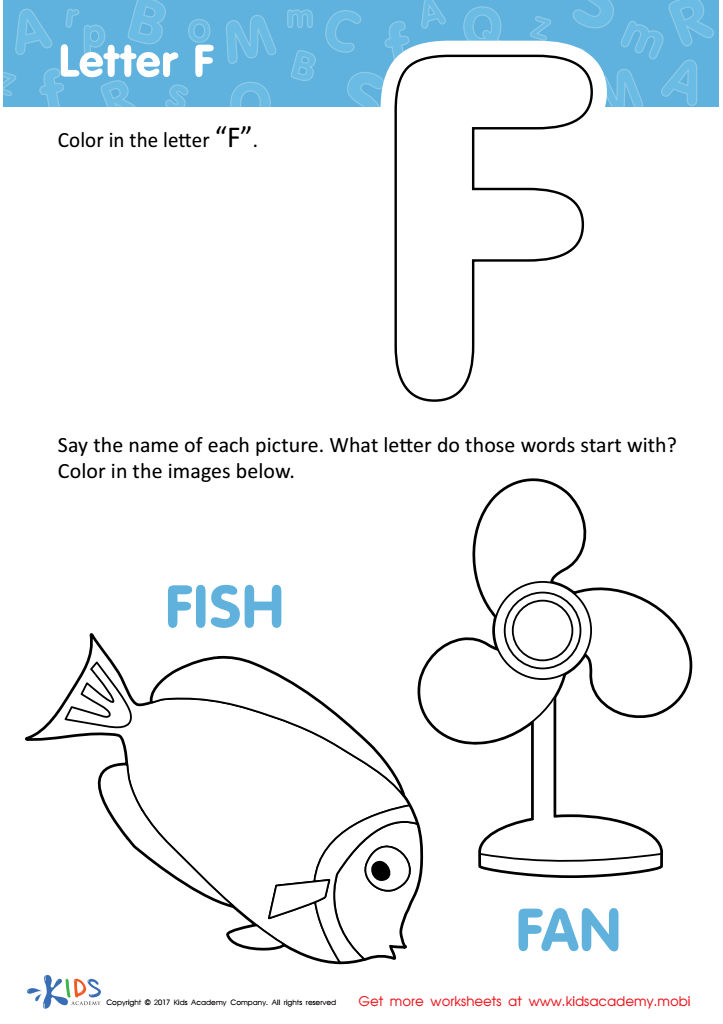
Letter F Coloring Sheet
 Assign to My Students






Letter tracing practice is crucial for children aged 7-8, as it significantly contributes to their literacy and motor skills development. At this age, students are transitioning from mastering the basics of writing to improving their handwriting and developing a greater confidence in their written communication. Engaging in letter tracing helps reinforce letter recognition, stroke order, and proper formation, which are essential for cultivating strong foundational skills in reading and writing.
Additionally, letter tracing practice supports fine motor skill development essential for tasks beyond writing, such as playing instruments or engaging in arts and crafts. Enhanced motor skills are linked to increased academic performance, making this practice beneficial for their overall learning journey.
Moreover, practicing letter tracing allows for the exploration of different writing styles and encourages creativity in writing. As children trace letters, they also develop an understanding of spacing and alignment on a page, crucial for creating organized written work.
Ultimately, the interest of parents or teachers in letter tracing practice is rooted in its multifaceted benefits, fostering not just writing proficiency, but also impacting a child's self-esteem, academic success, and lifelong skills in communication. Thus, prioritizing this practice promotes a well-rounded educational experience.








