Problem-solving practice Normal Worksheets for Ages 7-8
6 filtered results
-
From - To
Encourage your child's critical thinking and analytical skills with our Problem-Solving Practice Normal Worksheets for Ages 7-8. These engaging and thoughtfully designed worksheets are perfect for young learners, promoting creativity and logical reasoning in math and everyday situations. Each worksheet features a variety of fun problems aimed at building problem-solving strategies while keeping your child entertained. Ideal for both classroom use and home practice, our resources help children aged 7-8 tackle challenges confidently. Visit Kids Academy to access an array of worksheets that make learning enjoyable and rewarding, empowering your child to thrive in their educational journey.

Addition with Regrouping Worksheet
 Assign to My Students
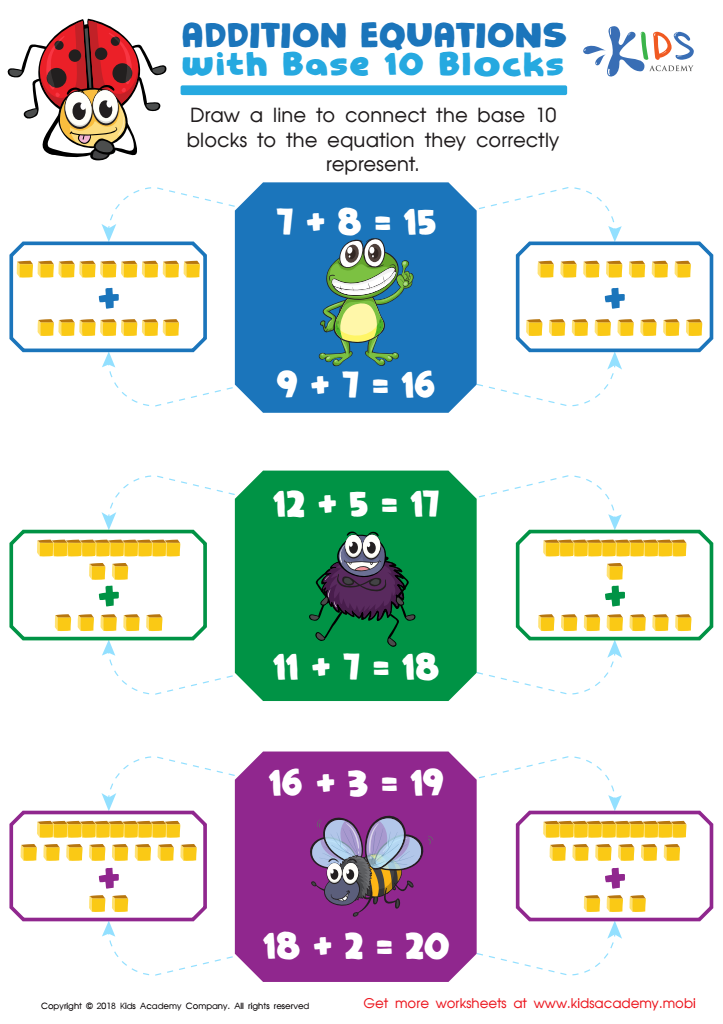
Addition Equations With Base 10 Blocks Worksheet
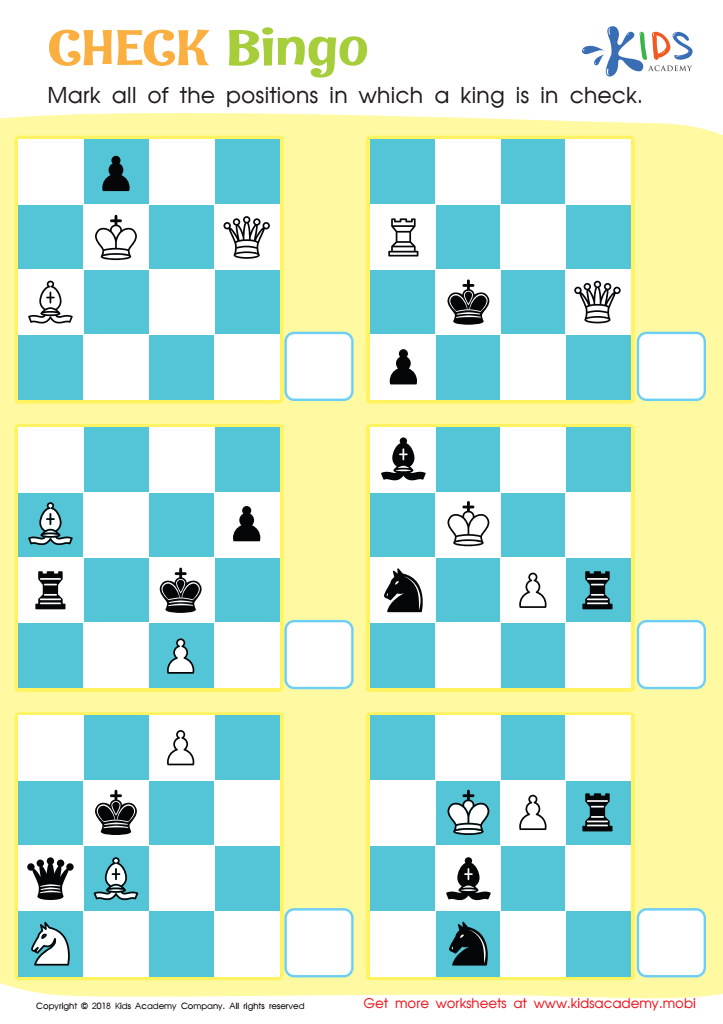
Check Bingo Worksheet
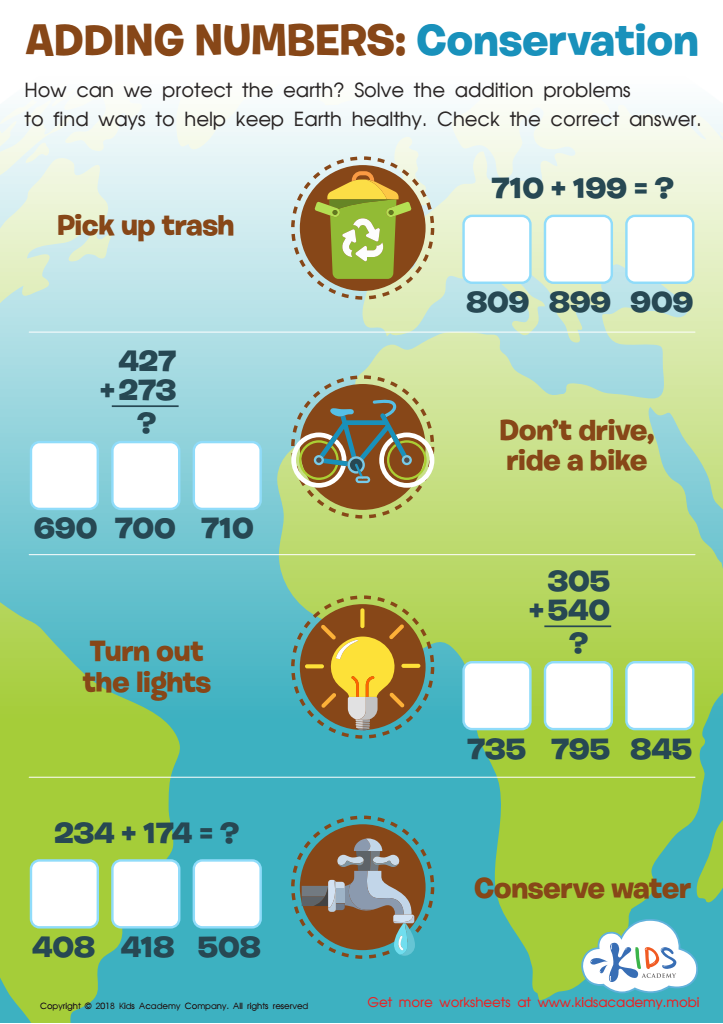
Adding Numbers: Conservation Worksheet
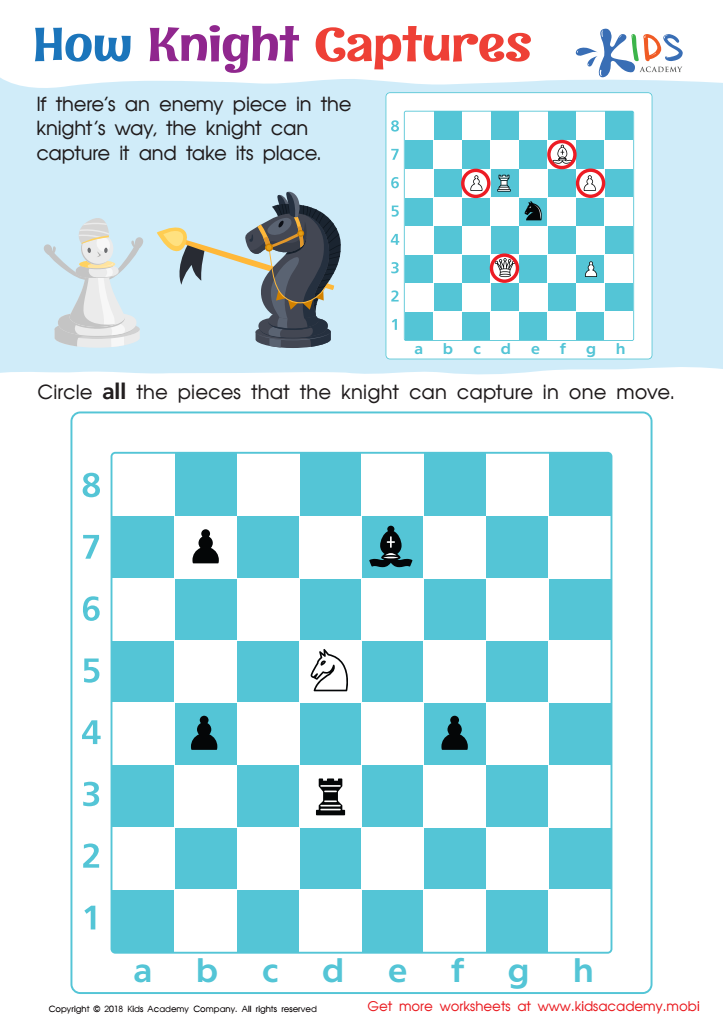
How Knight Captures Worksheet
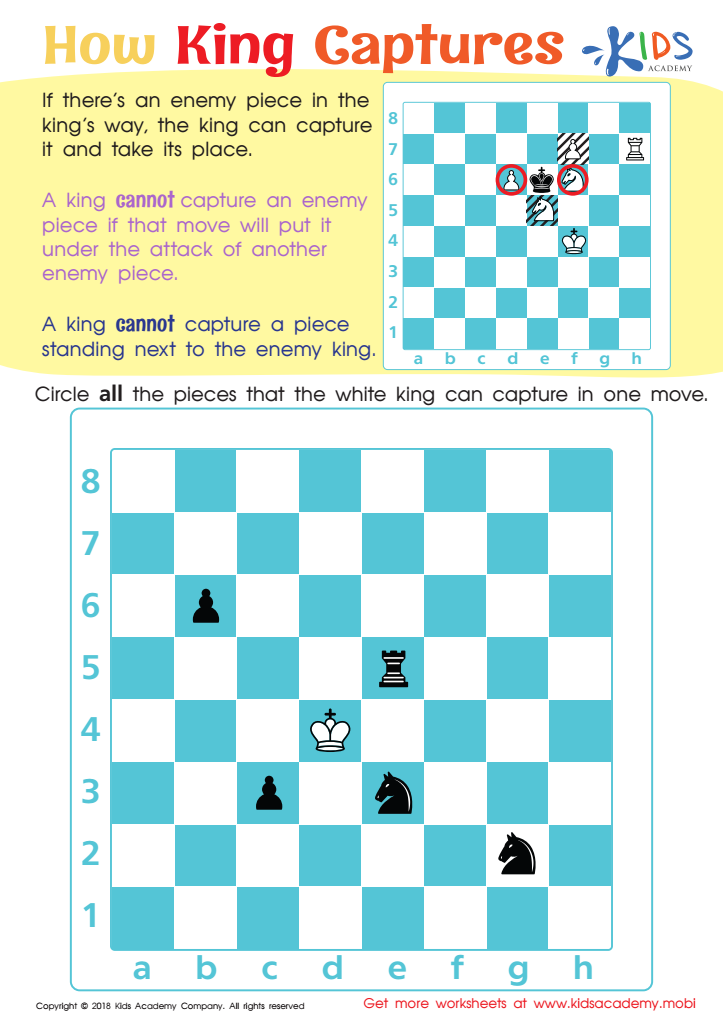
How King Captures Worksheet







Problem-solving skills are crucial for children ages 7-8, as they set the foundation for academic success and life skills. During this stage of cognitive development, children begin to think more critically and creatively, making it an ideal time to cultivate these skills. Parents and teachers should prioritize problem-solving practice because it not only enhances children's mathematical abilities but also fosters logical reasoning, persistence, and resilience—traits that are essential in navigating challenges both in school and daily life.
Moreover, engaging in problem-solving activities encourages collaboration and communication. As children work through problems together, they learn to express their thoughts, listen to others, and develop interpersonal skills. This social aspect of learning is vital for their emotional and social development.
Additionally, problem-solving practices stimulate curiosity and innovation. Children are naturally inquisitive at this age; providing them with opportunities to explore and find solutions to problems encourages a love for learning and exploration.
By integrating problem-solving exercises into daily routines, parents and teachers are equipping children with the tools necessary for future success—not just academically but in their approach to challenges they will encounter throughout life. Thus, nurturing these skills early on is tantamount to empowering a generation of resilient and innovative thinkers.








