Discover our engaging Sound Recognition Normal Worksheets designed specifically for ages 7-8! These exercises help children develop keen listening skills, crucial for reading and language development. With a variety of fun activities, kids will learn to differentiate between different sounds while boosting their phonemic awareness. Each worksheet is crafted to build confidence and enhance auditory discrimination, ensuring an enjoyable and educational experience. Perfect for both classroom and at-home learning, our worksheets offer a great way to reinforce foundational skills and promote a love for learning. Visit our site now and unlock exciting auditory adventures for your little learners!

Check out this FREE "Sound recognition" Trial Lesson for age 7-8!

Rhyming Words

Favorites
With answer key
Interactive
  • 7-8
  • Sound recognition
  • Normal
Consonant Blend Fl, Bl, and Gl Printable Worksheet

Blending Consonants: "Fl", "Bl" and "Gl" Printable
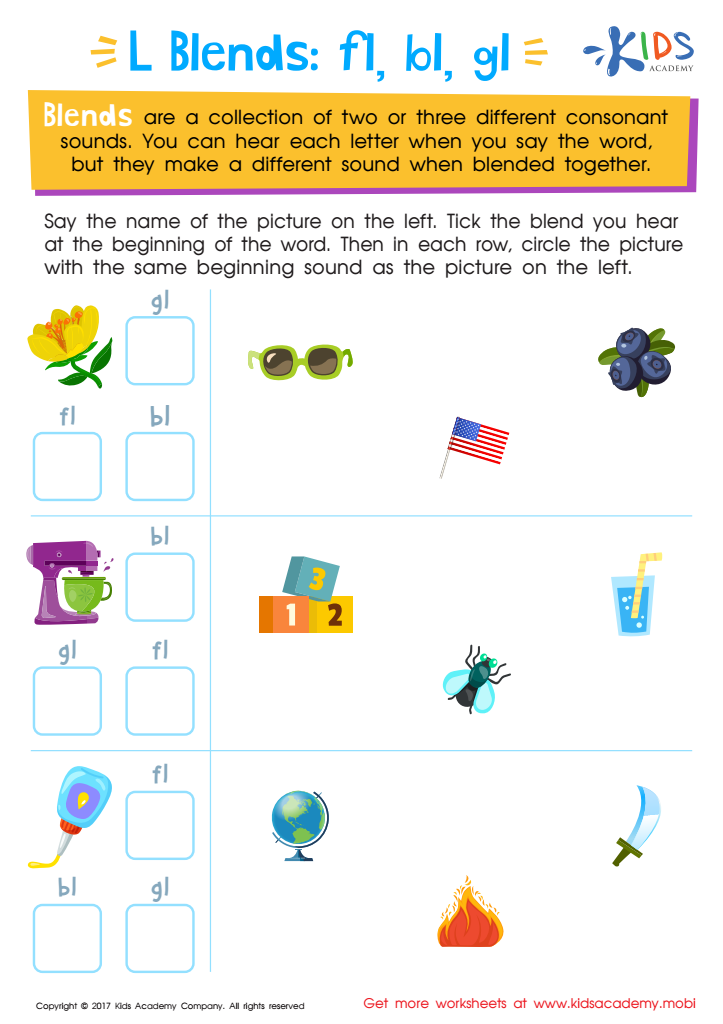
Help your child master consonant blends Fl, Bl, and Gl with this printable worksheet. Find words associated with the pictures and learn to better understand the difference between consonant blends. Vibrant images motivate and aid in learning. Download now for improved phonics success!
Blending Consonants: "Fl", "Bl" and "Gl" Printable
Worksheet
Reading: OA or OW Worksheet

Reading: OA or OW Worksheet

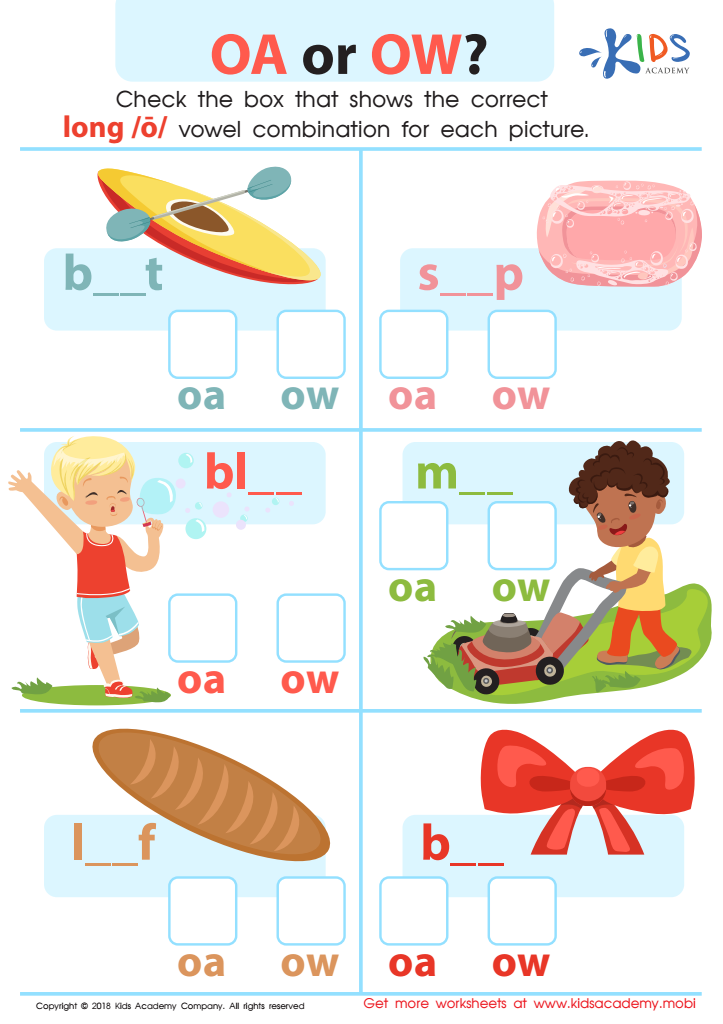
This printable worksheet helps young and emergent readers with decoding words and understanding digraphs (two letters with one sound). It requires students to complete the spelling for each word based on the picture, focusing on /oa/ and /ow/ spellings. It's ideal for a reading classroom and for spelling practice.
Reading: OA or OW Worksheet
Worksheet
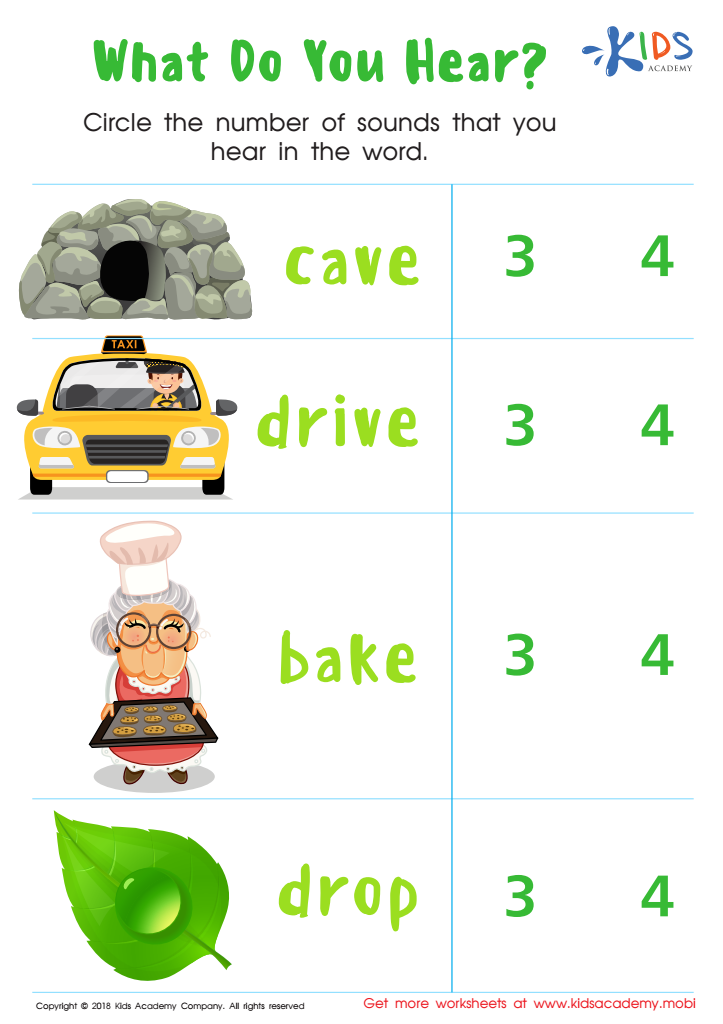
What Do You Hear? Worksheet

What Do You Hear? Worksheet

New readers can develop phonological awareness with this fun worksheet. They'll isolate sounds in words and count them, then circle the number of sounds heard. It'll help build their auditory discrimination and decoding skills, leading to more fluent reading. Without even knowing it, their reading skills are improving!
What Do You Hear? Worksheet
Worksheet
Rhyming Words Worksheet PDF

Rhyming Words Rhyming Worksheet

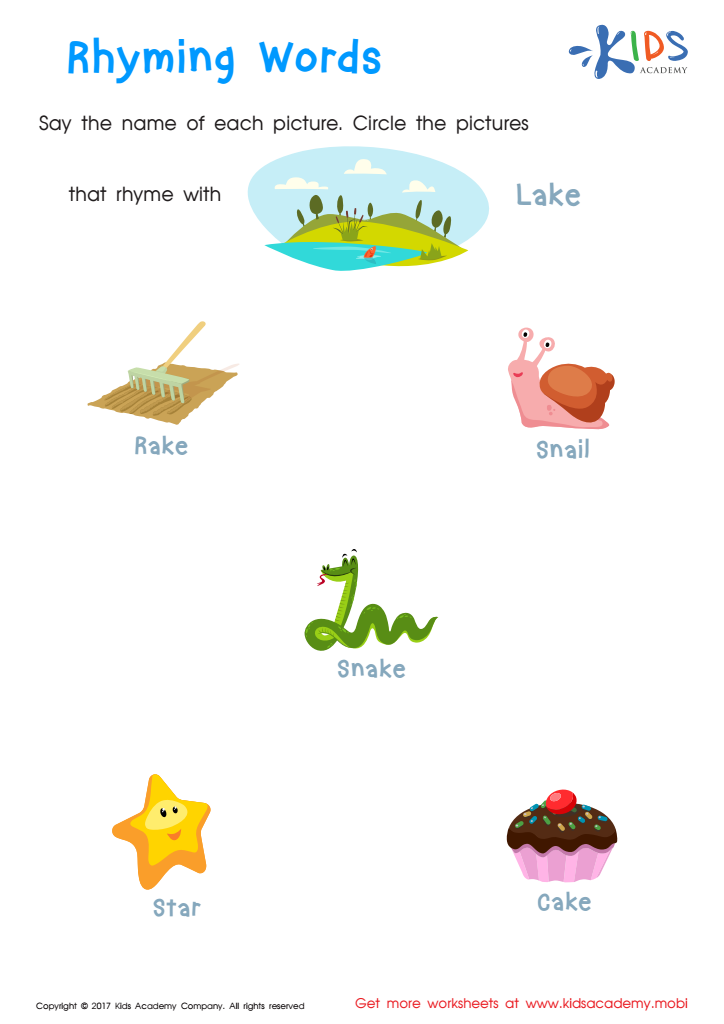
This worksheet is great for honing pre-reading skills. It helps kids make connections between pictures and written words, use problem-solving, and recognize sounds and words that rhyme. Have fun exploring rhyming words with your child, and they'll be rhyming in no time!
Rhyming Words Rhyming Worksheet
Worksheet
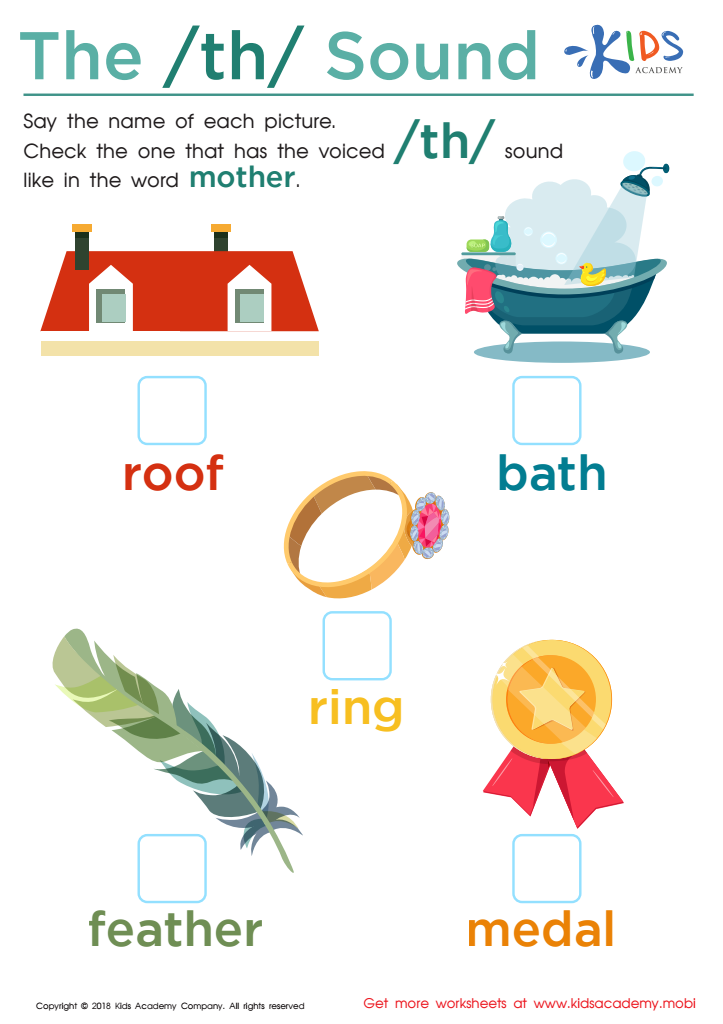
The /th/ Sound Worksheet

The /th/ Sound Worksheet

Confuse your students no more: have them use this worksheet to understand the /th/ sound and its two variants. With pictures, ask them to say the name of each one. Help them identify the voiced /th/ sound, like in 'mother', by having them say it aloud. Download the pdf to get started.
The /th/ Sound Worksheet
Worksheet
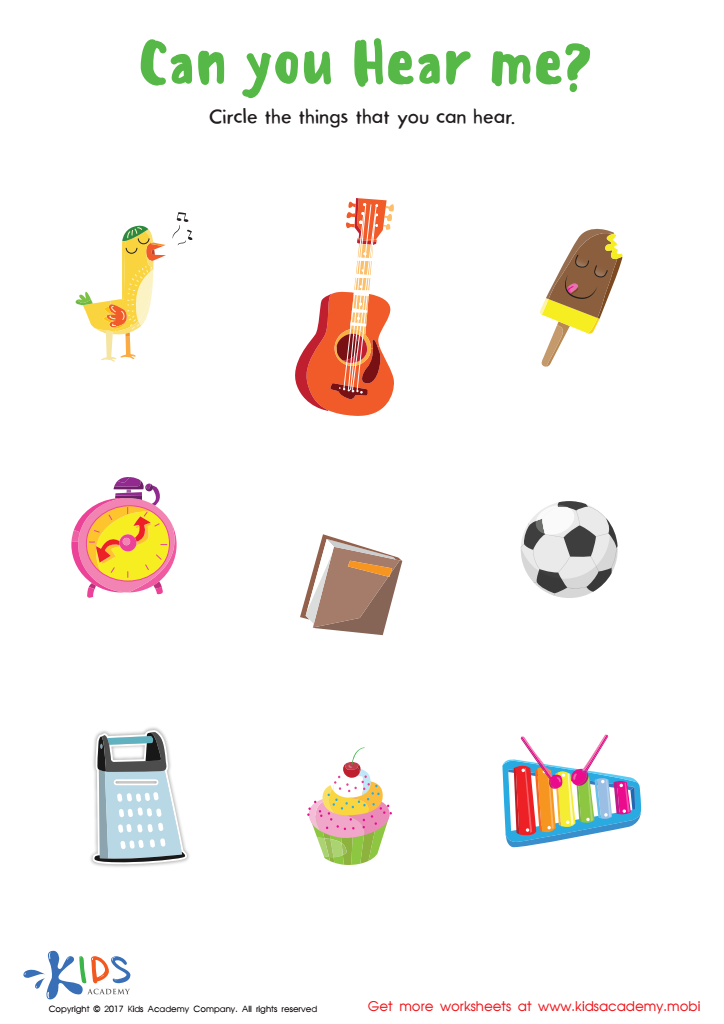
Can You Hear Me Worksheet

Can You Hear Me Worksheet

Challenge your child's thinking and help them learn by using this cute "Can You Hear Me?" worksheet. It encourages use of prior knowledge to identify objects that make sounds, developing critical thinking skills. As they imagine balls and cupcakes making sounds, your child will have plenty of laughs. Extend learning by talking about the sounds and why certain objects make them.
Can You Hear Me Worksheet
Worksheet
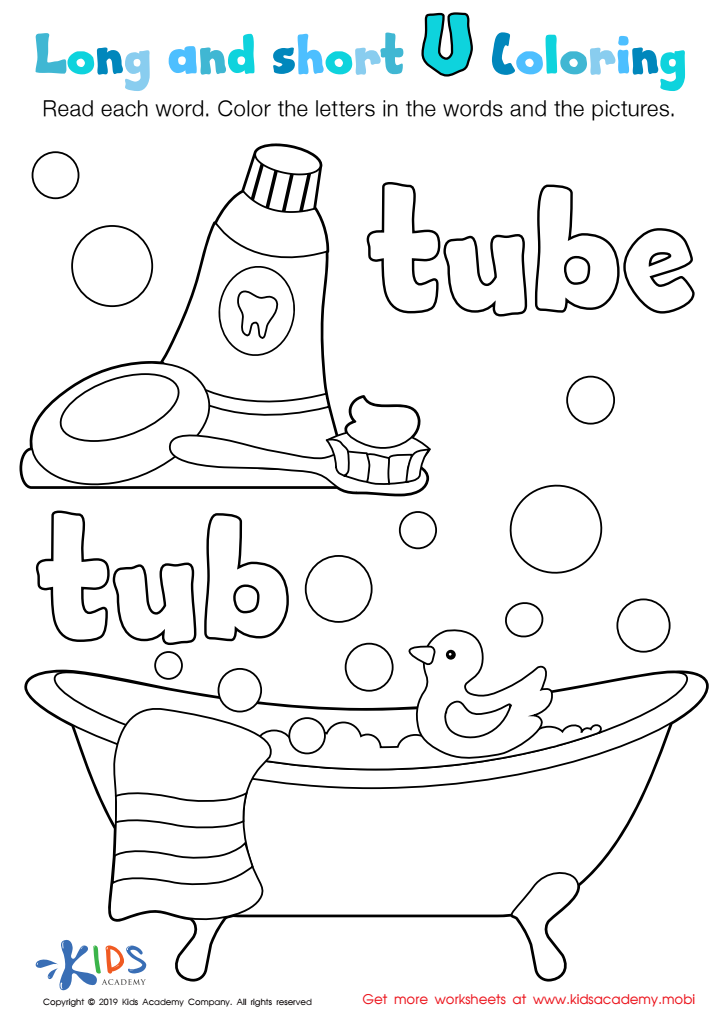
Long and Short U Worksheet

Long and Short U Worksheet

Revised: Spice up your lesson on long and short vowels with this fun printout! Kids read the words "tube" and "tub," then reinforce the sound by coloring in the words and pictures. It's a great way to make phonics class enjoyable!
Download (PDF)
Assign to My Students
Long and Short U Worksheet
Worksheet
Middle Sounds Worksheet

Middle Sounds Worksheet

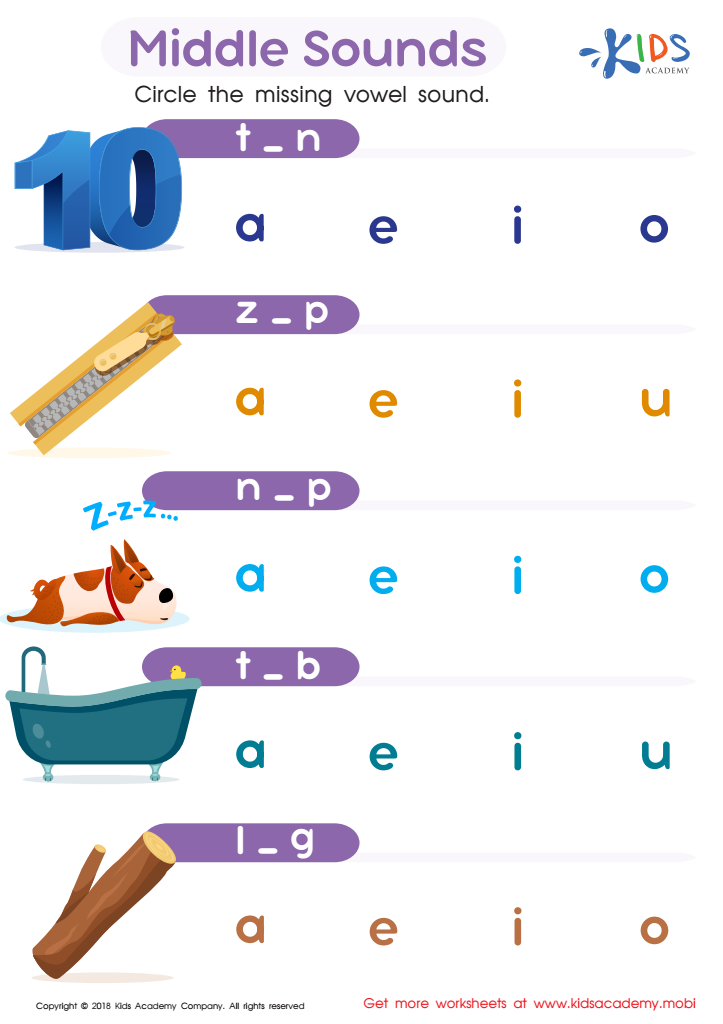
Download this free worksheet and help your reader identify middle sounds in words. Pictures provide clues to the word, while tracing circles around the middle vowel sound strengthens fine motor and visual discrimination skills. It's a great way to teach sound discrimination between similar-sounding short vowels - a key component for proficient reading.
Middle Sounds Worksheet
Worksheet
Picture Rhymes Printable

First Words: Picture Rhymes Worksheet
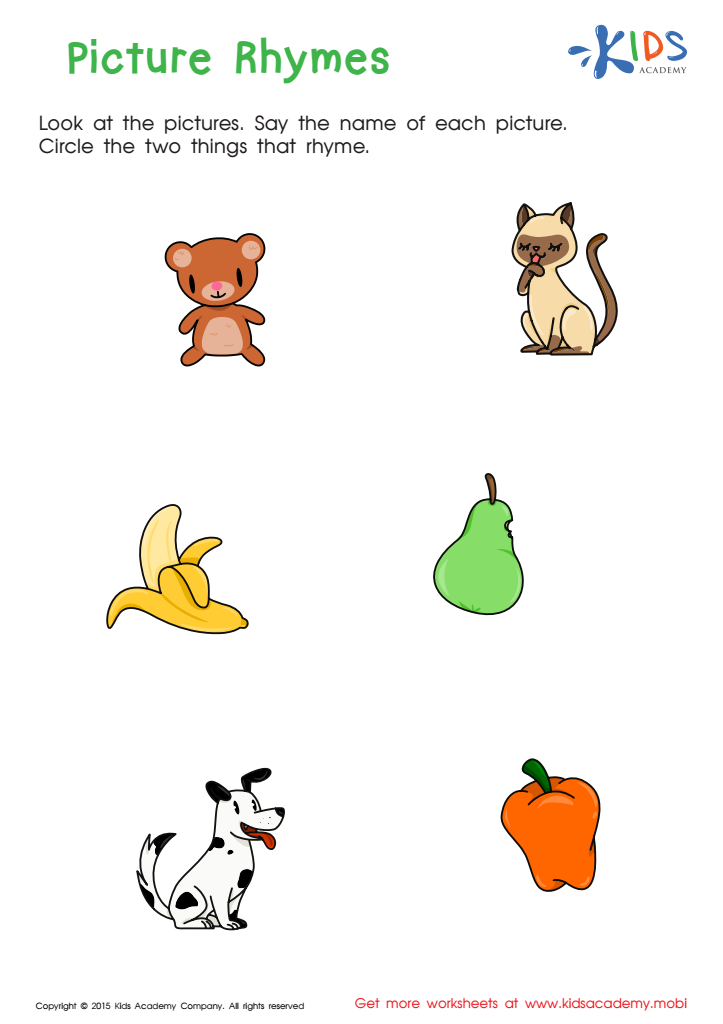
Rhyming helps kids understand language, read and write better. This printable worksheet boosts problem-solving and cognitive skills with vibrant pictures. It teaches kids to identify words, recognize rhymes, complete mental tasks and write words. An extra activity: show them how rhyming words share some of the same letters.
First Words: Picture Rhymes Worksheet
Worksheet
Reading: AW and AU Words Worksheet

Reading: AW and AU Words Worksheet

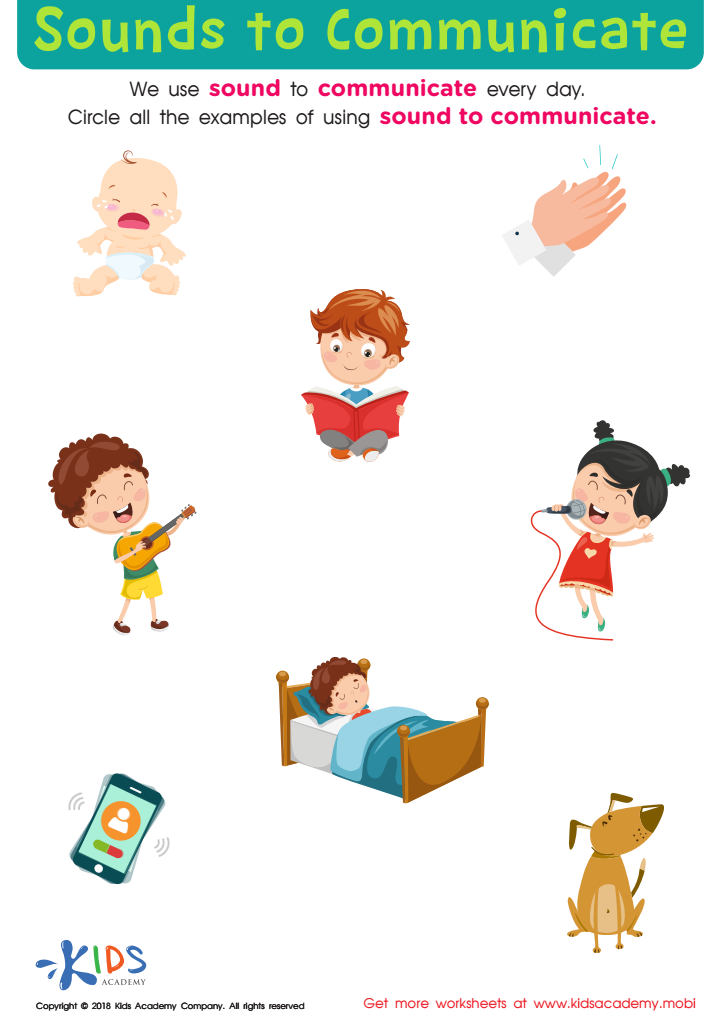
This worksheet helps kids recognize that /au/ and /aw/ can make the same sound. Students read sentences and pick the correct word with one of the digraphs. Understanding digraphs improves decoding and reading fluency. Perfect for reading and phonics classes.
Reading: AW and AU Words Worksheet
Worksheet
Sounds to Communicate Worksheet

Sounds to Communicate Worksheet

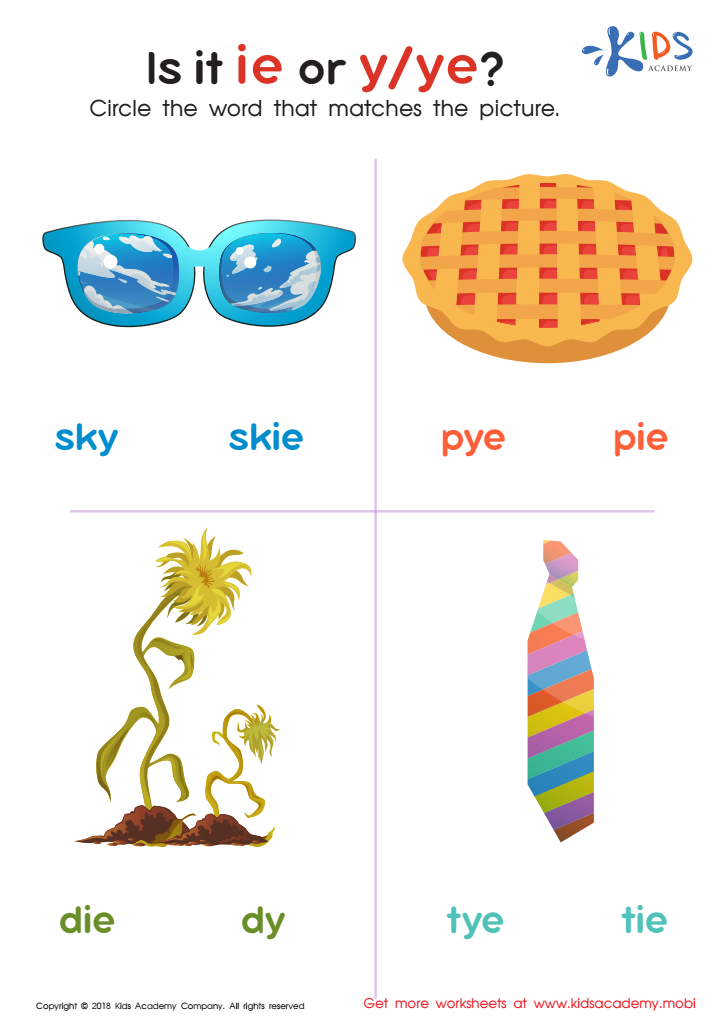
Sounds are important for communication. Ask your students to name sounds people, animals and things make. Then, review this worksheet with them and see if they can identify the activities. Ask them to circle examples of sounds used to communicate.
Sounds to Communicate Worksheet
Worksheet
Is It IE or Y/Ye? Worksheet


Is It IE or Y/Ye? Worksheet

Test your child's picture identification skills by pointing at common items in your house and asking them to name them. Then, look at the objects in this worksheet with your little one. Point at each one, ask for the name, then ask which spelling is correct. Help them circle the correct word.
Is It IE or Y/Ye? Worksheet
Worksheet


Sound recognition is a fundamental skill for children aged 7-8 because it plays a crucial role in their language development, reading proficiency, and overall academic success. At this stage, children transition from learning to read to reading to learn. Sound recognition helps them decode words, understand phonics, and develop a strong vocabulary, which are essential for reading comprehension. When children can accurately recognize and differentiate sounds, they are better equipped to grasp spelling patterns and predict the sounds of unfamiliar words.

In the classroom, strong sound recognition skills contribute to more confident and fluent reading. Students who struggle with this may find reading laborious, which can affect their motivation and attitude towards learning. Furthermore, sound recognition is linked to listening skills—another critical aspect of learning. Proficiency in identifying and understanding different sounds supports effective communication, enhances attention, and bolsters their ability to follow directions and engage in classroom discussions.

For parents, fostering sound recognition enriches children’s interactions with the world. Activities like reading aloud, playing sound-based games, and engaging in conversations enhance their auditory discrimination skills and make learning enjoyable. Prioritizing sound recognition at this developmental stage sets a solid foundation, reducing the risk of future literacy challenges and supporting broader cognitive and social development.