Understanding patterns Normal Worksheets for Ages 7-8
8 filtered results
-
From - To
Our "Understanding Patterns Normal Worksheets for Ages 7-8" are designed to enhance your child's cognitive and problem-solving skills. Tailored for young learners, these engaging worksheets help children recognize, predict, and create patterns through colorful and fun activities. These resources are perfect for reinforcing classroom learning and building a strong foundation in mathematics. With a variety of exercises, from simple repetition of shapes to more complex sequences, each worksheet is expertly crafted to make learning enjoyable. Empower your child with the skills needed to excel in math with our easy-to-use and visually appealing worksheets.
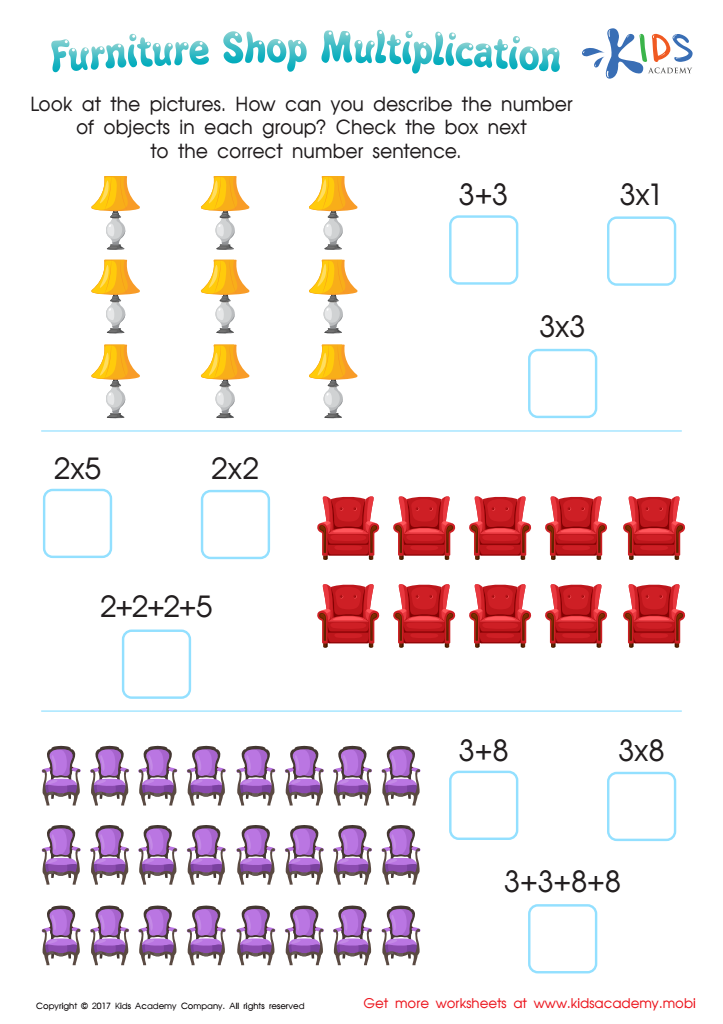
Furniture Shop Worksheet
 Assign to My Students
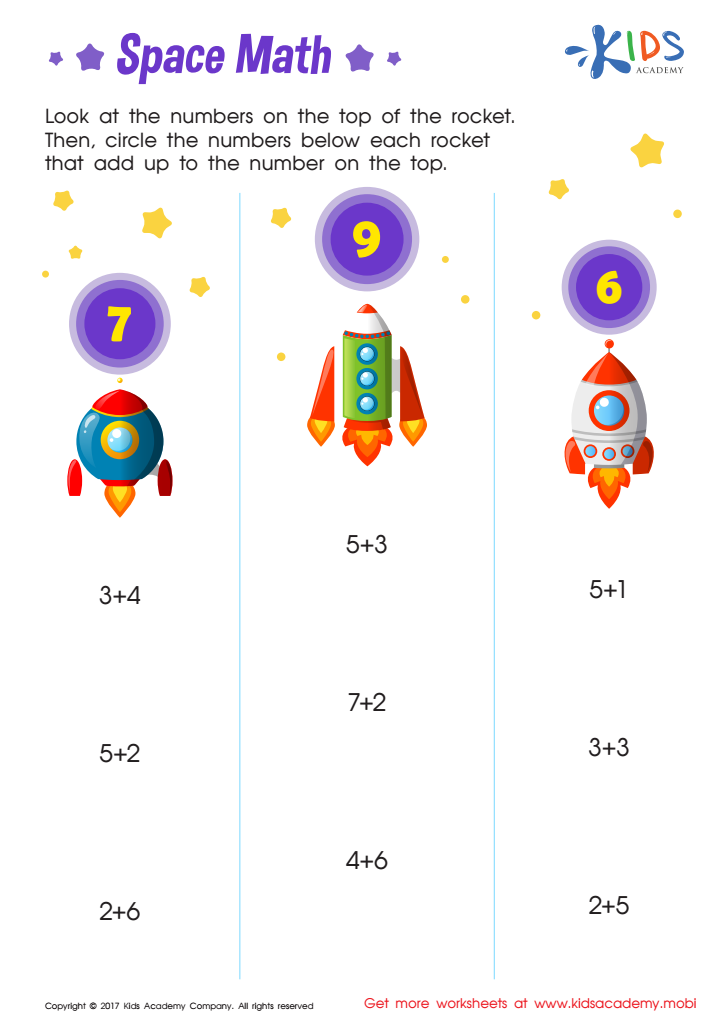
Addition: Space Math Worksheet
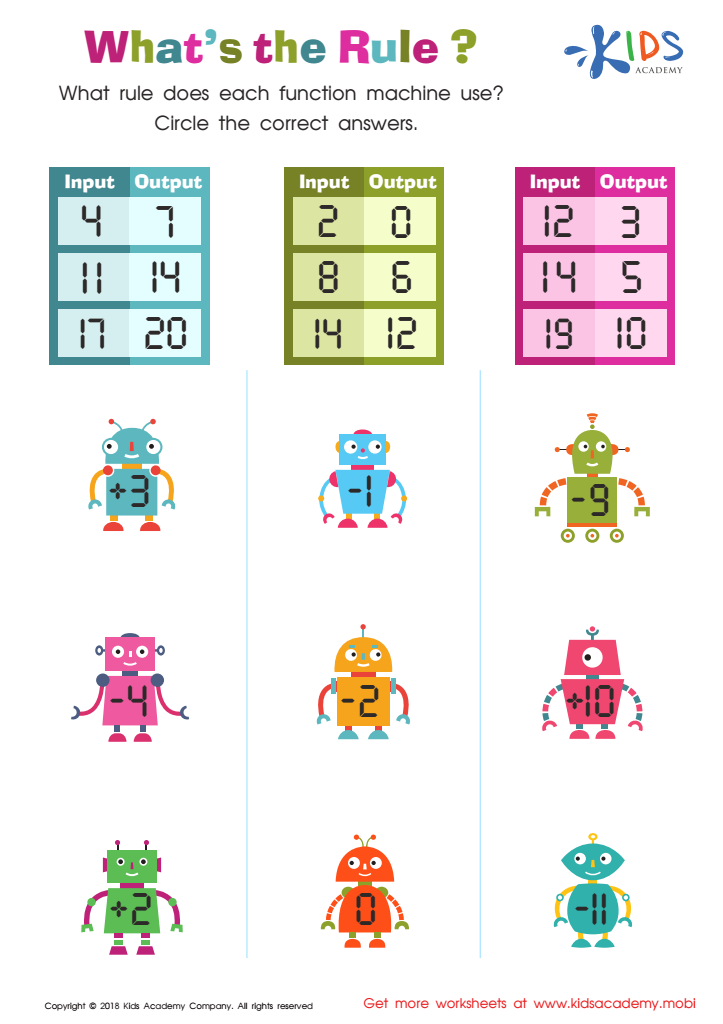
What's the Rule Worksheet
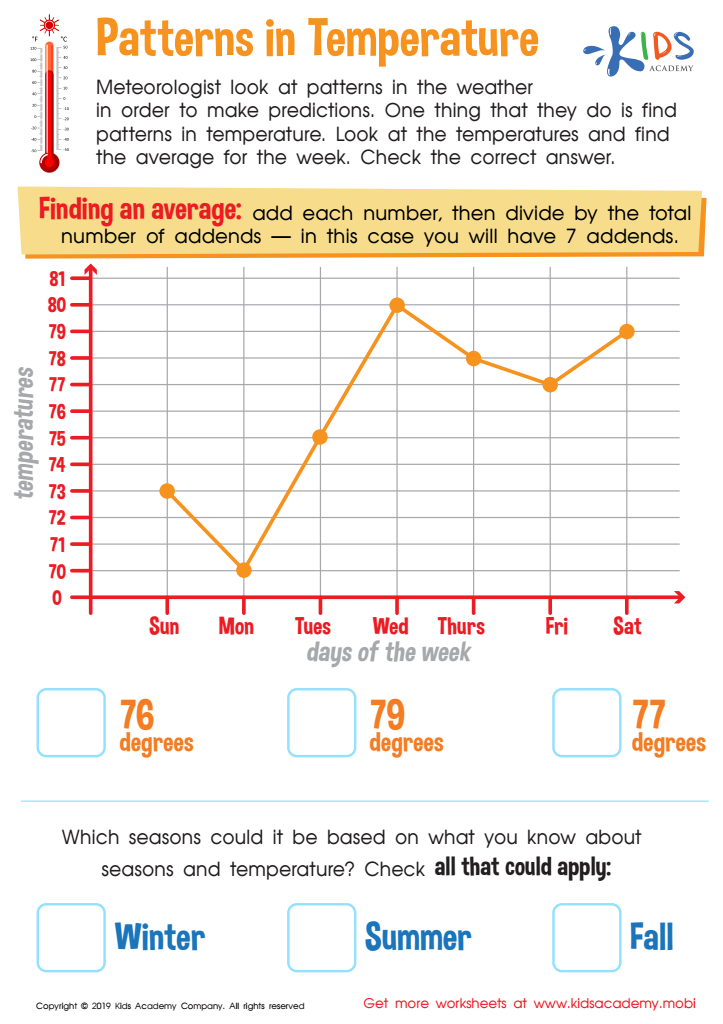
Patterns in Temperature Worksheet
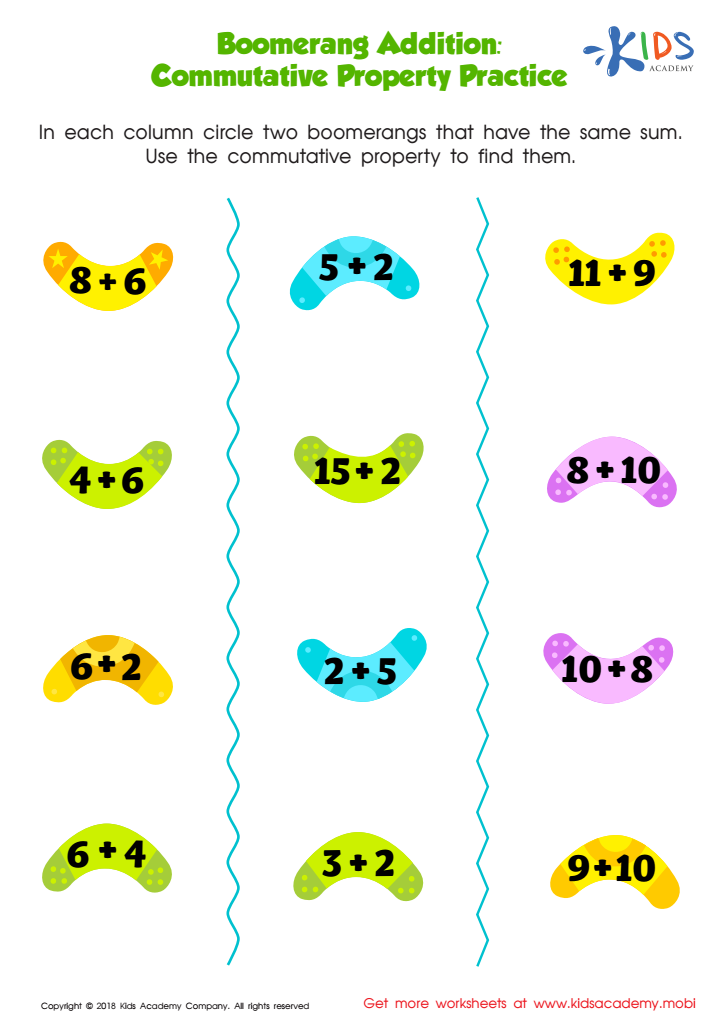
Boomerang Addition Worksheet
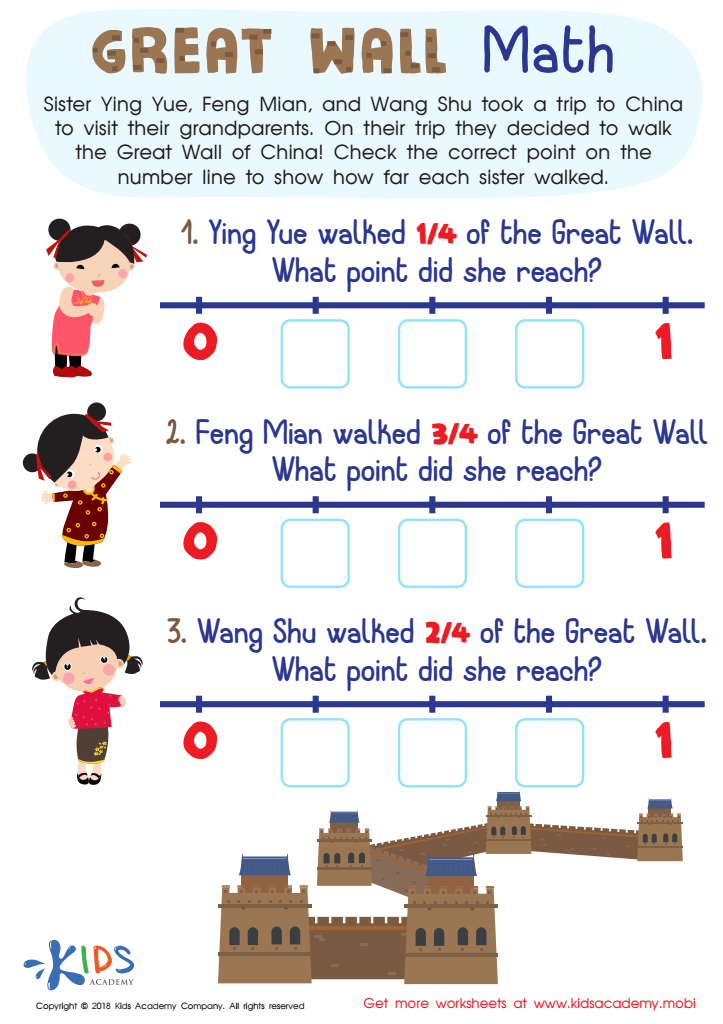
Great Wall Math Worksheet
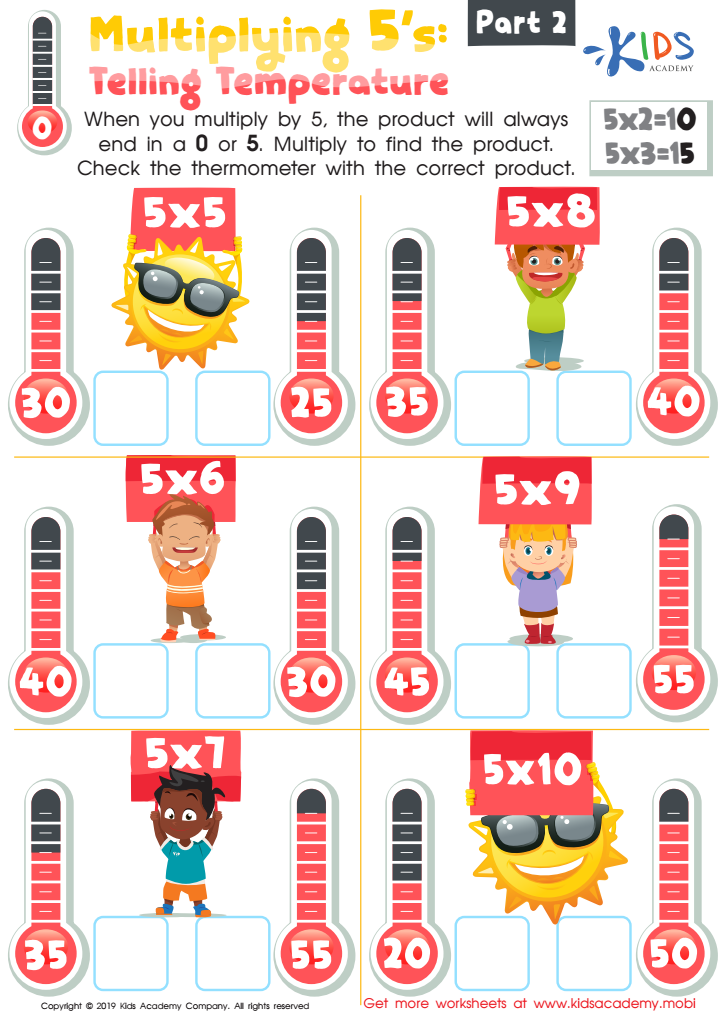
Multiplying 5’s: Telling Temperature Part 2 Worksheet
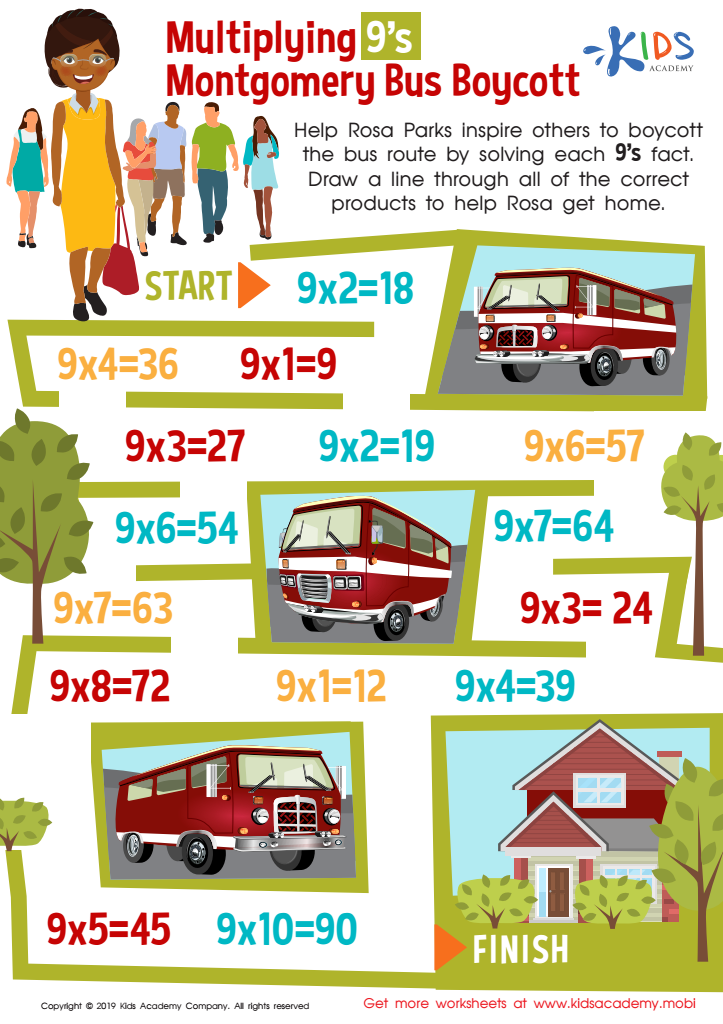
Multiplying 9’s Montgomery Bus Boycott Worksheet







Understanding patterns is crucial for children aged 7-8 because it lays the foundation for various essential cognitive and problem-solving skills. At this developmental stage, children are beginning to recognize sequences, make predictions, and identify regularities, which are important for learning in all subject areas, including math, science, and language arts.
When children grasp patterns, they develop critical thinking skills like categorization and logical reasoning. For instance, recognizing numerical patterns can promote early math skills such as addition, subtraction, and multiplication. In literature, understanding patterns in storylines enhances reading comprehension and memory retention.
Furthermore, identifying patterns helps in understanding the world around them, promoting a sense of order and predictability. It fosters curiosity and encourages exploration, which are crucial for continuous learning and intellectual development.
Additionally, mastering patterns supports future learning in more complex subjects, including coding and musical rhythms, and helps in social contexts, like understanding social cues and routines.
Overall, when parents and teachers focus on teaching patterns, they are not merely helping children solve immediate problems; they are building a robust cognitive framework that supports lifelong learning and adaptability. This early mastery gives children the confidence and skills to tackle more complex concepts as they mature.








