Understanding symmetry Normal Worksheets for Ages 7-8
3 filtered results
-
From - To
Welcome to our "Understanding Symmetry Normal Worksheets" page for ages 7-8! Here, young learners can explore the fascinating world of symmetry through fun and engaging activities. Our carefully crafted worksheets help children identify symmetrical shapes, complete patterns, and develop essential math skills in an interactive way. Each worksheet is designed to enhance creativity and critical thinking, making learning an enjoyable experience. Ideal for classroom use or at-home practice, these resources encourage children to recognize symmetry in everyday life. Start your child's journey into mathematics with our exciting worksheets and watch them grow their confidence and skills in this essential concept!
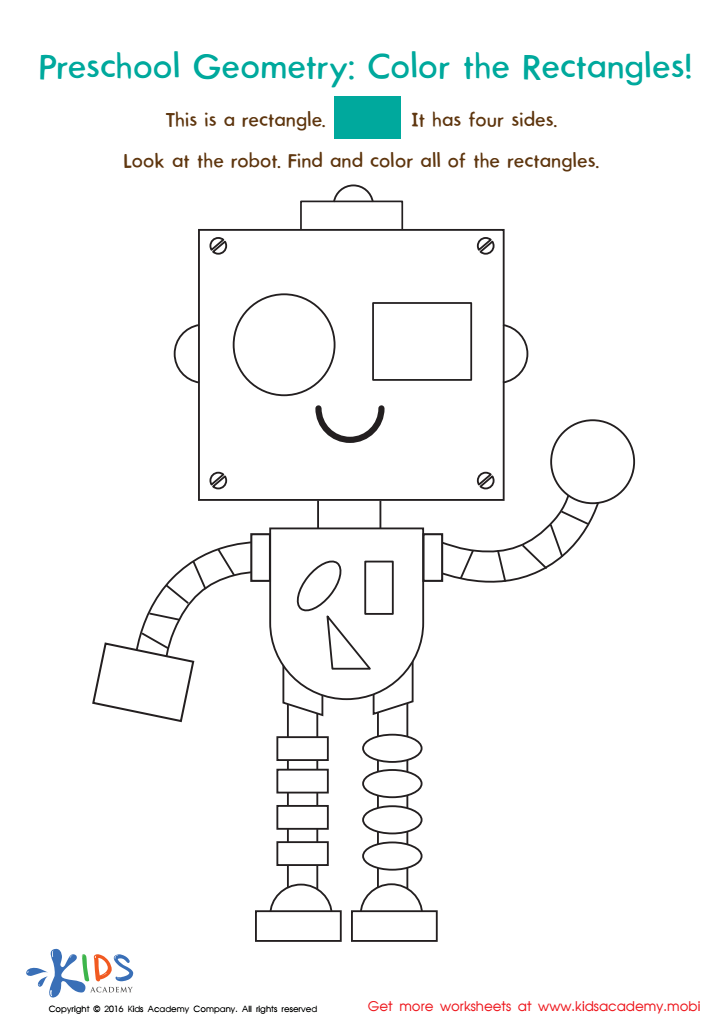
Geometry Worksheet
 Assign to My Students
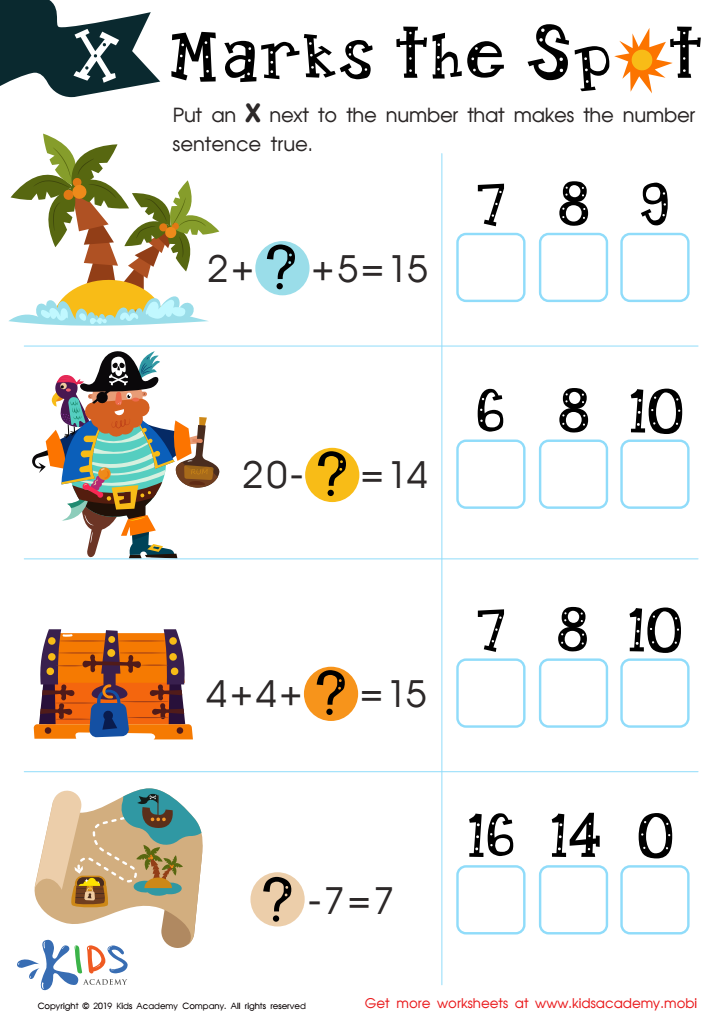
X Marks the Spot Worksheet
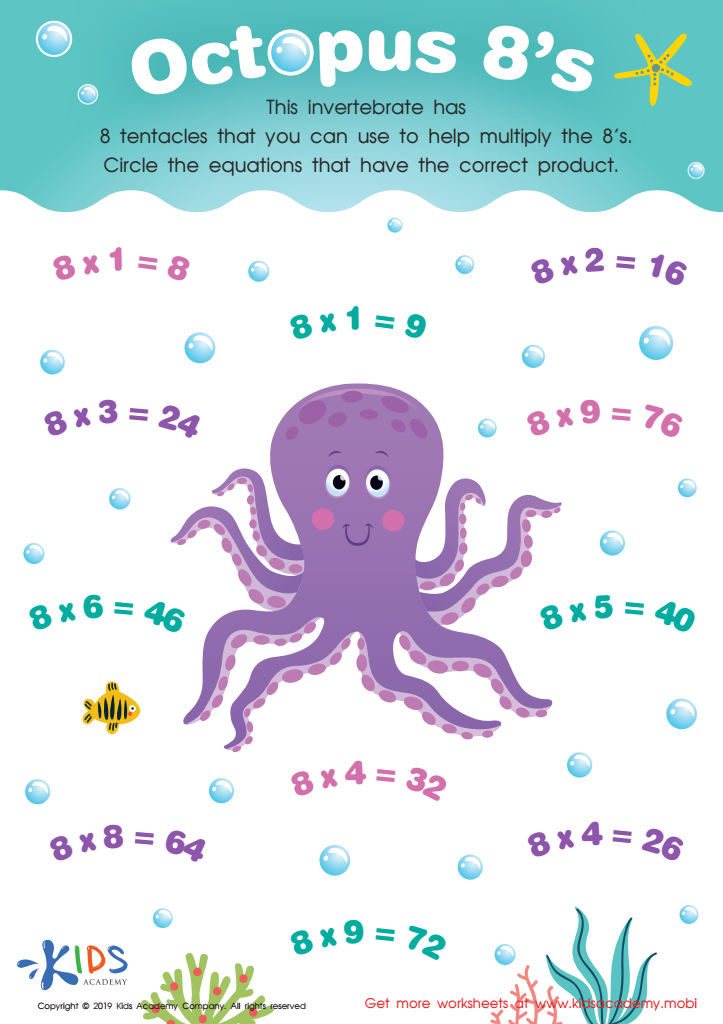
Octopus 8’s Worksheet




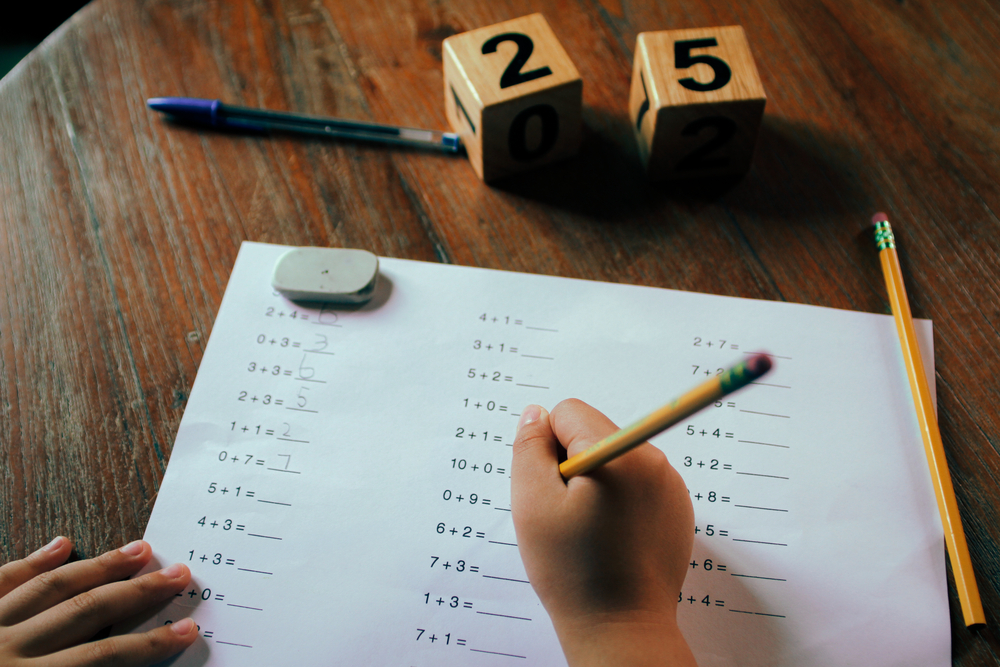


Understanding symmetry is vital for children aged 7-8, as it forms a foundational concept in mathematics and inspires critical thinking. Symmetry introduces students to fundamental geometric principles, allowing them to recognize patterns in shapes and objects. By exploring symmetry, children develop spatial awareness and visual discrimination skills, which are essential not only in math but also in science, art, and everyday problem-solving.
Additionally, engaging with symmetry helps foster creativity and an appreciation for aesthetics. Activities involving mirror images or symmetrical patterns enhance students' ability to think abstractly and analytically. This engagement promotes collaboration and communication when children work together on symmetry-related projects, such as creating symmetrical art or identifying symmetries in nature.
Moreover, symmetry has practical applications in various fields, such as architecture and design, making it relevant in real-world contexts. When parents and teachers emphasize the importance of understanding symmetry, they nurture students' curiosity and encourage them to explore the world around them with a mathematical mindset.
Ultimately, grasping symmetry at this age not only lays the groundwork for future mathematical learning but also develops essential life skills, critical thinking, and an ongoing enthusiasm for learning.








