Word identification Normal Worksheets for Ages 7-8
6 filtered results
-
From - To
Welcome to our "Word Identification Normal Worksheets" specifically designed for children ages 7-8! These engaging, printable worksheets help young learners develop essential reading skills through fun activities that promote word recognition and vocabulary enhancement. With a variety of exercises, including matching words to images, fill-in-the-blanks, and word searches, students can practice identifying new words in a playful, interactive way. Our resources cater to different learning styles and support a solid foundation in literacy, making them ideal for both classroom and home settings. Enhance your child's learning experience with our comprehensive word identification worksheets, tailored to boost confidence and reading proficiency!
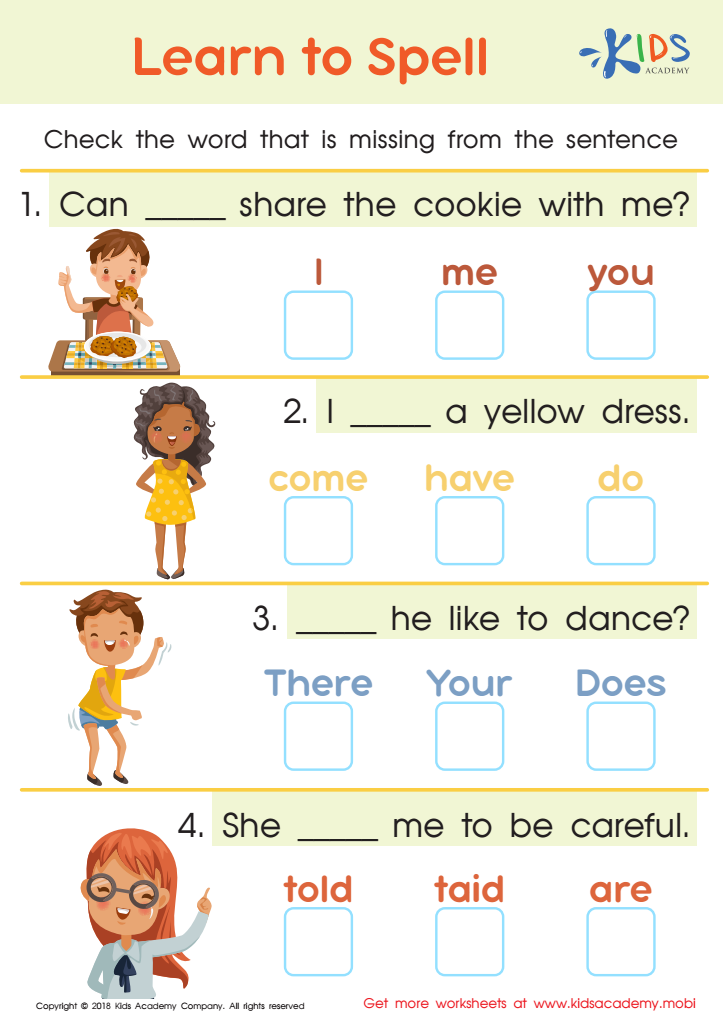
Learn to Spell Worksheet
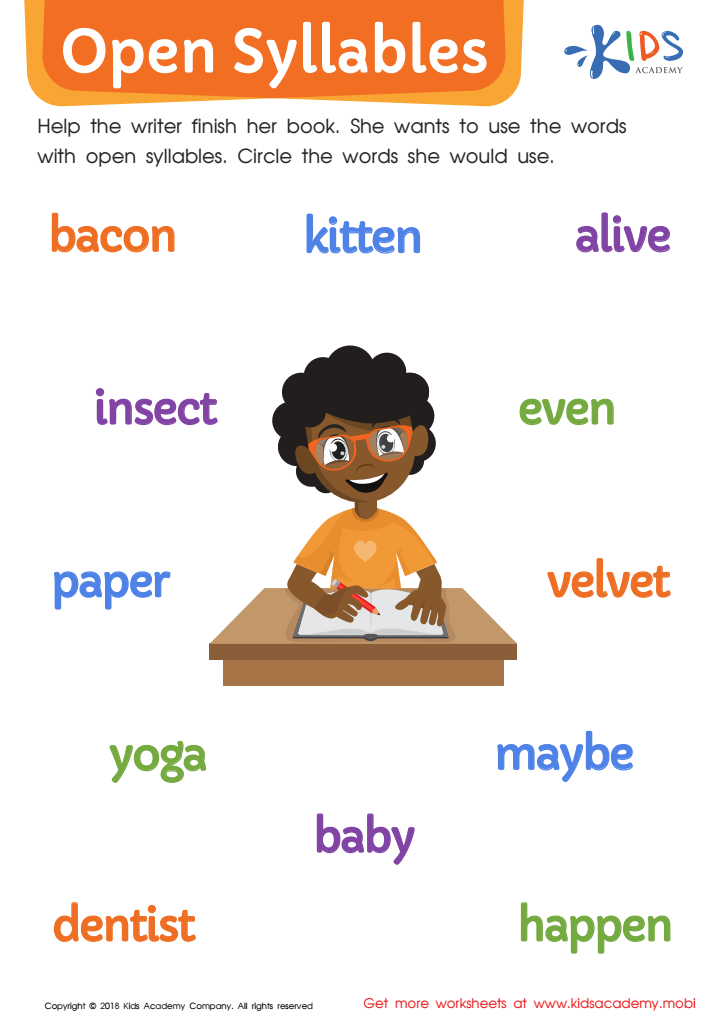
Open Syllables Worksheet
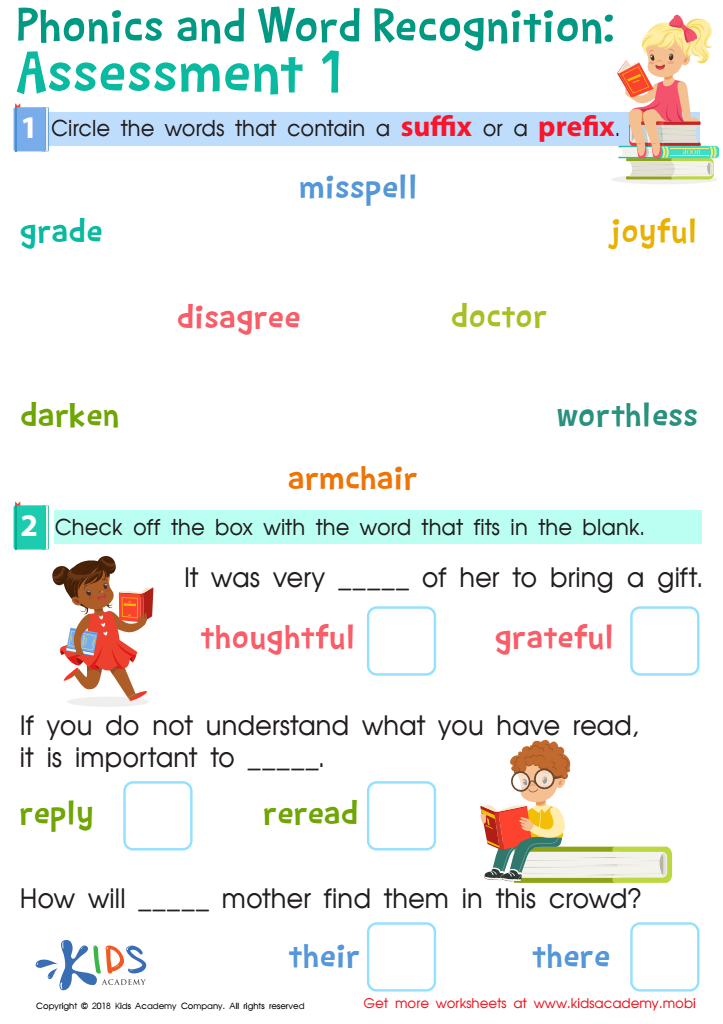
Phonics and Word Recognition: Assessment 1 Worksheet
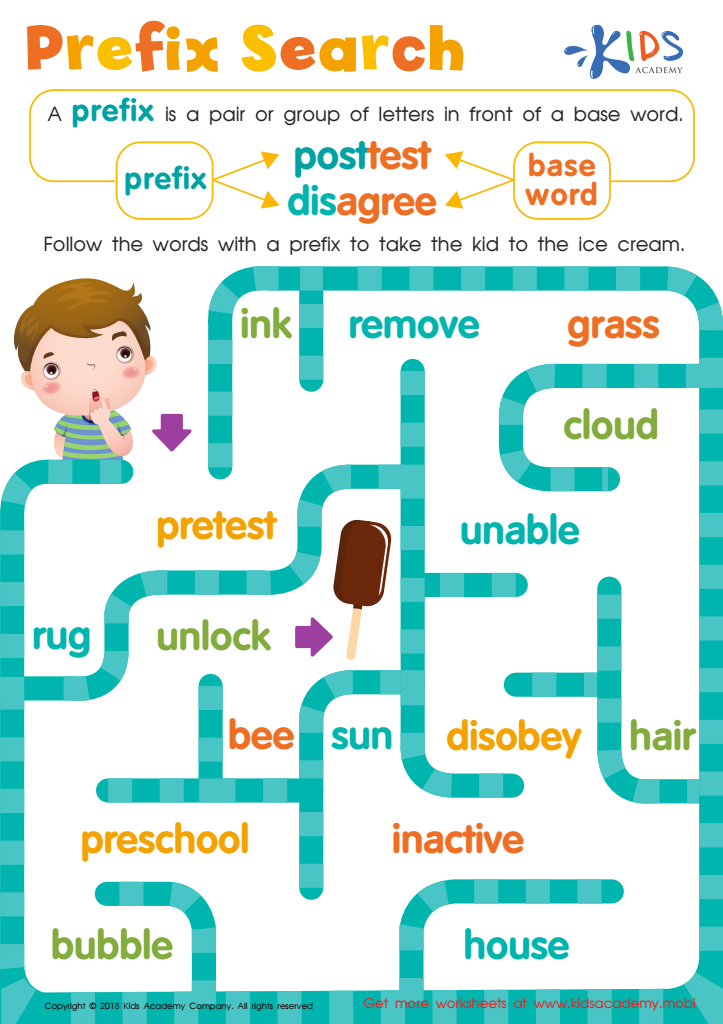
Reading: Prefix Search Worksheet
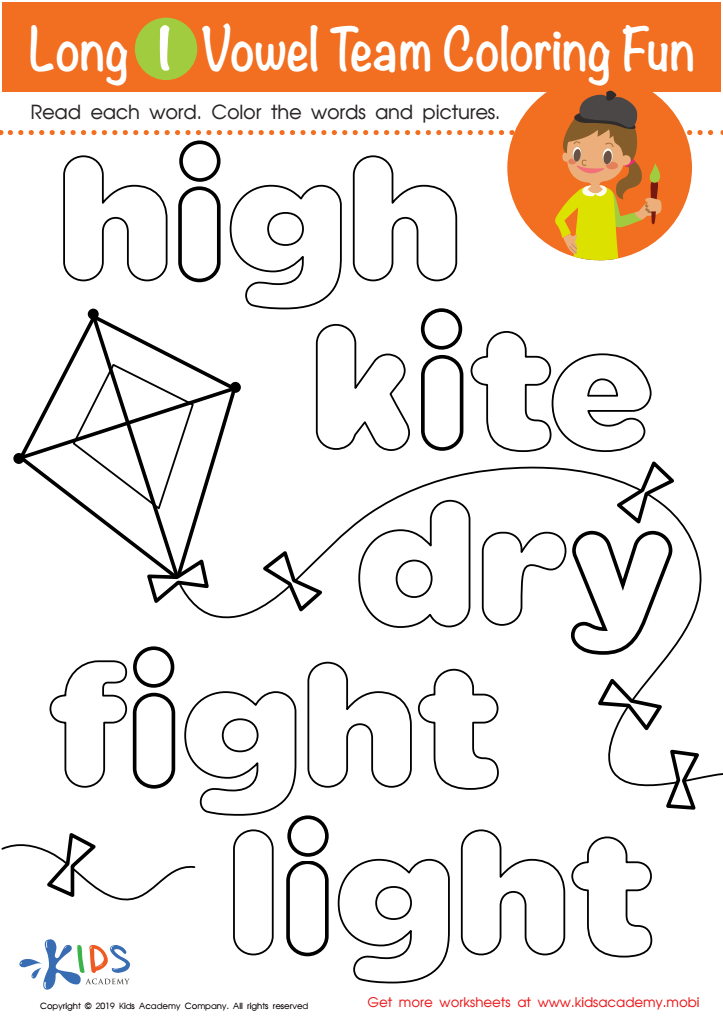
Long I Vowel Team Coloring Worksheet
 Assign to My Students
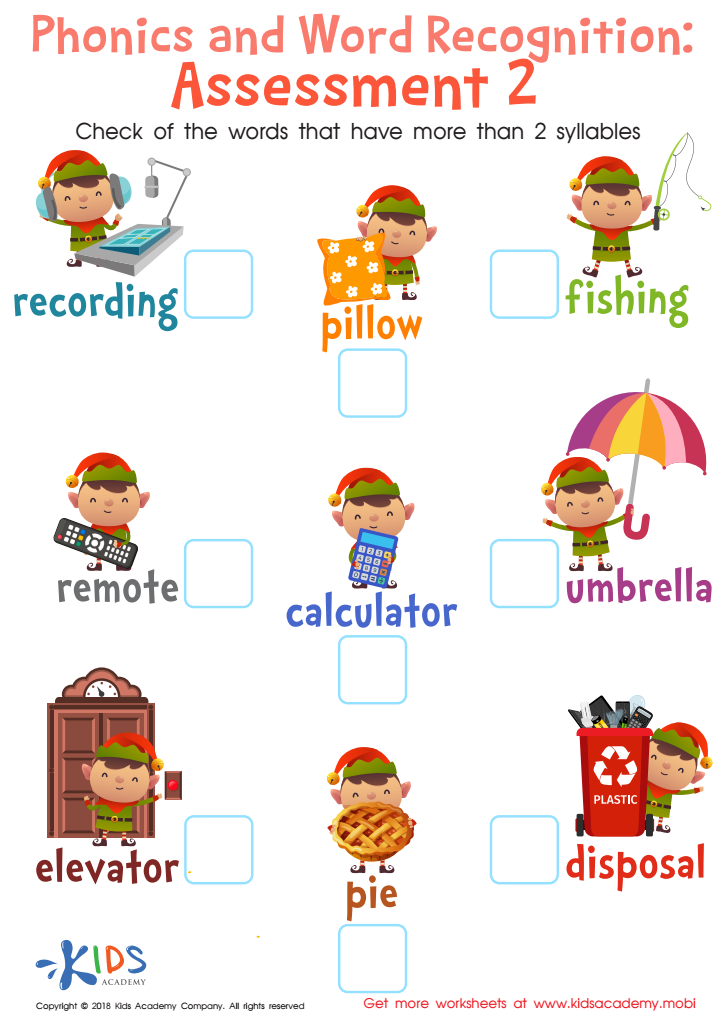
Phonics and Word Recognition: Assessment 2 Worksheet






Word identification is a critical skill for children aged 7 to 8, as it forms the foundation for reading fluency, comprehension, and overall academic success. At this age, children are transitioning from learning to read to reading to learn. Effective word identification enables them to recognize words quickly and automatically, which frees up cognitive resources for understanding the meaning behind the text.
For parents and teachers, fostering strong word identification skills can significantly impact a child's confidence and motivation in reading. When children can identify words without struggle, they are more likely to engage with books, leading to increased exposure to vocabulary and diverse ideas. Additionally, proficient word identification can help prevent frustration and disengagement, which can impede learning in other subject areas.
Moreover, solid word identification skills align with early literacy frameworks and national reading standards, making it essential for long-term educational outcomes. By focusing on these skills, parents and teachers can empower their children to be more effective communicators and learners, enhancing their educational journey and a lifelong love for reading. Investing time in helping children develop this vital ability pays dividends in their academic and personal development.








