
Number Recognition Normal Addition Facts Worksheets for Ages 7-8
3 filtered results
Difficulty Level
Grade
Age
-
From - To
Subject
Activity
Standards
Enhance your child's math skills with our "Number Recognition Normal Addition Facts Worksheets for Ages 7-8". Designed to solidify their understanding of numbers and basic addition, these worksheets offer engaging exercises that make learning fun and effective. Your child will practice recognizing numbers while mastering essential addition facts, building a strong foundation for future math success. These printable resources are perfect for home or classroom use, allowing for consistent practice. Unlock your child's potential in math by incorporating our expertly crafted worksheets into their learning routine. Encourage confidence and competence in number recognition and addition today!
Favorites
With answer key
Interactive
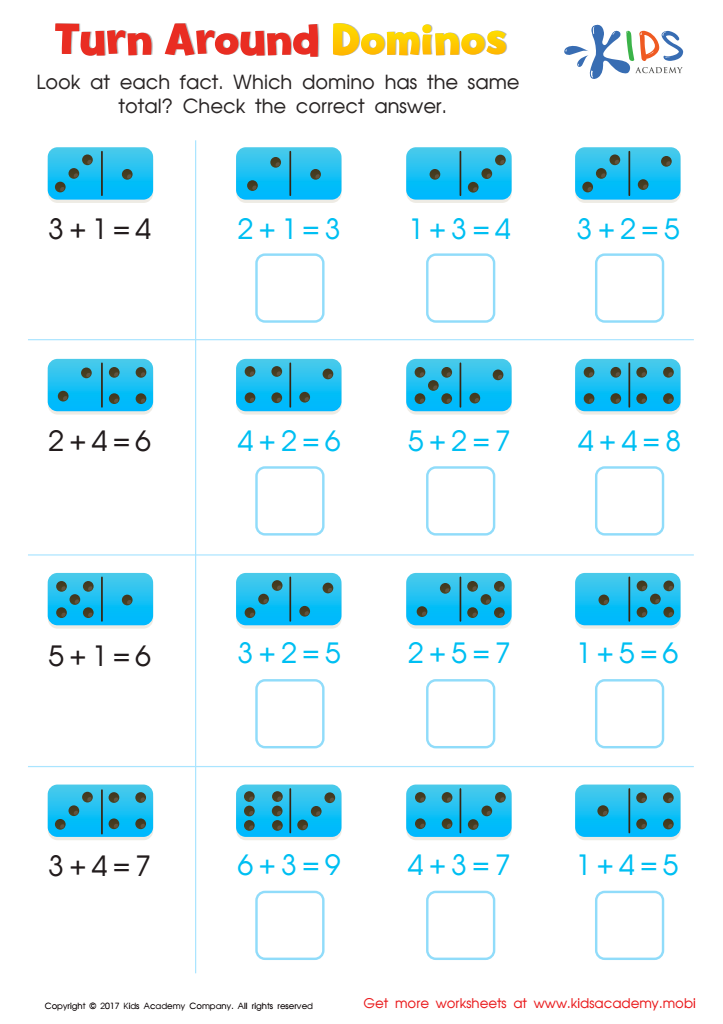
Turn Around Dominos Worksheet
Encourage your child to flex their mental muscles with this math worksheet. Look through the left side's dominos and their values and then check the three boxes on the right. Ask your child if any of the right box's dominos are similar. This requires focus and careful observation.
 Assign to My Students
Turn Around Dominos Worksheet
Worksheet
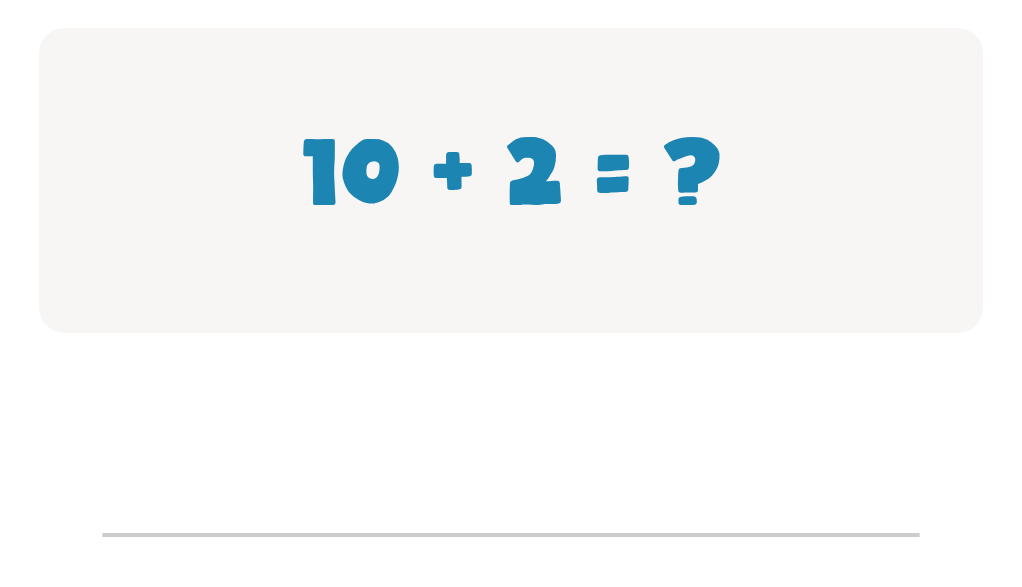

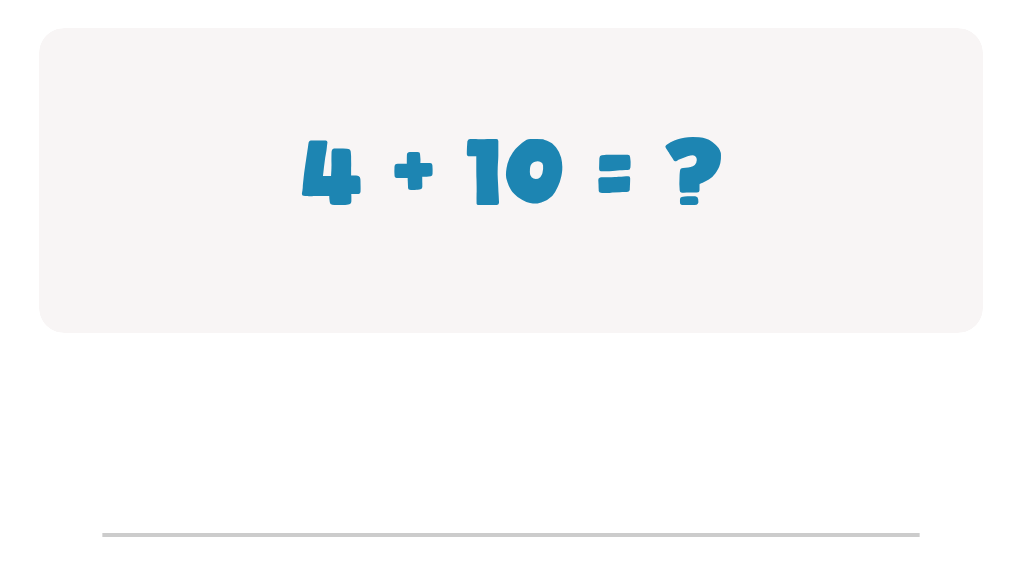
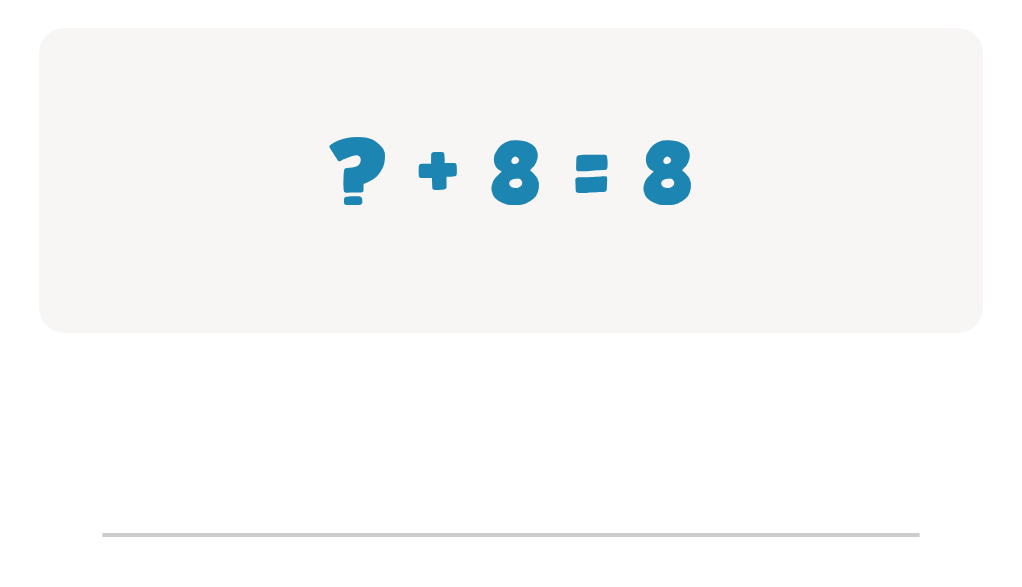

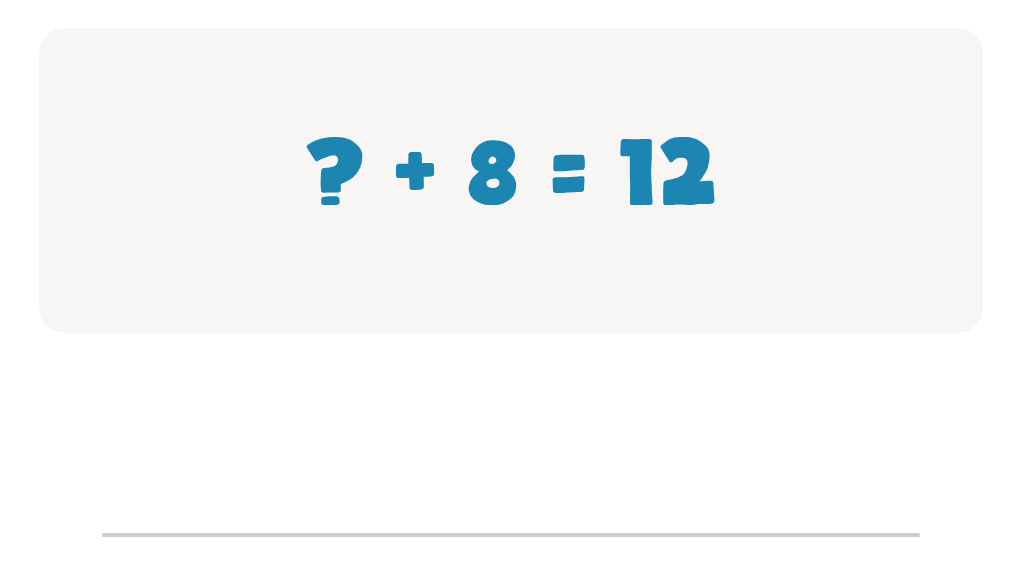
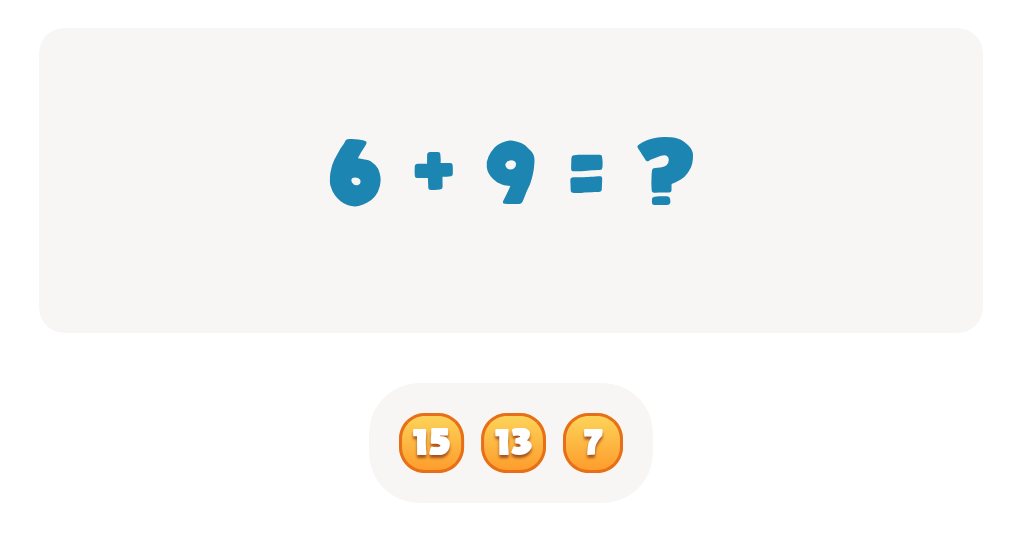
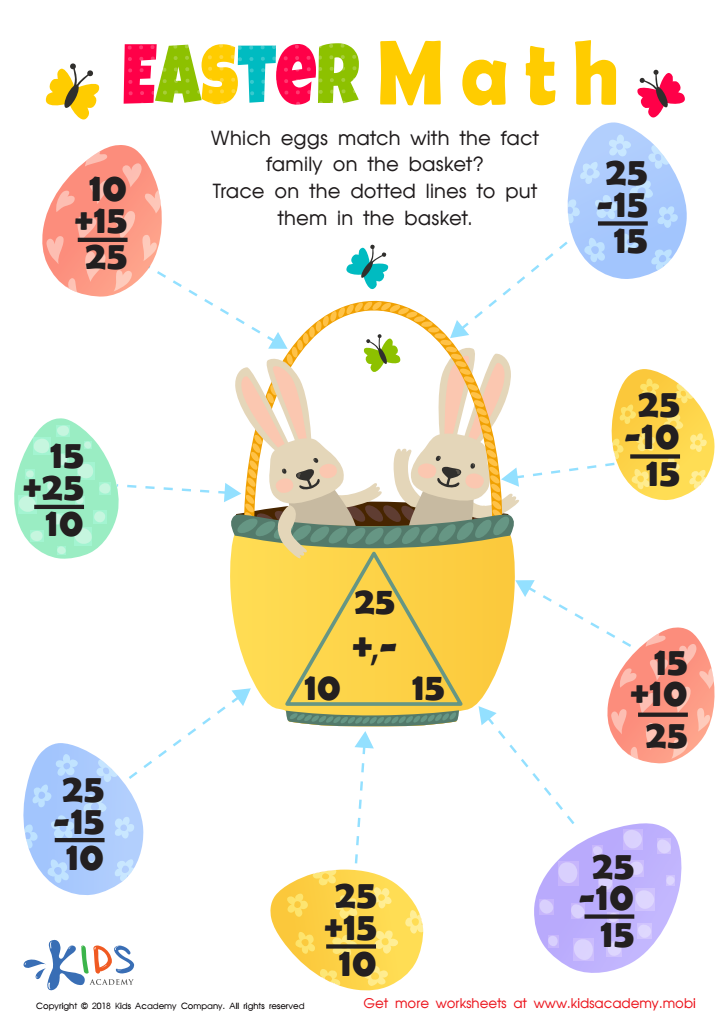
Fact Families: Easter Math Worksheet
Kids will love this vibrant PDF packed with Easter math fun! Match facts with the colorful eggs, add and subtract multiples of five to boost automaticity, and have a blast with the bunny friends!
Fact Families: Easter Math Worksheet
Worksheet
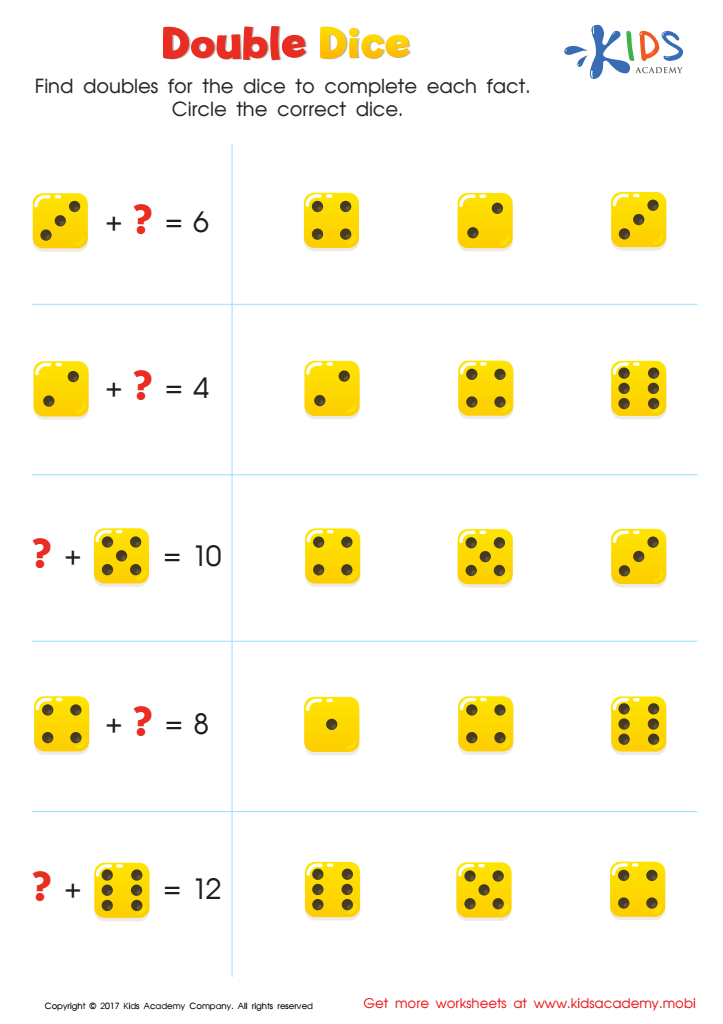
Addition Facts: Double Dice Worksheet
Are you looking for ways to make maths more engaging for kids? Maths can be a bore, but by teaching kids from an early age that it can be fun, they won't struggle with it. This worksheet is a great way to start: your child needs to identify the number on the left dice and find its double on the right. The sum of the two dice is also given.
Addition Facts: Double Dice Worksheet
Worksheet
Join Kids Academy for Free
Who is primarily going to use this learning content?








Number recognition and ease with normal addition facts are critical milestones for children aged 7-8, forming a foundational block in their mathematical learning. Parents and teachers should care deeply about these skills because they set the stage for more complex mathematical concepts. At this age, children move beyond merely counting and begin to comprehend the value of numbers and their relationships. This understanding helps them visualize and solve basic problems, boosting their reasoning skills.
Proficiency in number recognition enables children to quickly and accurately identify numbers, which is essential for performing addition and other arithmetic operations smoothly. When children master their addition facts, they build confidence and reduce cognitive load during math tasks. This fluency lets them focus on understanding more complex concepts, like multiplication and division, down the road.
Moreover, early math skills are not just about numbers; they relate to future academic success in various subjects. They foster critical thinking and problem-solving abilities, which are valuable in many life situations. Encouraging and supporting kids in mastering these skills helps cultivate a positive attitude towards math, making them less likely to experience math anxiety. Therefore, nurturing number recognition and addition fluency at this pivotal stage is vital for cognitive and academic development.








