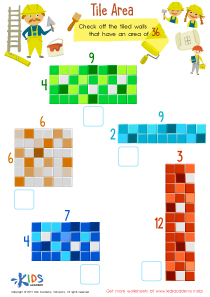
Problem Solving Normal Numbers Worksheets for Ages 7-8
6 filtered results
-
From - To
Enhance your child's math skills with our engaging Problem Solving Normal Numbers Worksheets designed for ages 7-8. These worksheets offer a fun and interactive way for young learners to tackle everyday math problems while developing critical thinking and reasoning skills. Featuring a variety of exercises that cover identification and application of normal numbers in real-life scenarios, children will gain confidence in their abilities. With bite-sized problems tailored to their developmental stage, these worksheets make learning enjoyable and effective. Perfect for classroom activities or home practice, our resources help foster a solid math foundation for your child’s future academic success!
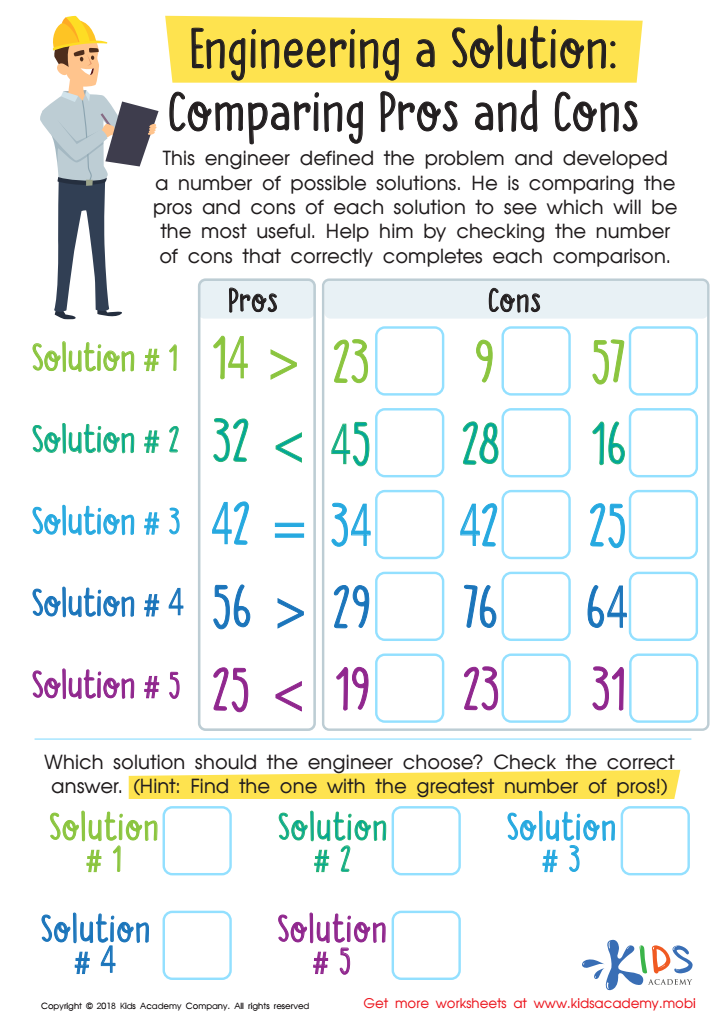
Engineering a Solution: Comparing Pros and Cons Worksheet
 Assign to My Students
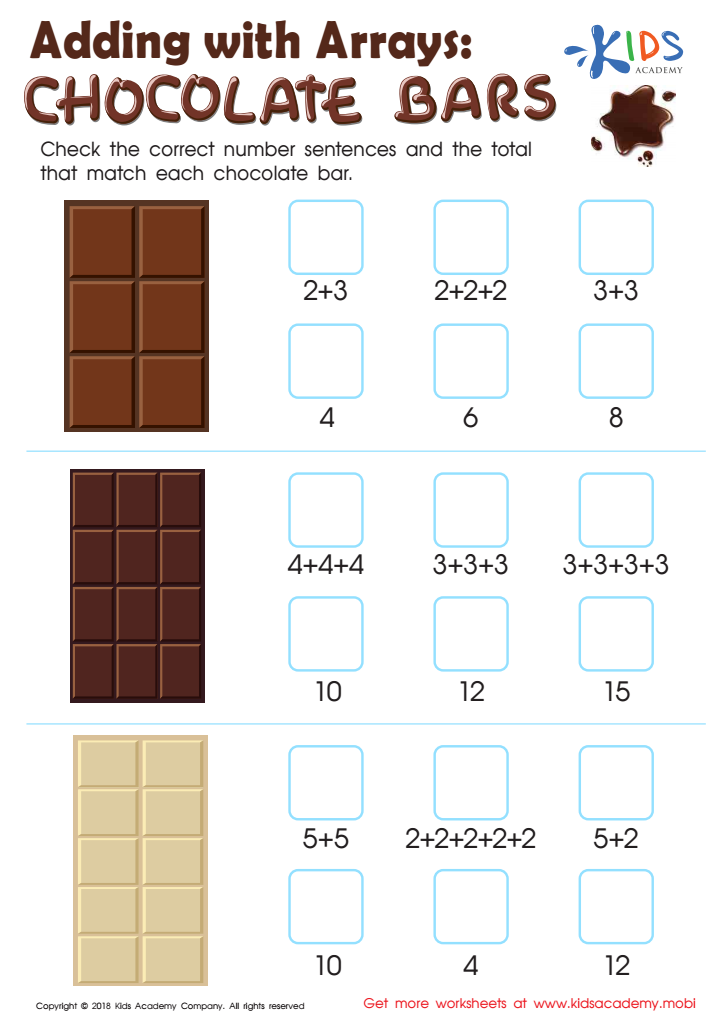
Adding with Arrays: Chocolate Bars Worksheet
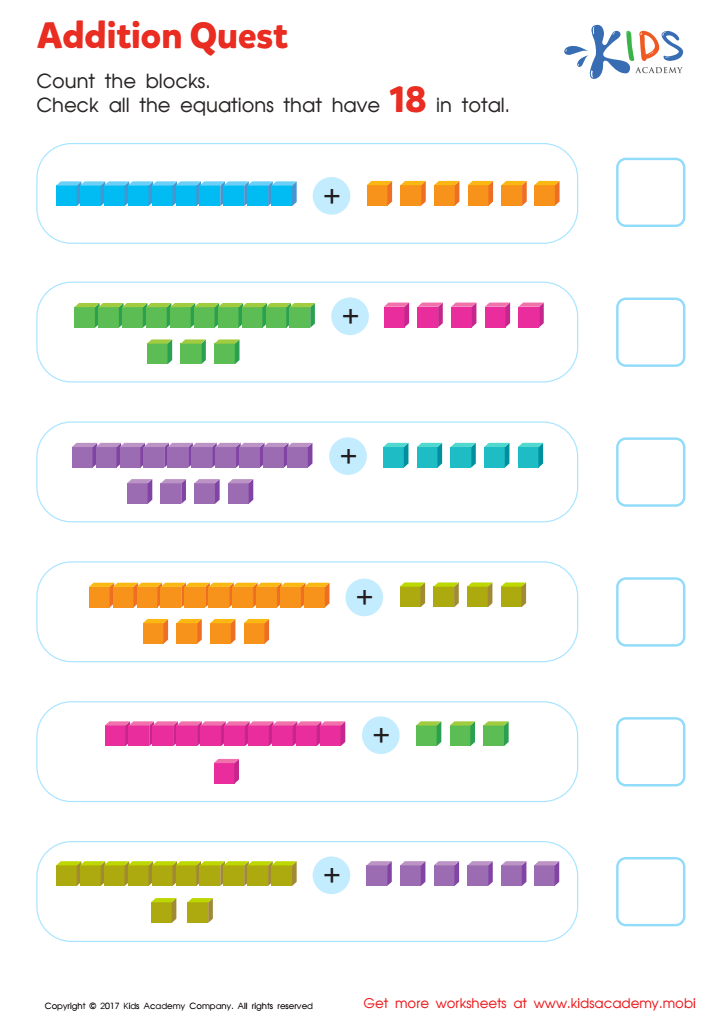
Addition Quest Worksheet: Part 2
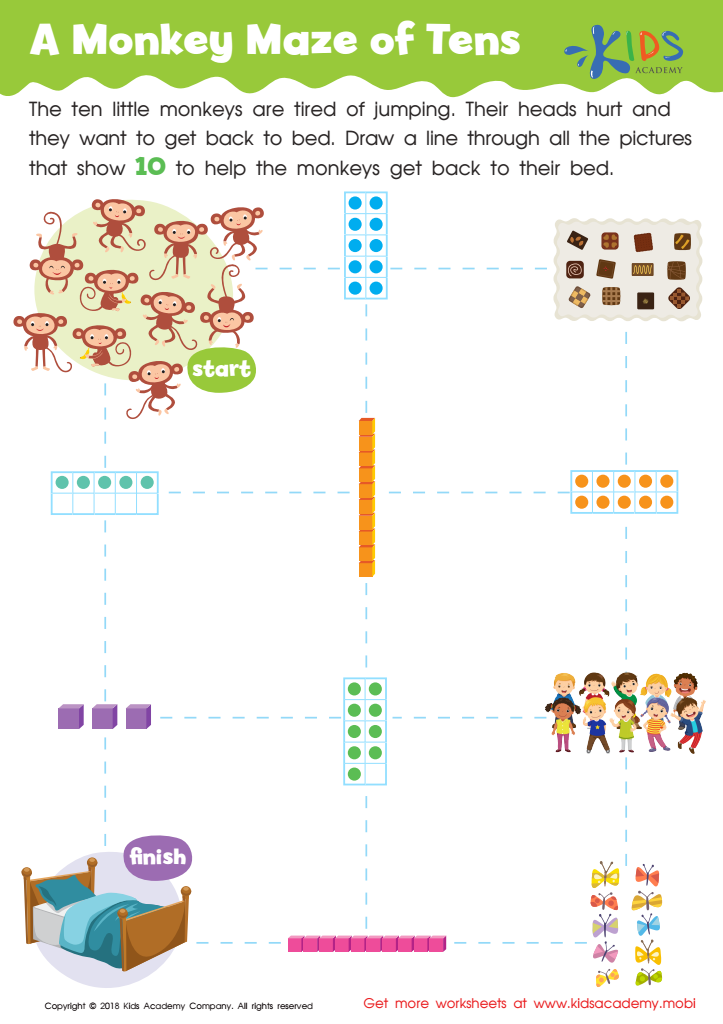
A Monkey Maze of Tens Worksheet
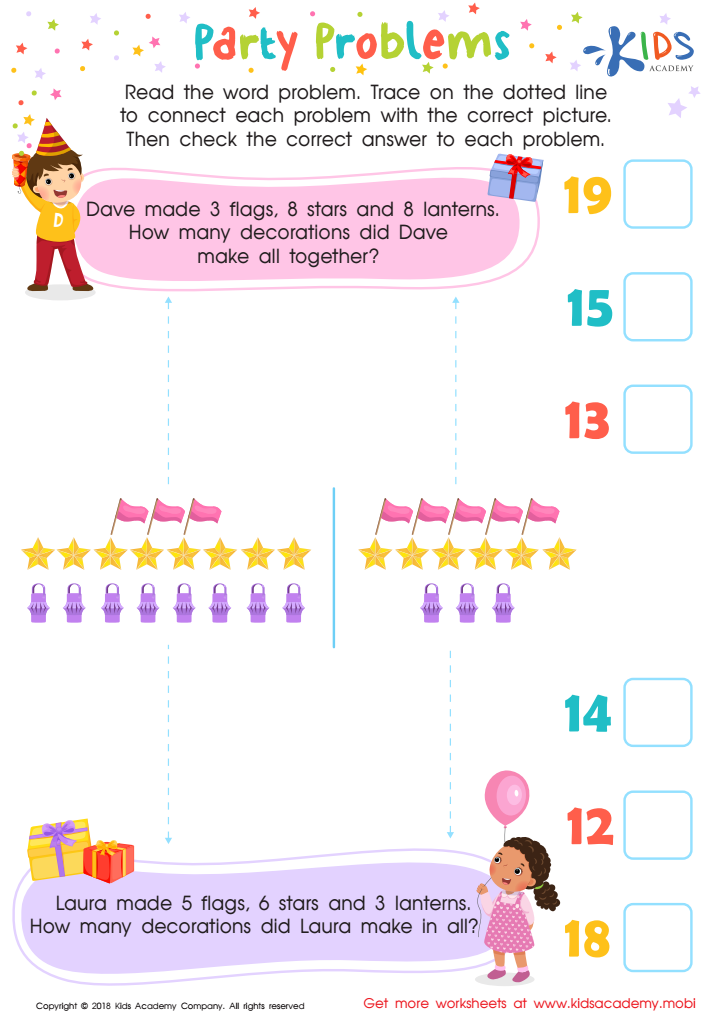
Party Problems Worksheet
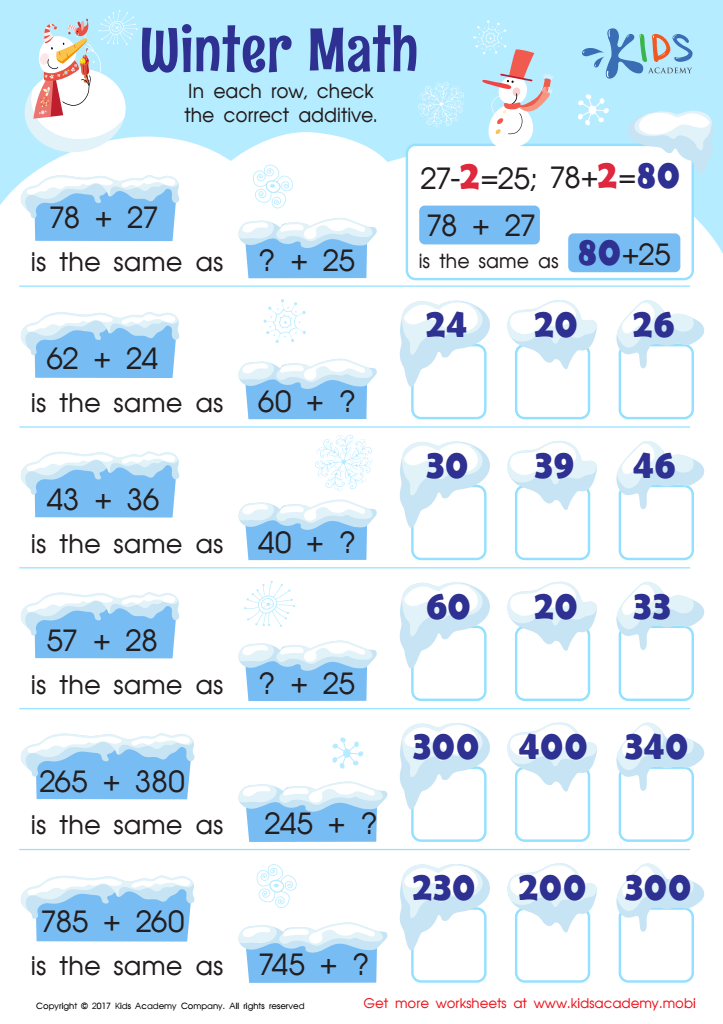
Free Addition Worksheet





%20(1).jpg)


Problem solving with normal numbers, or whole numbers, is crucial for children ages 7-8 as it helps develop essential mathematical skills and cognitive abilities. At this age, children are transitioning from simple arithmetic concepts to more complex problem-solving scenarios, thus strengthening their understanding of numerical relationships and patterns. Engaging in problem-solving activities fosters critical thinking, enhances reasoning skills, and instills confidence when tackling mathematical tasks.
Moreover, these skills are essential for real-world applications. Children learn to approach problems logically, explore different methods of finding a solution, and understand the value of persistence. Additionally, problem solving encourages collaboration when students work together, promoting social skills and teamwork.
Teachers and parents play a vital role in providing opportunities for children to engage in problem solving through games, puzzles, and discussions. By modeling a positive attitude toward challenges and mistakes, adults can help children view problem-solving as an exciting and valuable process rather than a daunting task. Encouraging practice in normal numbers also lays a strong foundation for future mathematical learning, preparing students for more advanced concepts in higher grades. Ultimately, caring about and actively promoting these skills benefits children's overall development and future academic success.