Critical thinking development Normal Science Worksheets for Ages 7-8
6 filtered results
-
From - To
Enhance your child's critical thinking skills with our engaging Nature Science Worksheets designed specifically for ages 7-8. These thoughtfully crafted resources promote analytical thinking through fun, interactive activities that encourage exploration and curiosity about the natural world. Our worksheets challenge young minds to observe, question, and hypothesize, laying a strong foundation for scientific reasoning. Each printable material hosts a variety of exercises, such as comparisons, predictions, and problem-solving tasks, tailored to keep children motivated and eager to learn. Foster your child's critical thinking development while they discover the wonders of science with our easy-to-use, curriculum-aligned worksheets. Unlock their potential today!
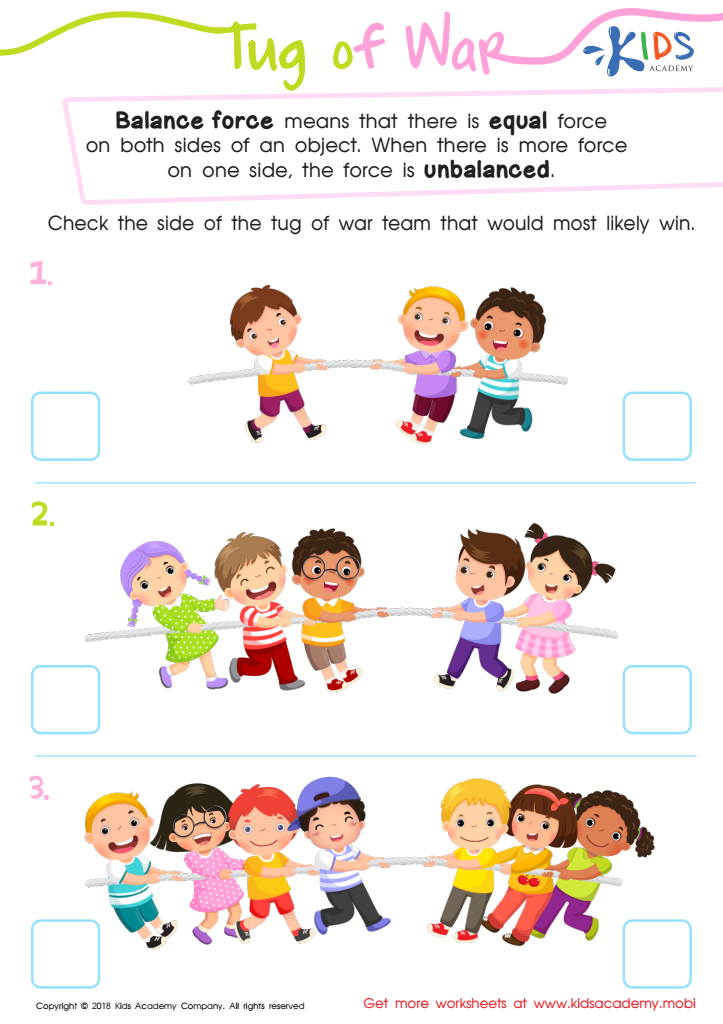
Balanced Forces Worksheet
 Assign to My Students
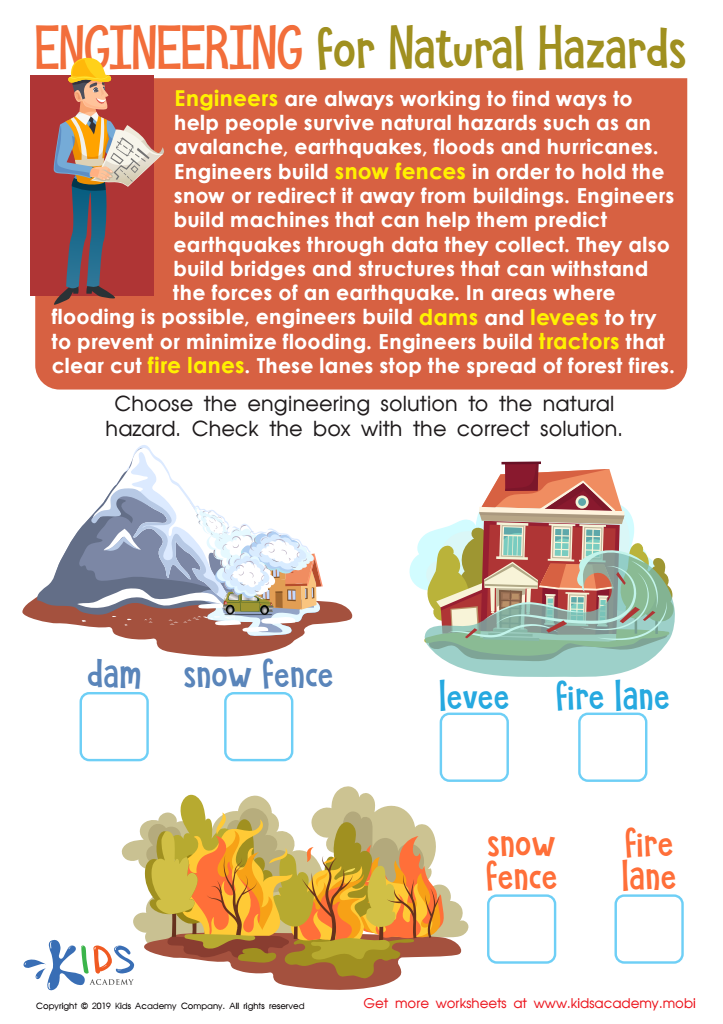
Engineering Natural Hazards Worksheet
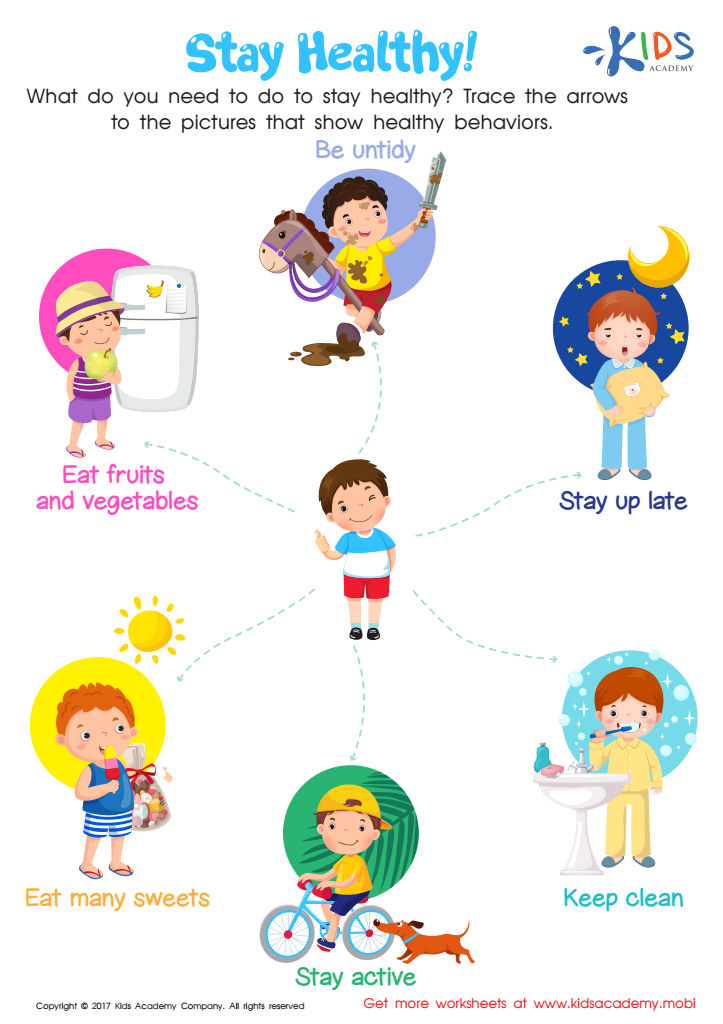
Healthy and Unhealthy Behaviors Worksheet
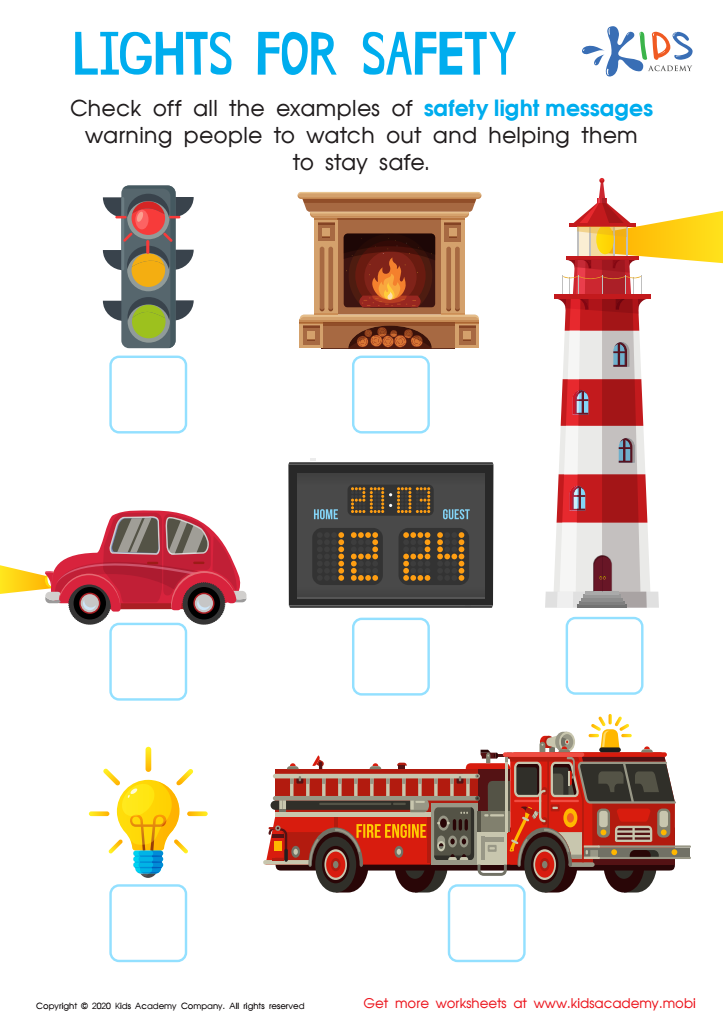
Lights for Safety Worksheet
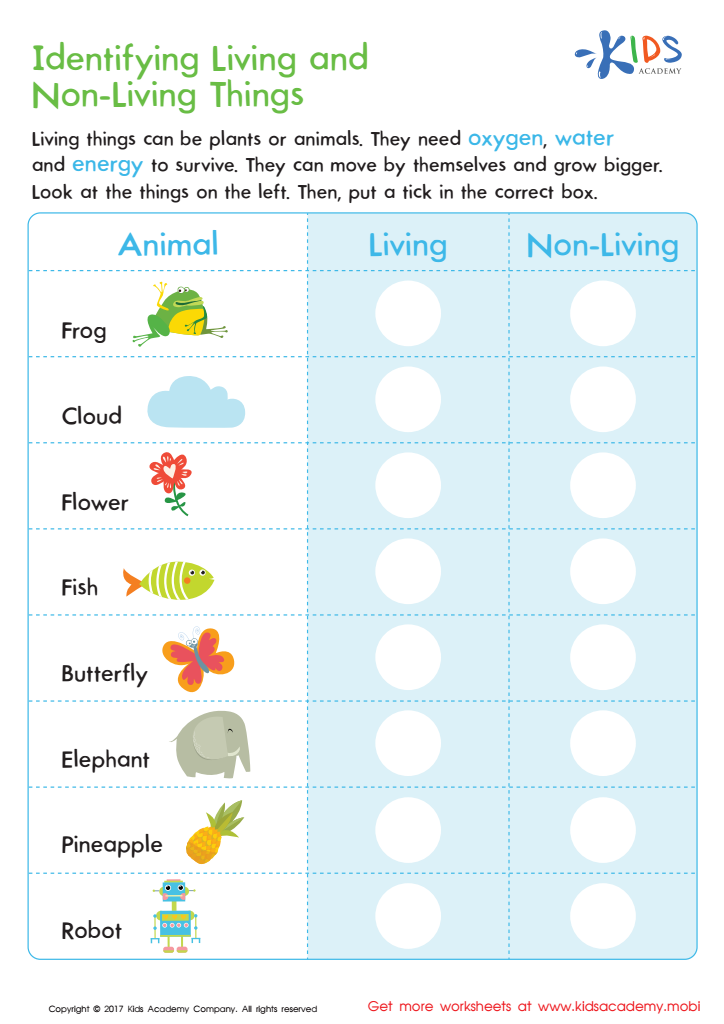
Identifying Living or Non–living Worksheet
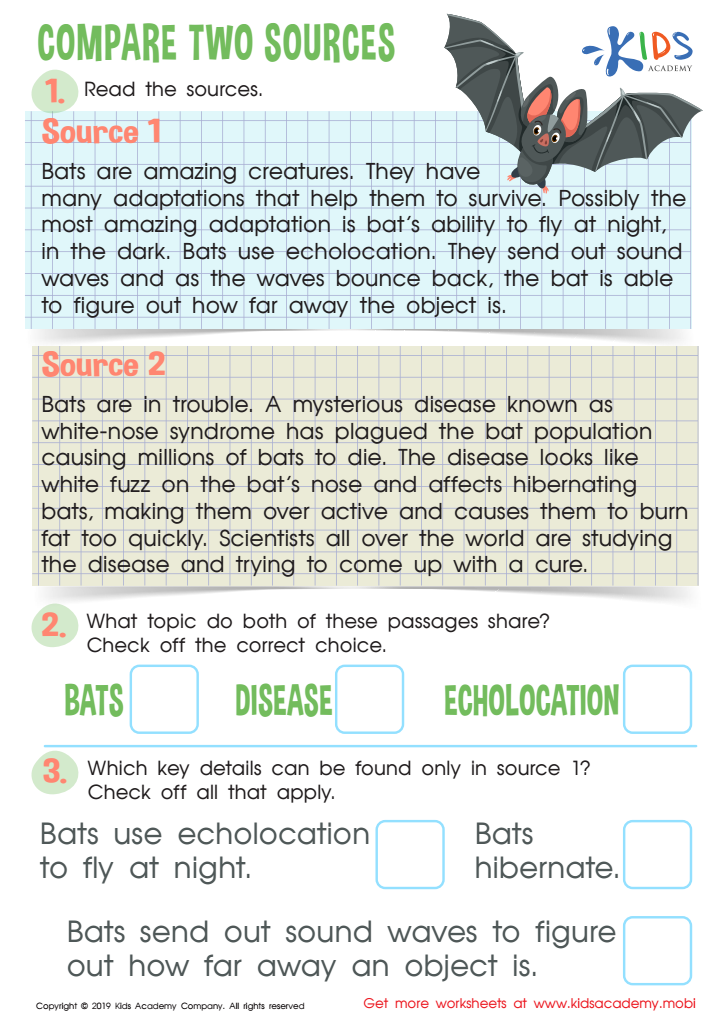
Compare Two Sources Worksheet







Parents and teachers play a crucial role in fostering critical thinking development through the lens of Normal Science for children aged 7-8. At this age, children are naturally curious, and they begin to make sense of the world around them through observation and inquiry. Critical thinking skills are essential for them to analyze information, draw conclusions, and solve problems effectively.
Developing critical thinking during these formative years helps children cultivate a scientific mindset, encouraging them to question assumptions and explore alternatives. Engaging in Normal Science—where children formulate hypotheses, conduct experiments, and review evidence—directly enhances their reasoning abilities. It nurtures their creativity, as they learn to approach problems from various angles and embrace the trial-and-error process inherent in scientific exploration.
Furthermore, equipping children with critical thinking skills empowers them to become independent learners and responsible decision-makers in the future. In a rapidly changing world, the ability to evaluate information and think analytically is more important than ever. Parents and teachers should therefore prioritize experiences—both in the classroom and at home—that promote inquiry-based learning and encourage dialogue. This emphasis will support children's academic success and lifelong learning, helping them thrive in various aspects of life.







