Learning about ecosystems Normal Plants and Animals Worksheets for Ages 7-8
3 filtered results
-
From - To
Discover the wonders of ecosystems with our engaging worksheets tailored for children ages 7-8! Our "Learning about Ecosystems: Normal Plants and Animals" collection helps young learners explore the intricate relationships between various organisms and their environments. These interactive worksheets reinforce key concepts about plant and animal life, fostering a greater appreciation for nature. Through activities like matching, coloring, and problem-solving, students will develop their understanding of ecosystems while enhancing critical thinking skills. Perfect for classroom use or at-home learning, these resources make science fun and accessible! Dive into the world of ecosystems today and inspire a lifelong love of nature!
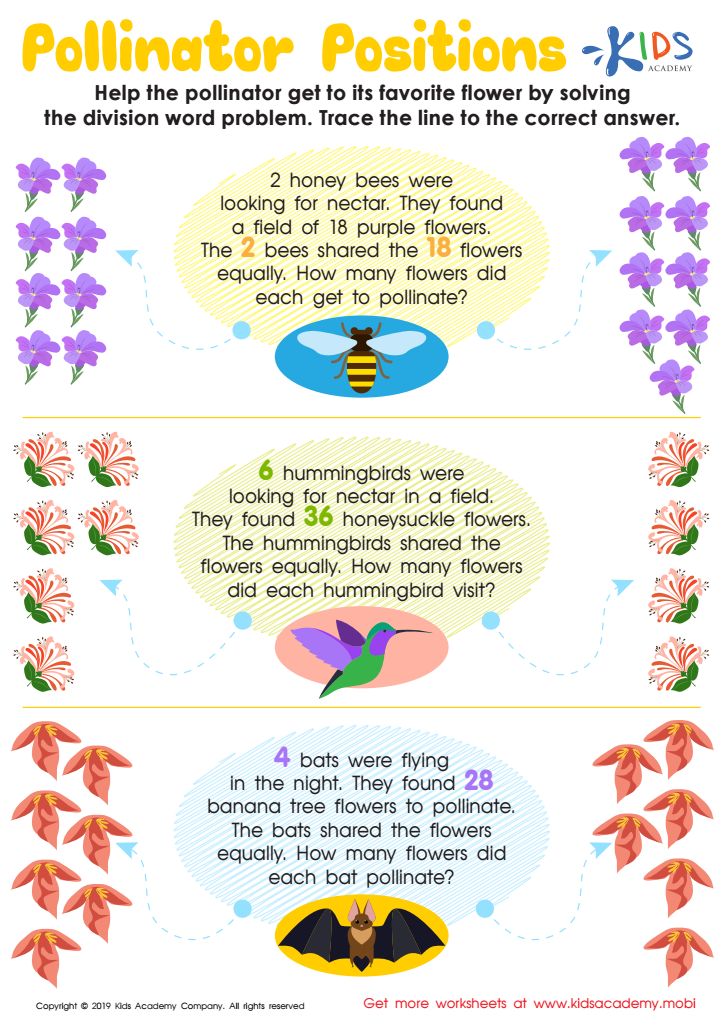
Pollinator Positions Worksheet
 Assign to My Students











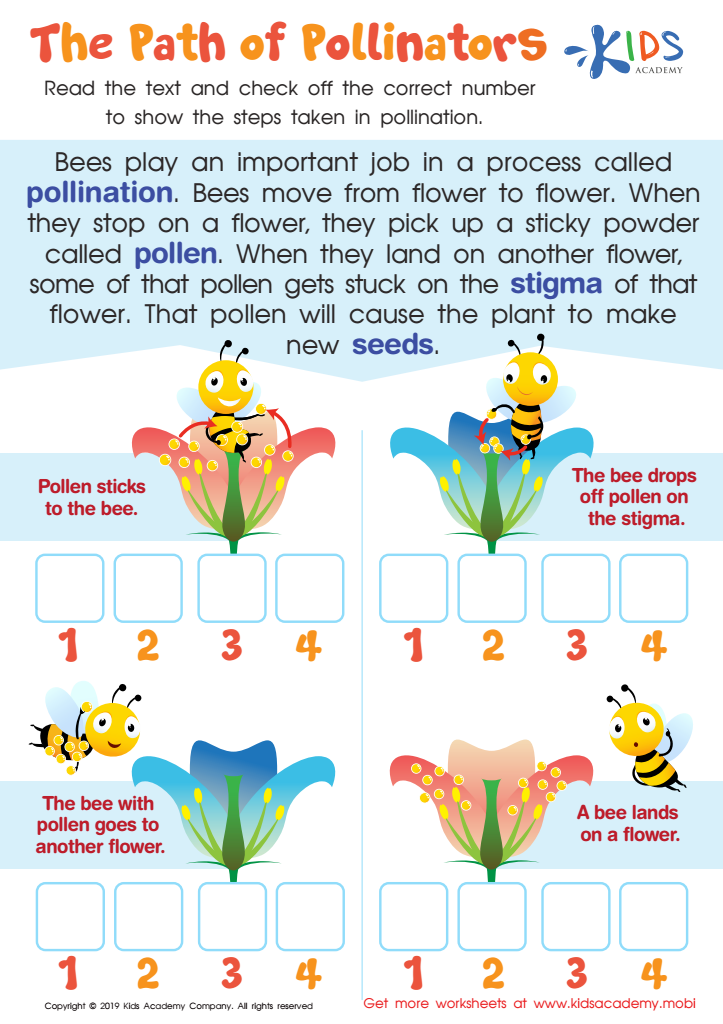
The Path of Pollinators Worksheet
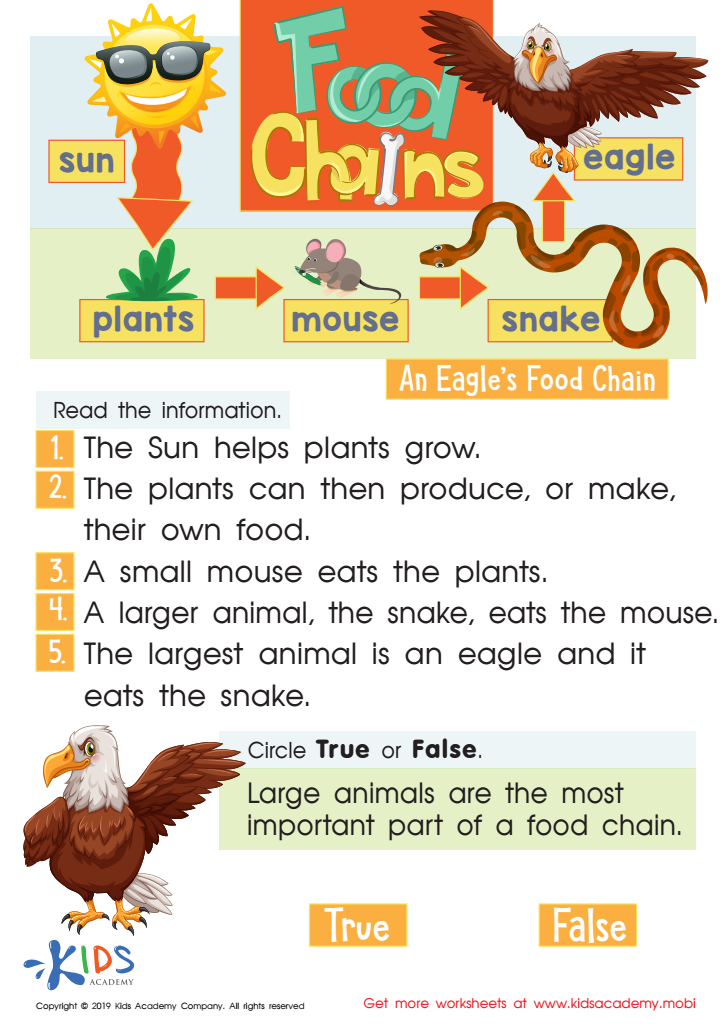
Food Chains Worksheet








Parents and teachers should prioritize learning about ecosystems, plants, and animals for children aged 7 to 8 because this knowledge lays a foundation for environmental stewardship and scientific curiosity. At this age, children are naturally inquisitive, and exploring ecosystems helps them understand the interdependence of living organisms and their habitats. Learning about normal plants and animals fosters an appreciation for biodiversity, helping kids recognize the variety of life in their immediate surroundings.
Understanding ecosystems enhances critical thinking and observational skills. Children learn to ask questions, make predictions, and engage in hands-on activities, such as nature walks and science experiments, reinforcing their learning through real-world experiences. Furthermore, early exposure to these concepts can inspire a lifelong interest in nature, science, and conservation.
Additionally, teaching children about the roles of different species and the functioning of ecosystems can help instill a sense of responsibility toward the environment. As they grasp the impact humans have on nature, they're more likely to adopt eco-friendly habits, understand the importance of conservation, and advocate for protecting wildlife. Ultimately, engaging young learners in the wonders of ecosystems inspires empathy, curiosity, and a sense of belonging to the world, shaping responsible future caretakers of our planet.







