Normal Alphabet Worksheets for Ages 7-9 - Page 8
171 filtered results
-
From - To
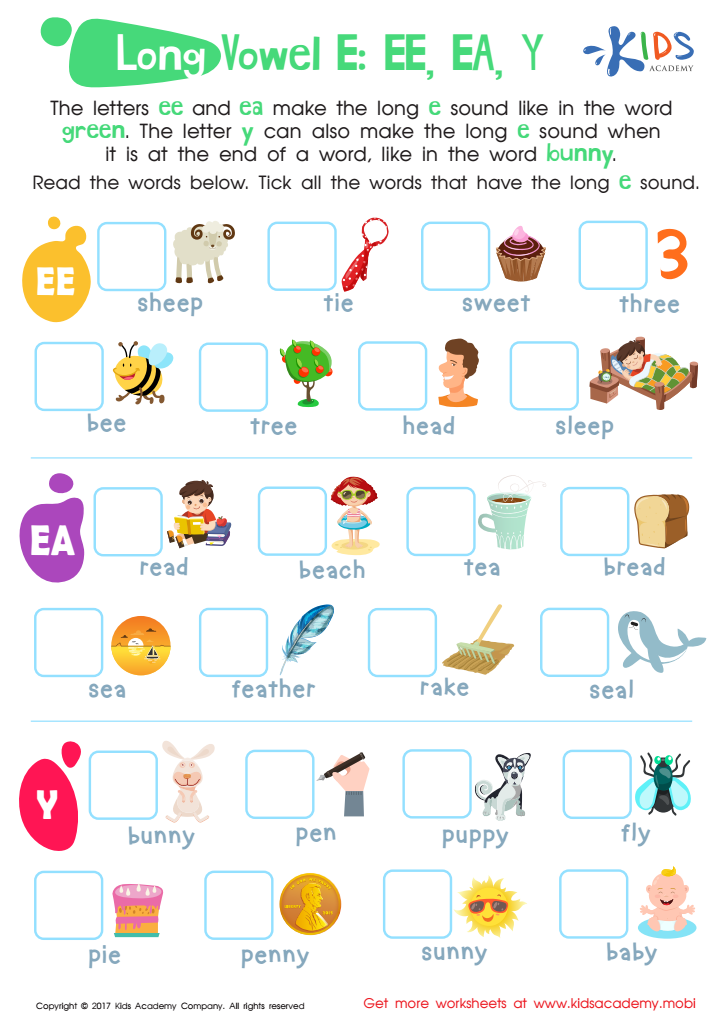
Long Vowel E Printable
 Assign to My Students

Letter D Tracing Page
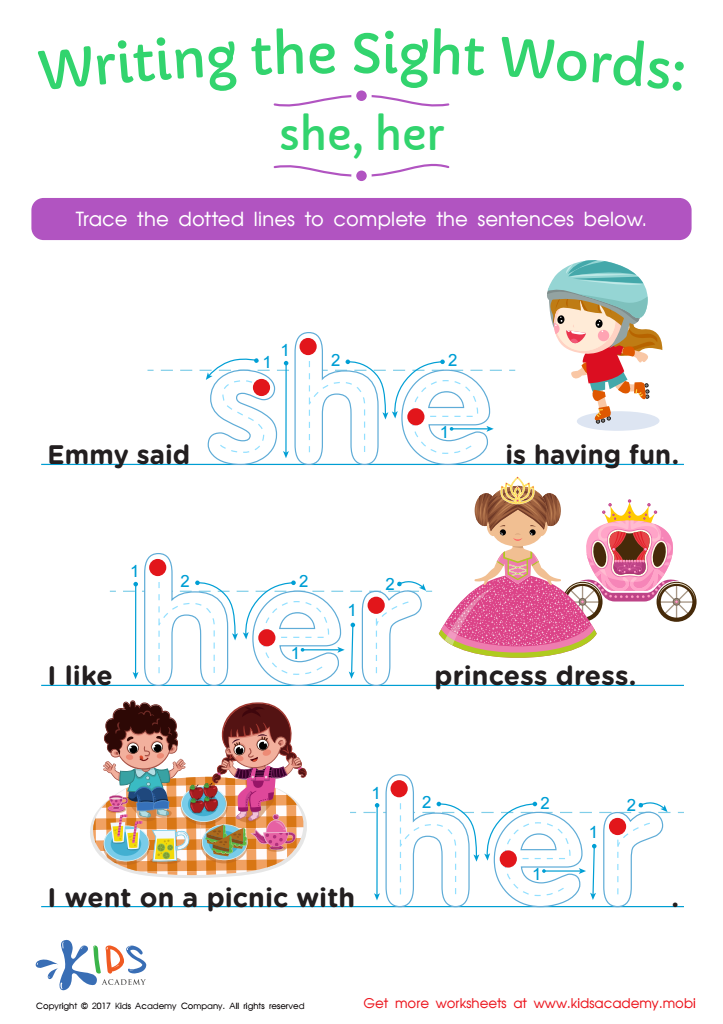
She, Her Printable Sight Words Worksheet







Parents and teachers should care about the normal alphabet for children ages 7-9 because mastery of this foundational skill is crucial for their literacy development. At this age, kids are at a critical stage in their education where they transition from learning to read to reading to learn. Recognizing, understanding, and using the alphabet fluently directly impacts their ability to comprehend written texts, spell words correctly, and express themselves through writing.
When children firmly grasp the alphabet, they develop phonemic awareness, which is the ability to recognize and manipulate the sounds within words. This is a cornerstone for decoding new words, improving reading fluency, and fostering a love for reading. Moreover, familiarity with the alphabet supports vocabulary expansion and strengthens grammatical understanding, both of which are essential for effective communication.
For teachers, ensuring that students have a solid alphabet foundation means they can progress to more complex language concepts without unnecessary delays, making the overall teaching process more efficient. For parents, engaging in alphabet-related activities at home consolidates classroom learning and provides invaluable support. Consequently, a firm understanding of the normal alphabet sets children on a positive academic trajectory, builds their confidence, and equips them with essential skills they'll use throughout their schooling and beyond.







