Motor skills development Normal Alphabet Worksheets for Ages 7-9
3 filtered results
-
From - To
Unlock your child's potential with our Motor Skills Development Normal Alphabet Worksheets designed for ages 7-9. These engaging worksheets focus on enhancing fine motor skills while reinforcing letter recognition and writing proficiency. Carefully crafted to instill confidence, each activity encourages children to trace, write, and recognize letters through fun and interactive tasks. Ideal for home or classroom use, these worksheets will help your child develop essential skills crucial for academic success. Prepare your young learner for a bright future with our comprehensive resources that make learning enjoyable and effective. Start exploring the world of letters and unleash creativity today!

Letter H Tracing Page
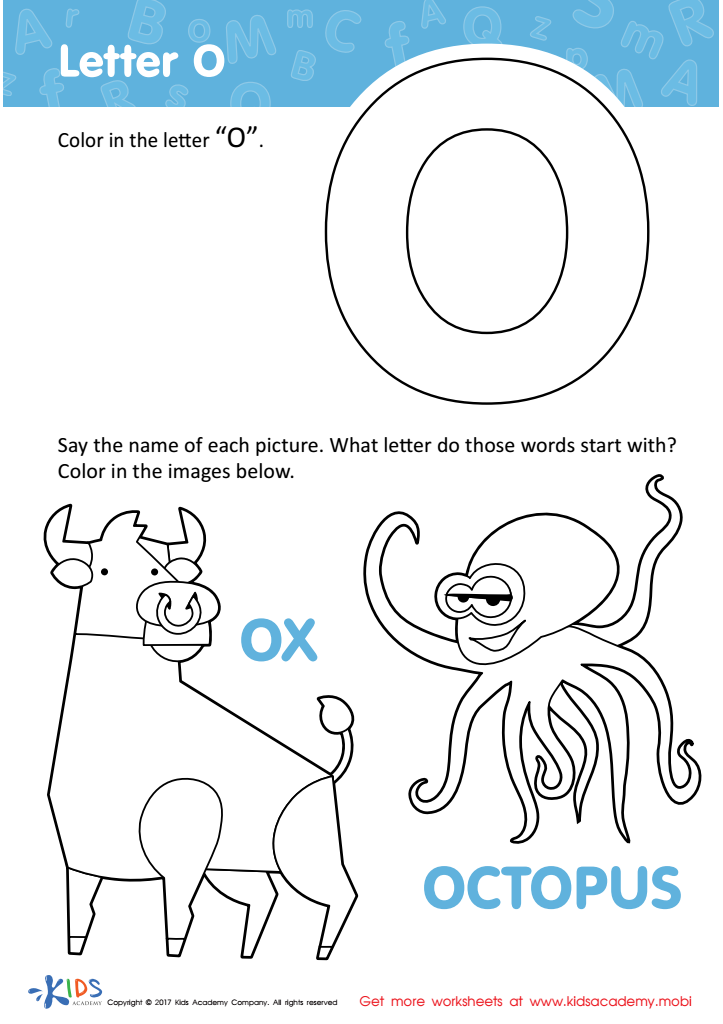
Letter O Coloring Sheet
 Assign to My Students
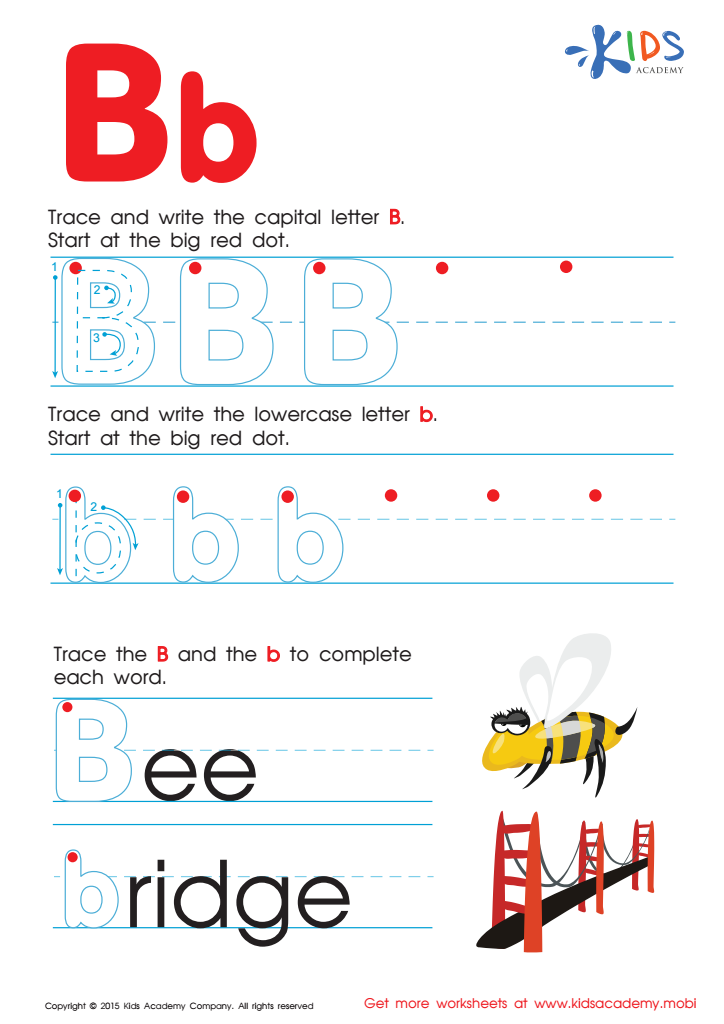
Letter B Tracing Page





Motor skills development is crucial for children aged 7-9, as it serves as the foundation for many activities in their daily lives. During these formative years, kids engage in various tasks that require both fine and gross motor skills, such as writing, sports, and even basic self-care activities like buttoning a shirt. When children develop strong motor skills, they can improve their hand-eye coordination, balance, and overall physical confidence.
For parents and teachers, supporting motor skills development can lead to positive impacts in the classroom and at home. Children with well-developed motor skills tend to have increased focus and can participate more effectively in academic activities. This can translate to better handwriting, improved performance in physical education, and greater success in arts and crafts.
Moreover, motor skills are closely linked to cognitive development. When children tackle physical tasks, they enhance their problem-solving capabilities and boost their creativity. Parents and teachers should encourage activities like drawing, sports, and construction play to promote motor skills. By investing focus in this area, adults foster children's overall development, empowering them to express themselves confidently and interact positively with their peers. Ultimately, fine motor skills play a vital role in building a child's self-esteem and independence.







