Spelling practice Normal Phonics Worksheets for Ages 7-9 - Page 2
41 filtered results
-
From - To
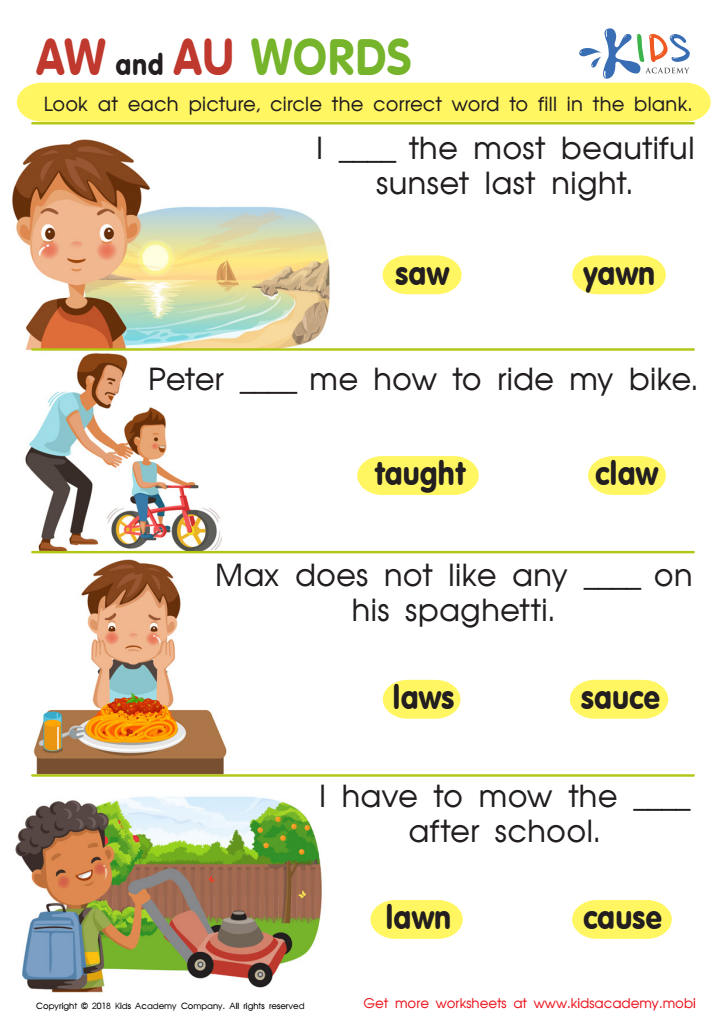
Reading: AW and AU Words Worksheet
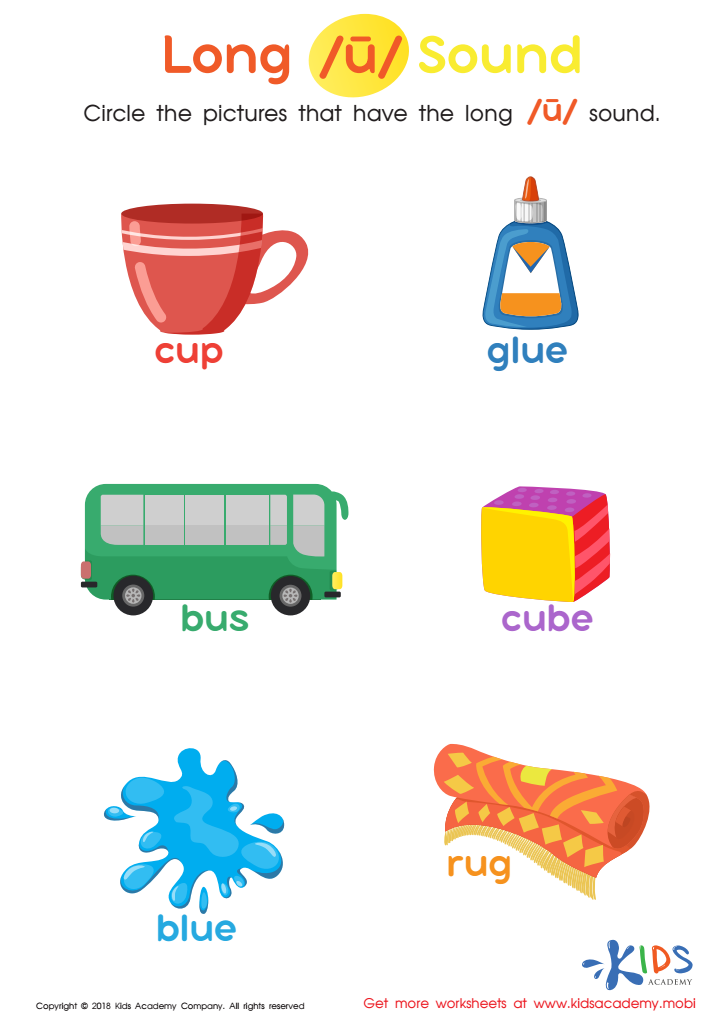
Long «u» Sound Worksheet
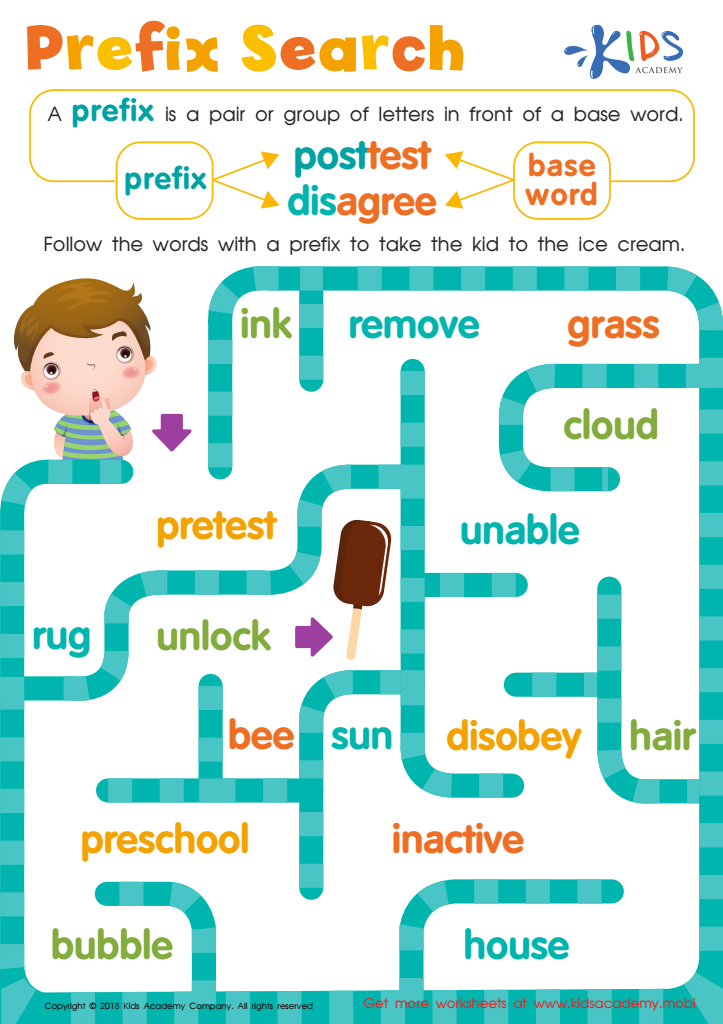
Reading: Prefix Search Worksheet
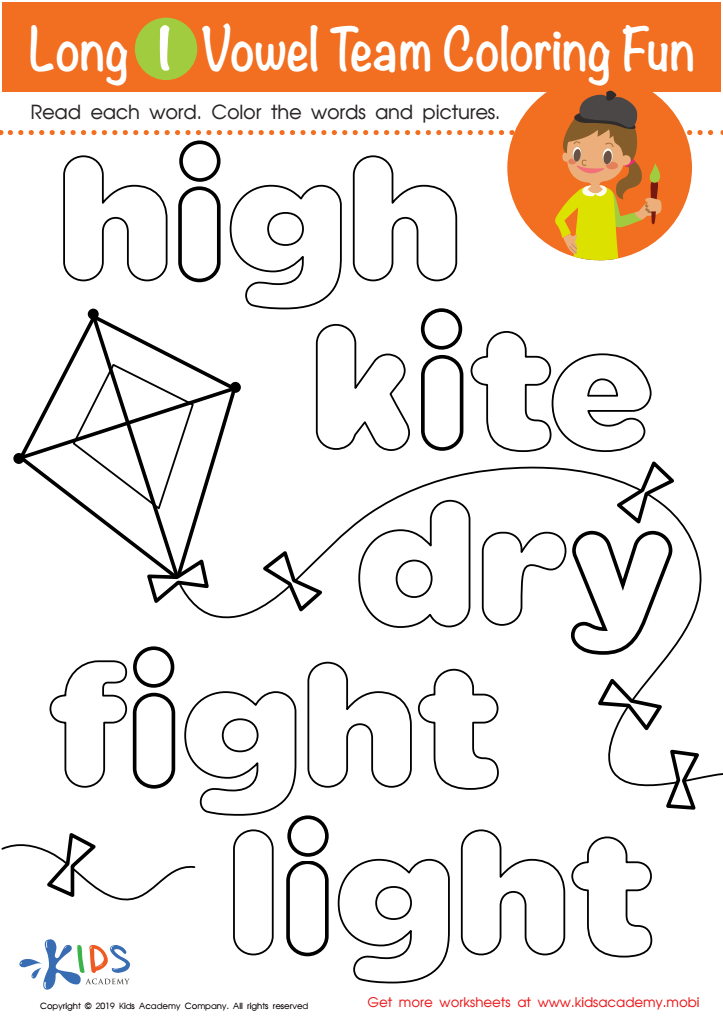
Long I Vowel Team Coloring Worksheet
 Assign to My Students
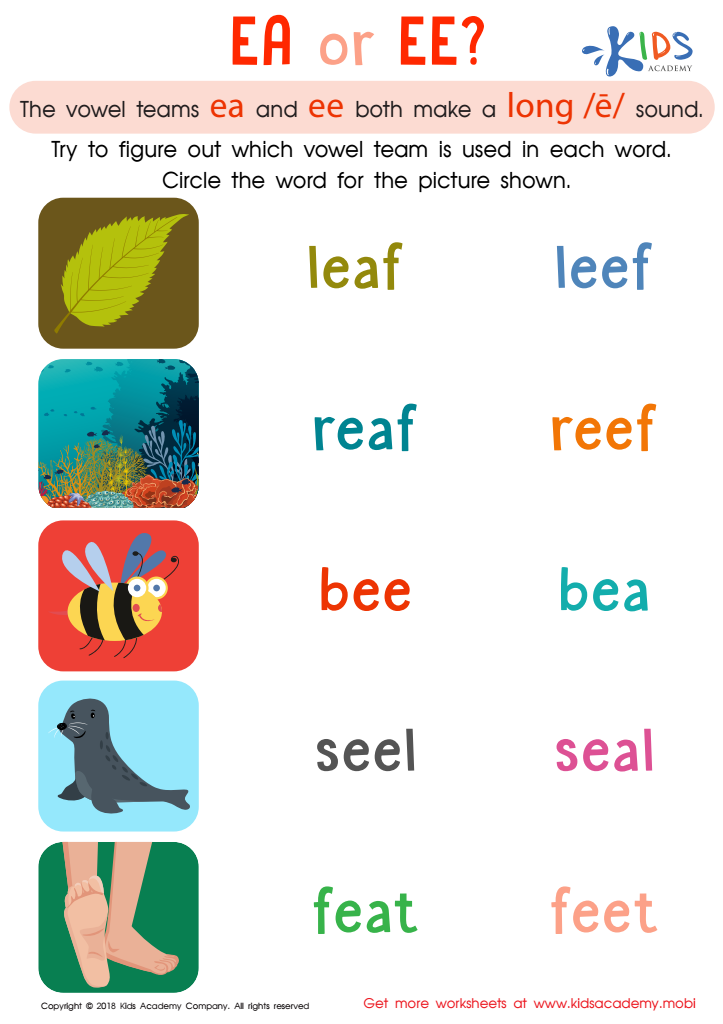
Reading: EA and EE Worksheet
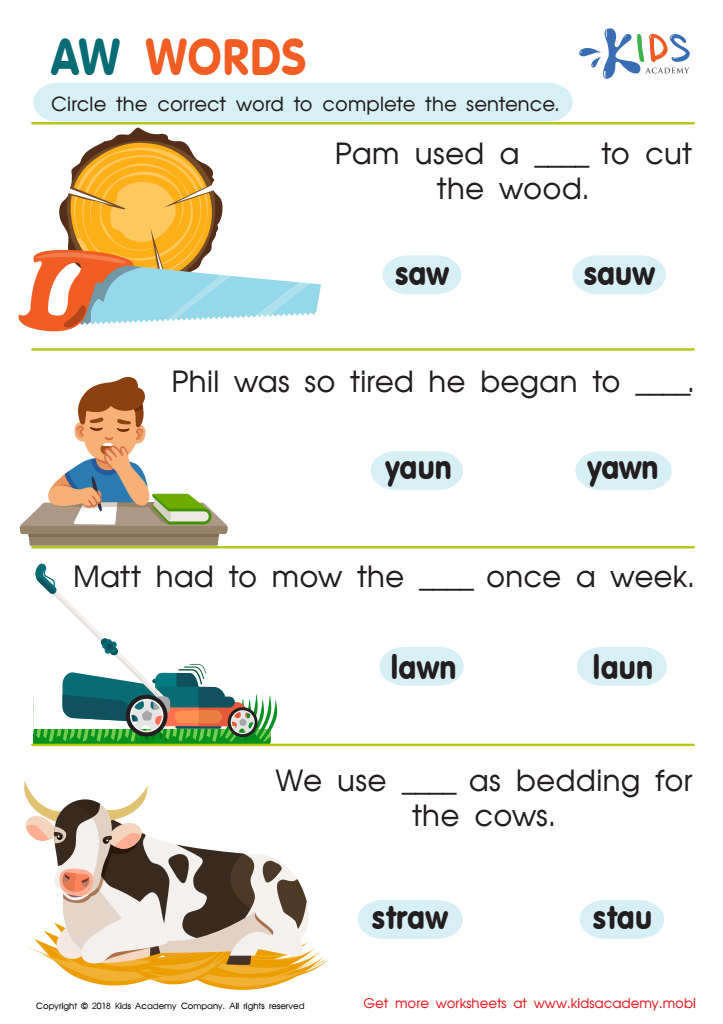
Reading: AW Words Worksheet
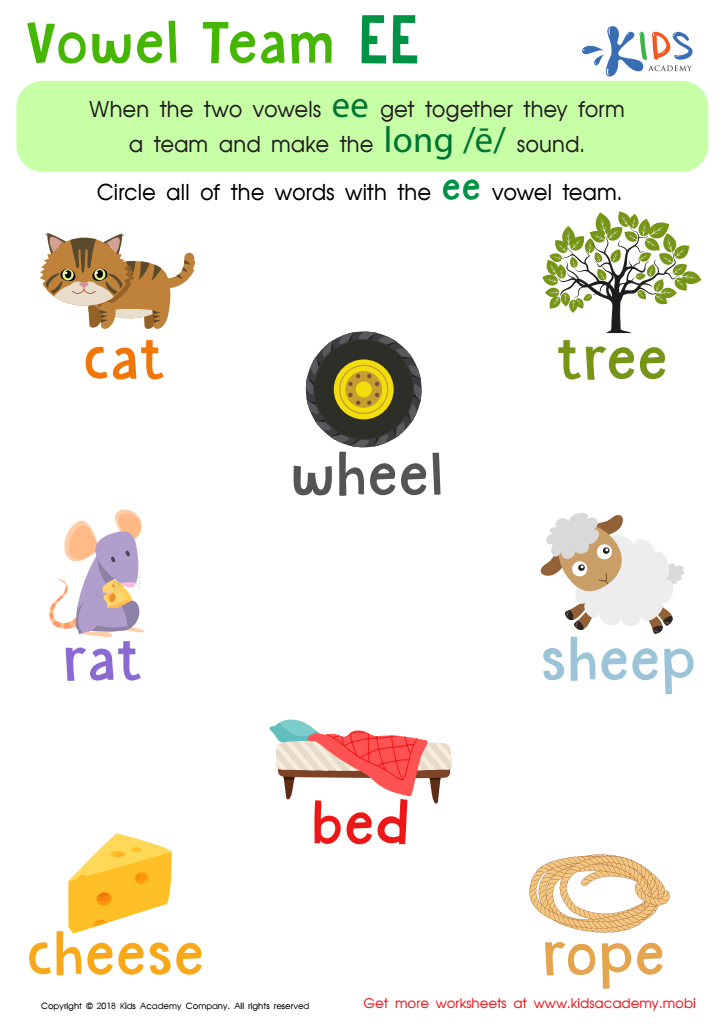
Reading: Vowel Team EE Worksheet
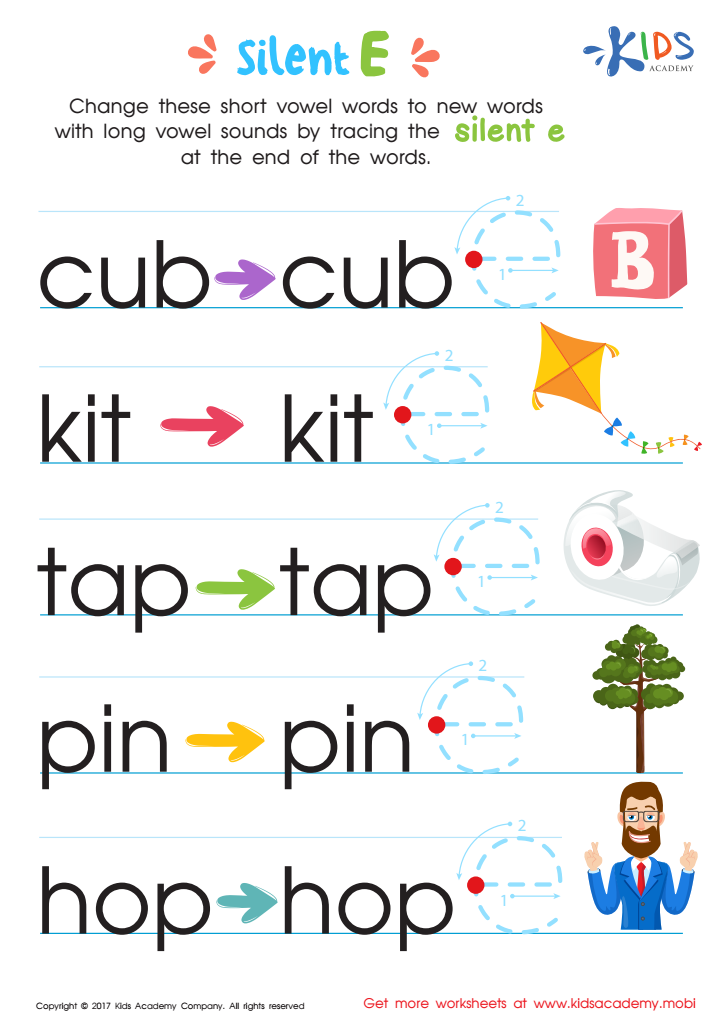
Silent E Words Worksheet
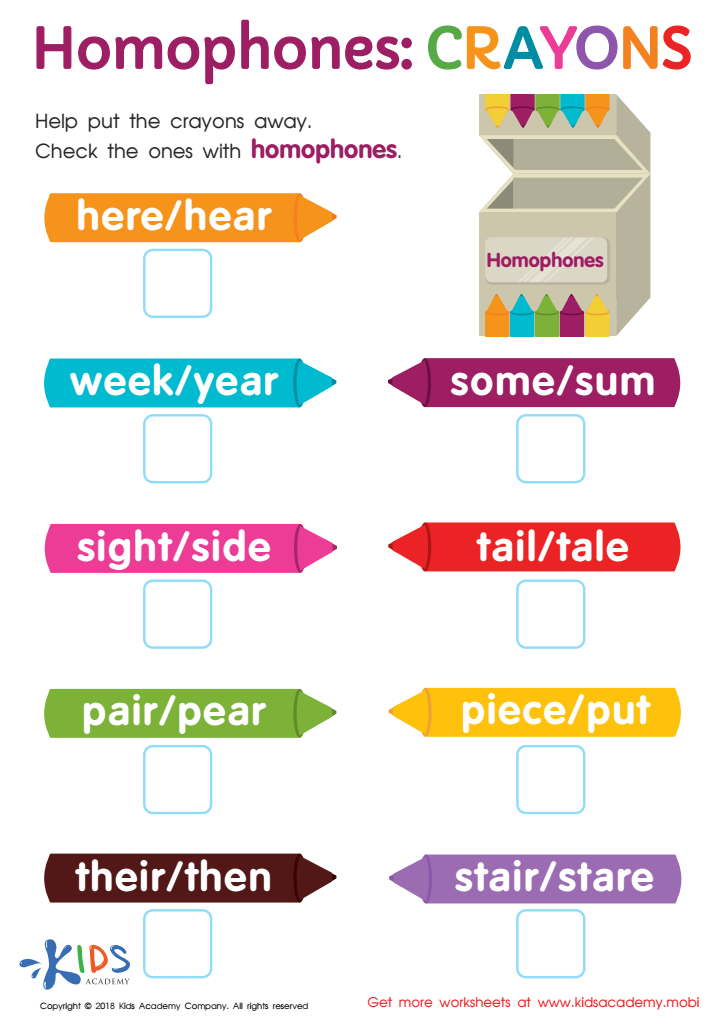
Homophones: Crayons Worksheet
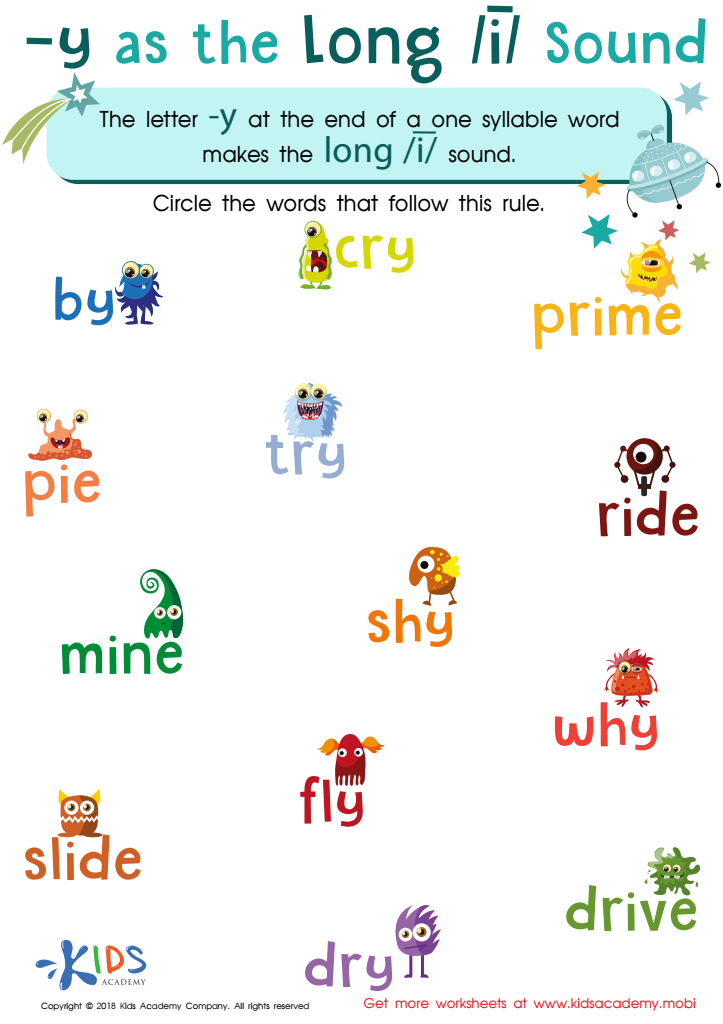
Reading: Y as Long I Worksheet
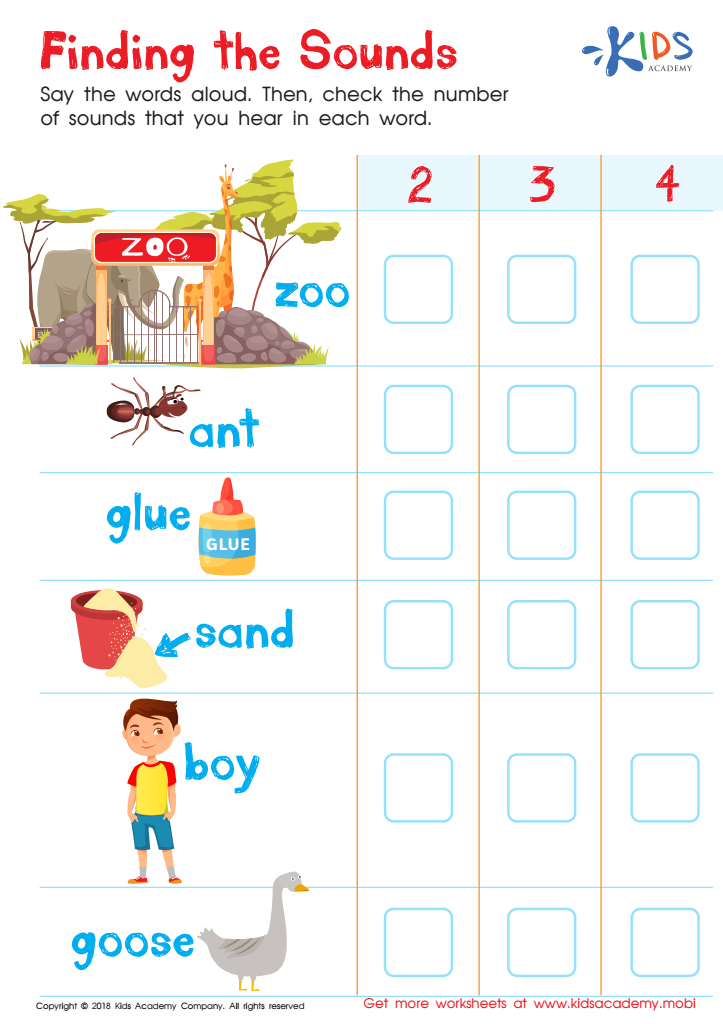
Finding the Sounds Worksheet
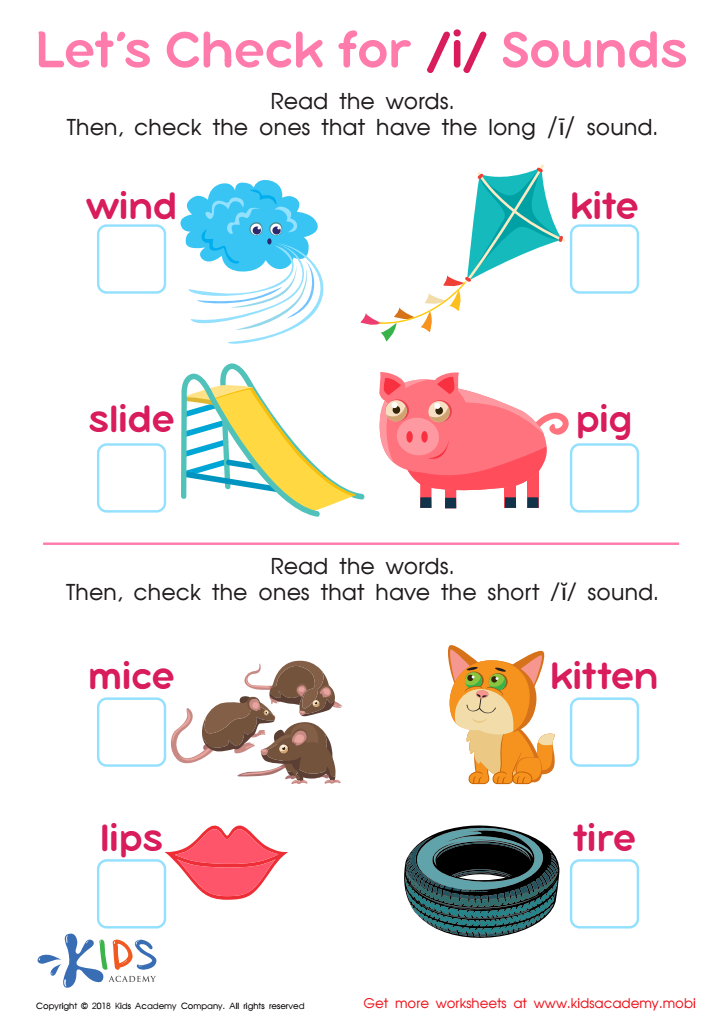
Let's Check for «i» Sounds Worksheet
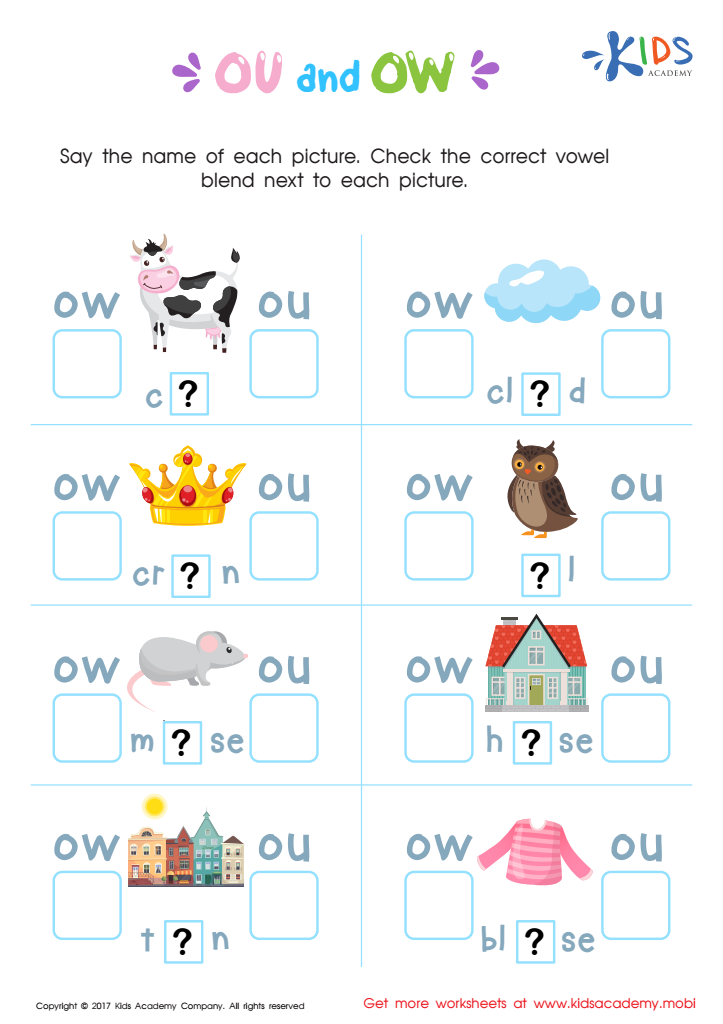
OU and OW Words Worksheet
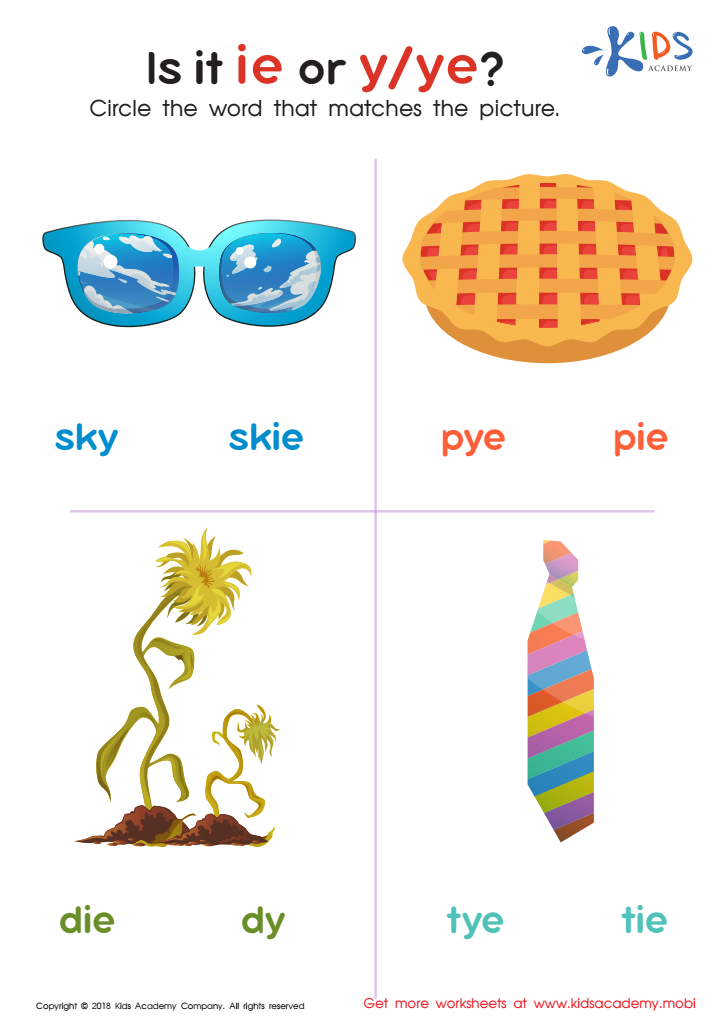
Is It IE or Y/Ye? Worksheet
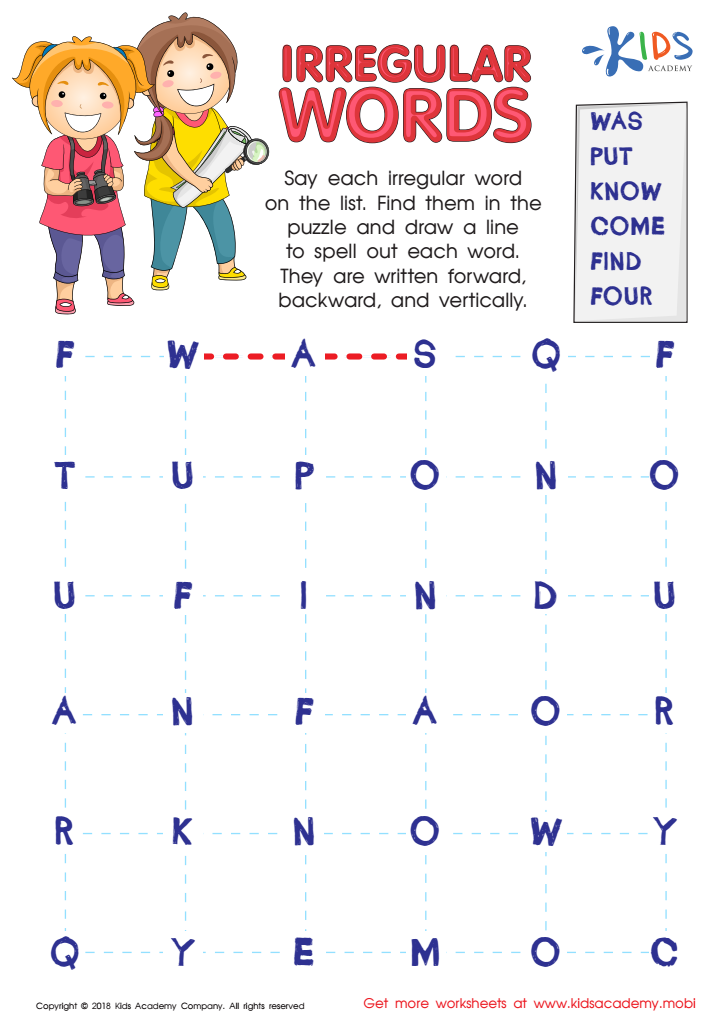
Irregular Words Worksheet
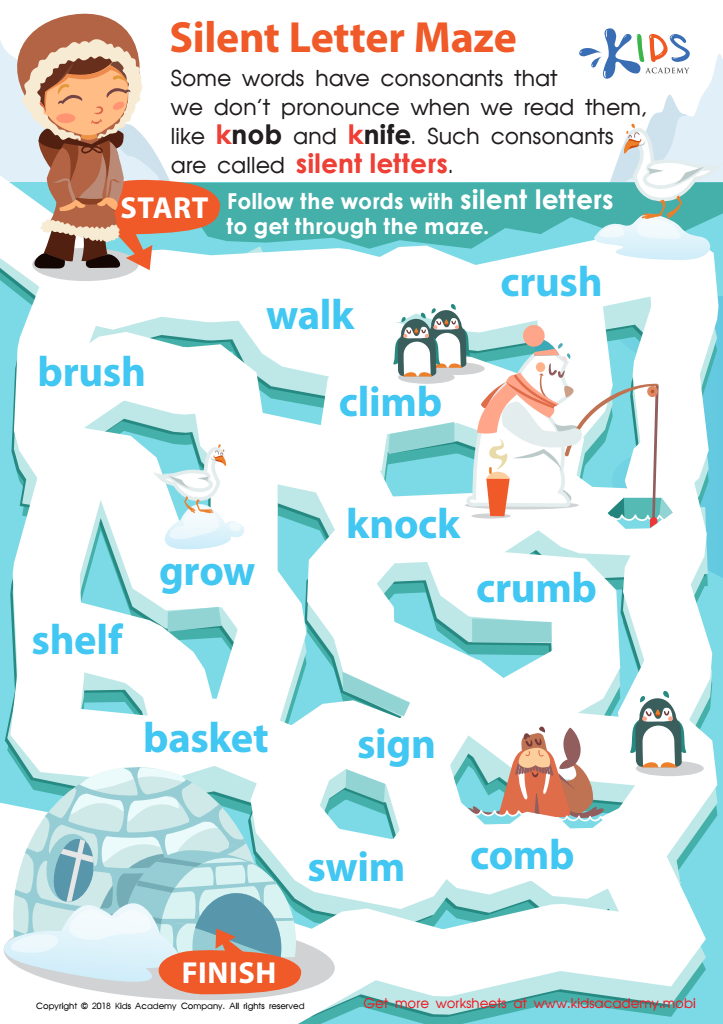
Silent Letter Maze Worksheet
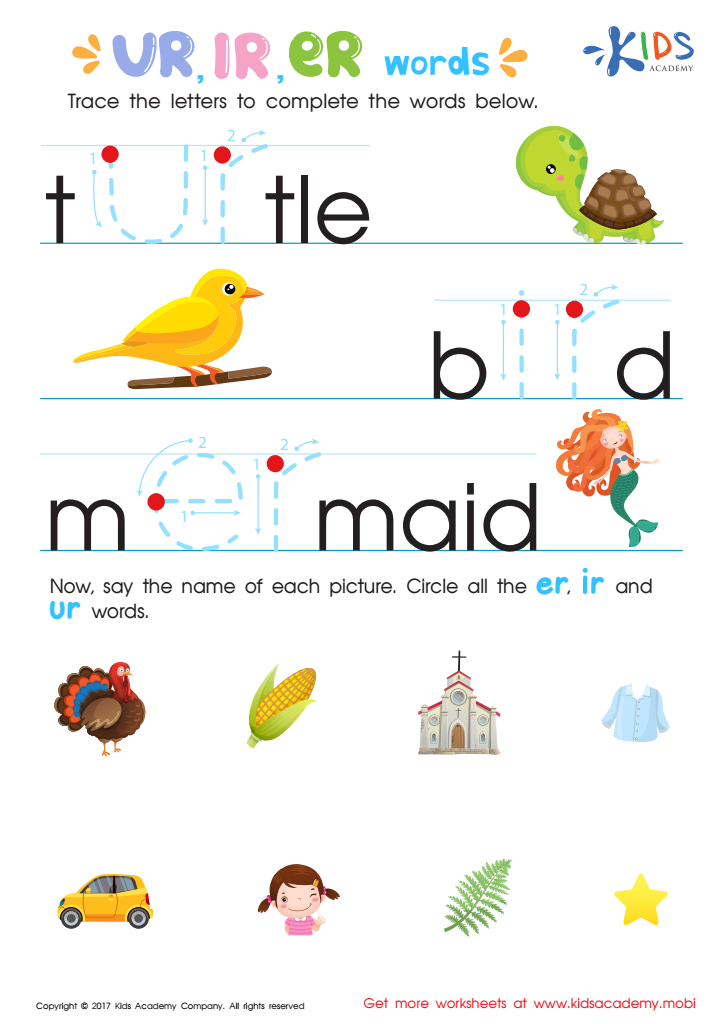
IR UR ER Words Worksheet








Parents and teachers should prioritize spelling practice through a robust phonics approach for children aged 7 to 9 because it significantly enhances literacy skills crucial for academic success. At this stage, children are often bridging the gap from learning to read to reading to learn. Mastering phonics enables them to decode words accurately, improving both reading fluency and comprehension.
Effective spelling practice also bolsters vocabulary acquisition, as children learn to associate sounds with letters and spelling patterns, making it easier to tackle new words. This foundational skill helps them become more confident readers and writers, which is essential for all subjects, not just language arts.
Moreover, engaging in fun and interactive phonics activities strengthens cognitive connections and keeps children motivated. It promotes positive learning habits and long-term retention of spelling rules. As future learners, their ability to spell correctly influences their overall communication skills, which are vital in their academic journey and beyond.
In short, invested time in phonics and spelling helps build competent, confident, and skilled readers and writers, thereby laying the groundwork for lifelong literary skills, critical thinking, and problem-solving abilities. Thus, involving both parents and teachers in this practice is essential for optimal child development.







