Normal Short Vowels Worksheets for Ages 7-9
13 filtered results
-
From - To
Introducing our Normal Short Vowels Worksheets for ages 7-9, designed to bolster phonics and literacy skills. These engaging activities help young learners recognize and pronounce short vowel sounds, improving reading fluency and comprehension. Each worksheet features entertaining exercises such as identifying vowel sounds, matching pictures with words, and completing sentences. These educational tools promote a fun learning experience, fostering confidence in reading. Perfect for classroom or home use, our worksheets are crafted to meet educational standards while keeping kids motivated and eager to learn. Unlock your child's reading potential with our expertly designed short vowels worksheets.
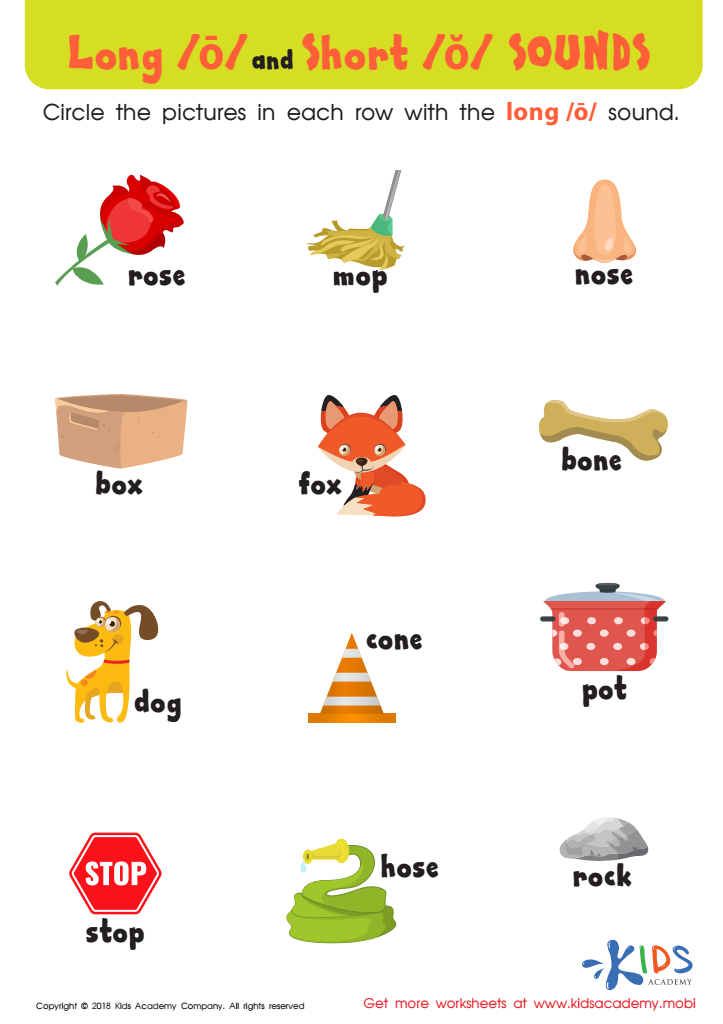
Reading: Long O and Short O Sounds Worksheet
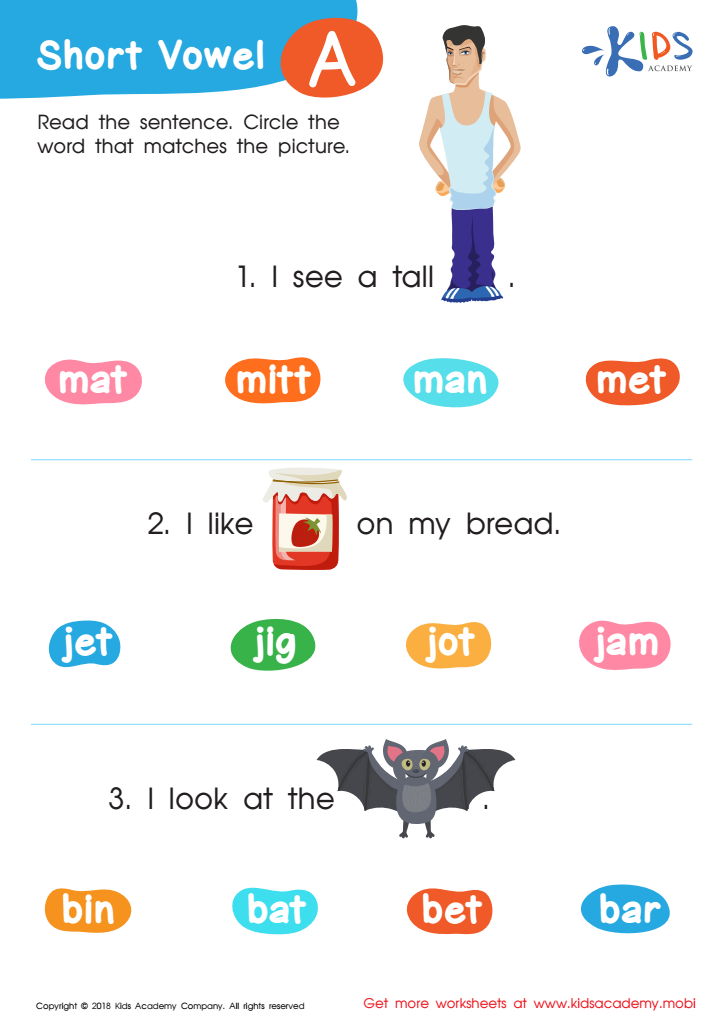
Short Vowel /a/ Worksheet

Short Vowels /e/, /i/, and /u/ Worksheet
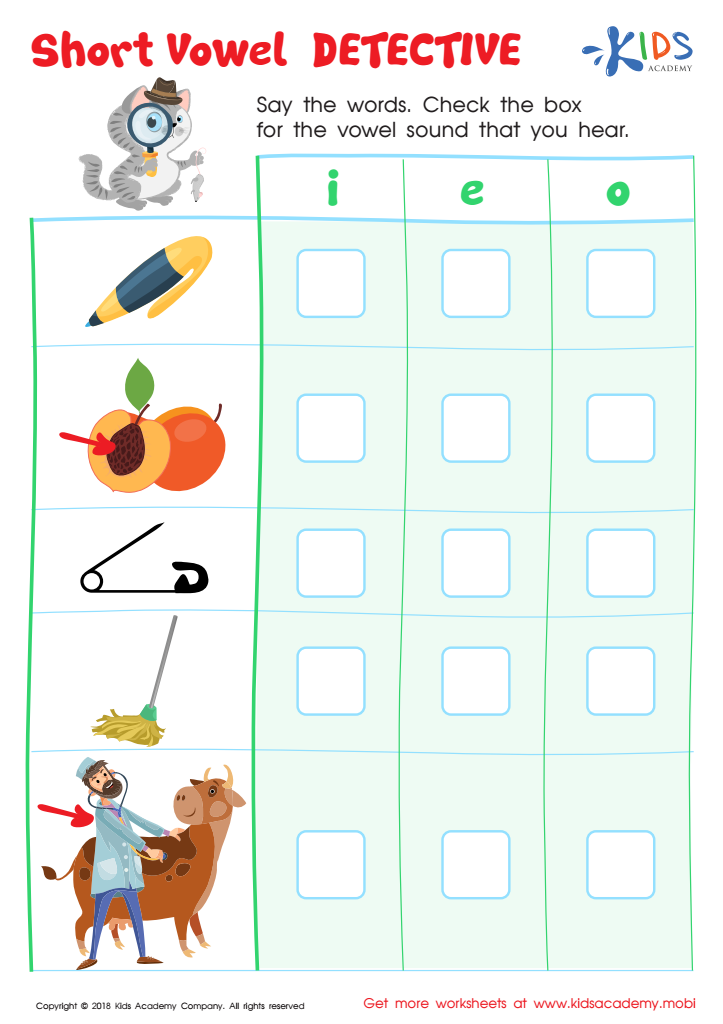
Short Vowel Detective Worksheet
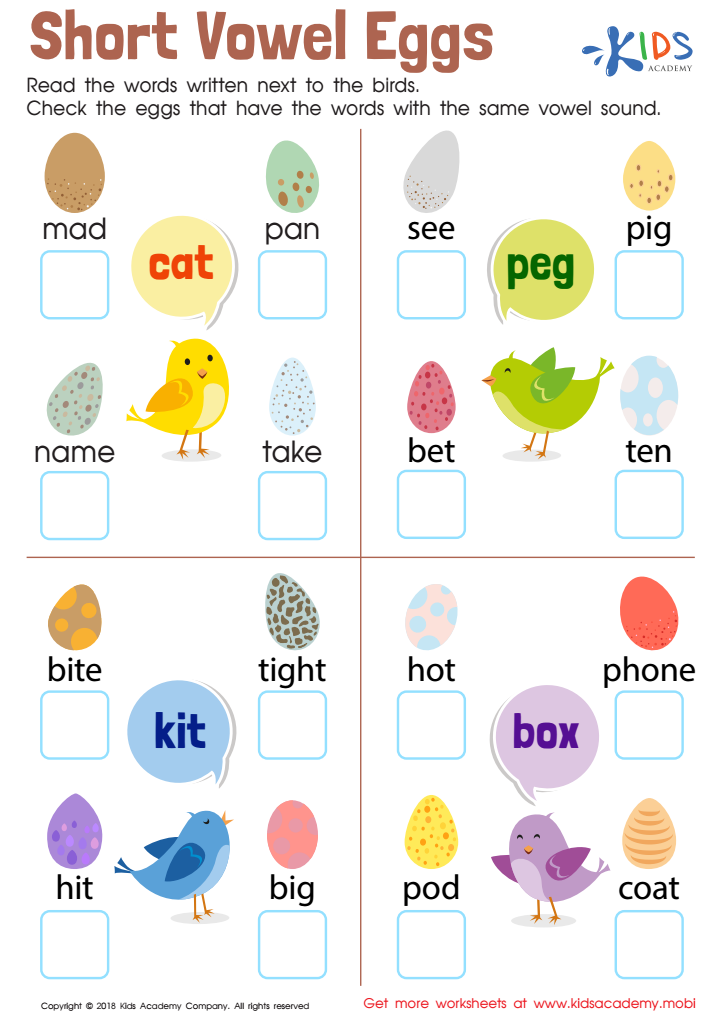
Short Vowel Eggs Worksheet

Long and Short U Worksheet
 Assign to My Students
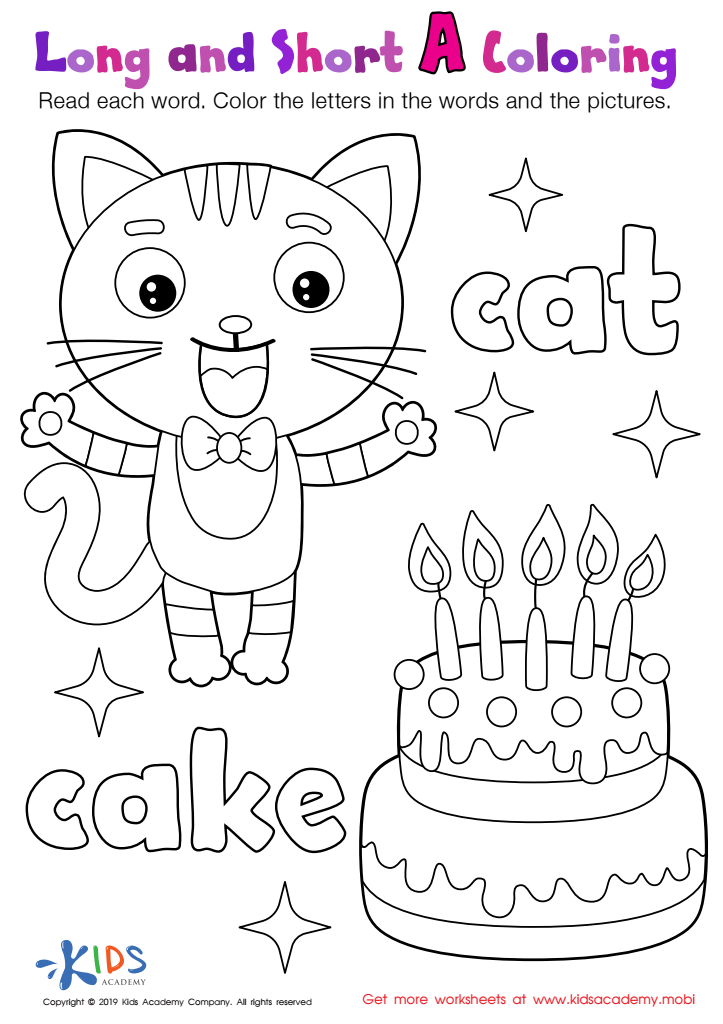
Long and Short A Worksheet
Assign to My Students
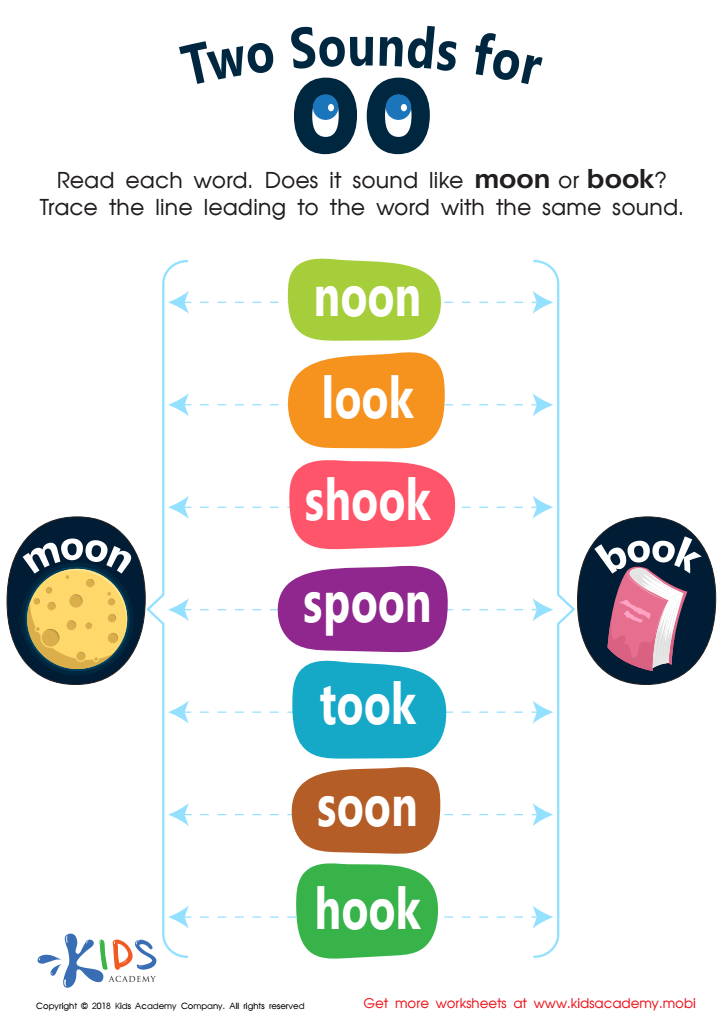
Two Sounds for OO Worksheet
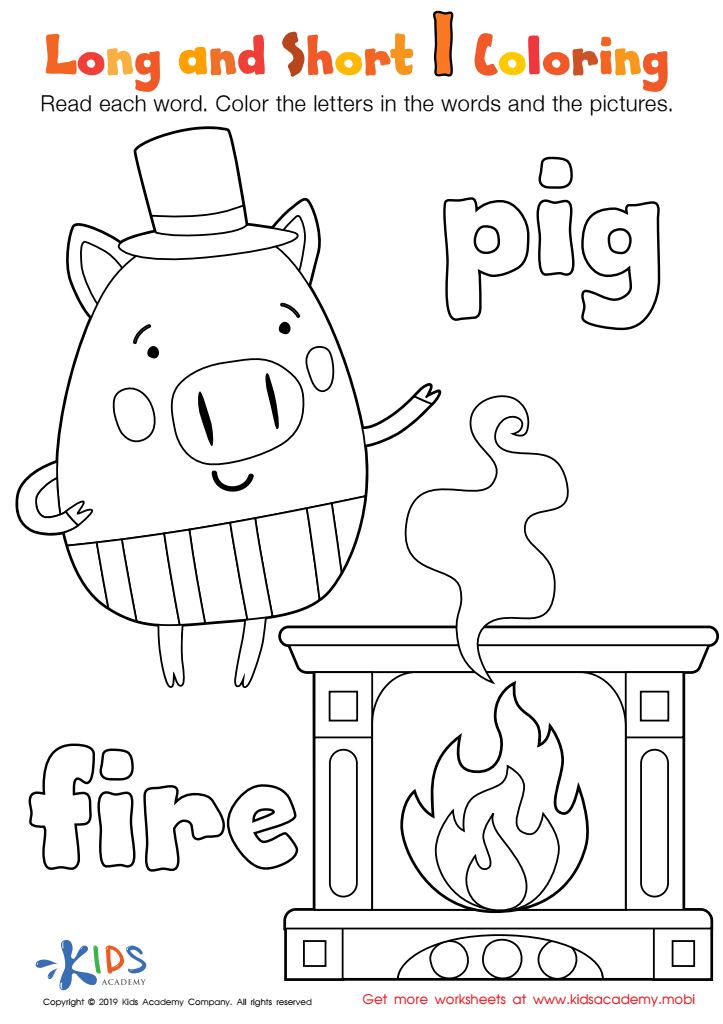
Long and Short I Worksheet
Assign to My Students
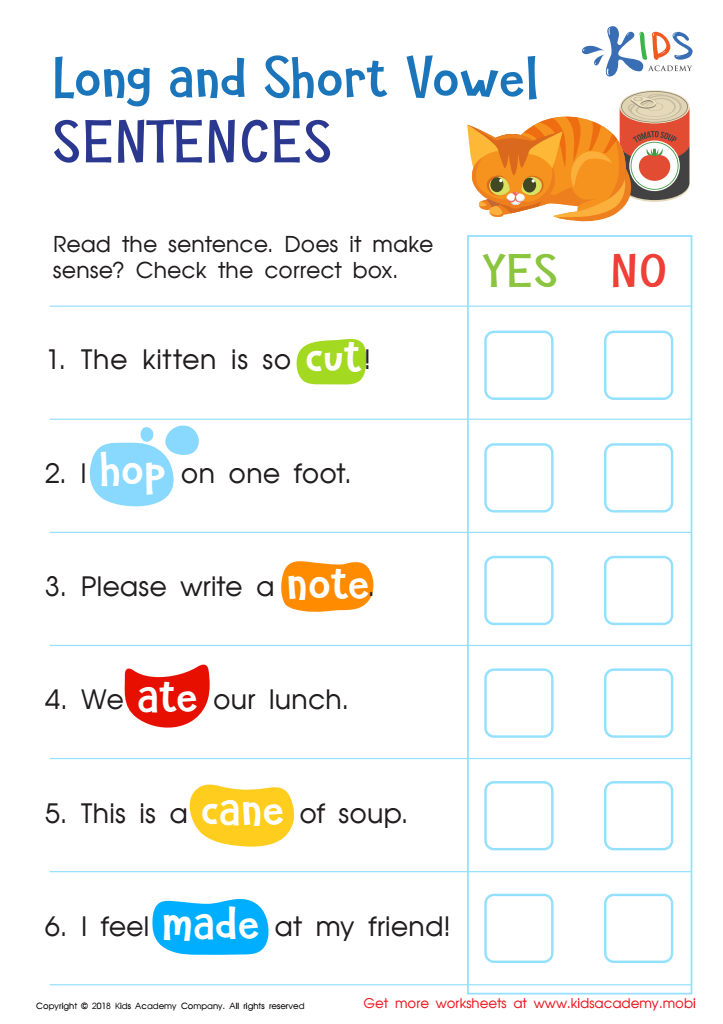
Long and Short Vowel Sentences: Assessment Worksheet
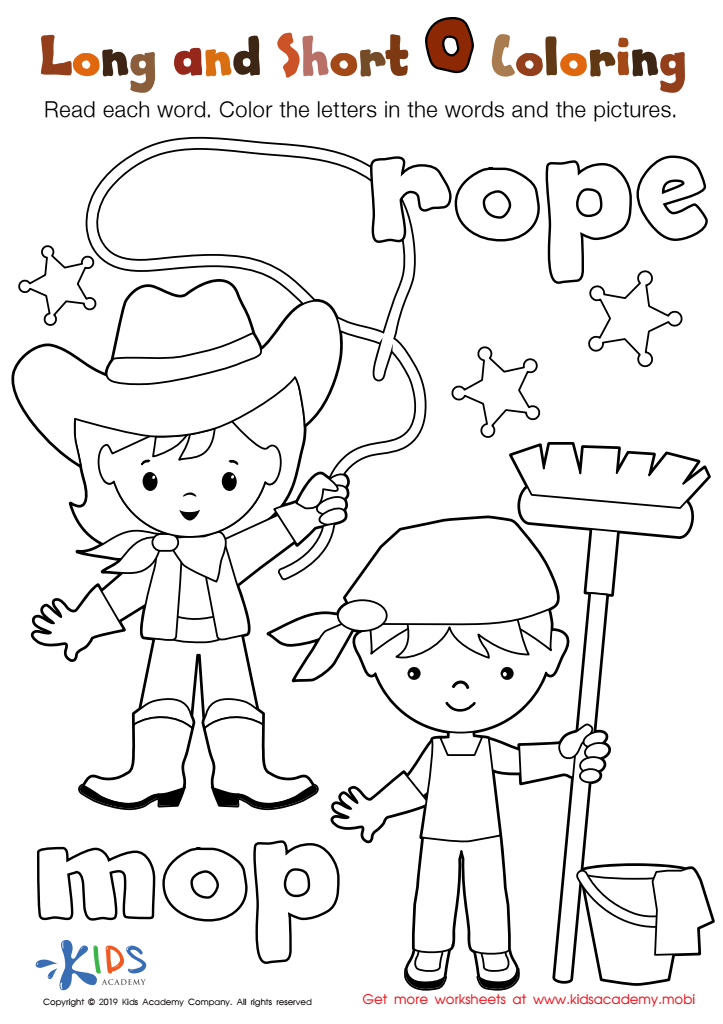
Long and Short O Worksheet
Assign to My Students
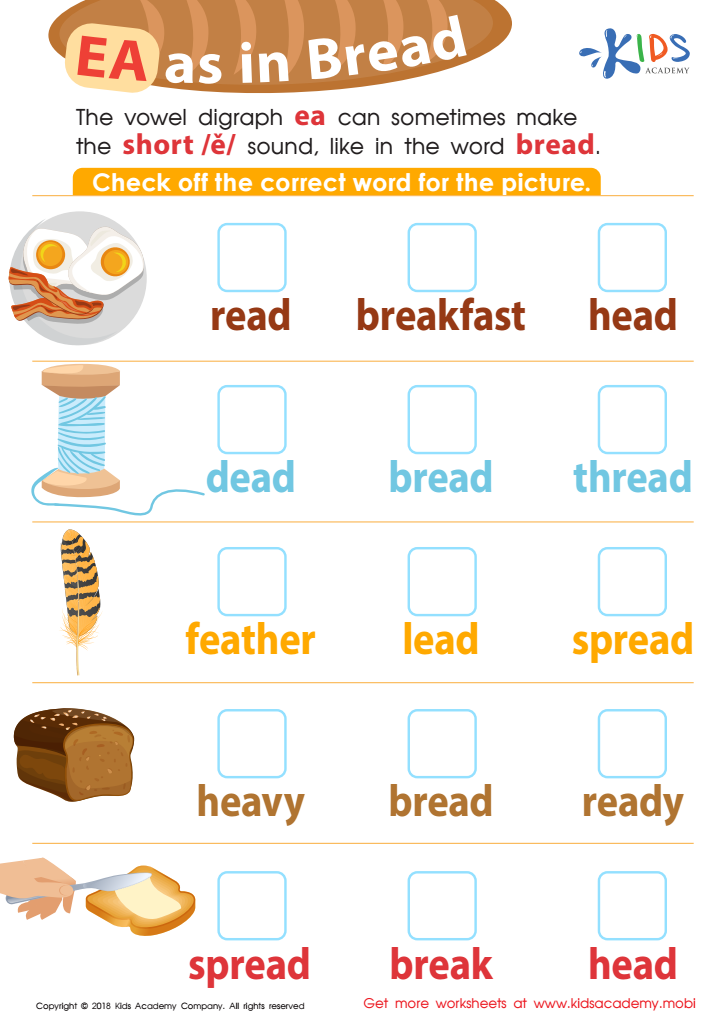
Reading: EA as in Bread Worksheet
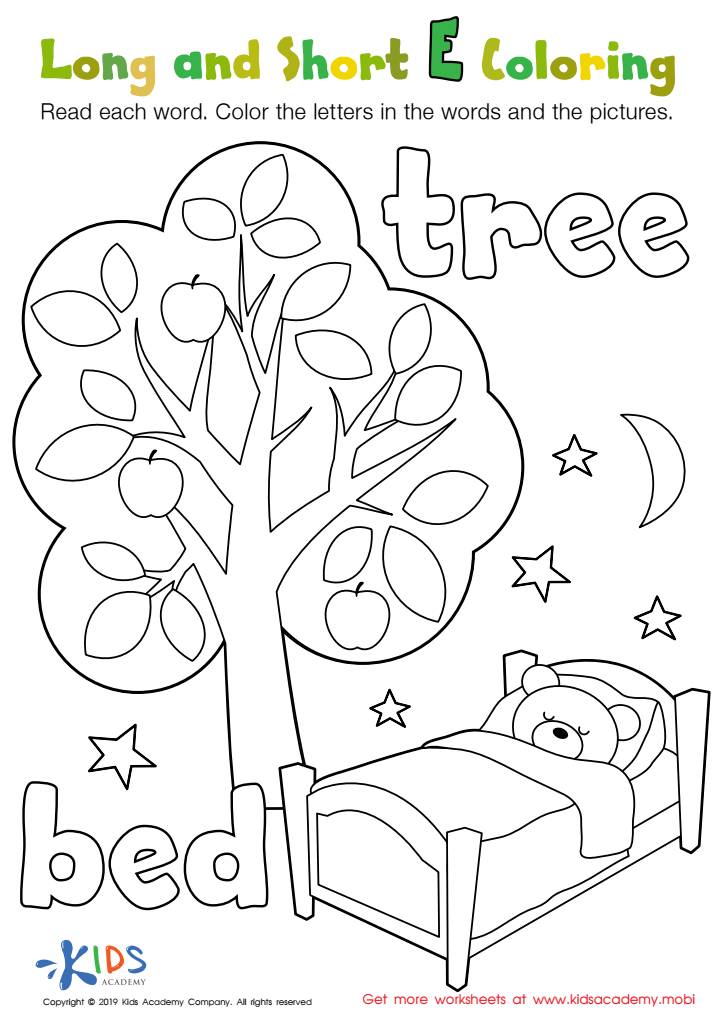
Long and Short E Worksheet
Assign to My Students



Caring about Normal Short Vowels for children aged 7-9 is crucial for both parents and teachers as it forms the foundational step in reading and writing proficiency. At this age, kids are in a critical period for language development. Short vowels like a, e, i, o, u often appear in simple words that are ubiquitous in both spoken and written English. Mastery of these vowels enables children to decode words and improve their phonemic awareness.
When children grasp the concept of short vowels, their ability to read fluently improves substantially. They become more confident readers, capable of tackling new words they encounter. This fluent reading is essential not just for language arts, but across all subjects, as it enhances their overall academic performance.
Furthermore, a solid understanding of short vowels aids in their spelling skills. Children learn to construct words correctly, which boosts their writing abilities and ensures effective communication.
Parents and teachers who emphasize the importance of short vowels also foster a love for reading. When children find reading and writing less frustrating and more enjoyable, they are more likely to engage with literature on their own, fostering a lifelong love for learning.
In essence, prioritizing short vowel education develops foundational literacy skills, setting children up for academic success and enriching their educational experiences.








