Normal Tracing Letters Worksheets for Ages 7-9
19 filtered results
-
From - To
Welcome to our collection of "Normal Tracing Letters Worksheets for Ages 7-9"! Perfect for young learners refining their handwriting skills, our worksheets offer engaging tracing activities that reinforce letter recognition and improve fine motor skills. Each worksheet is designed with age-appropriate challenges to ensure balanced learning and fun. Ideal for home or classroom use, these worksheets support consistent practice in mastering both uppercase and lowercase letters. Suitable for early grades, these sheets help in establishing a strong foundation in writing skills. Start exploring our tailored tracing letters worksheets today to give your child a head start in developing impeccable handwriting!
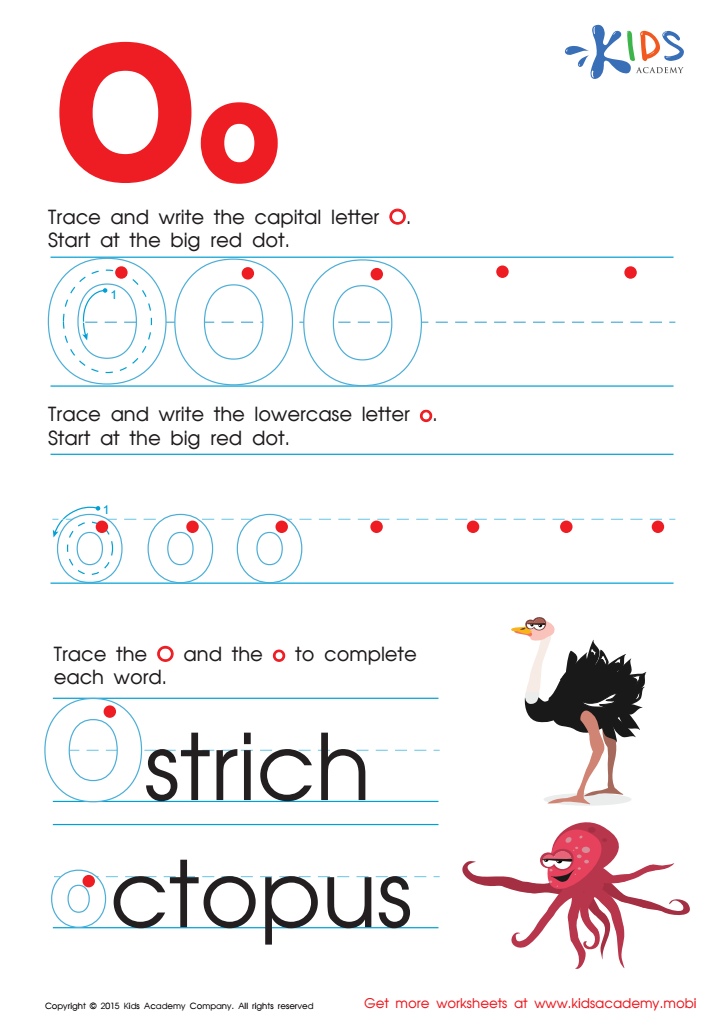
Letter O Tracing Page
 Assign to My Students

Letter P Tracing Page
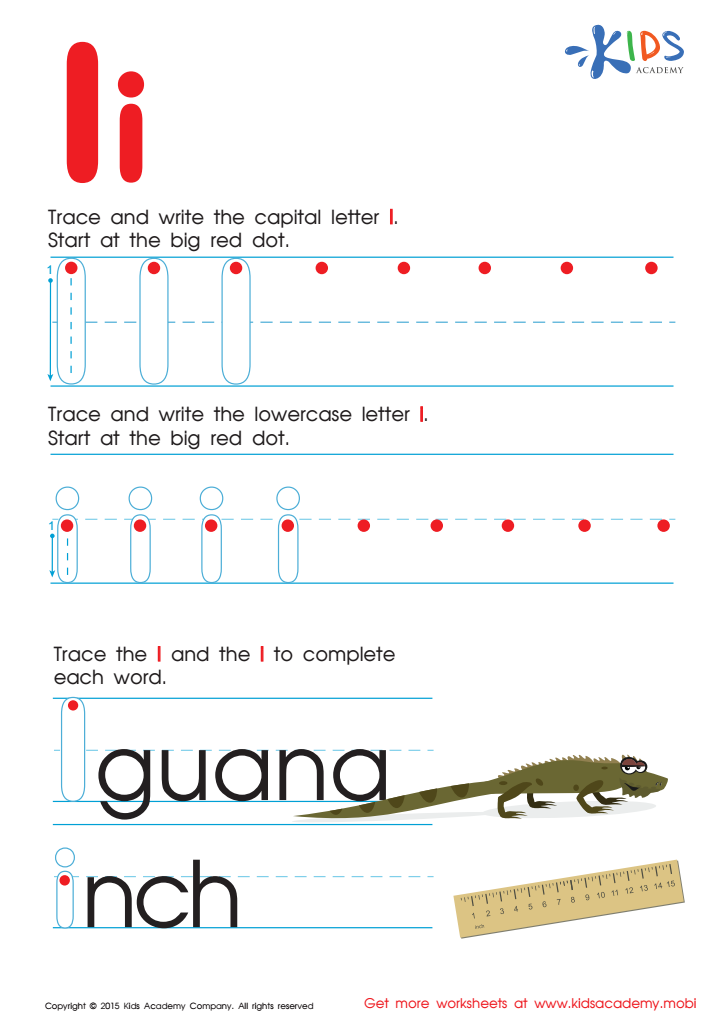
Letter I Tracing Page
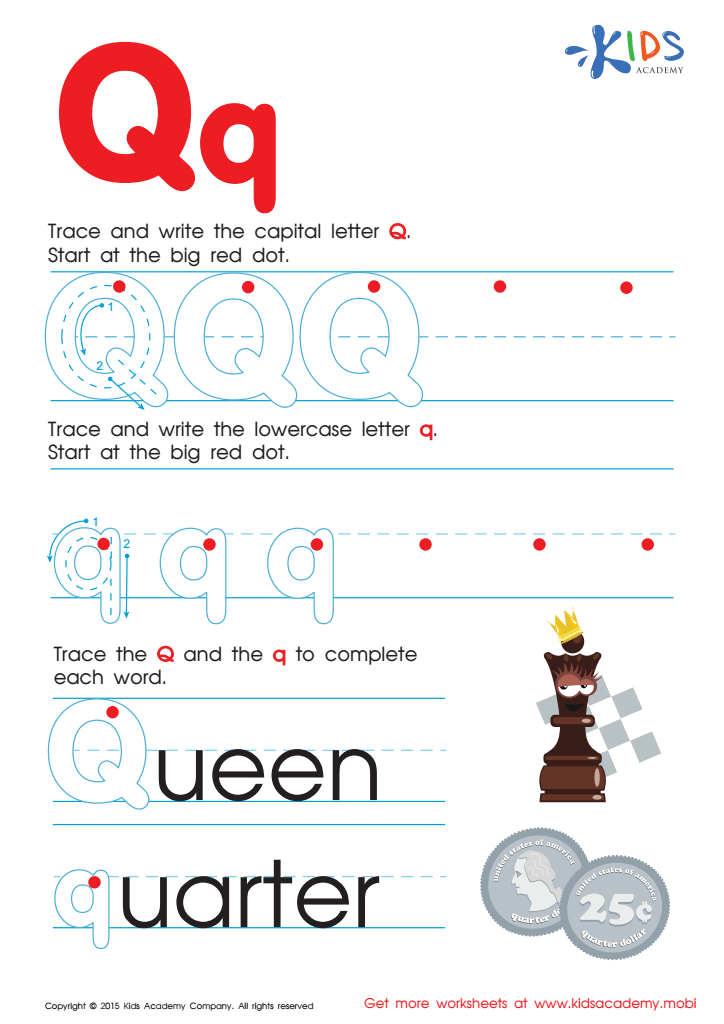
Letter Q Tracing Page

Letter H Tracing Page

Letter C Tracing Page
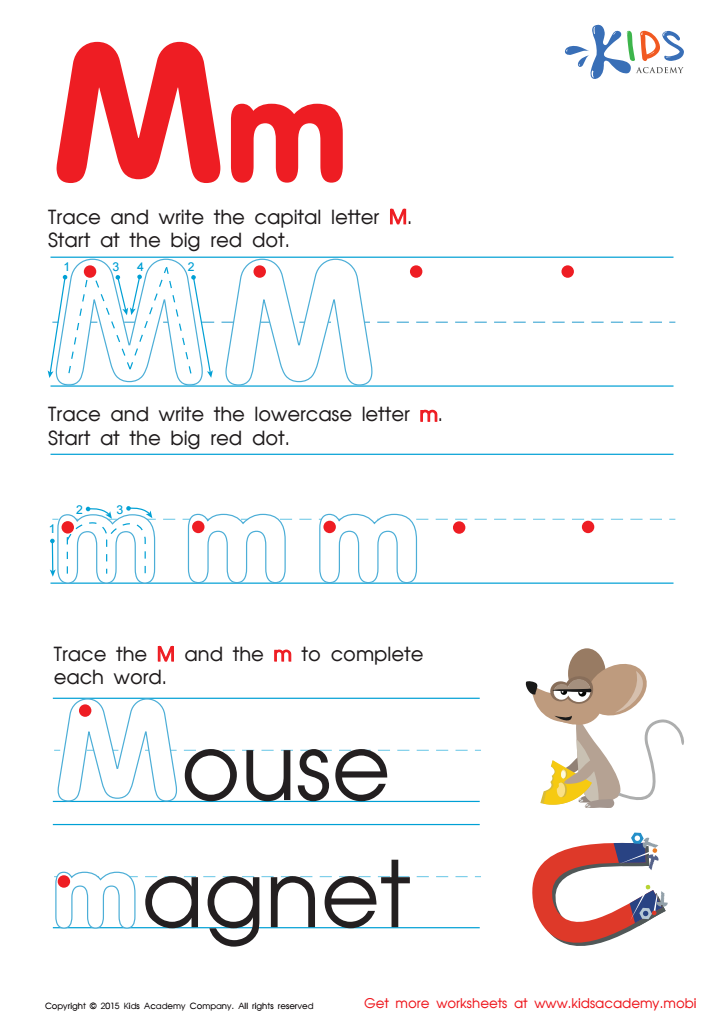
Letter M Tracing Page

Letter G Tracing Page
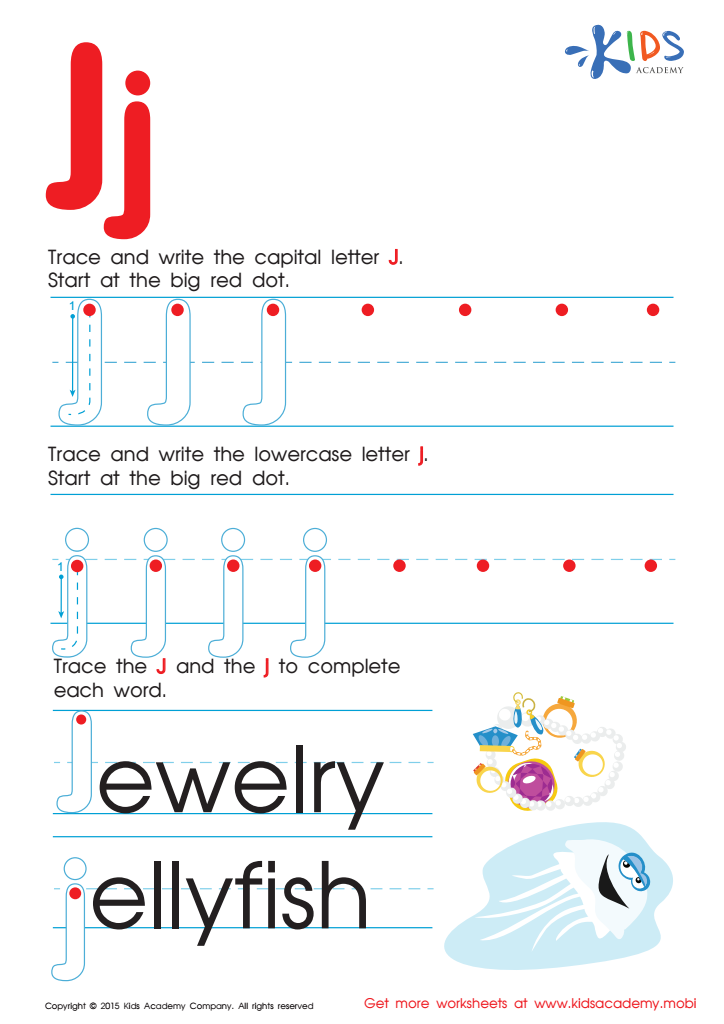
Letter J Tracing Page
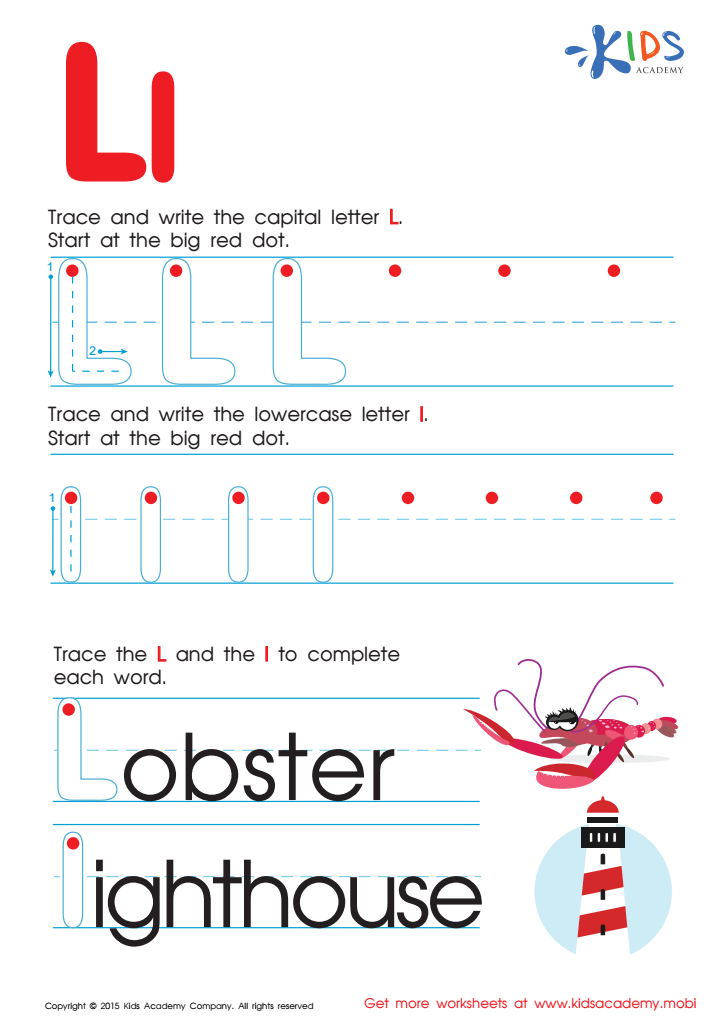
Letter L Tracing Page
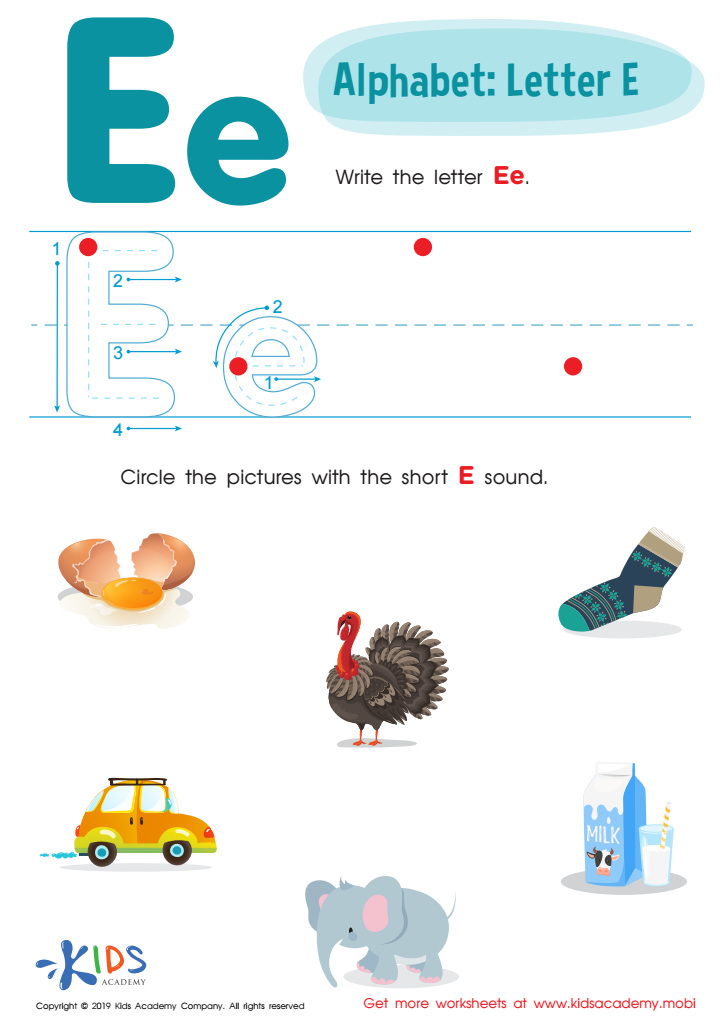
Letter E Tracing Worksheet
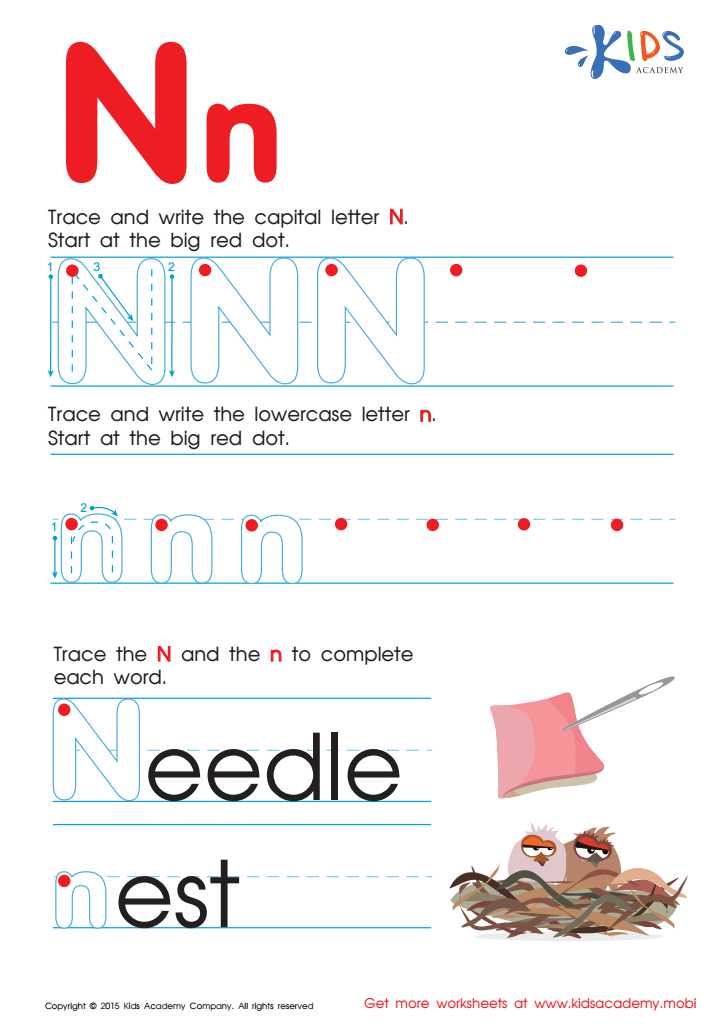
Letter N Tracing Page
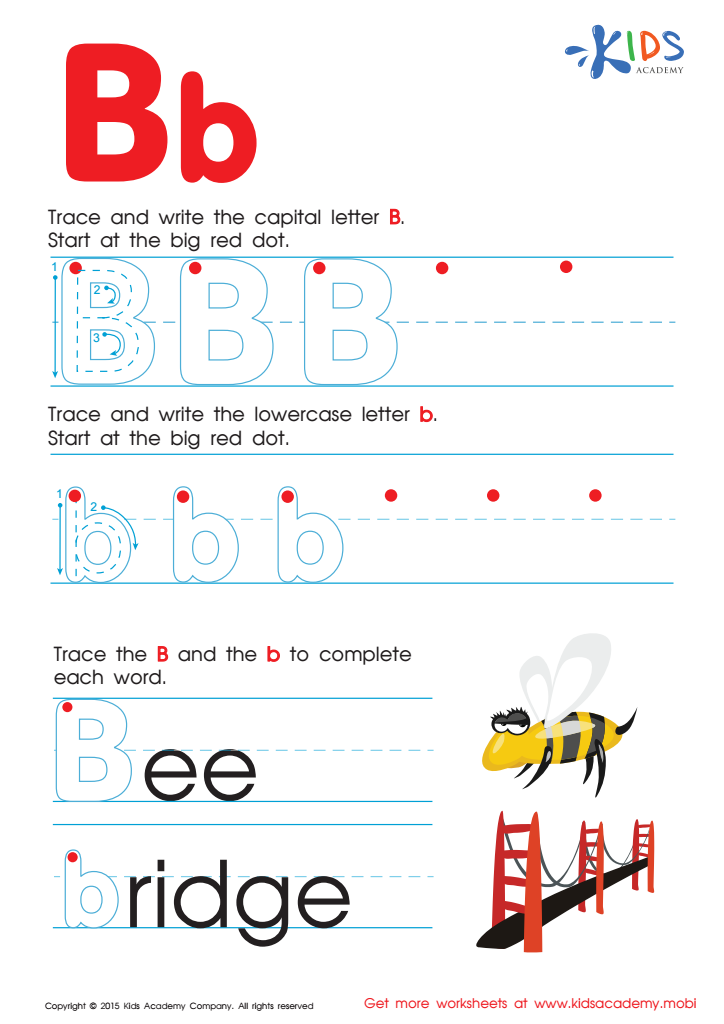
Letter B Tracing Page
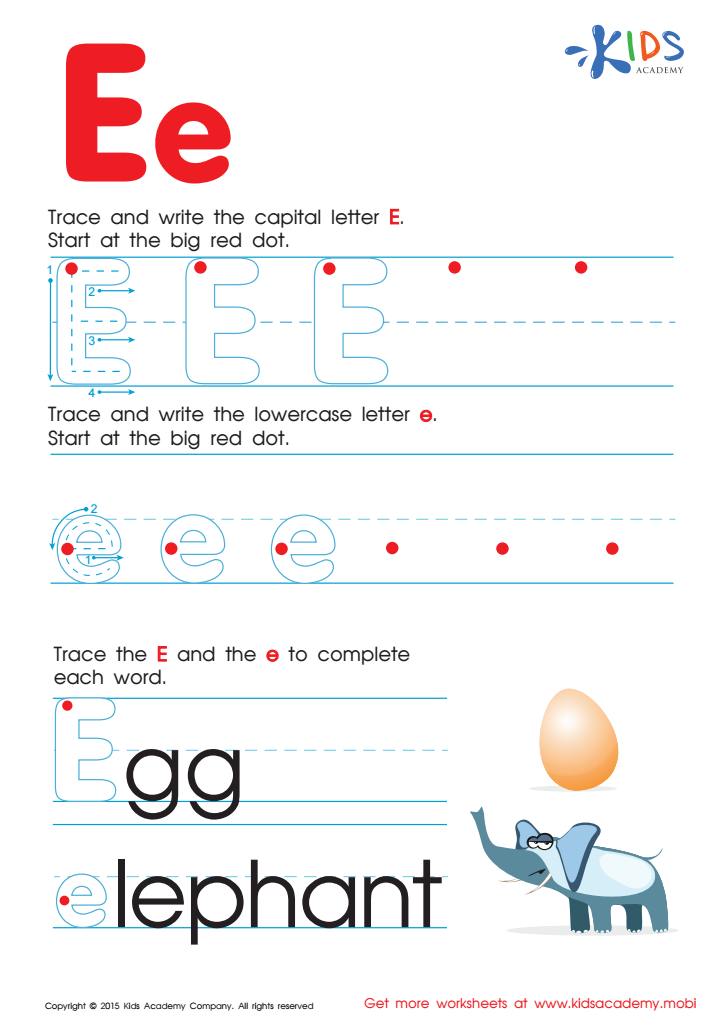
Letter E Tracing Page
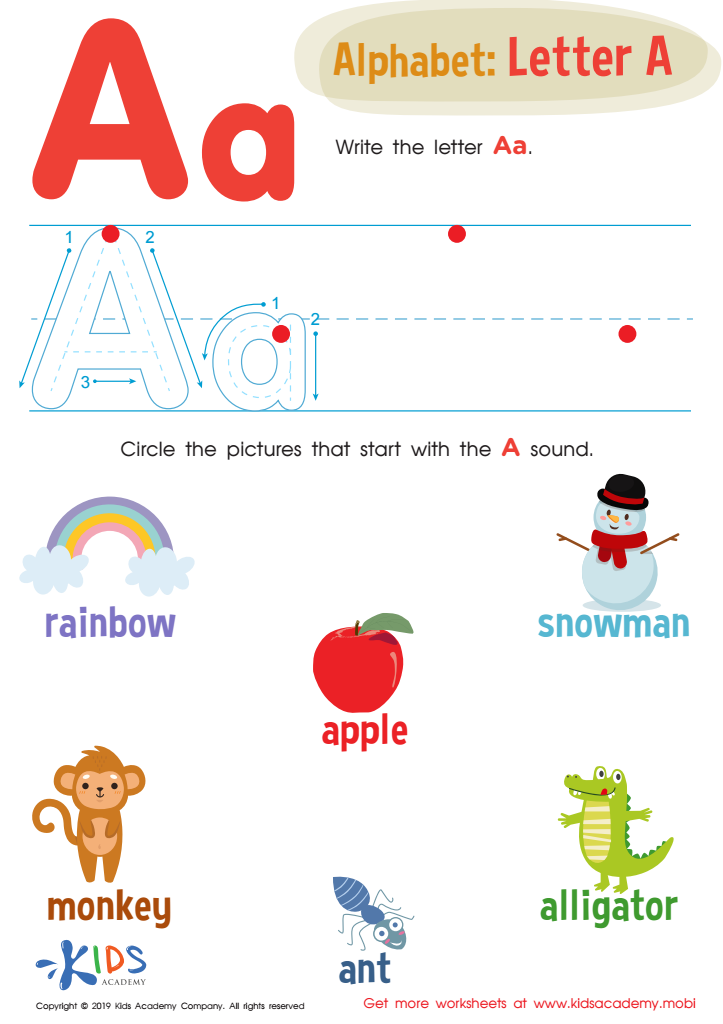
Letter A Tracing Worksheet
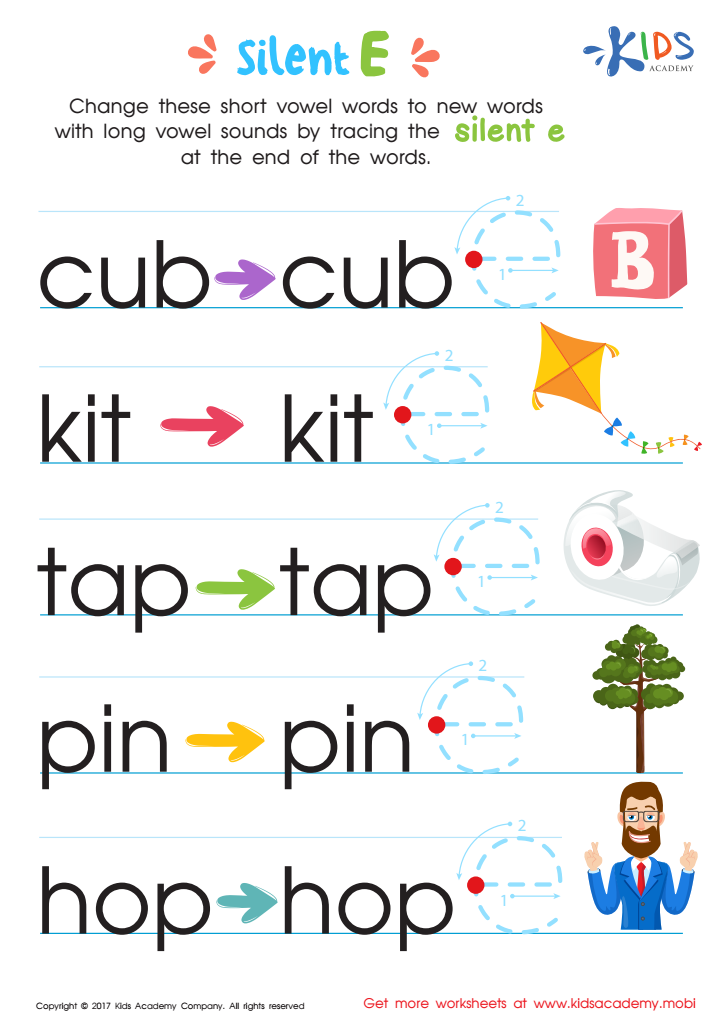
Silent E Words Worksheet
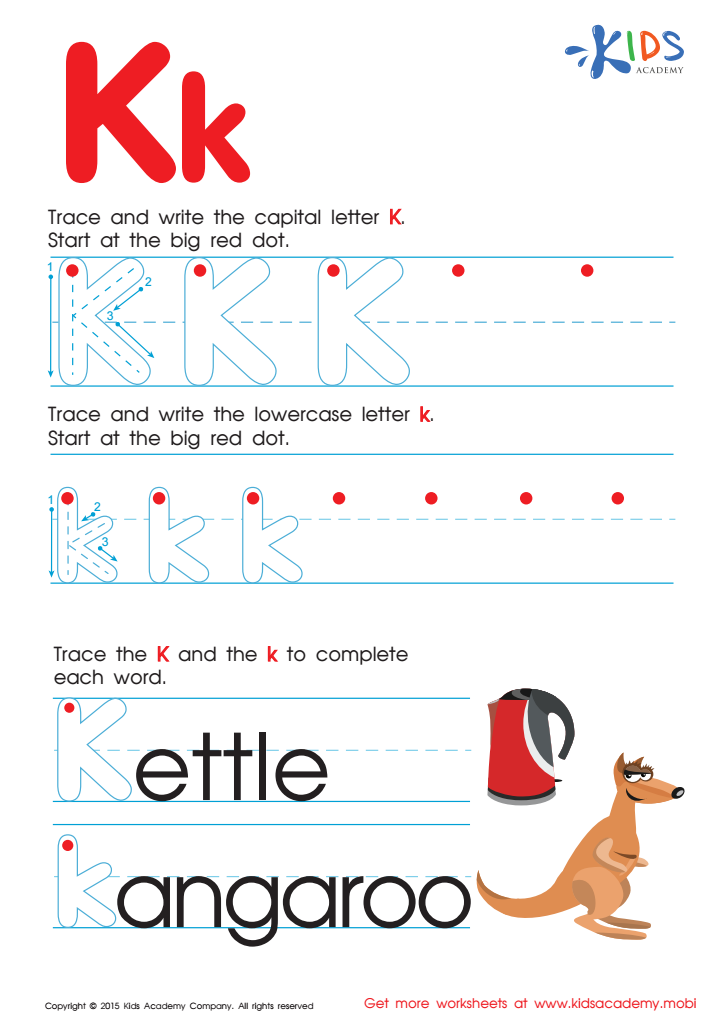
Letter K Tracing Page
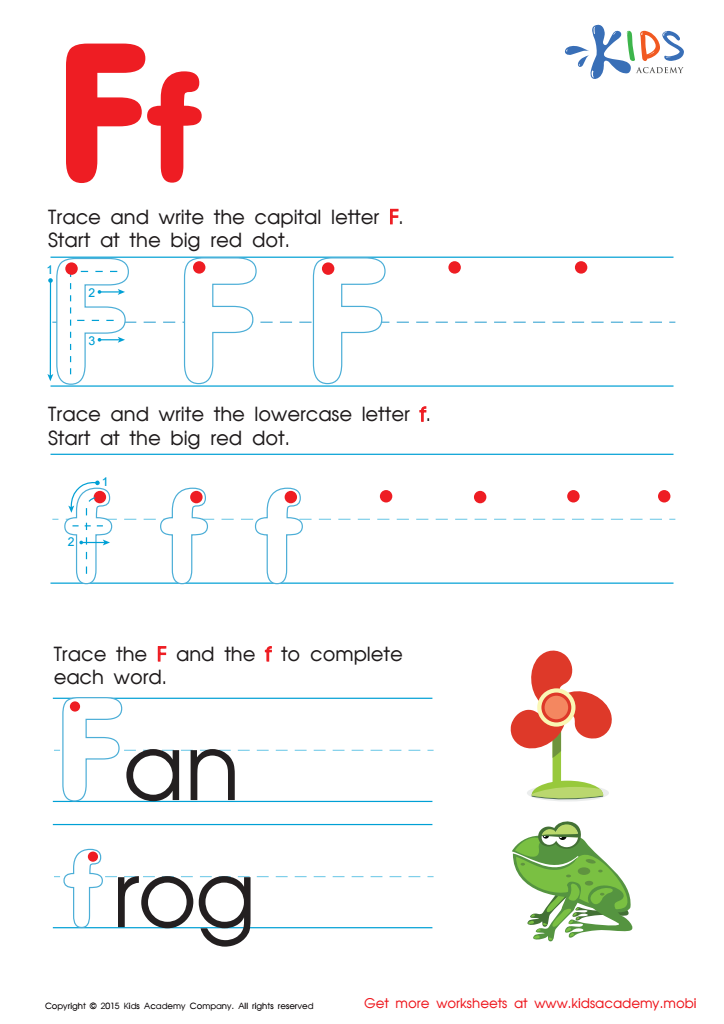
Letter F Tracing Page

Letter D Tracing Page








Parents and teachers should place importance on normal tracing letters for children aged 7-9 due to its multifaceted benefits in early education. At this developmental stage, children are honing their fine motor skills, crucial for writing legibly. Tracing letters helps in strengthening hand-eye coordination and muscle memory, important for writing fluidly and accurately. Furthermore, the practice of tracing reinforces letter recognition, a foundational skill for literacy. This skill aids children in understanding the shapes and forms of letters, promoting quicker and more confident reading and writing.
Engaging in tracing activities also supports cognitive development by requiring focus and attention to detail. It enhances memory retention as kids repeatedly follow the outlined shapes. Tracing letters can also instill a sense of achievement and build confidence as children master the shapes of each letter. In addition, it provides an organized and clear structure, especially beneficial for those who might struggle with freehand writing.
Overall, normal tracing letters set the groundwork for subsequent academic skills, making it an essential component in early childhood education. Encouraging children to engage in these activities bolsters their overall development and ensures they are well-prepared for more advanced literacy challenges in later academic stages.








