Fine Motor Skills Normal Tracing Letters Worksheets for Ages 7-9
13 filtered results
-
From - To
Enhance your child's fine motor skills with our engaging "Fine Motor Skills Normal Tracing Letters Worksheets" designed specifically for ages 7-9. These worksheets combine fun and functionality, allowing kids to practice letter tracing while refining their hand-eye coordination and dexterity. Each worksheet features distinct letter designs that encourage precision, making learning to write easy and enjoyable. Perfect for both classroom use and at-home practice, these resources not only reinforce letter recognition but also promote writing confidence among young learners. Download now to inspire creativity, bolster skills, and set a solid foundation for future writing endeavors!
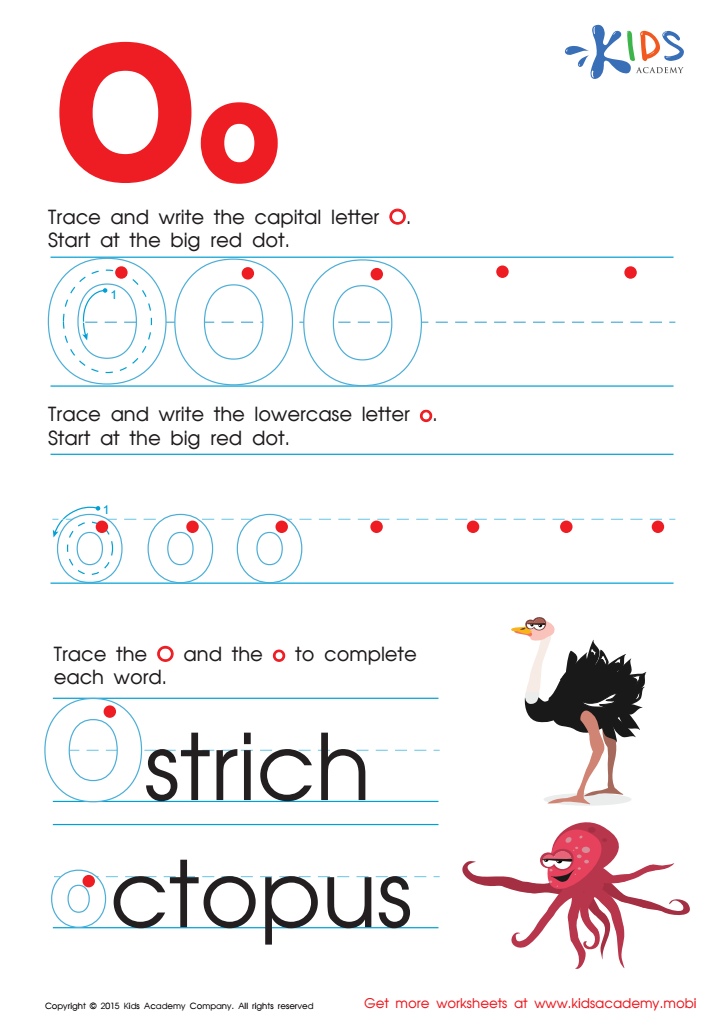
Letter O Tracing Page
 Assign to My Students

Letter P Tracing Page
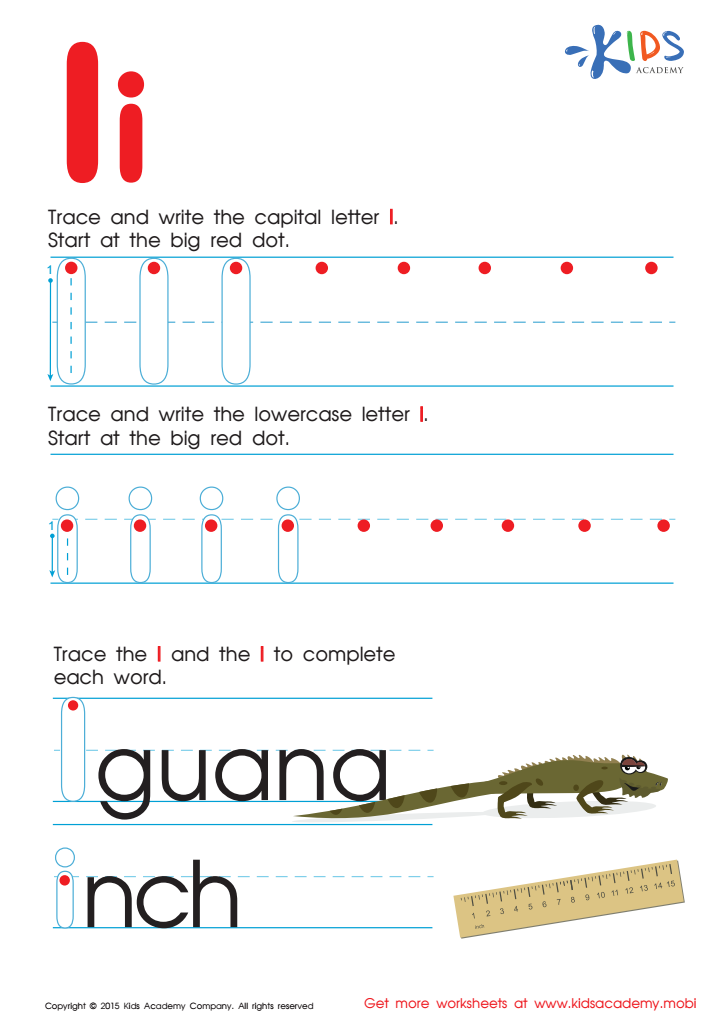
Letter I Tracing Page
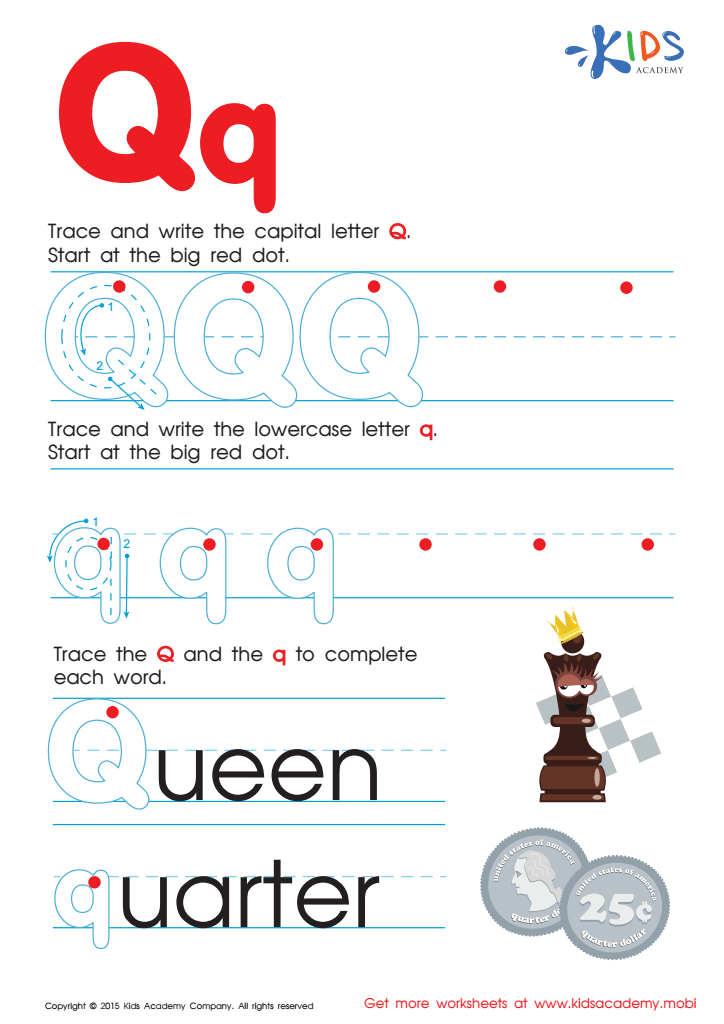
Letter Q Tracing Page

Letter C Tracing Page
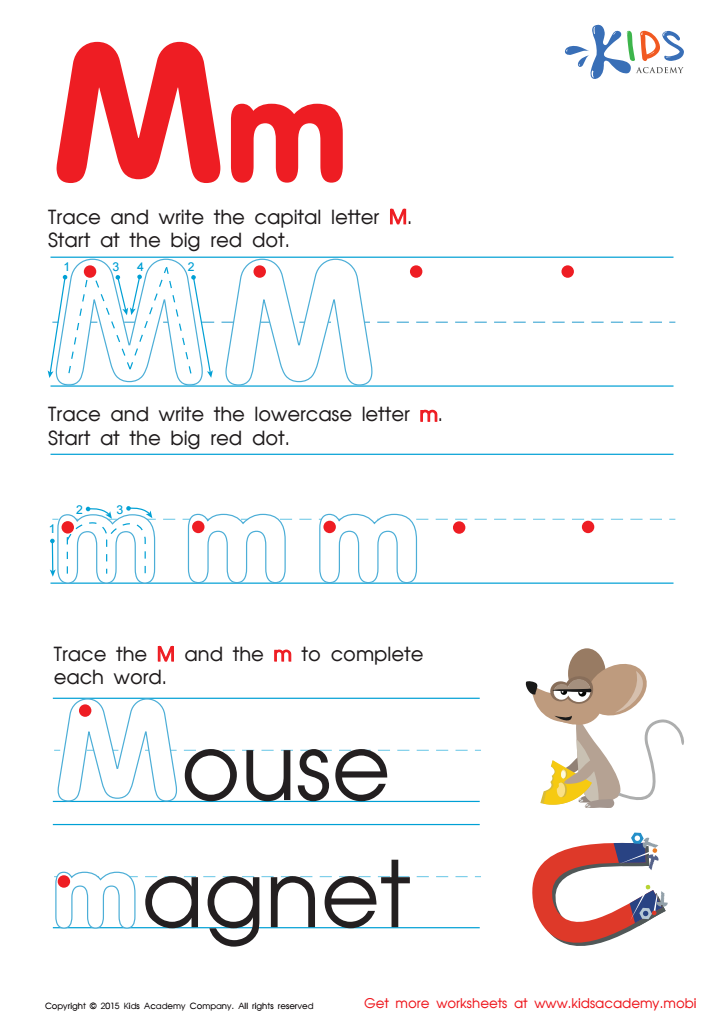
Letter M Tracing Page

Letter G Tracing Page
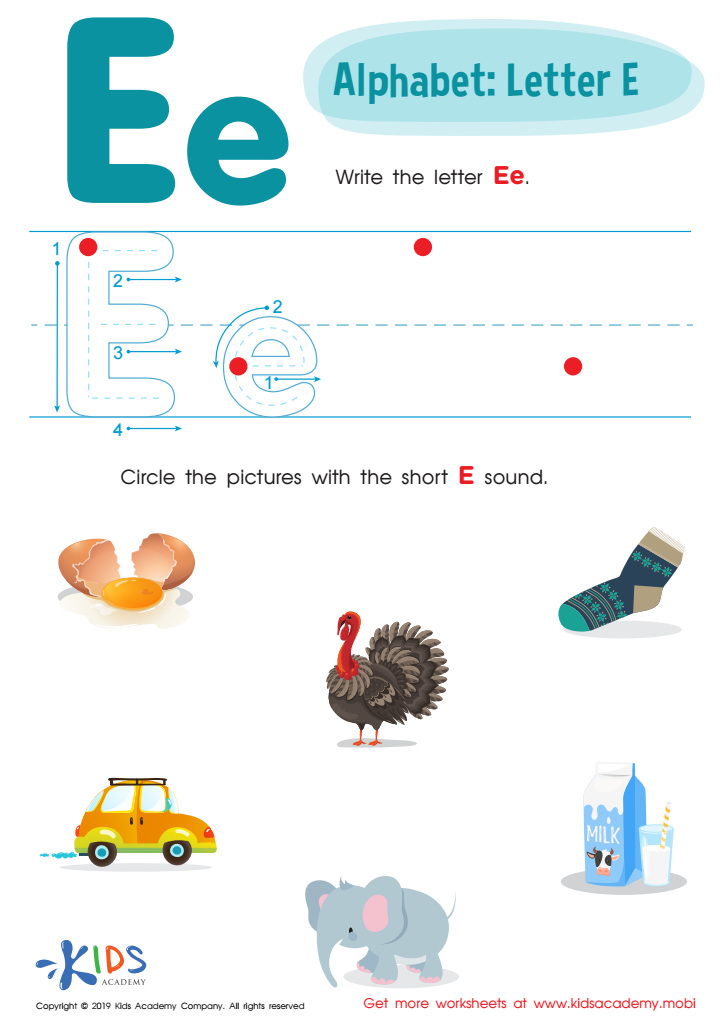
Letter E Tracing Worksheet
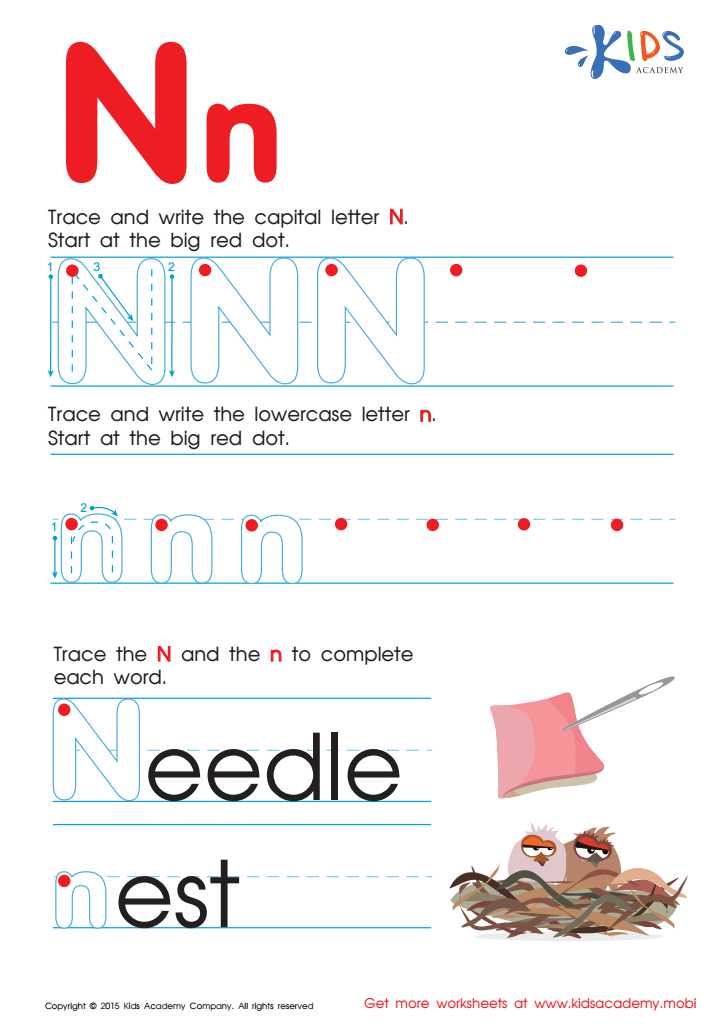
Letter N Tracing Page
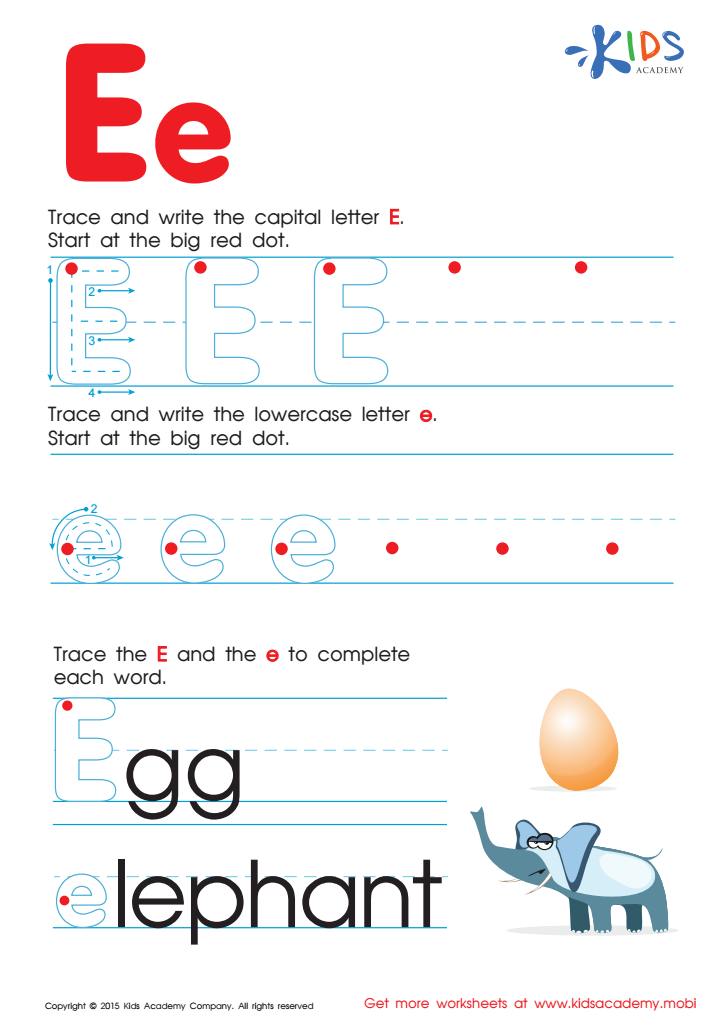
Letter E Tracing Page
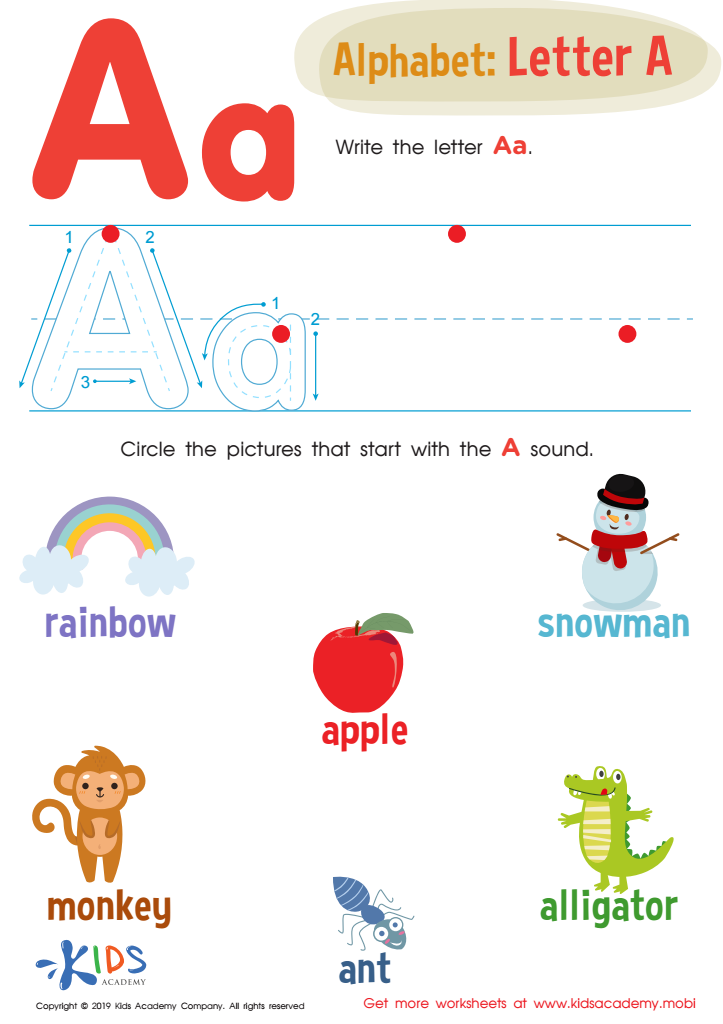
Letter A Tracing Worksheet
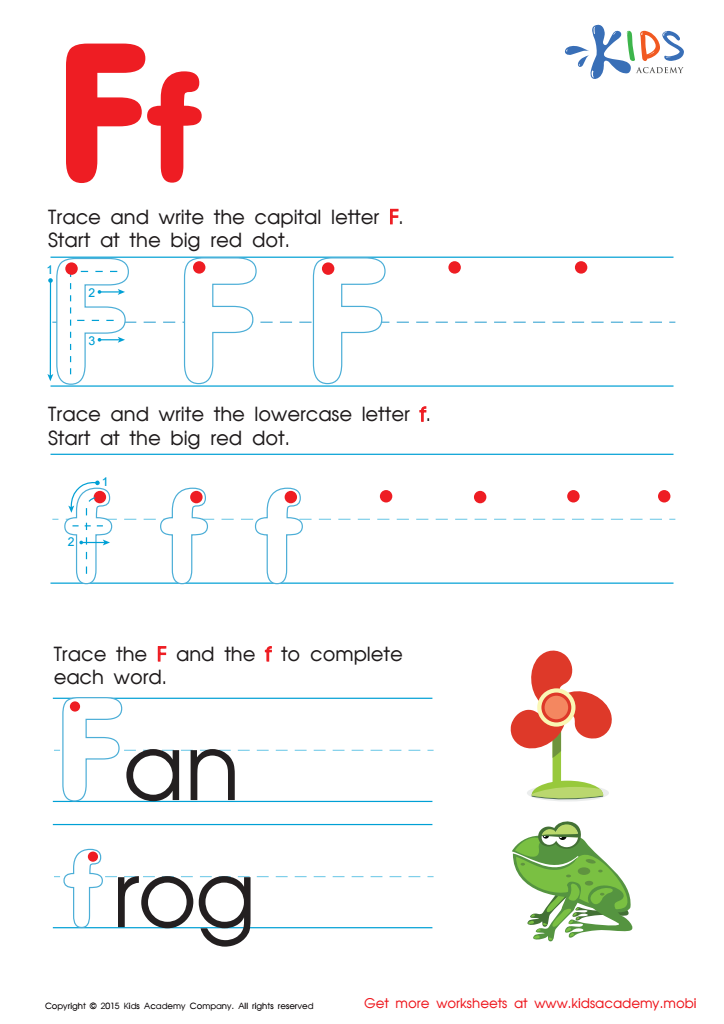
Letter F Tracing Page

Letter D Tracing Page








Fine motor skills play a crucial role in a child's overall development, particularly when it comes to learning how to write. For children aged 7 to 9, normal tracing of letters enhances precision and control, paving the way for more complex tasks later on. Parents and teachers should care about this developmental milestone because strong fine motor skills contribute to better handwriting, which is essential for academic success.
Tracing letters helps children refine their hand-eye coordination, dexterity, and finger strength, building a foundation for future skills such as drawing, crafting, and even using technology. Moreover, engaging in these activities fosters cognitive development, as children decode letters and symbols, reinforcing their understanding of language and literacy.
Additionally, the process of tracing can be a calming and enjoyable activity, creating a positive association with writing that boosts confidence. Improved fine motor skills also assist in reducing frustration during classwork, allowing children to focus on creativity and expression rather than struggling with motor tasks.
Ultimately, fostering fine motor skills through tracing letters equips children with practical tools needed for academic and personal growth, ensuring they are well-prepared for the increasingly demanding tasks they will encounter in later years.








