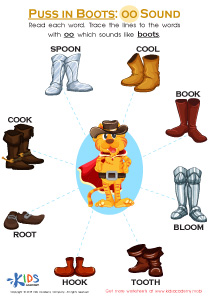
Phonics Skills Normal Vowel Blends Worksheets for Ages 7-9
5 filtered results
-
From - To
Discover our engaging Phonics Skills Normal Vowel Blends Worksheets, specially designed for children ages 7-9! These meticulous worksheets aim to enhance reading and phonics proficiency through fun and interactive exercises. Kids will explore various vowel blend combinations, improving their decoding skills and boosting their confidence in reading. Each worksheet is crafted to align with educational standards, integrating play into learning, featuring colorful images and creative activities that capture students' attention. Perfect for both classroom use and home practice, our resources provide an excellent foundation for young learners to master the important phonic skills that will serve them throughout their educational journey!
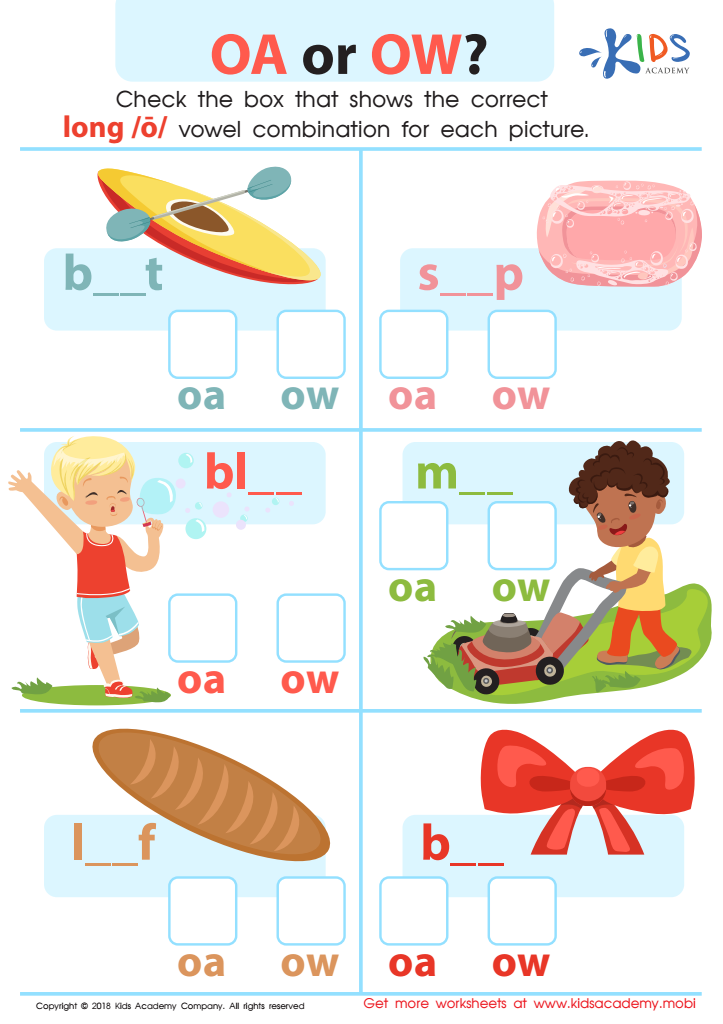
Reading: OA or OW Worksheet
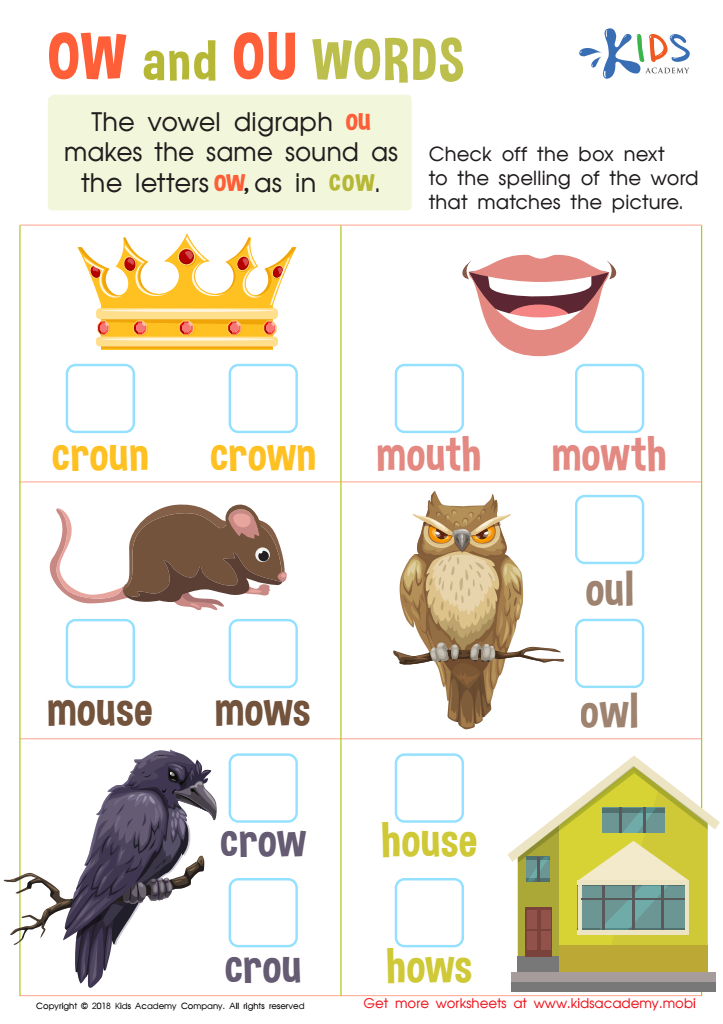
Reading: OW and OU Words Worksheet
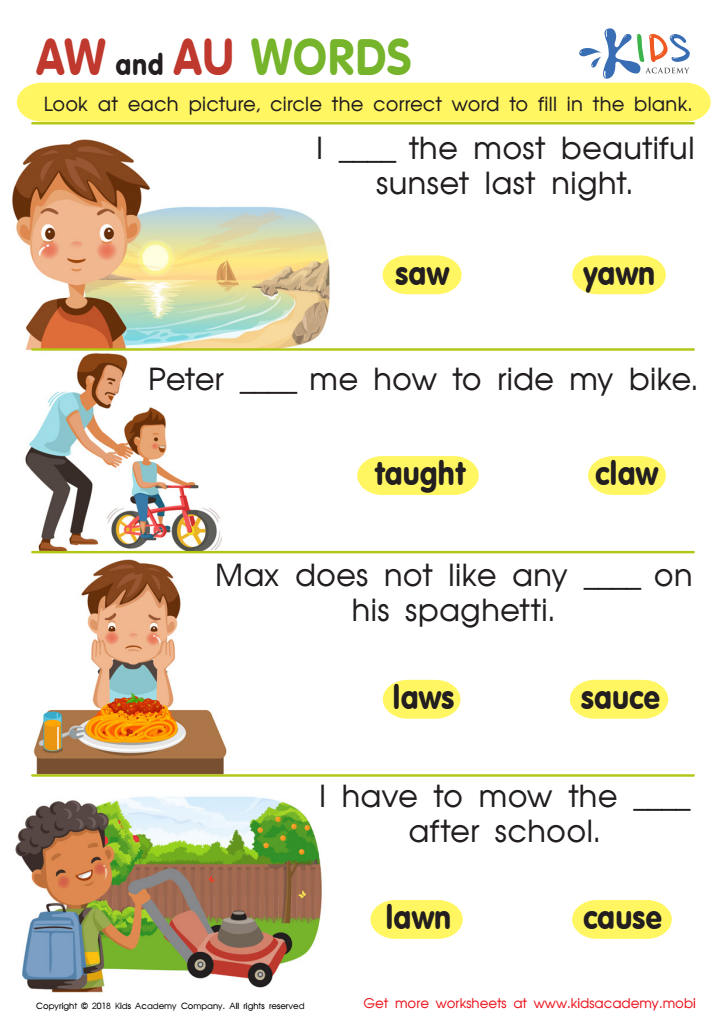
Reading: AW and AU Words Worksheet
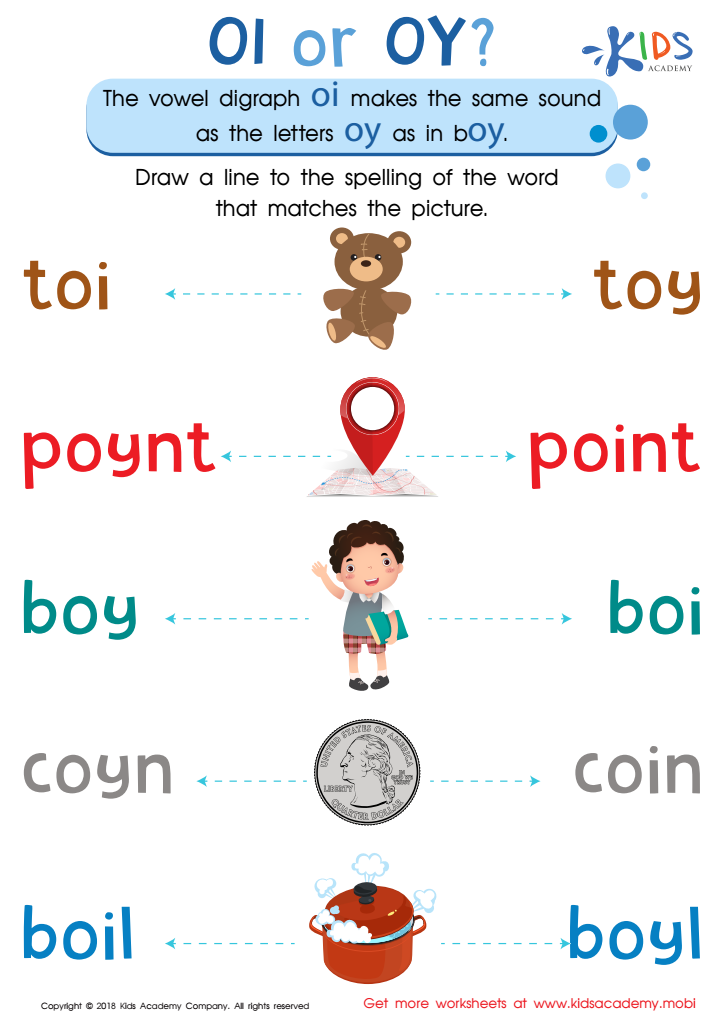
Reading: OI and OY Worksheet

Long and Short E Worksheet
 Assign to My Students





Parents and teachers should prioritize phonics skills, particularly normal vowel blends, for children aged 7-9 as this foundational knowledge significantly enhances reading development. At this age, children transition from learning to read to reading to learn, making phonemic awareness crucial. Understanding vowel blends—such as "ai," "ea," and "ou"—helps children recognize and decode words more efficiently, aiding fluency and comprehension.
Mastering these blends increases children’s confidence in their reading abilities, providing them with the skills needed to tackle more complex texts. Moreover, strong phonics skills support spelling development and writing proficiency, as children become more familiar with how sounds correspond to letters.
Phonics also plays a key role in fostering a lifelong love of reading. When children can decode words effortlessly, they are more likely to engage with texts, explore various genres, and enhance their vocabulary. This engagement is accompanied by improved critical thinking skills and enhanced cognitive development.
By emphasizing normal vowel blends, parents and teachers can provide children with the tools they need to succeed academically. Investing time and resources in phonics education today ensures children build a robust literacy foundation, setting them up for future success in education and beyond.