Word Recognition Normal Vowels Worksheets for Ages 7-9
5 filtered results
-
From - To
Unlock the power of reading with our Word Recognition Normal Vowels Worksheets designed for ages 7-9! Tailored to support your child’s learning journey, these worksheets enhance phonics skills by focusing on common vowel sounds. With engaging activities and age-appropriate content, children will strengthen their ability to recognize and read words through practice with normal vowels. Perfect for both classroom and home learning, these worksheets make mastering vowels fun and effective, setting a solid foundation for future reading success. Boost your child's confidence and literacy skills today with our carefully crafted educational resources!
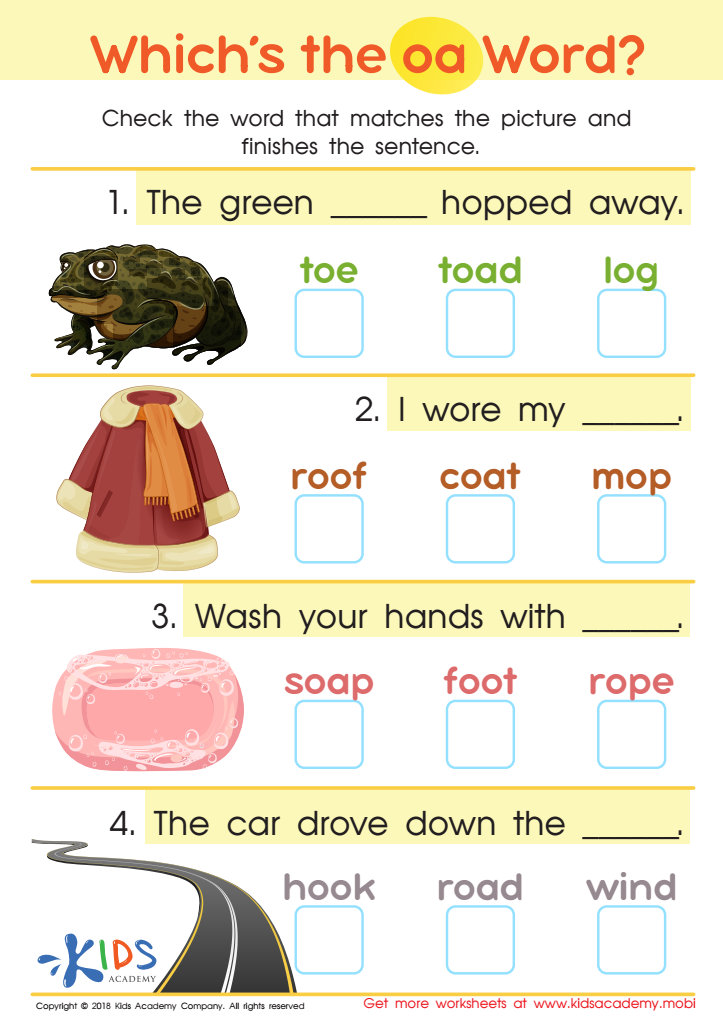
Which's the OA Word? Worksheet
 Assign to My Students
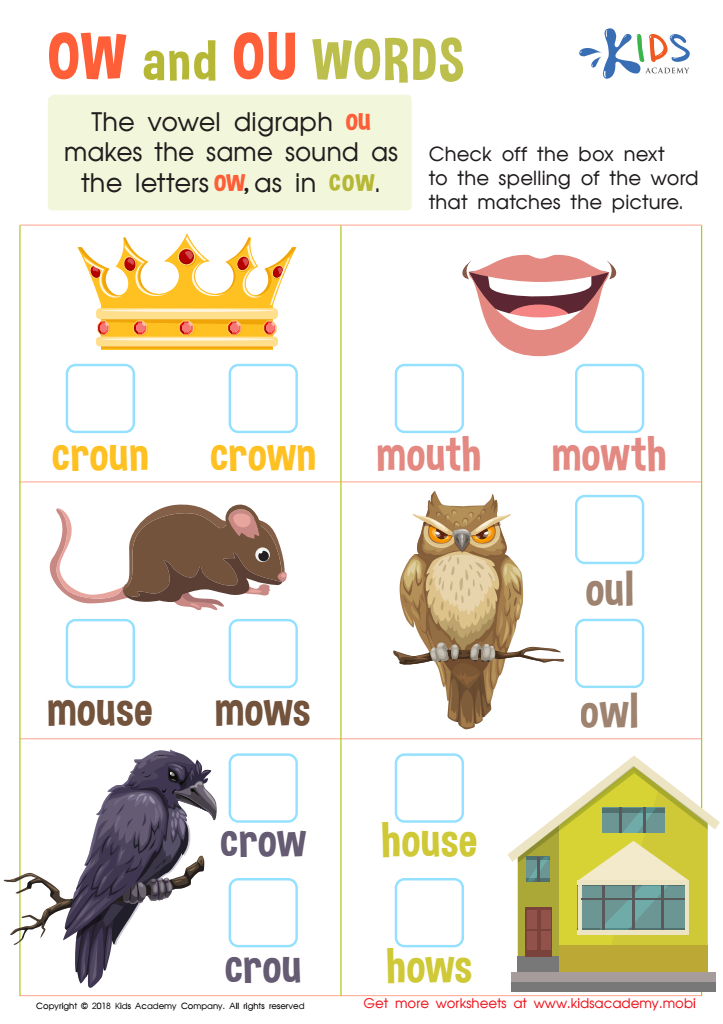
Reading: OW and OU Words Worksheet
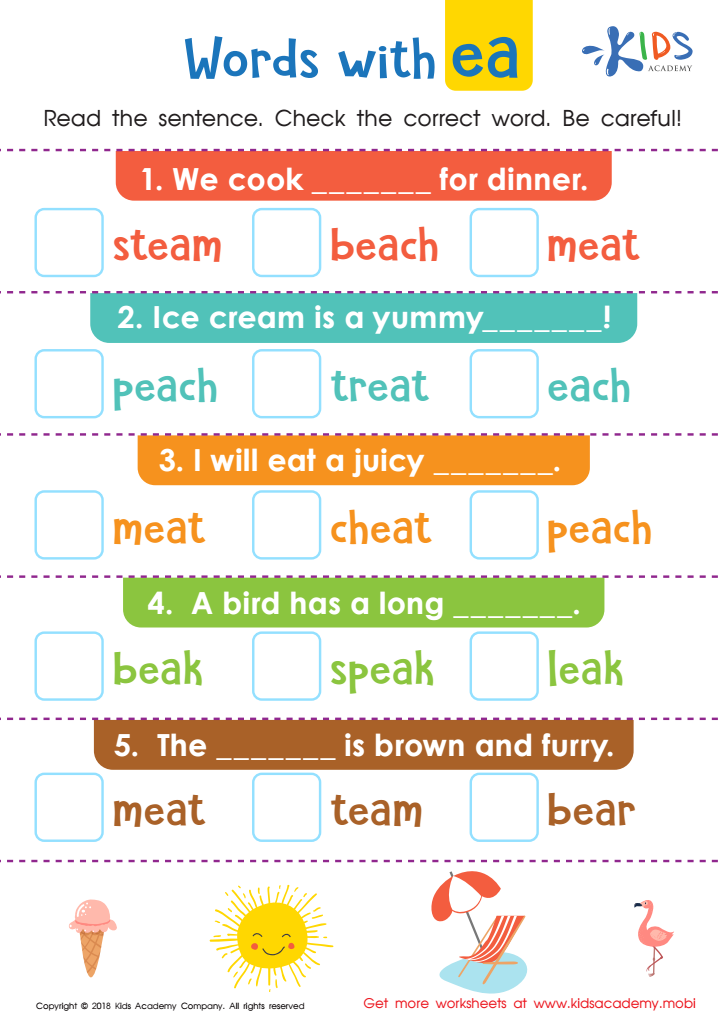
Words with ea Worksheet
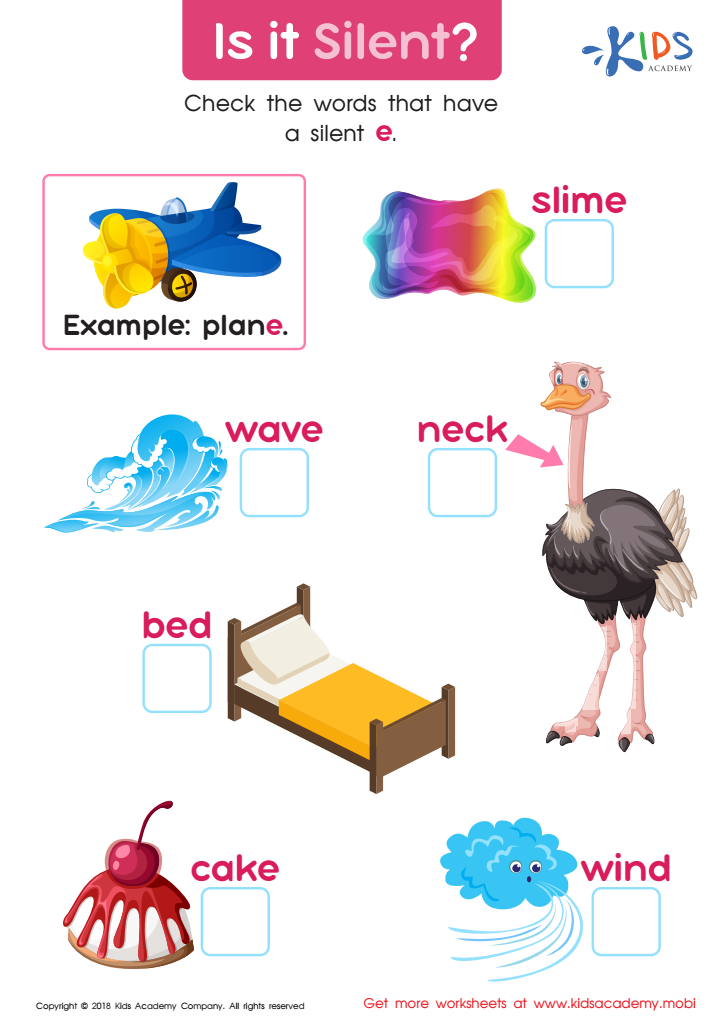
Is It Silent? Worksheet
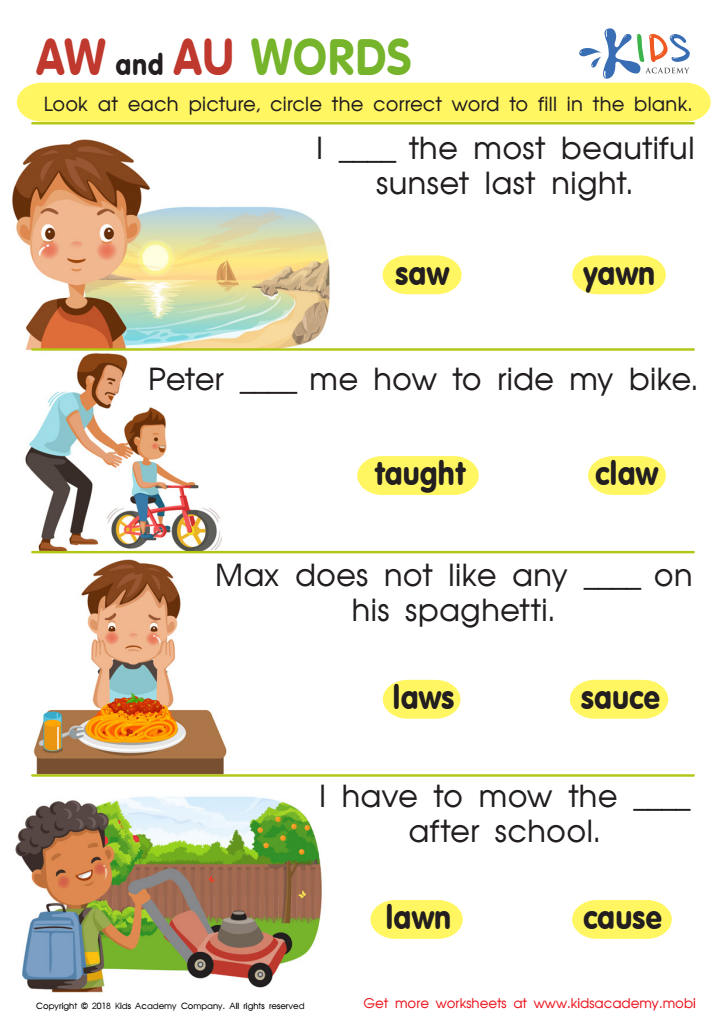
Reading: AW and AU Words Worksheet





Word recognition with normal vowels is a cornerstone of early literacy for children aged 7-9, a developmental stage where reading skills are rapidly evolving. At this age, children transition from recognizing words as whole units to decoding individual phonemes and syllables, a process crucial for reading fluently and understanding complex texts.
Understanding normal vowels (a, e, i, o, u, and sometimes y) helps children decode unfamiliar words by applying sound rules universally present in the English language. Recognizing these vowels enables kids to tackle multisyllabic words, thus enhancing their reading confidence and proficiency. This foundational skill fosters independent reading, opening the door to a broader range of reading materials.
For parents and teachers, emphasizing normal vowel recognition supports not just reading, but spelling and writing too. A child comfortable with vowel sounds can better spell words and convey ideas more clearly in writing. Teachers can tailor instructions to reinforce these skills through phonics games, reading exercises, and writing activities.
Proficiency in word recognition involving normal vowels is linked to academic success, as reading comprehension is critical across all subjects. Therefore, investing time and resources into ensuring that children master this foundational aspect of literacy during these formative years is vital for their overall educational development and lifelong learning skills.






