Associative learning Normal Worksheets for Ages 7-9
3 filtered results
-
From - To
Discover our engaging Associative Learning Worksheets designed for 7-9-year-olds, perfect for enhancing cognitive skills through fun activities. These worksheets help young learners make connections between concepts, improving memory and understanding while fostering critical thinking. With a variety of exercises including matching, categorization, and pattern recognition, children will enjoy exploring associations across subjects like math, language, and science. Our user-friendly format ensures a seamless learning experience, encouraging independent study or guided practice. Download our worksheets today to help your child build essential associative skills that set the foundation for future academic success and lifelong learning. Get started on their learning journey!
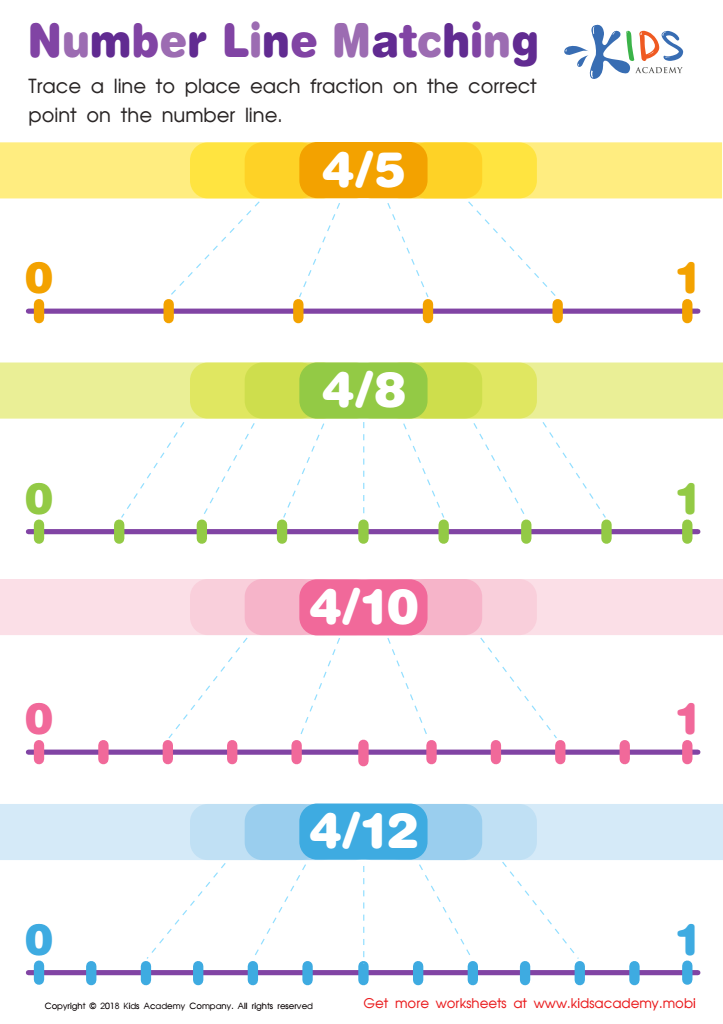
Number Line Matching Worksheet
 Assign to My Students
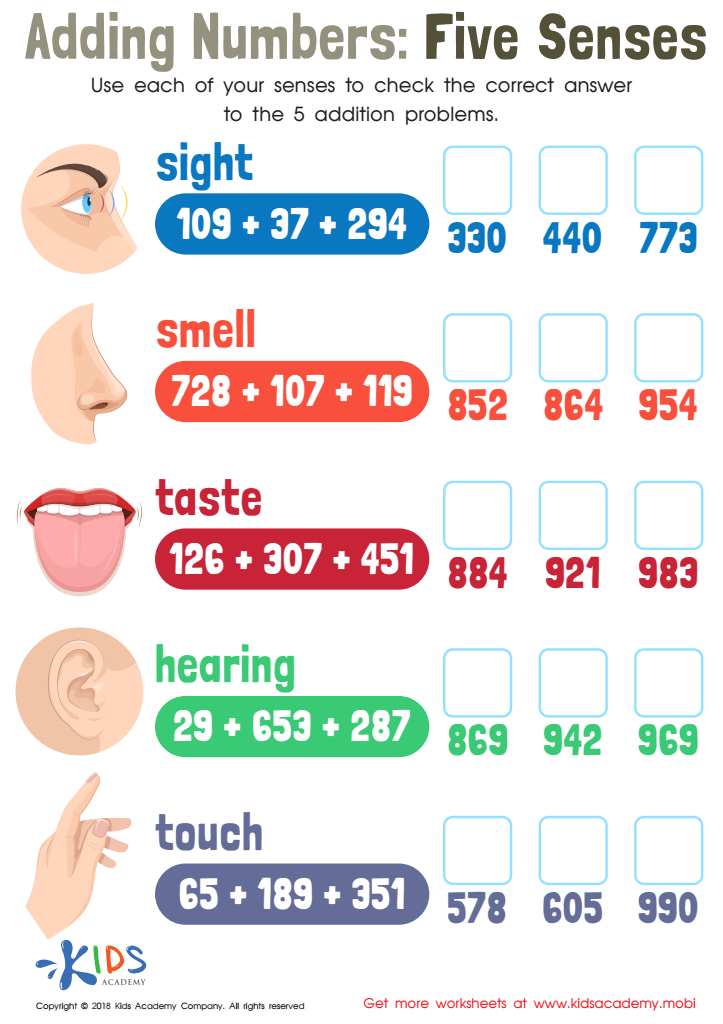
Adding Numbers: Five Senses Worksheet








Associative learning is a critical aspect of cognitive development for children aged 7-9, as it lays the groundwork for more complex learning processes. At this stage, children begin to link different concepts, experiences, or ideas, enabling them to make connections that enhance understanding. Parents and teachers should care about fostering associative learning because it significantly boosts memory retention, problem-solving skills, and creativity.
By encouraging activities that promote associative learning, such as storytelling, play-based exploration, and hands-on projects, adults can help children create connections between new information and what they already know. This enhances their comprehension and makes learning more meaningful, ultimately fostering a love for knowledge.
Moreover, associative learning can support emotional and social development. For instance, recognizing emotions through character interactions can help children understand empathy and relationships better.
In summary, prioritizing associative learning in this age group empowers children to think critically, develop robust cognitive frameworks, and enhances both their academic and personal growth. By nurturing these skills, parents and teachers play a crucial role in preparing children for future academic success and lifelong learning.








