Developing logical thinking Normal Worksheets for Ages 7-9
3 filtered results
-
From - To
Enhance your child's cognitive abilities with our "Developing Logical Thinking Normal Worksheets" for ages 7-9! These engaging and thoughtfully designed worksheets encourage young learners to improve problem-solving skills and critical thinking through fun puzzles, patterns, and reasoning challenges. Ideal for home or classroom use, our worksheets cater to various learning styles and promote cognitive development. Help your child build a strong foundation for logical reasoning while boosting their confidence in math and science. Explore our vibrant and interactive worksheets today to inspire your little thinkers to analyze, deduce, and succeed in their early learning journey!
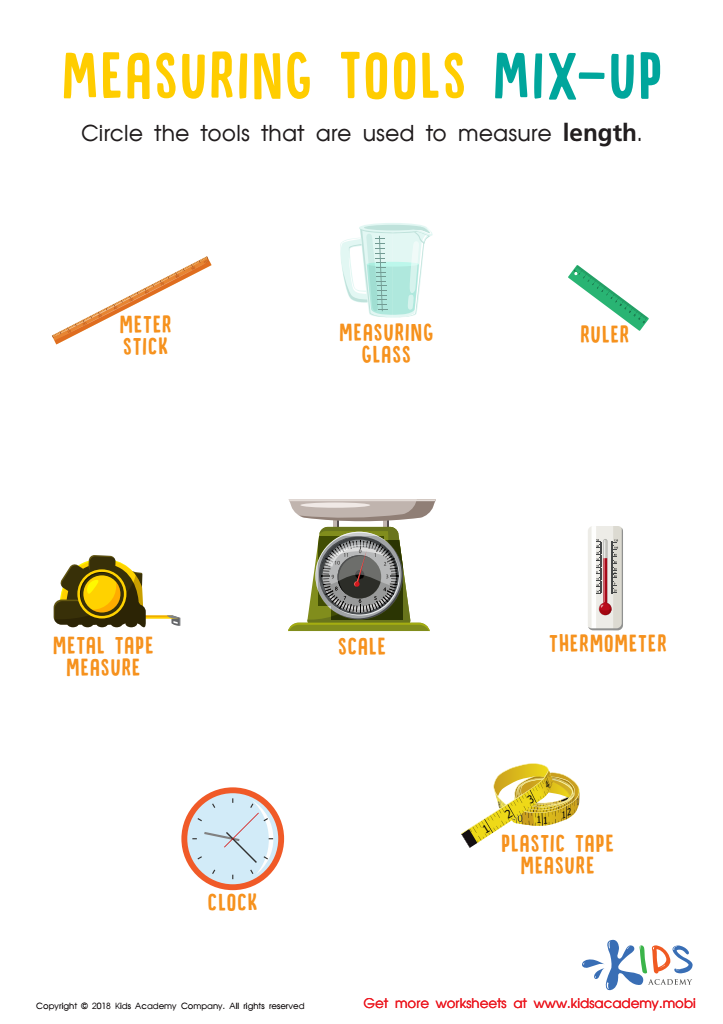
Measuring Tools Mix–up Worksheet
 Assign to My Students
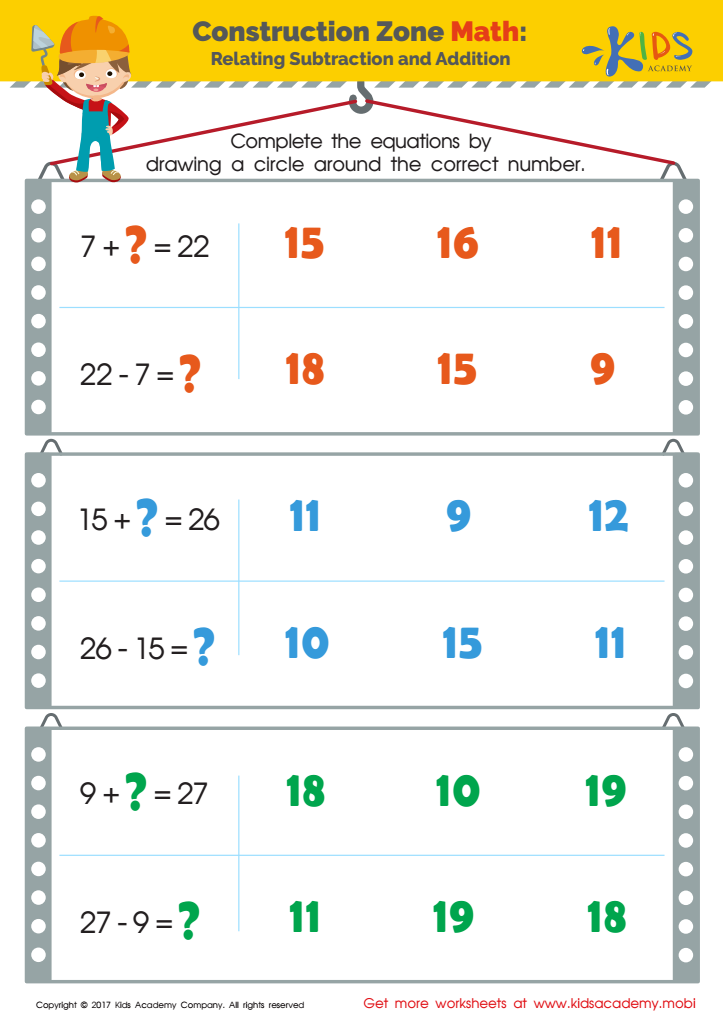
Related Addition and Subtraction Facts Worksheet
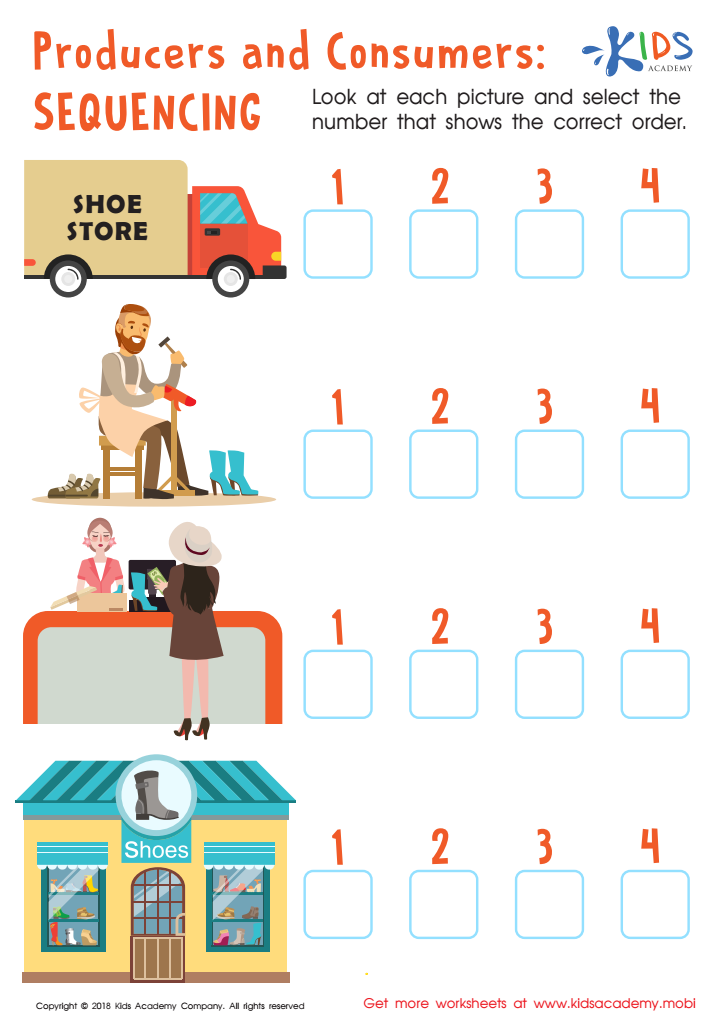
Producers and Consumers: Sequencing Worksheet







Developing logical thinking in children aged 7-9 is crucial for several reasons. At this stage, children are transitioning from concrete to more abstract thinking. Enhancing their logical reasoning skills helps them navigate complex problems, making connections between ideas and concepts. This cognitive development fosters critical thinking, which is essential not only in academics but in everyday life decisions.
Logical thinking empowers children to analyze situations, recognize patterns, and devise solutions, laying the groundwork for future learning in mathematics, science, and literacy. Teachers can integrate activities that encourage logical reasoning, such as puzzles, games, and structured questions, making learning enjoyable while honing these skills.
Moreover, logical thinking promotes independence and self-confidence. When children can reason through problems, they become more adept at making informed choices and understanding the consequences of their actions.
Parents can reinforce these skills at home through discussions, encouraging questions, and engaging in critical dialogues about everyday scenarios. Together, teachers and parents play a pivotal role in nurturing logical thinking, ultimately equipping children with the tools they need to succeed academically and in life, fostering lifelong learners who approach challenges with creativity and resilience.








