Handwriting practice Normal Worksheets for Ages 7-9 - Page 2
37 filtered results
-
From - To
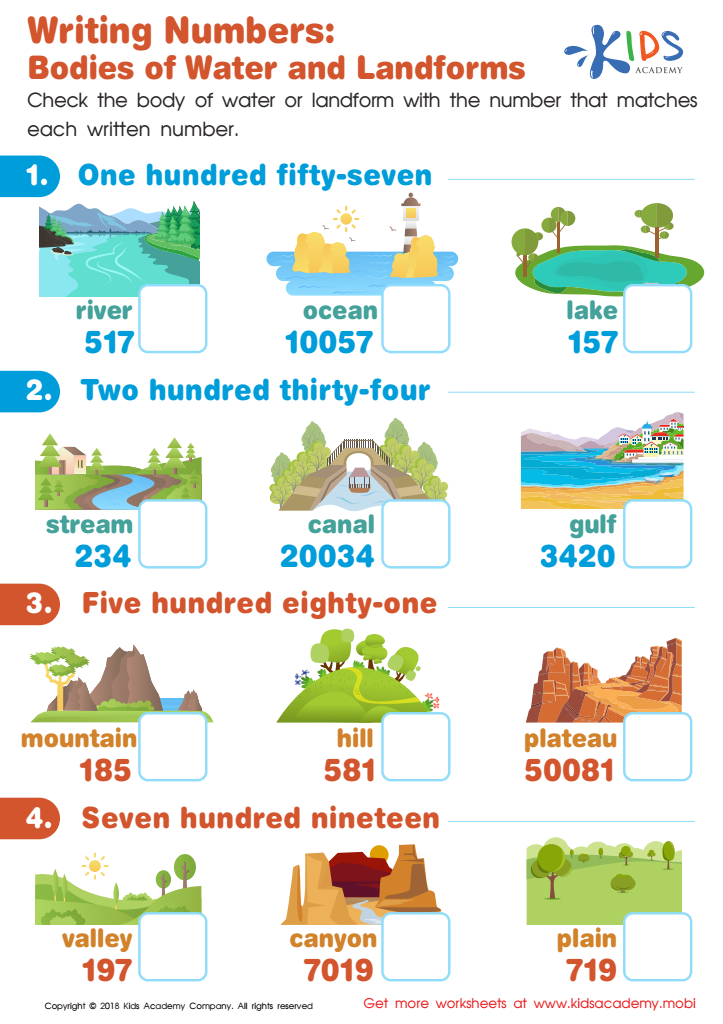
Bodies of Water and Landforms Writing Numbers Worksheet
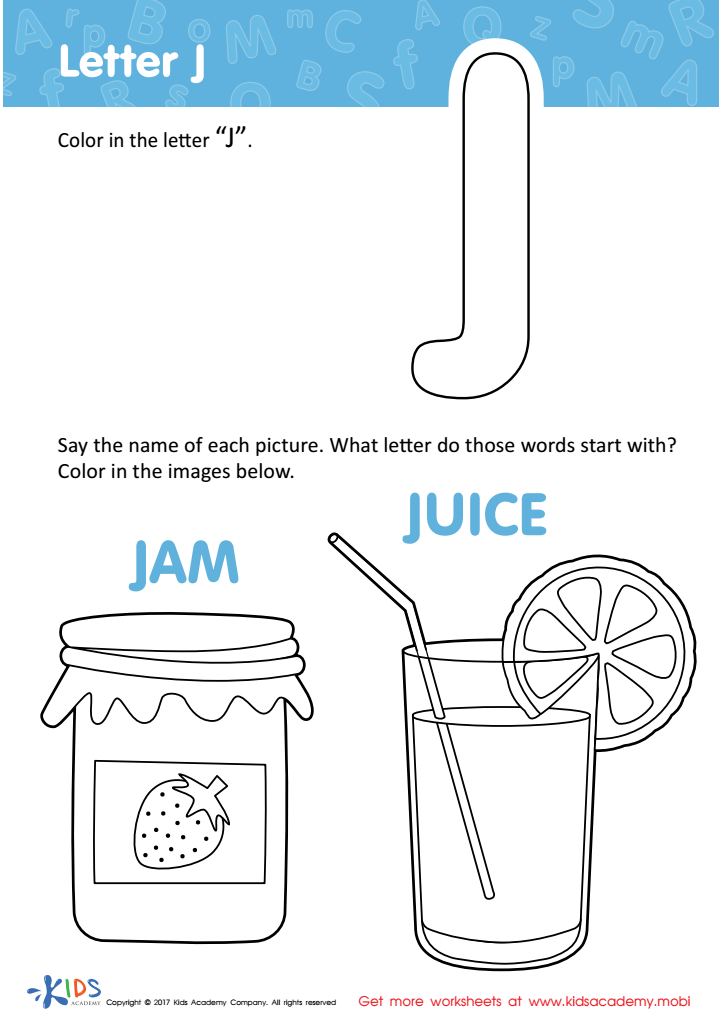
Letter J Coloring Sheet
 Assign to My Students
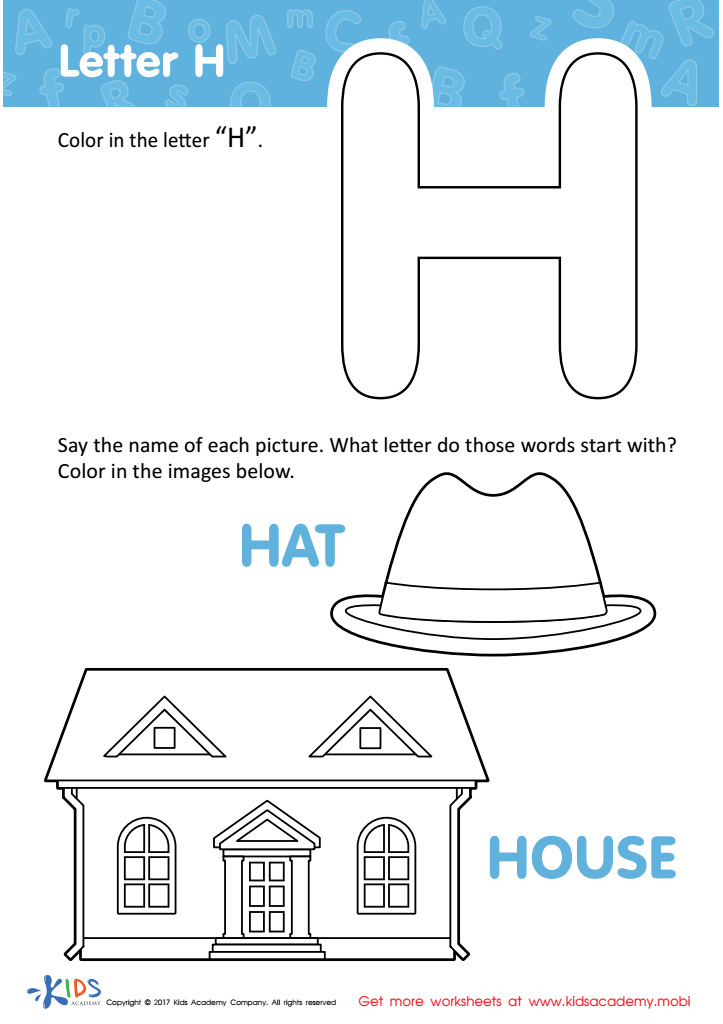
Letter H Coloring Sheet
Assign to My Students
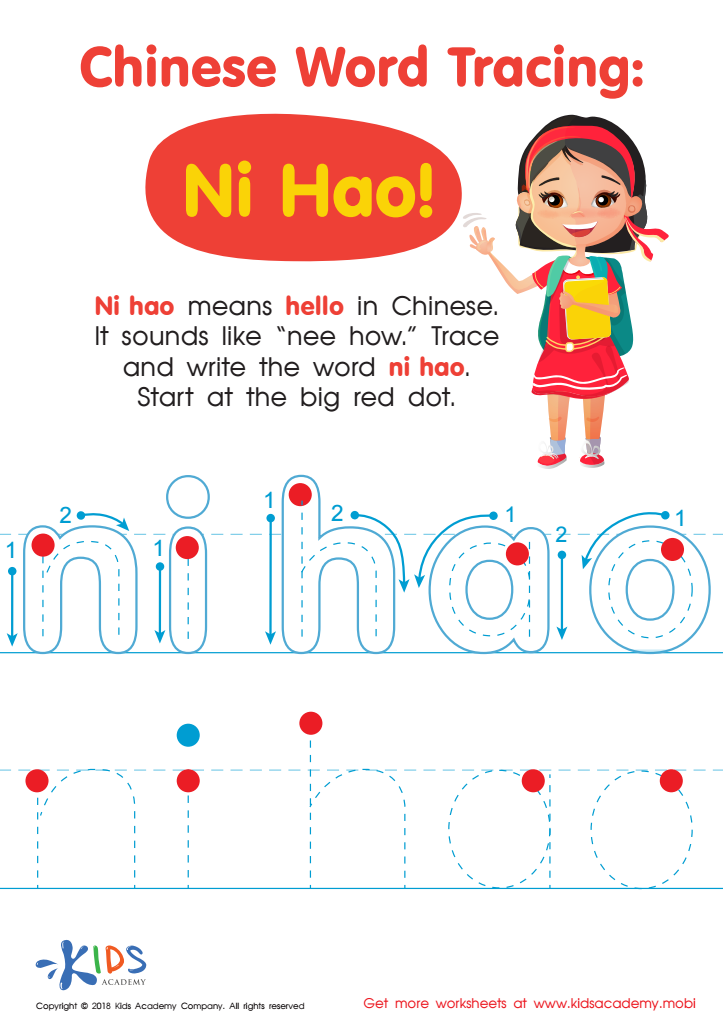
Chinese Word Tracing: Ni Hao Worksheet
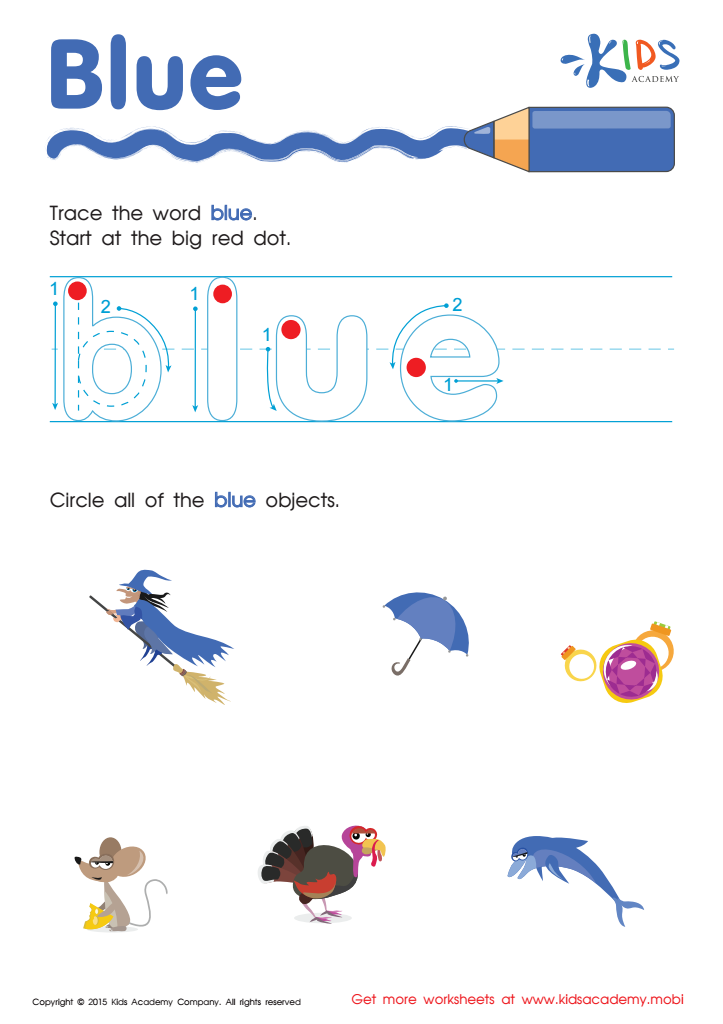
Blue Tracing Color Words Printable

Brown Tracing Color Words Worksheet
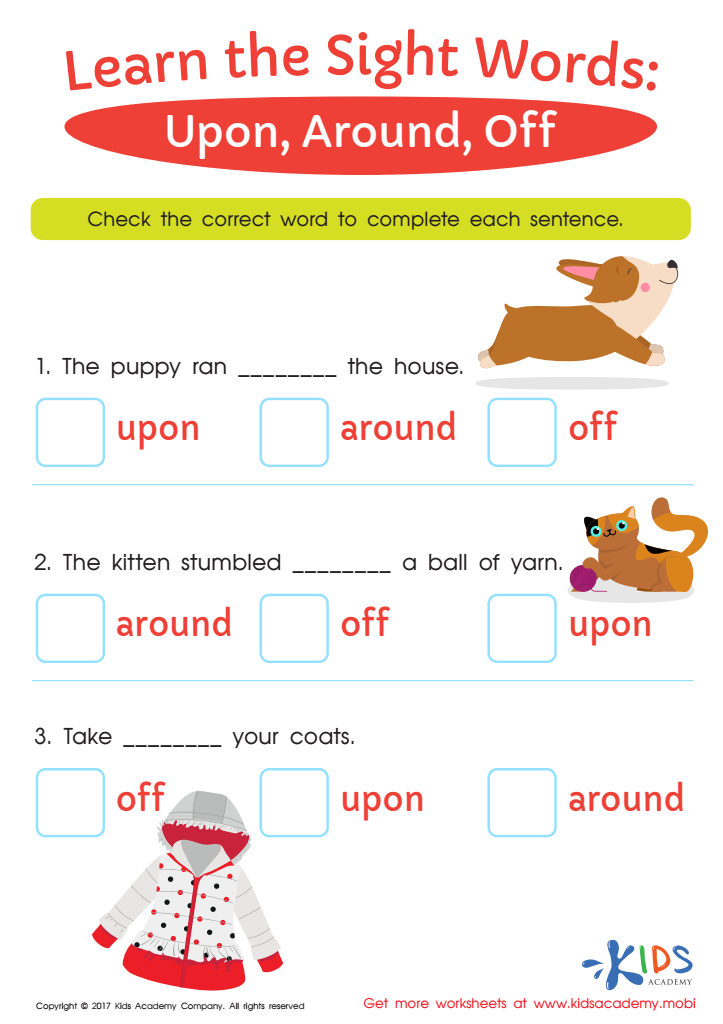
Upon, Around, Off Sight Words Worksheet
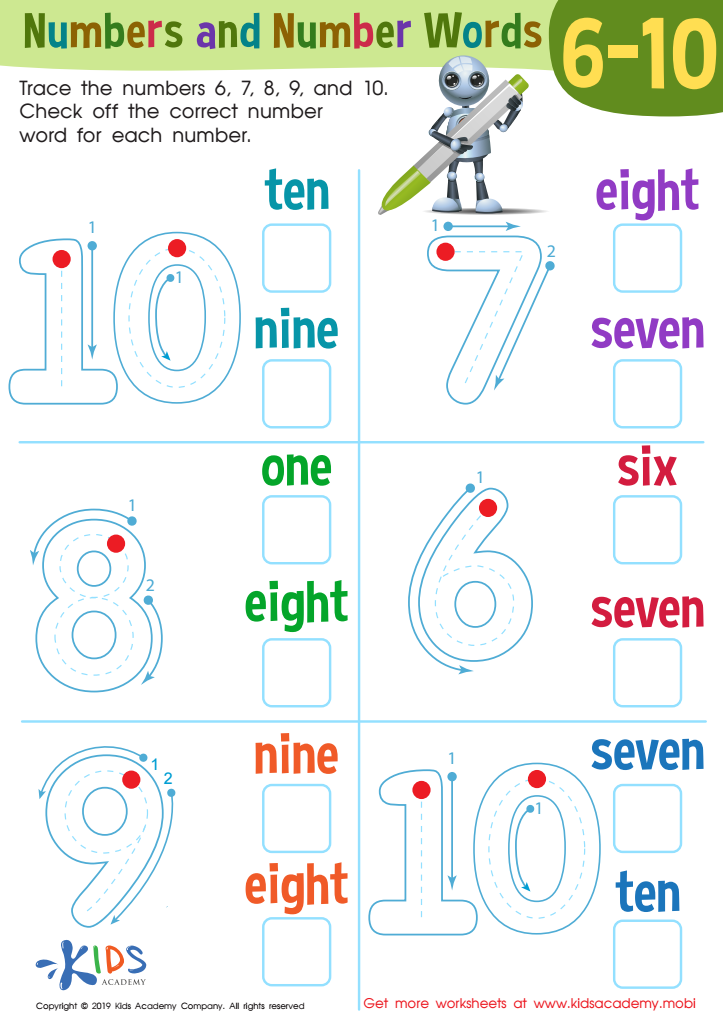
Numbers and Number Words 6–1 Worksheet
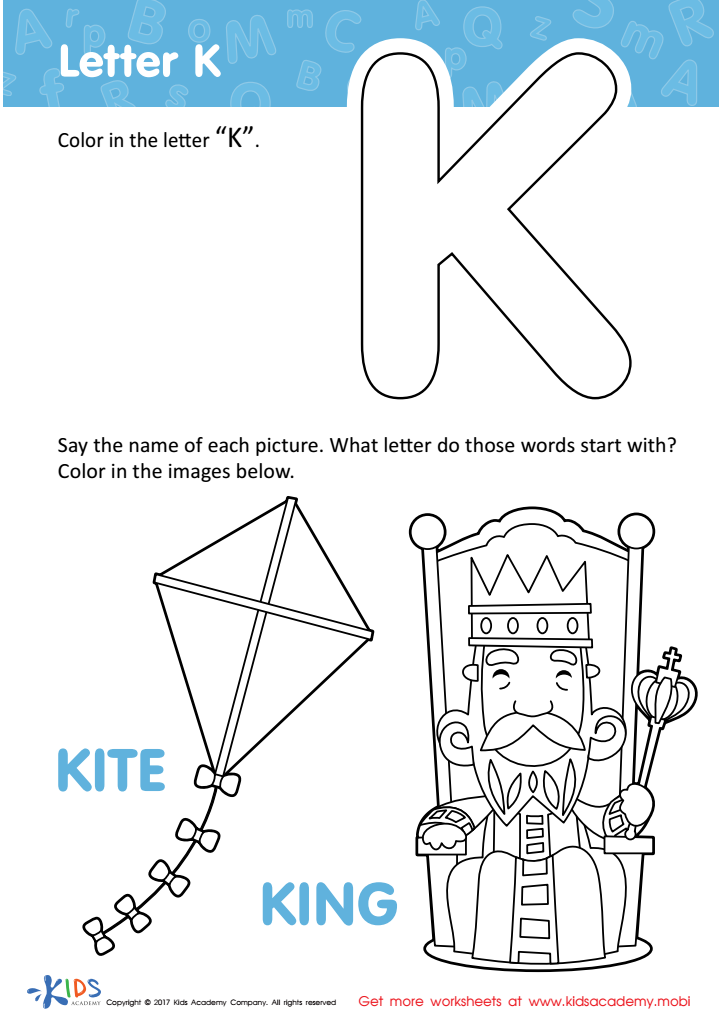
Letter K Coloring Sheet
Assign to My Students
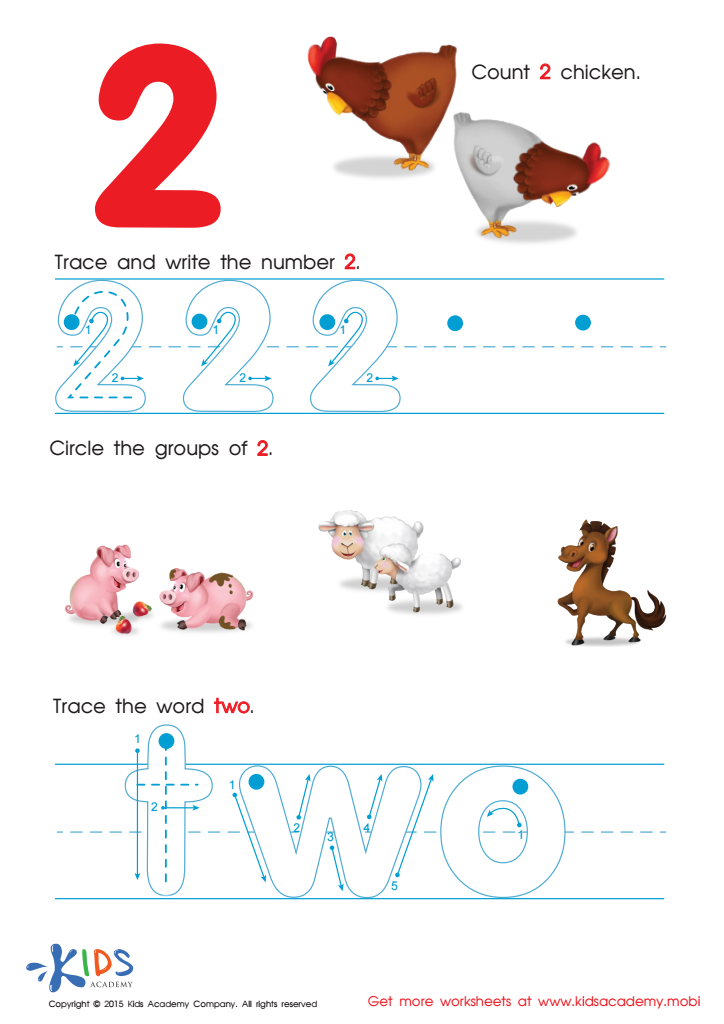
Learn to Write the Number 2 Worksheet
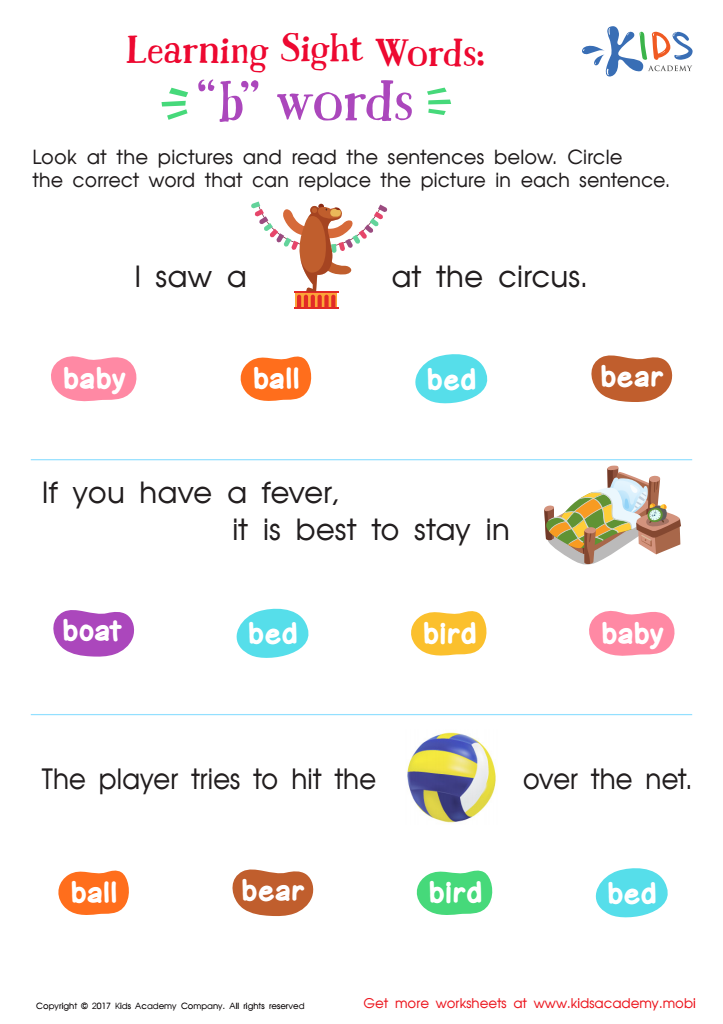
"B" Words Printable Sight Words Worksheet
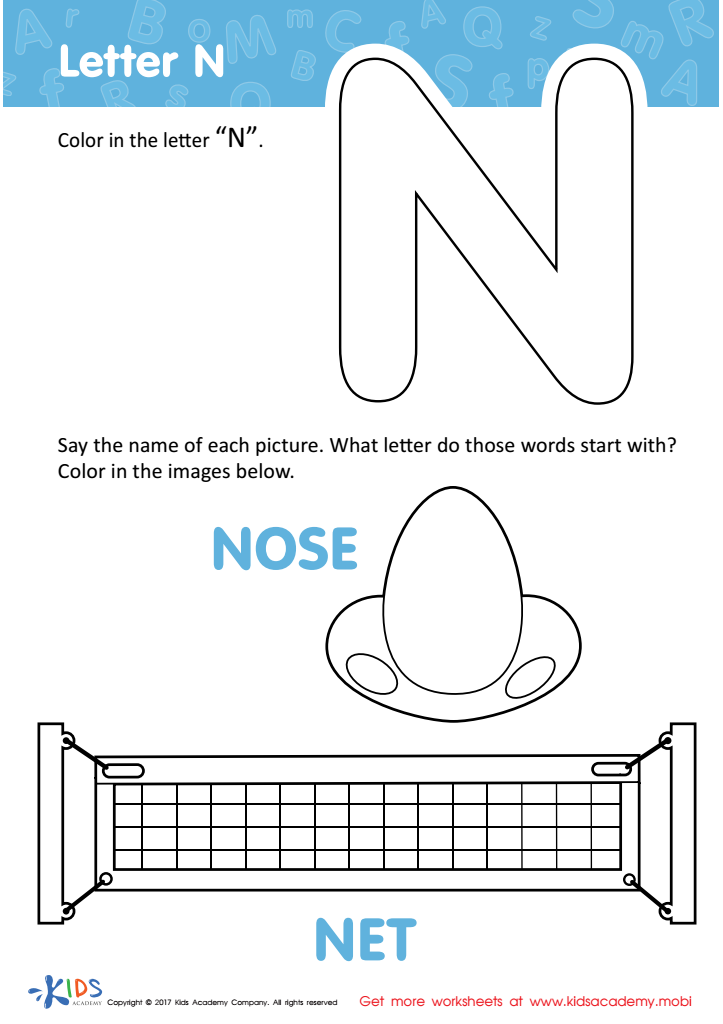
Letter N Coloring Sheet
Assign to My Students
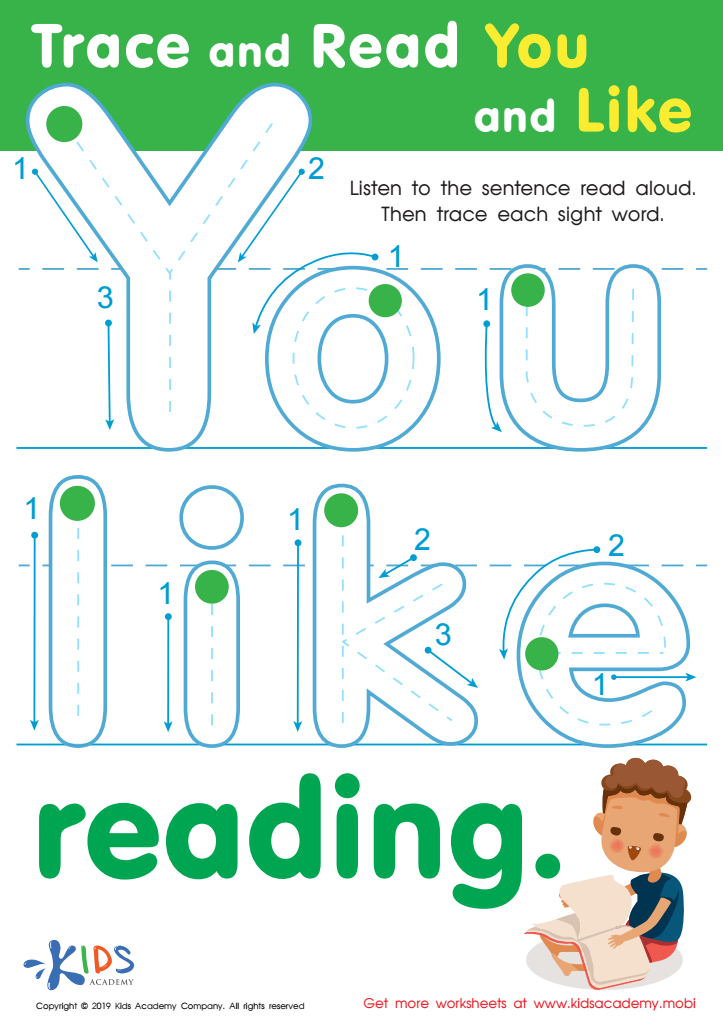
Trace Read You Like Worksheet




.jpg)



Handwriting practice for children aged 7-9 is crucial for various developmental reasons, making it an important focus for both parents and teachers. At this age, children are refining their fine motor skills, which are essential for tasks beyond writing, such as crafting and playing musical instruments. Regular handwriting practice enhances their hand-eye coordination and strengthens the muscles in their hands, promoting better control and dexterity.
Moreover, handwriting significantly impacts academic performance. Studies suggest that students who write by hand are often better at retaining and recalling information compared to those who type. This is largely due to the cognitive effort involved in forming letters and words, which reinforces memory and comprehension.
In addition to cognitive benefits, handwriting practice fosters a sense of accomplishment and self-esteem. Children can see tangible progress in their skills, which can motivate them to further pursue learning and development.
Lastly, legible handwriting is practical for effective communication. As children express their thoughts and ideas, clear writing becomes essential for conveying meaning accurately. Encouraging consistent handwriting practice equips kids with a fundamental skill necessary for their overall success in both school and life. Therefore, prioritizing handwriting at this stage is a valuable investment in children's future.








