Money management Normal Worksheets for Ages 7-9
3 filtered results
-
From - To
Encourage early money management skills with our engaging worksheets designed specifically for kids aged 7-9. Our collection includes a variety of fun and educational activities that teach crucial financial concepts, such as saving, spending, and budgeting. These worksheets are perfect for homeschooling or supplementing classroom learning, making complex ideas approachable and enjoyable for young learners. With practical exercises and real-world applications, children can learn to make smart money decisions early on. Foster lifelong financial literacy and confidence—explore our Money Management Normal Worksheets to give your child a head start in mastering money skills!

Grocery Store Worksheet
 Assign to My Students
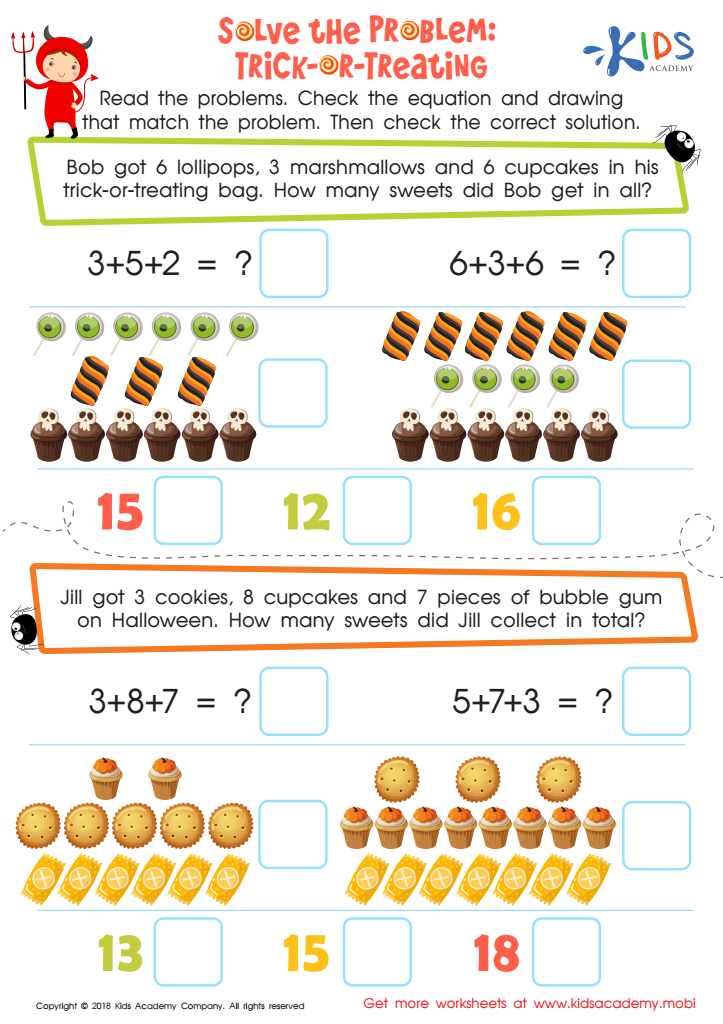
Solve the Problem: Trick–or–treating Worksheet
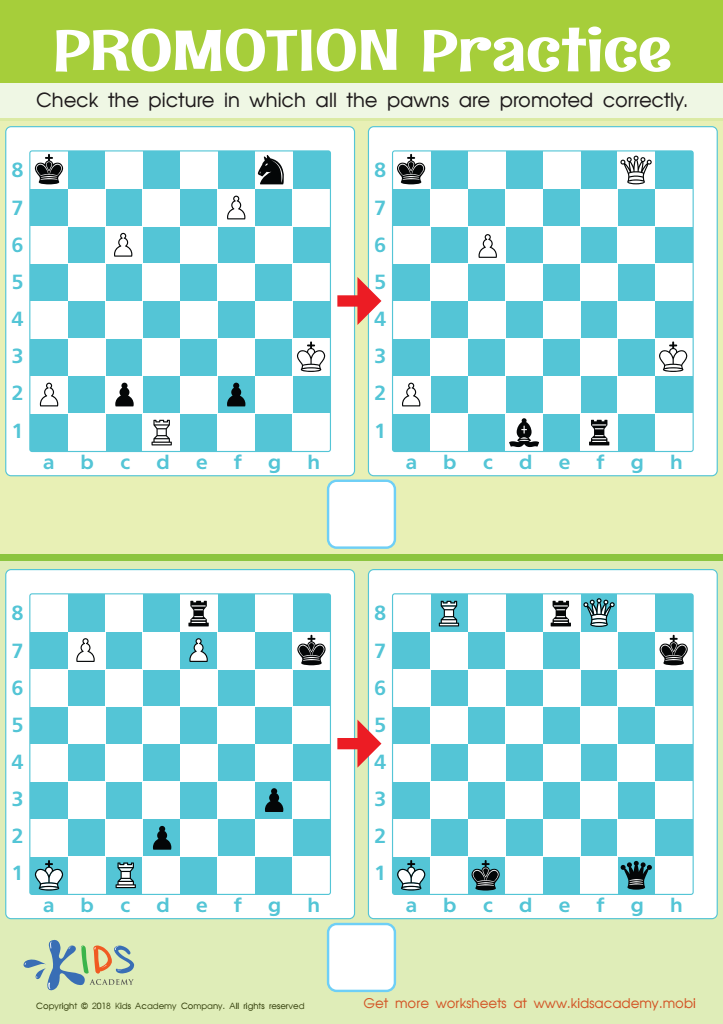
Promotion Practice Worksheet



.jpg)




Teaching money management to children aged 7-9 is crucial for several reasons. At this developmental stage, kids are beginning to grasp basic math concepts and can understand the fundamental idea of earning, saving, and spending. By introducing money management early, parents and teachers can help children develop crucial life skills that will serve them well into adulthood.
First, understanding money helps children make informed choices. They learn that money is finite and that spending must be balanced with saving. This can help them avoid impulsive purchases and encourage thoughtful decision-making.
Secondly, early financial education instills a sense of responsibility and independence. When kids manage small amounts of money, perhaps through an allowance or earnings from chores, they learn the value of money and the effort it takes to earn it. This fosters a work ethic and an appreciation for budgeting.
Moreover, discussing money management opens up opportunities to teach broader concepts like goal-setting and delayed gratification. Saving for a desired toy, for instance, teaches patience and the rewards of long-term planning.
Finally, establishing a strong foundation in financial literacy can set children up for future success. They'll be better equipped to handle more complex financial situations as they grow older, reducing the risk of debt and fostering financial stability. Overall, money management skills are a vital part of holistic education, promoting a balanced, informed, and prudent approach to life's financial aspects.








